Hassenuah
Who was Hassenuah in the Bible?
A patriarch of the tribe of Benjamin whose descendants served as civic and religious leaders in Jerusalem during the Post-Exilic period.
Hassenuah was a prominent patriarch within the tribe of Benjamin. While the biblical narrative provides few details regarding his personal life, his legacy is firmly established through the significant roles his descendants played during the restoration of Jerusalem following the Babylonian captivity. As a tribal head, he represents the enduring lineage of Benjamin, one of the two tribes that formed the core of the Southern Kingdom of Judah.
His name appears in the genealogical records of 1 Chronicles and the administrative lists of Nehemiah. These records highlight his status as a foundational figure for families that were instrumental in the reconstruction of Jerusalem's social and physical infrastructure. His descendants were recognized for their leadership in both the governance of the city and the physical labor of rebuilding its defenses.
Background and Family
Hassenuah is identified as a member of the tribe of Benjamin, the youngest son of Jacob and Rachel. In the biblical genealogical structure, Hassenuah serves as a primary link between the ancient tribal heritage and the post-exilic community. According to the records in 1 Chronicles 9:7, he was the great-grandfather of Sallu, a Benjamite who was among the first to resettle in Jerusalem after the return from exile. This lineage establishes Hassenuah as a figure of the era of exile and return whose family maintained their identity and status despite the upheavals of the Assyrian and Babylonian conquests.
The biblical text identifies two primary branches of his immediate descent. He is recorded as the father (or ancestor) of Hodaviah and the father of Judah. These descendants would later rise to positions of authority, suggesting that Hassenuah belonged to a family of considerable social standing within the Benjamite hierarchy.
Major Life Events
While the Bible does not record specific biographical episodes from Hassenuah’s life, his impact is seen through the actions of his collective household, often referred to as the "sons of Hassenaah." During the governorship of Nehemiah in the 5th century BC, these descendants were tasked with one of the most critical aspects of the Jerusalem restoration: the rebuilding of the Fish Gate.
The Fish Gate was rebuilt by the sons of Hassenaah. They laid its beams and installed its doors, bolts, and bars. (Nehemiah 3:3)
This labor was not merely symbolic; the Fish Gate was a vital commercial and defensive point on the north side of the city. The participation of Hassenuah's lineage in this project demonstrates the family's continued commitment to the covenant community and their physical presence in the Holy City centuries after their patriarch's time.
Relationship to Other Biblical Figures
Hassenuah is most directly linked to his descendant Judah, who served as a high-ranking official in Jerusalem. Nehemiah 11:9 notes that "Judah son of Hassenuah was over the Second District of the city." This indicates that the family held significant administrative power, with Judah serving as the second-in-command (or overseer of the new quarter) of Jerusalem under Joel son of Zichri.
Additionally, the connection to Sallu son of Meshullam through Hodaviah (1 Chronicles 9:7) places Hassenuah at the head of a family line that was essential for the repopulation of Jerusalem. These relationships confirm that Hassenuah was regarded as a seminal figure whose name granted legitimacy and authority to his offspring in the eyes of the post-exilic leaders.
Spiritual Significance
The presence of Hassenuah in the biblical genealogies serves a specific theological purpose: the affirmation of God's faithfulness to the tribal remnants. By recording the lineage of Hassenuah, the biblical authors emphasize that the tribe of Benjamin had not been lost or assimilated during the exile. Instead, the "sons of Hassenaah" returned to their ancestral calling, participating in the physical and spiritual rebuilding of the nation. His legacy is one of continuity, representing the bridge between the old tribal identities and the new community formed under the reforms of Ezra and Nehemiah.
Theologically, Hassenuah represents the preservation of the Benjamite lineage and the fulfillment of the promise that a remnant would return to the land. His inclusion in the genealogies of 1 Chronicles and Nehemiah validates the claims of his descendants to their roles in the civic and religious life of Jerusalem. By identifying Judah and Sallu as his offspring, the text establishes a clear chain of authority rooted in patriarchal history.
Furthermore, the mention of the 'sons of Hassenaah' in the context of the wall reconstruction highlights the role of patriarchal families in the practical restoration of Israel. Hassenuah’s significance lies not in recorded words or miracles, but in the enduring faithfulness of his household to the survival of the Jewish people and the fortification of the City of God.
Frequently Asked Questions
Which tribe did Hassenuah belong to?
Hassenuah belonged to the tribe of Benjamin.
Who was Hassenuah's most prominent descendant in the book of Nehemiah?
His son (or descendant) Judah was the officer over the Second District of Jerusalem.
What specific task did the family of Hassenuah perform during the rebuilding of Jerusalem?
The 'sons of Hassenaah' rebuilt the Fish Gate, including its beams, doors, bolts, and bars.
How many times is Hassenuah mentioned in the Bible?
Hassenuah is mentioned three times across the books of 1 Chronicles and Nehemiah.
Is Hassenuah considered a patriarch?
Yes, he is treated as a patriarchal figure and head of a family line within the Benjamite genealogies.
Family & Relationships
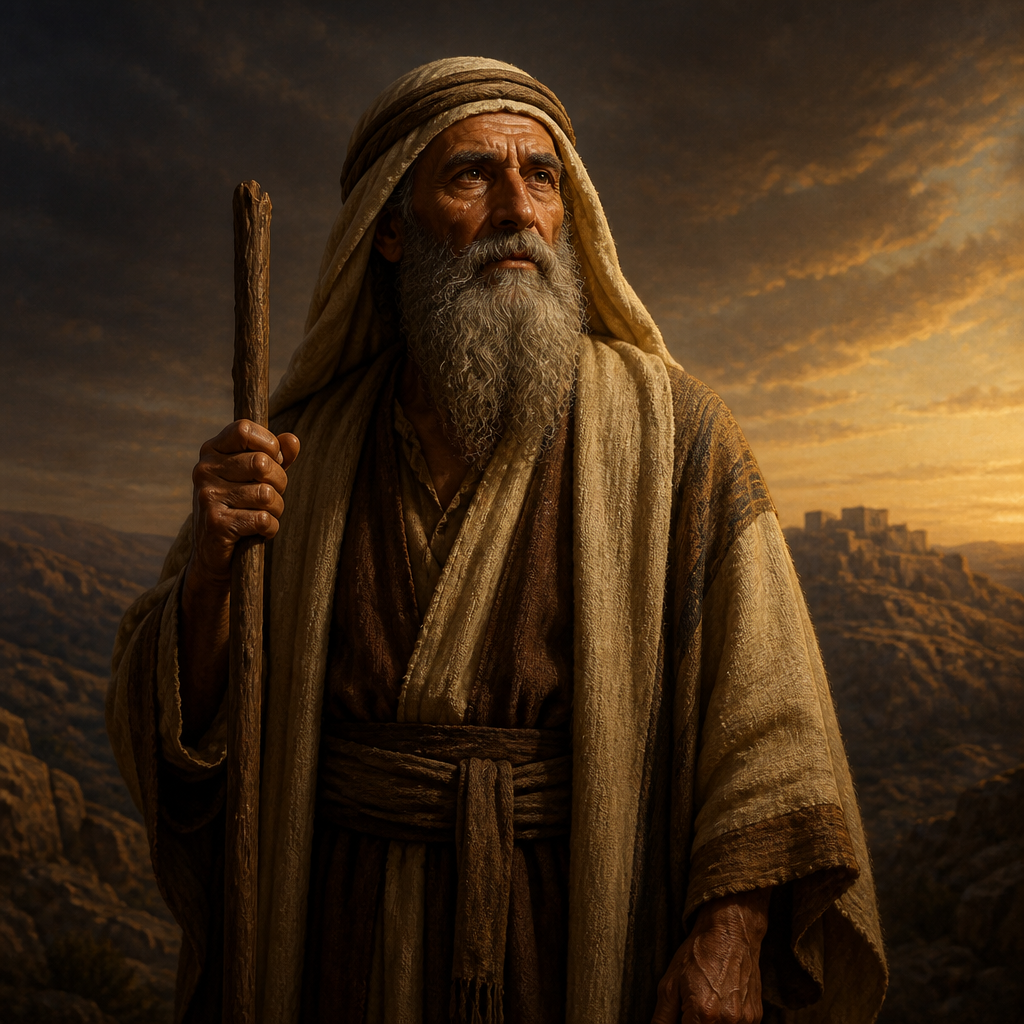 HassenuahThis page
Children
 Hodaviah, Benjamite of the ReturnSon1 Chronicles 9:7Stated
 Judah, Son of HassenuahSonNehemiah 11:9Stated
Extended family
 Meshullam, Son of HodaviahGrandson1 Chronicles 9:7Stated
 Sallu, Son of MeshullamGreat-Grandson1 Chronicles 9:7Stated
Connected Figures
Family
Son · 1 Chronicles 9:7
A Benjamite ancestor whose descendants were among the first to resettle Jerusalem following the Babylonian Exile.
Exile and ReturnFirst: 1 Chronicles 9:71 versesTribal AncestorBenjamin
Son · Nehemiah 11:9
A Benjaminite leader who served as the second-in-command over a district in Jerusalem during the post-exilic return under Nehemiah.
Exile and ReturnFirst: Nehemiah 11:91 versesDistrict Overseer / Civil OfficerBenjamin
Grandson · 1 Chronicles 9:7
A Benjamite who returned from the Babylonian exile and settled in Jerusalem as a head of a household.
Great-Grandson · 1 Chronicles 9:7
A prominent Benjamite who was among the first of the returning exiles to resettle in Jerusalem after the Babylonian captivity.
Exile and ReturnFirst: 1 Chronicles 9:71 versesSettlerBenjamin
Categories
Mentions by Book
- 1 Chronicles1
- Nehemiah2
Scripture References
All 3 indexed verses, in canonical order, from the Berean Standard Bible.
1 Chronicles · 1
- 1 Chronicles 9:7
From the Benjamites: Sallu son of Meshullam, the son of Hodaviah, the son of Hassenuah;
Nehemiah · 2
- Nehemiah 3:3
The Fish Gate was rebuilt by the sons of Hassenaah. They laid its beams and installed its doors, bolts, and bars.
- Nehemiah 11:9
Joel son of Zichri was the officer over them, and Judah son of Hassenuah was over the Second District of the city.