Harbona, Royal Eunuch of the Purim Crisis
A high-ranking royal eunuch in the Persian court who suggested the execution of Haman upon the very gallows Haman had prepared for Mordecai.
Harbona (also spelled Harbonah) was an official within the court of King Ahasuerus (Xerxes I) during the Persian Exilic Period. As one of the king's eunuchs, he occupied a position of significant trust and proximity to the throne, granting him unique insights into the political machinations of the royal household.
He is recorded in the biblical narrative at a critical juncture during the downfall of Haman the Agagite. His timely intervention provided the king with the physical means to execute justice immediately following Queen Esther’s revelation of Haman’s genocidal plot against the Jewish people.
Background and Family
The biblical record provides no information regarding Harbona’s ancestry, tribe, or national origin. As a eunuch serving in the Persian capital of Susa, it is possible he was of non-Persian descent, as many court eunuchs were acquired from conquered territories. His status as one of the eunuchs "attending the king" indicates he was part of an elite circle of servants who had direct access to the monarch’s private quarters and banquet halls.
Major Life Events
Harbona appears at the climax of the Book of Esther. After Queen Esther successfully exposed Haman as the adversary seeking to destroy her people, the King Ahasuerus was filled with rage. Returning from the palace garden to find Haman falling upon Esther’s couch—an act the king interpreted as an assault—the atmosphere reached a point of lethal tension.
At this precise moment, Harbona stepped forward to provide the king with a crucial piece of information. He informed the king of the existence of a massive gallows, fifty cubits high (approximately 75 feet), which Haman had constructed at his own house specifically for the execution of Mordecai. Harbona noted that this was the same Mordecai who had previously saved the king's life by reporting an assassination plot. Upon hearing this, Ahasuerus immediately ordered that Haman be hanged on those very gallows (Esther 7:9).
Relationship to Other Biblical Figures
Harbona’s primary relationship in the text is his role as a servant to King Ahasuerus. However, his actions link him favorably to Mordecai and Esther. By pointing out that the gallows were intended for the man who saved the king, Harbona effectively contrasted Haman’s treachery with Mordecai’s loyalty, sealing Haman’s fate and facilitating the preservation of the Jewish exiles.
Spiritual Significance
While Harbona is not presented as a religious figure, his role is often viewed through the lens of divine providence. In the Book of Esther, where the name of God is famously absent, the timing of Harbona’s suggestion is seen as a "coincidence" that serves the greater purpose of delivering Israel. He acts as an instrument of poetic justice, ensuring that the wicked Haman falls into the very pit he dug for the righteous. In Jewish tradition, Harbona is remembered positively for his role in the Purim story, often mentioned in the liturgy as one who should be remembered for good (Harvona zachur la-tov).
Spiritual Significance
Harbona serves as the catalyst for the final resolution of the conflict between Haman and Mordecai. His intervention ensures that the villain of the narrative is executed using his own instrument of cruelty, demonstrating the biblical theme of lex talionis (law of retaliation). Within the literary structure of the Book of Esther, Harbona represents the shift in the king's court from supporting Haman to favoring the Jewish cause.
His specific mention of Mordecai's past loyalty reminds the king of his debt to the Jewish people, thereby turning the tide of royal favor. His presence illustrates how minor figures in the Bible can play pivotal roles in the survival of God's people during the Exile and Return era.
Frequently Asked Questions
What does the name Harbona mean?
The name is likely of Persian origin, possibly meaning 'donkey-driver' or 'war-like,' though its exact etymology is debated among scholars.
Was Harbona Jewish?
The Bible does not state Harbona's ethnicity. As a Persian court eunuch, he was likely a gentile, though he acted in a way that benefited the Jewish people.
Why did Harbona tell the king about the gallows?
While his motives are not explicitly stated, he likely recognized the shift in power and chose to align himself with the king's mounting anger against Haman by revealing Haman's disrespect toward the king's savior, Mordecai.
How high were the gallows Harbona described?
Harbona described them as being fifty cubits high, which is approximately 75 feet or 23 meters, emphasizing Haman's extreme hubris and public malice.
Connected Figures
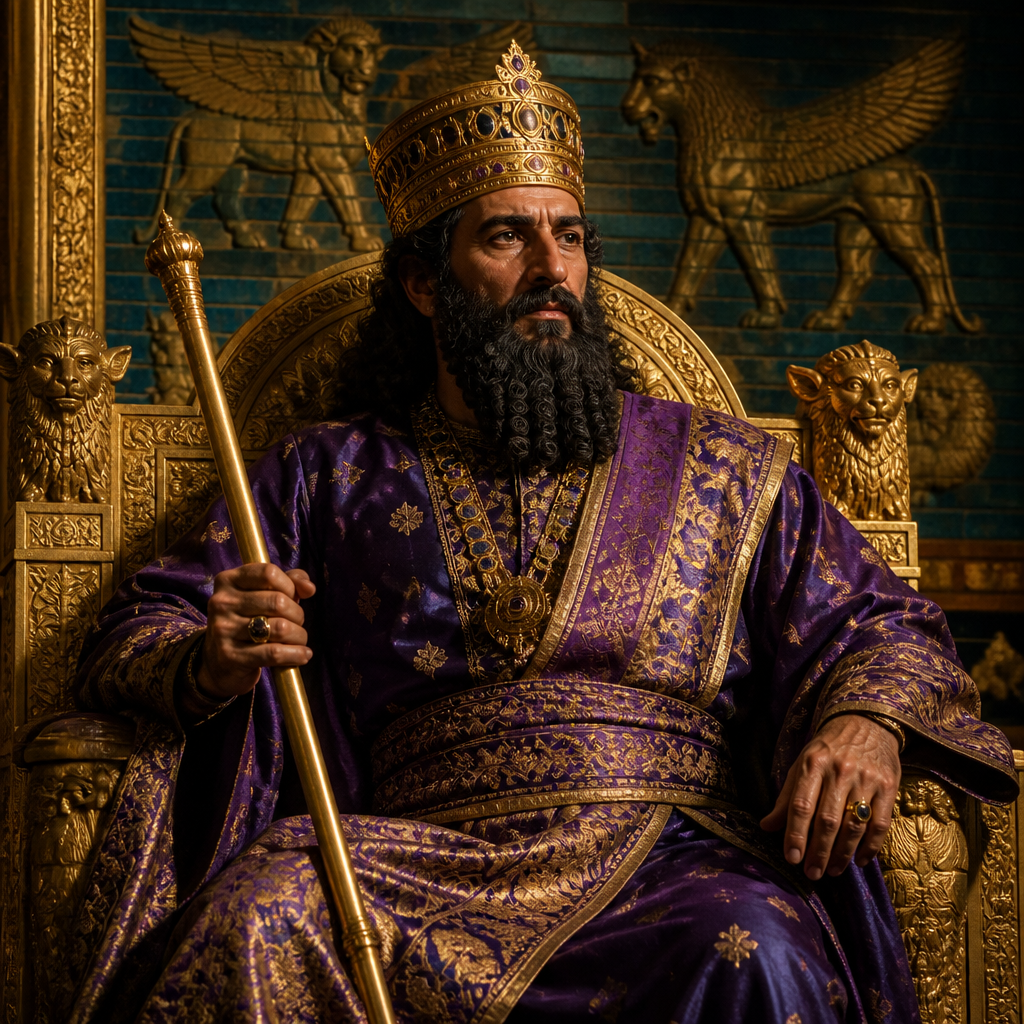
Ahasuerus
Master and King
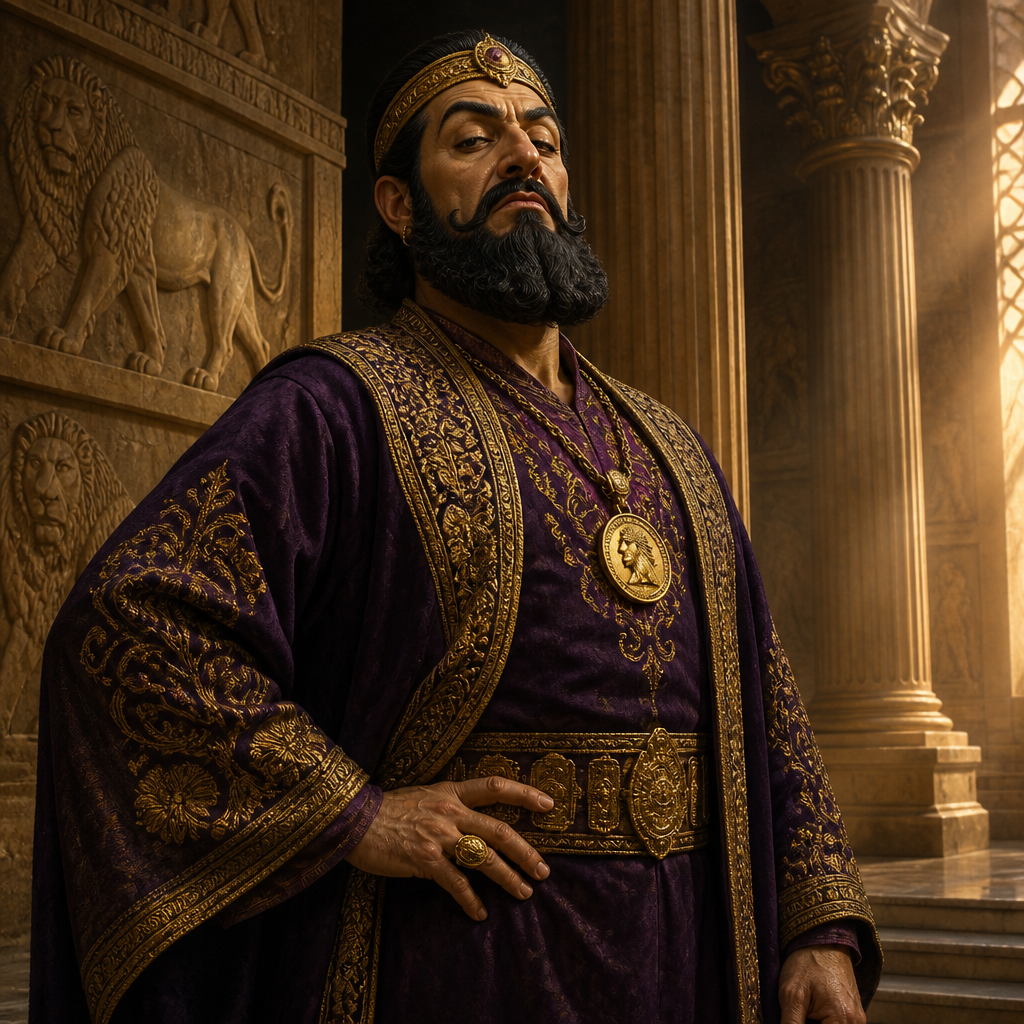
Haman
Adversary whose execution he facilitated
Mordecai
Beneficiary of Harbona's testimony
Categories
Mentions by Book
- Esther1
Others Named Harbona
Harbona, Eunuch of King AhasuerusEsther 1:10
A high-ranking royal eunuch in the Persian court who suggested the execution of Haman upon the very gallows Haman had prepared for Mordecai.