Eliakim, Priest of the Post-Exilic Restoration
A priest and musician who participated in the historic dedication of the rebuilt walls of Jerusalem under Nehemiah.
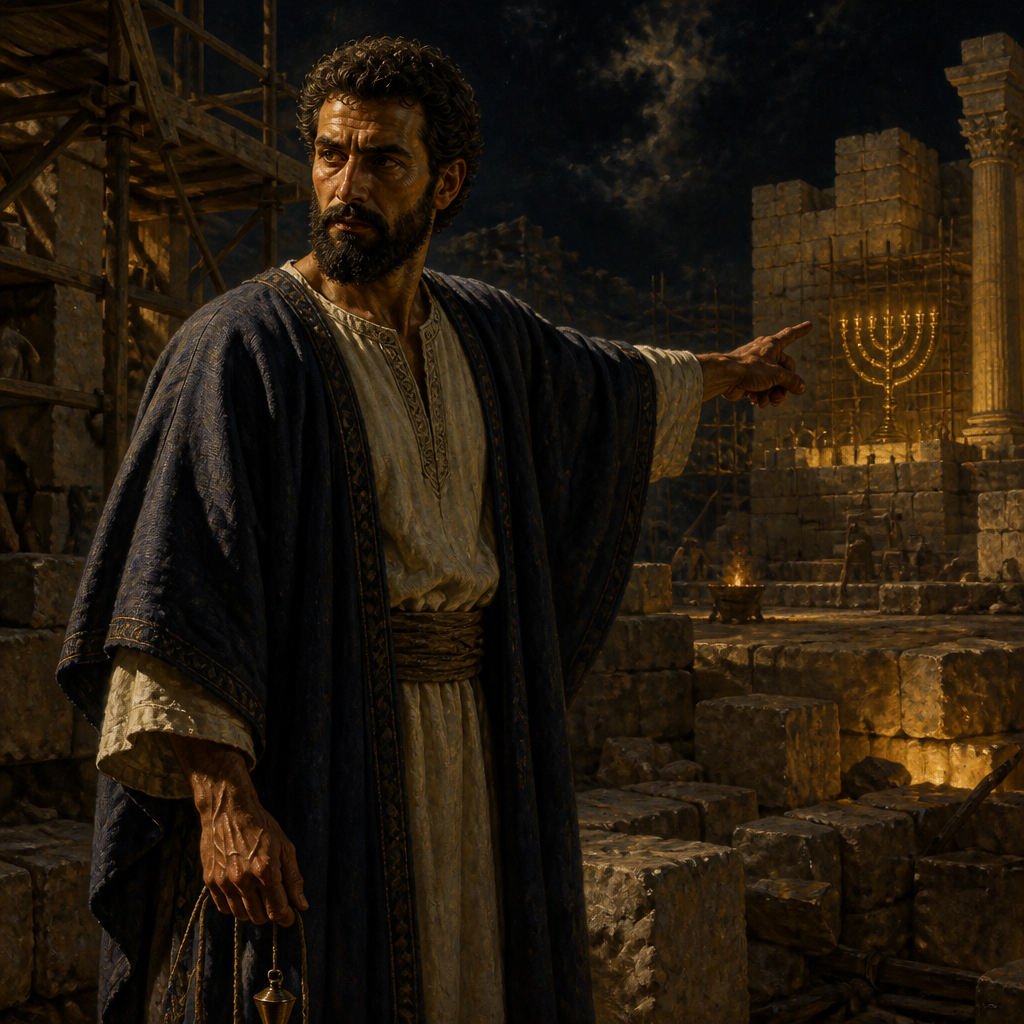
Eliakim was a Levitical priest who lived during the era of the Exile and Return. He was among the prominent religious leaders who returned to Jerusalem from the Babylonian captivity to participate in the restoration of the Jewish state and the re-establishment of the temple rituals. He is specifically identified in the biblical record as one of the specialized musicians who played a pivotal role in the formal sanctification of Jerusalem's fortifications.
While his individual biographical details are sparse, Eliakim's presence in the historical record of Nehemiah signifies his membership in the priestly aristocracy of the post-exilic community. His service was essential to the corporate worship life of the returning remnants of Israel, as he was tasked with the public proclamation of joy and thanksgiving following the completion of the city's defensive walls.
Background and Family
Eliakim was a member of the tribe of Levi and served as a priest during the mid-5th century BC. While the biblical text in Nehemiah 12:41 does not provide his specific lineage or parental heritage, his inclusion in the list of priests indicates that he was of the line of Aaron, verified through the genealogical records required for those returning from Babylon. He functioned within the specialized divisions of the priesthood that were reorganized following the return from exile to ensure the continuity of the Mosaic Law and the liturgical traditions of the Second Temple.
Major Life Events
The primary historical event associated with Eliakim is the dedication of the wall of Jerusalem. After the completion of the wall under the governorship of Nehemiah in 444 BC, a massive celebration was organized to consecrate the structure to God. This event was not merely a civic ceremony but a profound religious ritual intended to mark the end of Jerusalem's vulnerability and the restoration of its status as the Holy City.
Eliakim is recorded as one of the seven priests who carried trumpets during the processional. According to the account in Nehemiah 12, the leaders divided the people into two large thanksgiving choirs. These choirs walked in opposite directions atop the walls, eventually meeting at the House of God. Eliakim was part of the group that included other notable priests such as Maaseiah, Miniamin, and Zechariah. As a trumpeter, Eliakim was responsible for sounding the ritual blasts that signaled the joy and the divine presence over the newly fortified city.
Relationship to Other Biblical Figures
Eliakim served under the administrative leadership of Nehemiah and the spiritual leadership of Ezra the Scribe. In the specific context of the dedication ceremony, he is grouped with six other priests: Maaseiah, Miniamin, Micaiah, Elioenai, Zechariah, and Hananiah. These men functioned as a unified musical cohort, representing the ecclesiastical authority of the priesthood. His role placed him in direct cooperation with the Levites and singers who led the congregation in the "great sacrifices" offered on that day.
Spiritual Significance
The presence of Eliakim among the trumpeters carries significant theological weight. In the Old Testament, the sounding of trumpets by priests was an act of summoning God's remembrance and announcing a holy convocation (Numbers 10:1-10). By participating in this ceremony, Eliakim helped transition Jerusalem from a state of ruin and reproach to a place of security and sanctified worship. His service represents the "Exile and Return" theme of restoration—the idea that God preserves a faithful remnant to rebuild what was lost. Although his mention is brief, Eliakim stands as a witness to the fulfillment of the prophetic promises regarding the return of the Jewish people to their ancestral land.
Spiritual Significance
Eliakim serves as a representative of the faithful priesthood that maintained Jewish identity and worship during the precarious post-exilic period. His participation in the dedication of the walls signifies the essential union of civil security and spiritual devotion in the restoration of Israel.
His role as a trumpeter highlights the biblical importance of corporate worship and public testimony. By sounding the trumpet, Eliakim and his colleagues declared to the surrounding nations that the God of Israel had successfully restored His people and His city, turning a time of mourning into a season of audible, public celebration.
Frequently Asked Questions
When did Eliakim live?
What was Eliakim's specific job during the dedication of the wall?
Eliakim was one of the priests who played the trumpet. He was part of a formal processional that marched on top of the Jerusalem walls to consecrate them to God.
Which tribe did Eliakim belong to?
As a priest mentioned in the context of temple and ritual duties in the book of Nehemiah, Eliakim belonged to the tribe of Levi.
What book of the Bible mentions this Eliakim?
This specific Eliakim is mentioned exclusively in the Book of Nehemiah, specifically in chapter 12, verse 41.
Connected Figures
Nehemiah
Governor and leader of the wall restoration
Ezra
Contemporary priest and scribe
Zechariah
Fellow priest and trumpeter
Categories
Mentions by Book
- Nehemiah1
Others Named Eliakim
Eliakim son of Hilkiah2 Kings 18:18
A high-ranking official and palace administrator under King Hezekiah during the Assyrian invasion of Judah.
Eliakim, Son of AbiudMatthew 1:13
A member of the royal tribe of Judah who appears in the lineage of Jesus Christ, connecting the post-exilic line of Zerubbabel to the birth of the Messiah.
Eliakim, Son of MeleaLuke 3:30
Eliakim, son of Melea, was a member of the Tribe of Judah listed within the biological lineage of Jesus Christ as recorded in the Gospel of Luke.