Daniel, Son of Ithamar
A priest of the line of Ithamar who returned to Jerusalem from the Babylonian exile with Ezra and later signed the covenant with Nehemiah.
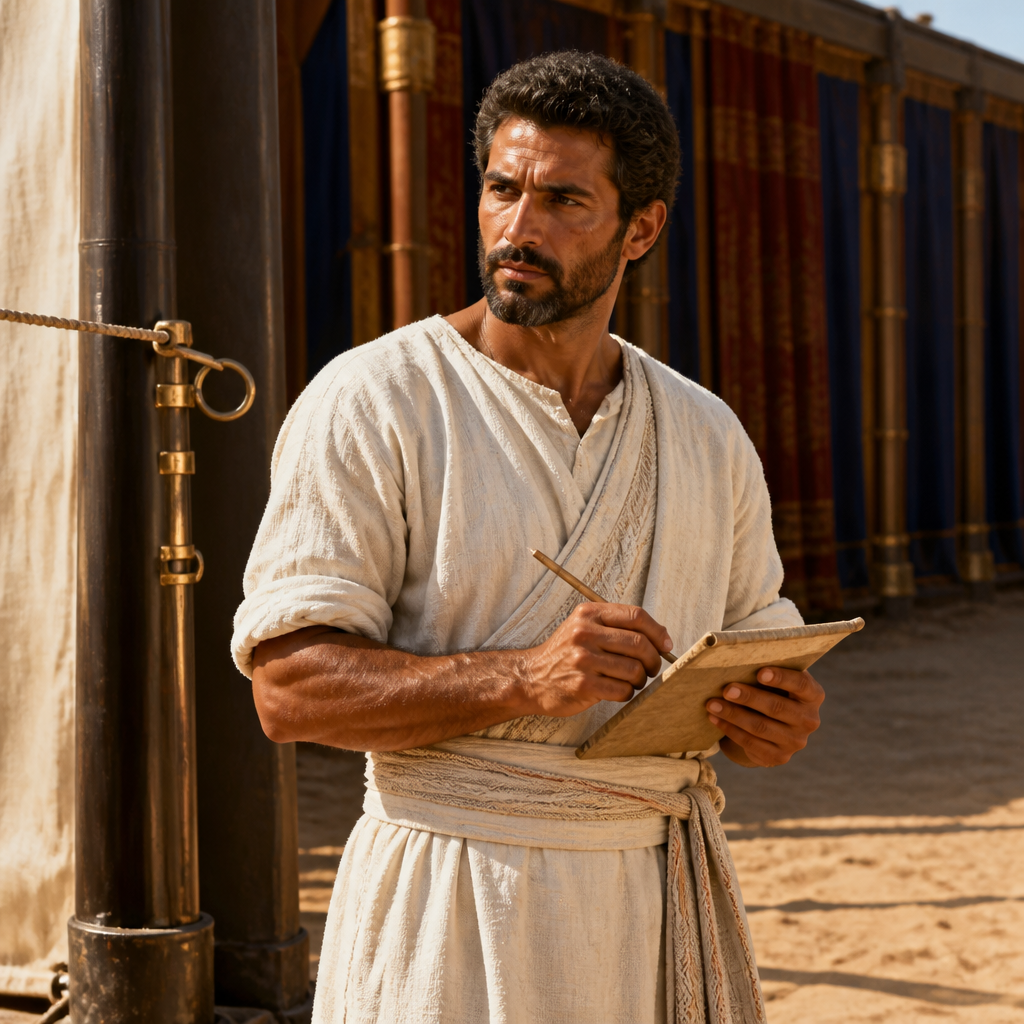
Daniel, a descendant of Ithamar, was a prominent Jewish priest who played a vital role in the restoration of the religious and social community in Jerusalem following the Babylonian exile. He is first identified in the biblical record as one of the heads of the priestly households who accompanied Ezra during the second return of exiles to Judah in the 5th century BC.
His presence in the lists of Ezra and Nehemiah signifies his high standing within the Aaronic priesthood and the returning community. Unlike many who remained in Babylon, Daniel participated in the physical and spiritual rebuilding of the Jewish nation, eventually serving as a signatory to the solemn covenant to keep the Law of Moses under the leadership of Nehemiah the governor.
Background and Family
Daniel was a member of the priestly class, specifically identified as being 'from the descendants of Ithamar' (Ezra 8:2). Ithamar was the youngest son of Aaron, the first High Priest of Israel. This lineage is significant because it traces Daniel’s heritage back to the founding of the Levitical priesthood during the Exodus period.
By the time of the Babylonian exile, the priestly lines had been disrupted by the destruction of the Temple and the forced relocation of the Judean population. Daniel’s inclusion in the geneological records indicates that his family successfully preserved their ancestral records and ritual purity during the decades of captivity in Mesopotamia. This preservation was essential for any priest wishing to resume official duties in the Second Temple era.
Major Life Events
The biblical record for Daniel is concentrated on two pivotal moments in the post-exilic restoration. The first occurs during the reign of Artaxerxes I of Persia. In approximately 458 BC, the scribe Ezra led a second wave of Jewish exiles back to Jerusalem. Daniel is listed among the leaders of the priestly families who departed with Ezra, specifically mentioned alongside Gershom (of the line of Phinehas) and Hattush (of the line of David).
from the descendants of Phinehas, Gershom; from the descendants of Ithamar, Daniel; from the descendants of David, Hattush (Ezra 8:2).
Following the return to Jerusalem, Daniel remained an active leader in the community. Several years later, after the walls of Jerusalem were rebuilt under Nehemiah, the community gathered for a public reading of the Law and a season of repentance. This culminated in the drafting of a 'firm agreement' or covenant, a document in which the leaders of Israel pledged to separate themselves from foreign influences and strictly observe the commandments of God. Daniel is recorded as one of the priests who set his seal upon this document (Nehemiah 10:6), demonstrating his continued commitment to the religious reformations of the era.
Relationship to Other Biblical Figures
As a leader of the house of Ithamar, Daniel served alongside members of the house of Phinehas (the line of Eleazar). His grouping with figures like Ezra and Nehemiah places him in the inner circle of the post-exilic leadership. Though the text does not record specific dialogues or personal interactions, his name appearing in official census and covenant lists suggests he was a trusted contemporary of the governor Nehemiah and the priest-scribe Ezra.
Spiritual Significance
Daniel represents the continuity of the Aaronic priesthood through the transition from the First Temple to the Second Temple period. His life illustrates the 'remnant' theology central to the books of Ezra and Nehemiah—the idea that God preserved a faithful group of people to return to the Promised Land and restore the sacrificial system. By signing the covenant in Nehemiah 10, Daniel modeled priestly accountability and public devotion, ensuring that the restored community was built upon a foundation of scriptural fidelity.
Spiritual Significance
Daniel’s significance lies in his role as a bridge between the pre-exilic traditions of the Ithamar priesthood and the post-exilic reality of the Second Temple. His participation in both the return with Ezra and the covenant-signing with Nehemiah underscores the vital role of the priesthood in maintaining national identity and religious purity during a time of Persian imperial rule.
Frequently Asked Questions
Was this Daniel the same person who was thrown into the lions' den?
No. This Daniel was a priest who returned from exile with Ezra, whereas the Daniel associated with the lions' den was a prophet and government official in Babylon and Persia.
What priestly line did Daniel belong to?
He belonged to the descendants of Ithamar, the son of Aaron.
When did Daniel return to Jerusalem?
He returned around 458 BC as part of the group led by Ezra during the reign of King Artaxerxes.
What document did Daniel sign in the book of Nehemiah?
He signed the 'firm covenant' (or 'sealed agreement'), a public pledge by the leaders of Jerusalem to follow the Law of Moses and avoid intermarriage with surrounding nations.
Is Daniel mentioned in the New Testament?
No, this specific priest is only mentioned in the post-exilic books of Ezra and Nehemiah.
Connected Figures
Ezra
Leader of the return from exile
Nehemiah
Governor and contemporary leader
Ithamar
Ancestral patriarch of his priestly house
Hattush
Fellow traveler in the return to Jerusalem
Categories
Mentions by Book
- Ezra1
- Nehemiah1
Others Named Daniel
Daniel, Prophet of the ExileEzekiel 14:14
A Judean exile who rose to high office in Babylon and Persia, known for his uncompromising faith, wisdom, and prophetic visions concerning the rise and fall of world empires.