Bebai, Parent of Zechariah
Bebai was a member of the Jewish community in the Exilic Period and the father of Zechariah, a man who returned to Jerusalem under Ezra.
Bebai was an individual who lived during the era of the Exile and Return. While the biblical text provides limited personal details about his life, his identity is established through his role as the father of Zechariah. His significance is rooted in the post-exilic restoration of Israel, specifically within the context of the second major wave of returnees.
His primary mention occurs in the official registers of those who traveled from Babylon to Jerusalem during the reign of King Artaxerxes. As a father of a leader within the returning group, Bebai represents the continuity of family lines during the transition from the Babylonian captivity back to the ancestral homeland of Judah.
Background and Family
Bebai is identified in the biblical record as the father of Zechariah (Ezra 8:11). The text places him within the era of the Exile and Return, specifically during the period when the Persian Empire permitted Jewish exiles to resettle in Jerusalem. While the specific tribe of Bebai is not explicitly named in the text, he is listed among the "descendants of Bebai," suggesting he belonged to a specific clan or family house that carried this name through the generations of captivity in Babylon.
In the ancient Near Eastern context, the preservation of a father's name was vital for establishing legal and religious standing in the post-exilic community. By being named as Zechariah’s father, Bebai is linked to the formal census of those who sought to restore the worship of Yahweh and the infrastructure of the Jewish state.
Major Life Events
The singular recorded event associated with this Bebai is the return of his son, Zechariah, to Jerusalem. According to Ezra 8:11, Zechariah led a group of 28 men from the family line of Bebai to join the caravan organized by the priest and scribe Ezra.
"from the descendants of Bebai, Zechariah son of Bebai, and with him 28 men;" (Ezra 8:11)
Although the text does not state whether Bebai himself made the journey or if he had already passed away in Babylon, his legacy is defined by his son's participation in this historical trek. The journey under Ezra took place in approximately 458 BC and was characterized by a reliance on divine protection rather than a military escort, highlighting the faith required by the families involved.
Relationship to Other Biblical Figures
Bebai’s primary relationship is with his son, Zechariah. This Zechariah is not to be confused with the minor prophet of the same name or other figures called Zechariah; he is specifically distinguished by his father's name. The interaction between father and son in this context underscores the importance of patriarchal lineage in the book of Ezra, where genealogical purity was a prerequisite for participating in the communal and liturgical life of the Second Temple.
Spiritual Significance
Bebai represents the "quiet" generation of the exile—those who maintained their identity and passed their faith and heritage to their children while in a foreign land. His spiritual significance lies in the fruit of his lineage. Because Bebai raised a son who was willing to leave the relative security of Babylon to help rebuild a ruined Jerusalem, he contributed to the physical and spiritual restoration of Israel. The inclusion of his name in the Holy Scriptures serves as a testament to the fact that even those with a single mention played a role in the unfolding narrative of redemption and the fulfillment of God's promises to return His people to their land.
Spiritual Significance
Bebai is significant as a point of genealogical reference during the post-exilic restoration. In the book of Ezra, names were not merely labels but served as legal proof of identity and belonging to the covenant community. His mention ensures that the 28 men who returned with Zechariah were recognized as legitimate members of the congregation of Israel.
Furthermore, Bebai represents the preservation of Jewish identity during seventy years of Babylonian captivity. His name, recorded for posterity, highlights the importance of the family unit in maintaining the continuity of the people of God during times of upheaval and displacement.
Frequently Asked Questions
Who was Bebai's son?
Bebai's son was Zechariah, who led a group of 28 men back to Jerusalem under the leadership of Ezra.
When did Bebai live?
Bebai lived during the Exile and Return period, specifically the mid-5th century BC (c. 458 BC).
Did Bebai personally return to Jerusalem?
The Bible does not explicitly state if Bebai returned; it only mentions his son Zechariah and 28 other descendants making the journey with Ezra.
In which book of the Bible is this Bebai mentioned?
This specific Bebai is mentioned in the Book of Ezra, chapter 8, verse 11.
What tribe did Bebai belong to?
The Bible does not specify Bebai's tribe, though he was part of the Jewish exiles in Babylon.
Connected Figures
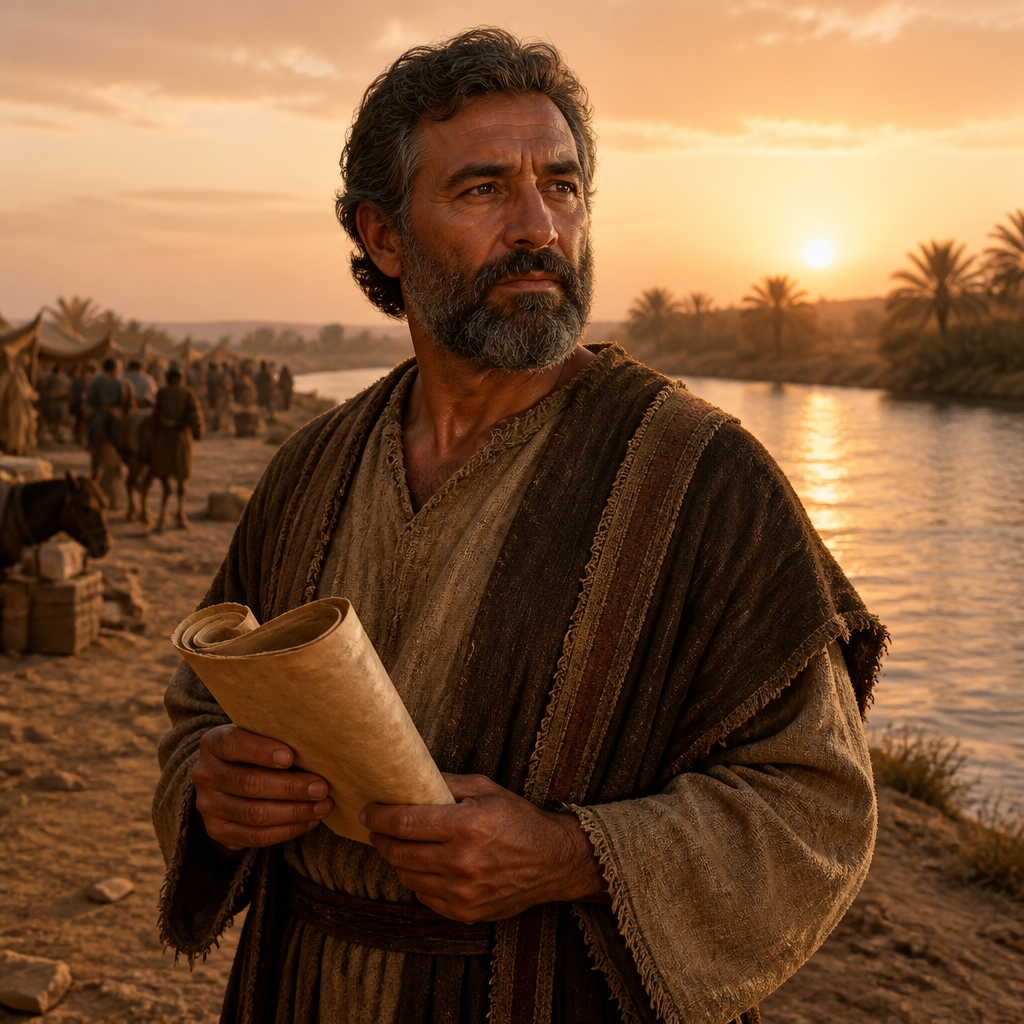
Zechariah son of Bebai
Son
Ezra
Leader of the return mission
Categories
Mentions by Book
- Ezra1
Family & Relationships
Child
Ezra 8:11
Others Named Bebai
Bebai, Patriarch of an Exilic ClanEzra 2:11
The ancestral head of a large family of Jewish exiles who returned to Jerusalem from Babylon under Zerubbabel and Ezra.
Bebai, Signer of the CovenantNehemiah 10:15
A Jewish leader who acted as a representative for his people by signing the formal covenant to follow God's law during the reforms of Nehemiah.