Adiel, Priest of the Post-Exilic Period
A priest of the tribe of Levi and descendant of Immer whose family served in Jerusalem following the return from Babylonian exile.
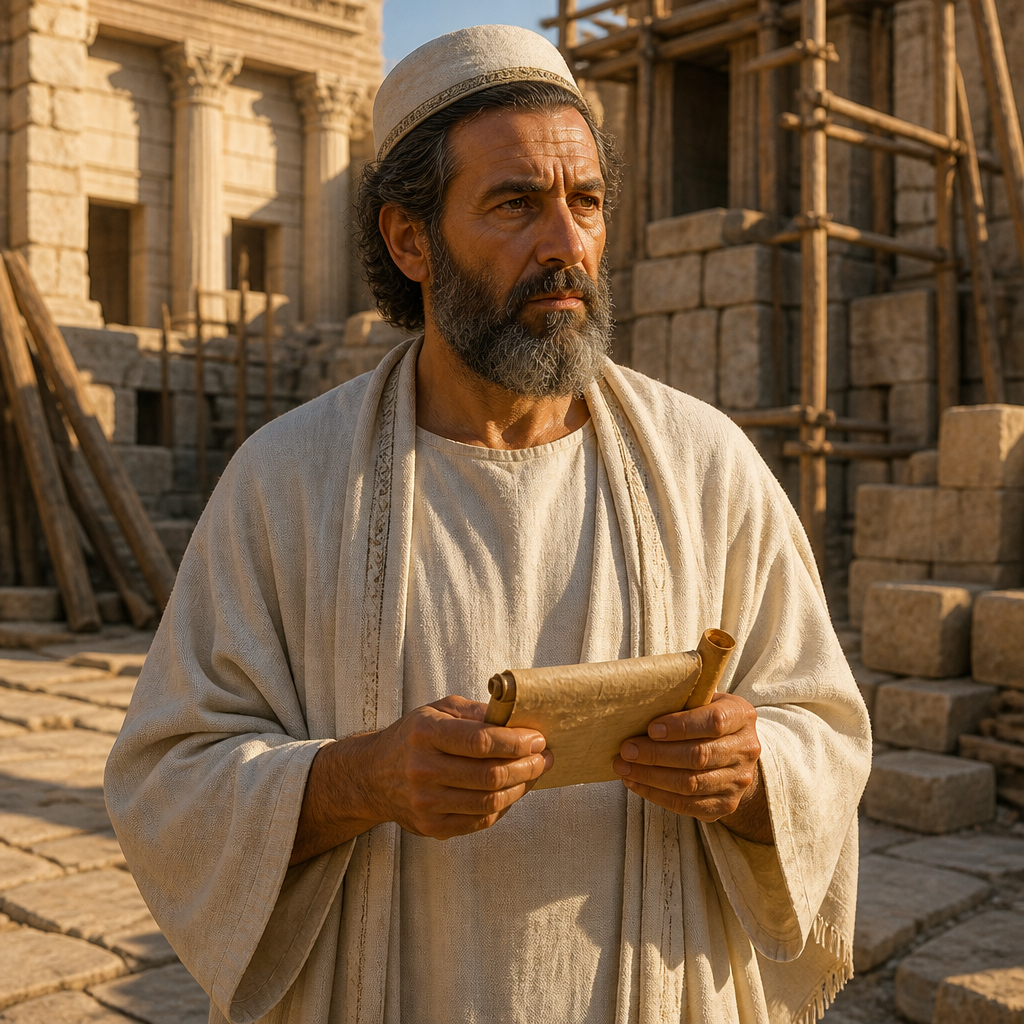
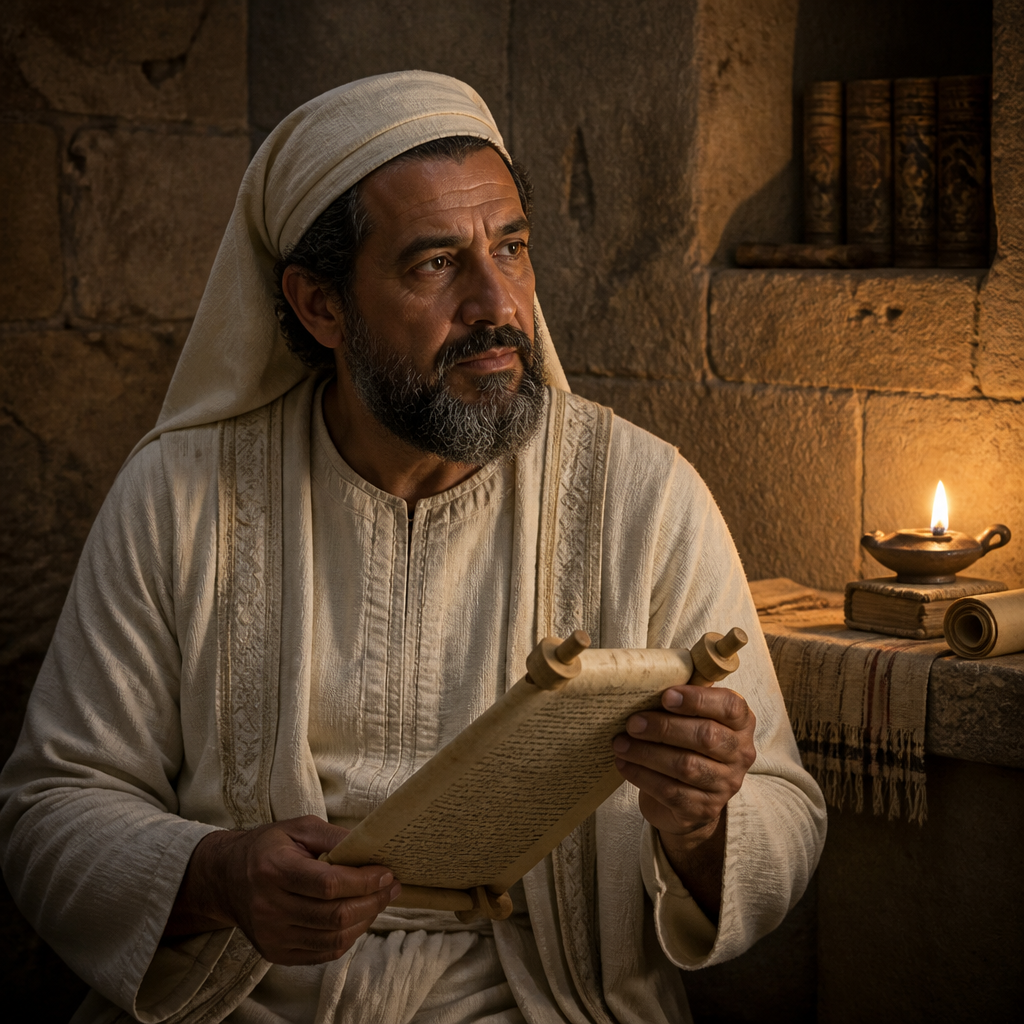
Adiel was a member of the Aaronic priesthood belonging to the tribe of Levi. He lived during the critical era of the Exile and Return, a period marked by the restoration of the Jewish people to their ancestral homeland and the rebuilding of the Second Temple in Jerusalem. As a descendant of the house of Immer, Adiel belonged to one of the twenty-four priestly divisions established for temple service.
While Adiel himself is primarily a transitional figure in the genealogical records, his lineage is significant for documenting the continuity of the Levitical order. His inclusion in the registers of 1 Chronicles and Nehemiah serves to validate the religious authority of his descendants who performed sacred duties in the post-exilic community.
Background and Family
Adiel was the son of Jahzerah (also rendered as Ahzai in some manuscripts) and a member of the influential priestly family of Immer. The Immerite line was one of the major divisions of the priesthood, noted elsewhere in the biblical record as returning with Zerubbabel from Babylon (Ezra 2:37).
Adiel is specifically identified as the father of Maasai (alternatively called Amashai in Nehemiah 11:13). This family line is traced back through several generations: Adiel, son of Jahzerah, son of Meshullam, son of Meshillemith (or Meshillemoth), and finally to Immer. These detailed records were essential for the post-exilic community to ensure that those serving in the Temple were of legitimate Aaronic descent, as prescribed by the Mosaic Law.
Major Life Events
The biblical record does not provide narrative details regarding Adiel’s personal actions, but his life is situated within the context of the "Exile and Return." He represents the generation that preserved the priestly heritage during the transition from the Babylonian captivity to the resettlement of Jerusalem. According to the lists in 1 Chronicles 9 and Nehemiah 11, his descendants were among the "leaders of families" who resided in Jerusalem rather than the outlying villages. This suggests a family of significant status tasked with the immediate oversight of the restored cultic life of the nation.
Relationship to Other Biblical Figures
Adiel’s primary relationship in the text is to his son, Maasai (Amashai). Maasai is recorded as one of the valiant men and leaders who assisted in the resettlement of Jerusalem. The text notes that these men were responsible for the work of the house of God and were accounted among the 242 priestly leaders who took up residence in the city during the time of Nehemiah. Adiel, therefore, stands as the link between the older generations of the exile and the active ministry of the Second Temple period.
Spiritual Significance
Although Adiel is mentioned briefly, his place in the genealogy is of profound spiritual and historical importance. In the post-exilic world, identity and legitimacy were tied to one’s ancestry. By recording Adiel’s name, the chronicler emphasizes the faithfulness of God in preserving the line of the priesthood despite seventy years of captivity in a foreign land. Adiel signifies the "bridge" that allowed the sacrificial system to be legally and spiritually reinstated according to the ancient traditions of Israel. His presence in the text reinforces the theme that every individual in the genealogy serves as a necessary link in the chain of God's redemptive history.
Spiritual Significance
Adiel serves as a crucial genealogical link in the post-exilic restoration of the priesthood. His inclusion in the records of 1 Chronicles and Nehemiah confirms the legitimacy of the priests who oversaw the spiritual revival of Jerusalem, ensuring that the service of the Second Temple remained in the hands of the divinely appointed family of Aaron.
Frequently Asked Questions
Which priestly family did Adiel belong to?
Adiel belonged to the family of Immer, which was one of the twenty-four priestly divisions responsible for temple service.
Who was Adiel's son?
Adiel's son was Maasai (also referred to as Amashai in Nehemiah 11:13), who was a leader among the priests in Jerusalem.
In which books of the Bible is this Adiel mentioned?
This Adiel is mentioned in the genealogical lists found in 1 Chronicles 9:12 and Nehemiah 11:13.
What is the meaning of the name Adiel?
The name Adiel is Hebrew for 'Ornament of God' or 'Witness of God'.
Connected Figures
Categories
Mentions by Book
- 1 Chronicles1
- Nehemiah1
Family & Relationships
Others Named Adiel
Adiel, Father of Azmaveth1 Chronicles 27:25
Adiel was the father of Azmaveth, the high-ranking official overseeing King David's royal storehouses during the Divided Monarchy period.
Adiel, Simeonite of the Divided Monarchy1 Chronicles 4:36
A prominent prince or leader within the tribe of Simeon during the Divided Monarchy who is recorded in the genealogical records of the Chronicler.