Gamaliel, Leader of Manasseh
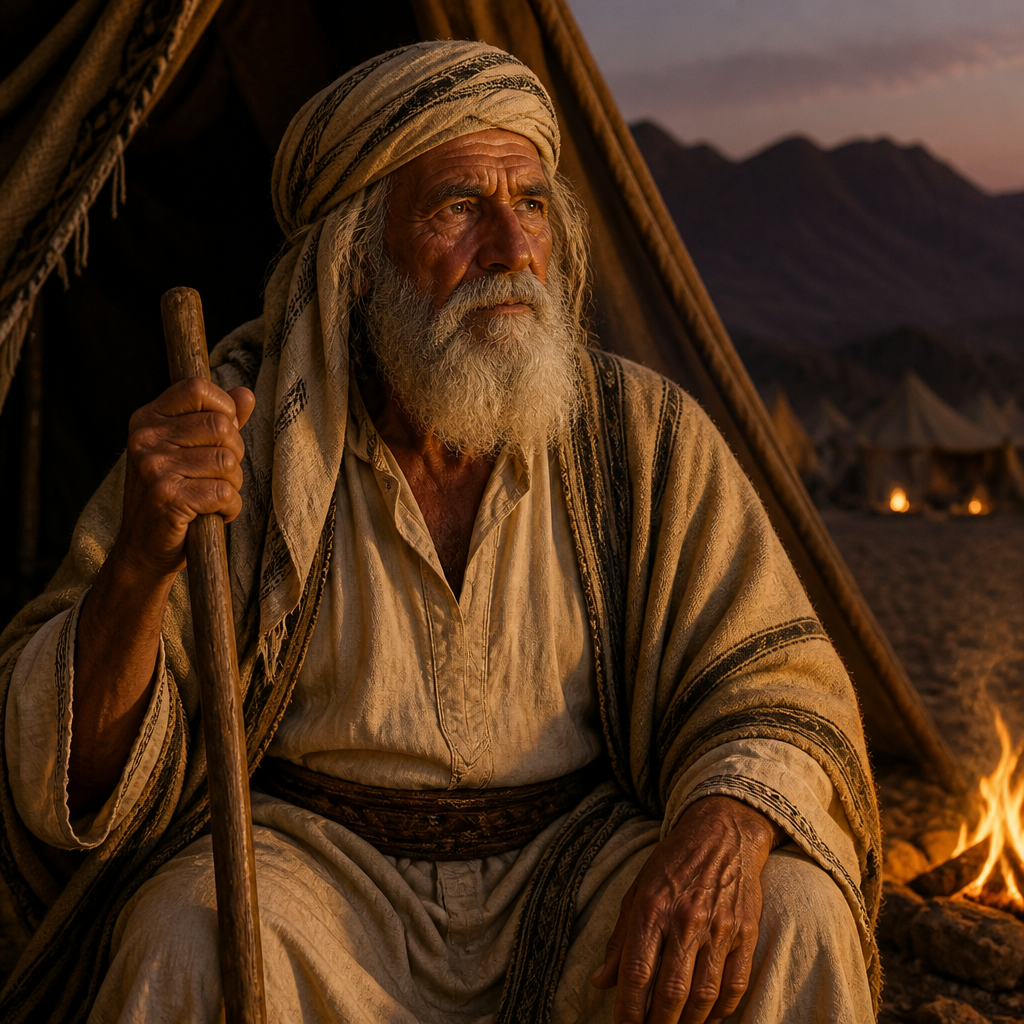
Gamaliel son of Pedahzur was the tribal leader (nasi) of the tribe of Manasseh during the Israelites' wilderness wanderings following the Exodus from Egypt.
Gamaliel, son of Pedahzur, served as the formal head and prince of the tribe of Manasseh during the crucial transitional period of the Exodus and the wilderness wanderings. His name, which means "Reward of God" or "God has dealt bountifully," reflects the providential hope of the Israelites as they moved toward the Promised Land. As a descendant of Joseph, Gamaliel represented one of the two half-tribes that formed the Josephite inheritance.
Historically, Gamaliel is recorded as a key administrative figure who assisted Moses and Aaron in the organization of the Hebrew camp. His role involved military oversight, logistical management of the tribal offerings, and ensuring the orderly movement of the Manassites as the tabernacle was transported through the desert of Sinai.
Background and Family
Gamaliel was the son of Pedahzur and a prominent member of the tribe of Manasseh. Manasseh was the firstborn son of Joseph, though according to the patriarchal blessing of Jacob, the tribe often functioned in tandem with the tribe of Ephraim. By the time of the Exodus (c. 1446 BC), the tribe of Manasseh had grown into a significant military and social unit. Gamaliel appears in the biblical record as the designated nasi—a term often translated as "prince," "leader," or "chief"—representing the collective interests of his kinsmen before Moses and Yahweh.
Major Life Events
Gamaliel’s primary biblical footprint is found in the administrative and liturgical records of the book of Numbers. He first appears in Numbers 1:10 during the first census conducted in the Wilderness of Sinai. He was specifically selected by name to assist Moses and Aaron in numbering the men of Manasseh who were twenty years old and upward, fit for military service.
Following the census, the tribal camp was organized by divine decree. Gamaliel was responsible for the positioning of the Manassites. According to Numbers 2:20, the tribe of Manasseh was assigned to camp on the west side of the Tabernacle, positioned next to the tribe of Ephraim and the tribe of Benjamin. When the camp moved, Gamaliel was the commander over the division of the tribe of Manasseh (Numbers 10:23).
One of the most significant recorded acts involving Gamaliel occurred during the dedication of the Tabernacle. In Numbers 7, the leaders of the twelve tribes brought offerings to the Lord over a period of twelve days. Gamaliel presented his offering on the eighth day. His contribution was identical in value and type to the other leaders, symbolizing the unity and equal standing of the tribes. The offering included:
One silver plate weighing a hundred and thirty shekels, and one silver sprinkling bowl weighing seventy shekels... both filled with fine flour mixed with oil for a grain offering; one gold dish weighing ten shekels, filled with incense; one young bull, one ram, and one male lamb a year old, for a burnt offering; one male goat for a sin offering; and for the sacrifice of a peace offering, two oxen, five rams, five male goats, and five male lambs a year old. (Numbers 7:54-59)
Relationship to Other Biblical Figures
Gamaliel operated under the direct authority of Moses and Aaron. As a leader of the Josephite line, he worked closely with Elishama son of Ammihud (the leader of Ephraim) and Abidan son of Gideoni (the leader of Benjamin). Collectively, these three leaders oversaw the western camp of Israel. While the text does not record personal dialogue between Gamaliel and these figures, his inclusion in the lists of leaders indicates a high level of trust and communal responsibility.
Spiritual Significance
Although the biblical record provides few details regarding Gamaliel’s personal character, his role as a nasi during the dedication of the Tabernacle highlights the theme of stewardship and order. He represents the transition of the Israelites from a group of liberated slaves into a structured nation organized around the presence of God. His participation in the sacrificial system underscores the importance of tribal representation in the worship of Yahweh. The specific mention of his name and lineage serves to validate the tribal identity of Manasseh within the covenant community of Israel.
Spiritual Significance
Gamaliel serves as a primary example of tribal leadership and divine organization during the Exodus. His inclusion in the census and the dedication of the Tabernacle demonstrates that God dealt with Israel not just as a mass of people, but as a structured assembly of families and tribes, each with recognized heads. The meticulous recording of his specific offerings in the book of Numbers emphasizes the value God places on the individual contributions of leaders toward the communal worship and maintenance of the sanctuary.
Frequently Asked Questions
Which tribe did Gamaliel lead?
Gamaliel was the leader (nasi) of the tribe of Manasseh, which was one of the two tribes descended from the sons of Joseph.
Who was Gamaliel's father?
Gamaliel was the son of Pedahzur.
What was Gamaliel's role during the Exodus?
He was a tribal chief responsible for counting the military-aged men of his tribe, leading his tribe's division during marches, and presenting offerings for the dedication of the Tabernacle.
Where did Gamaliel and his tribe camp in the wilderness?
The tribe of Manasseh, under Gamaliel's leadership, was assigned to camp on the West side of the Tabernacle.
On which day did Gamaliel present his offering for the Tabernacle?
Gamaliel presented his tribal offering on the eighth day of the dedication ceremony.