Amariah, Son of Hebron
Who was Amariah, Son of Hebron, in the Bible?
A Levite of the clan of Kohath and the second son of Hebron, recorded during the organization of the sanctuary service.
This is one of 9 people named Amariah in the Bible. See all 9 →
Amariah was a Levite during the era of the Egypt and Wilderness sojourn, belonging to the prominent Kohathite clan. As the second son of Hebron, he occupied a specific place within the genealogical records that defined the service and identity of the tribe of Levi. His name, which means 'the LORD has spoken' or 'promised by the LORD,' reflects the spiritual heritage of his family line.
Amariah is exclusively mentioned in the genealogical tallies of 1 Chronicles. These records, while brief, were essential for establishing the legitimacy of the Levitical divisions that would later serve in the Tabernacle and the Temple. He represents a generation that bridged the transition from the tribal structure in Egypt to the formalized priestly system established in the wilderness under Moses and Aaron.
Background and Family
Amariah was the son of Hebron and the grandson of Kohath, who was one of the three sons of Levi. This lineage placed Amariah in the Kohathite division, which was historically assigned the most sacred duties regarding the transport and care of the Tabernacle's holy objects. According to the genealogical records in 1 Chronicles 23:19 and 24:23, Amariah was the second of four brothers: Jeriah (the firstborn), Jahaziel (the third), and Jekameam (the fourth).
His father, Hebron, was the brother of Amram, Izhar, and Uzziel. This makes Amariah a first cousin to Moses, Aaron, and Miriam. Despite this close proximity to the central leadership of Israel, the biblical text focuses on Amariah’s position within the internal hierarchy of the Hebronite clan rather than personal exploits.
Major Life Events
There are no narrative events recorded in Scripture specifically detailing the personal life or deeds of Amariah. Instead, his presence in the biblical canon is entirely within the context of the Davidic reorganization of the Levites. In 1 Chronicles 23, King David, nearing the end of his reign, sought to organize the Levites into divisions to ensure orderly service in the future Temple. The record looks back to the established families of the wilderness era to validate these divisions.
Amariah is listed again in 1 Chronicles 24 during the casting of lots to determine the order of service for the various Levitical families. His inclusion ensures that the Hebronites—and specifically the line of the second son—maintained their recognized standing and specific responsibilities within the broader ecclesiastical structure of Israel.
Relationship to Other Biblical Figures
Amariah’s identity is defined primarily by his relationship to his father, Hebron, and his older brother, Jeriah. In both mentions in the Book of Chronicles, the order of the brothers is strictly maintained: Jeriah, Amariah, Jahaziel, and Jekameam. This suggests a fixed social and religious order within the Kohathite clan.
As a descendant of Kohath, Amariah was part of a group that held a unique status among the Levites. While the descendants of Aaron (also Kohathites) were the priests, the remaining Kohathites, including Amariah’s family, served as the primary assistants in the most sacred tasks of the sanctuary.
Spiritual Significance
The spiritual significance of Amariah lies in the concept of biblical order and the preservation of identity. While he is a "minor figure" in terms of narrative weight, his inclusion in the sacred text underscores the biblical theme that every individual within the covenant community has a designated place and purpose.
In the context of the Chronicler’s work, Amariah serves as a link in the chain of continuity. By documenting men like Amariah, the biblical record demonstrates that the worship of the LORD was not a spontaneous or disorganized affair but was rooted in specific families chosen and preserved through the generations from the time of the Exodus through the establishment of the Monarchy.
Amariah’s primary significance is genealogical and structural. As a Kohathite Levite, he represents the administrative and ritual continuity of the tribe of Levi. His name appears in the records used to organize the Tabernacle and Temple service, ensuring that the legacy of the Hebronites was preserved according to the divine mandates given in the wilderness.
Theologically, his presence in the text affirms the importance of ancestry and the meticulous nature of the Levitical system. Even without a recorded narrative of personal deeds, his inclusion in the 'sons of Hebron' provides a window into the familial divisions that supported the religious life of Israel during its formative years.
Frequently Asked Questions
Who was Amariah’s father?
Amariah was the son of Hebron, who was the son of Kohath and grandson of Levi.
What tribe did Amariah belong to?
Amariah belonged to the tribe of Levi, specifically the Kohathite division.
How many brothers did Amariah have?
Amariah had three brothers: Jeriah, Jahaziel, and Jekameam.
What does the name Amariah mean?
The name Amariah (Hebrew: Amaryahu) means 'Yahweh has spoken' or 'promised by Yahweh.'
Where is this specific Amariah mentioned in the Bible?
He is mentioned in 1 Chronicles 23:19 and 1 Chronicles 24:23.
Family & Relationships
Parents
 Hebron, Son of KohathFather1 Chronicles 23:19Stated
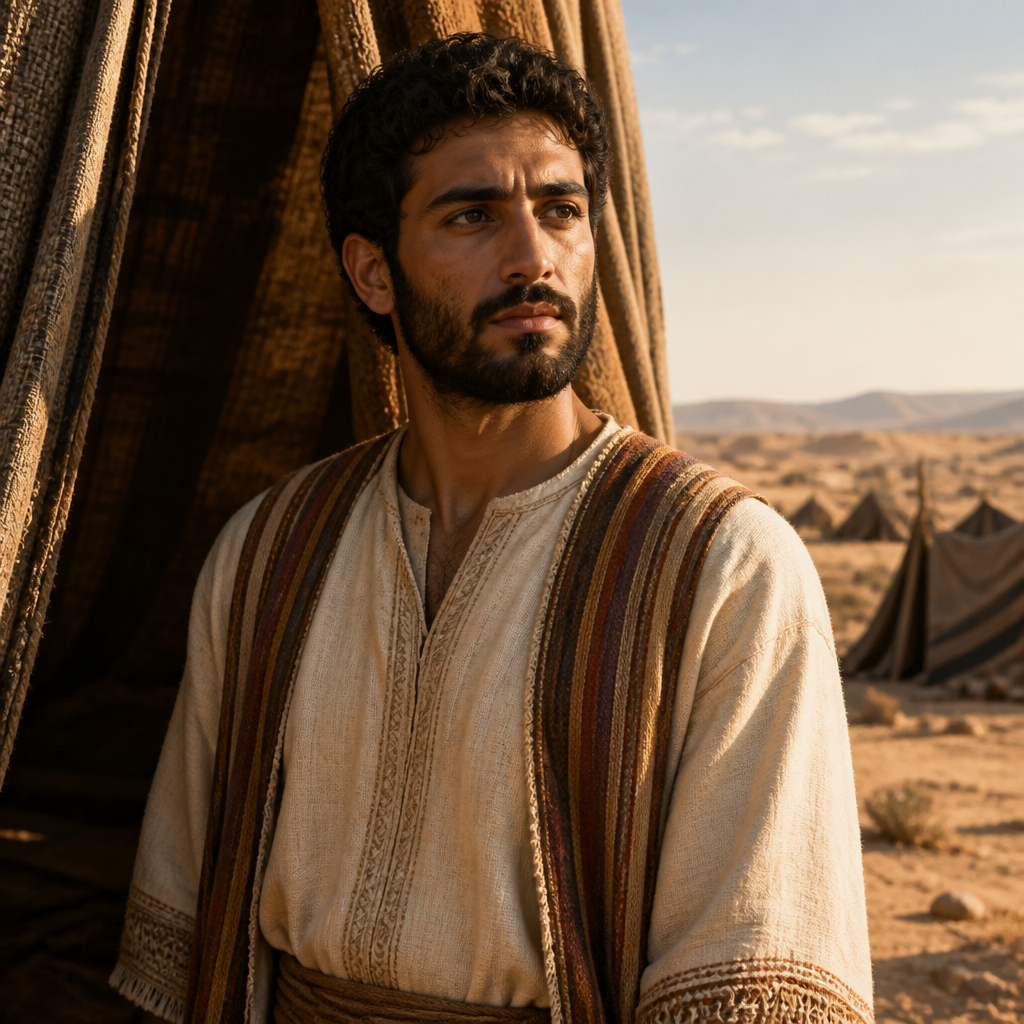 Amariah, Son of HebronThis page
 Jahaziel, Levite of the Egypt and Wilderness EraBrother1 Chronicles 23:19Stated
 JekameamBrother1 Chronicles 23:19Stated
 JeriahBrother1 Chronicles 23:19Stated
Extended family
 KohathGrandfather1 Chronicles 23:19
Inferred
Reconstructed through Hebron: Exodus 6:18 ties Kohath to Hebron; 1 Chronicles 23:19 ties Hebron to Amariah. No verse states the grandson link between Kohath and Amariah directly.Evidence: 1 Chronicles 23:19; Exodus 6:18
Connected Figures
Family
Father · 1 Chronicles 23:19
A Levite of the Kohathite clan and the son of Kohath, he founded the Hebronite family that served in administrative and religious roles through the reign of King David.
Egypt and WildernessFirst: Exodus 6:189 versesLevite / Clan FounderLevi
Brother · 1 Chronicles 23:19
A Levite of the clan of Hebron who served during the organization of the Tabernacle and the priestly divisions under King David's chronicled history of the Kohathites.
Egypt and WildernessFirst: 1 Chronicles 23:193 versesLevite head of a father's houseLevi
Brother · 1 Chronicles 23:19
Jekameam was a Levite of the Kohathite clan, serving as the fourth son of Hebron during the organizational transition of the wilderness era and early monarchy.
Egypt and WildernessFirst: 1 Chronicles 23:192 versesLevite MinisterLevi
Brother · 1 Chronicles 23:19
The firstborn son of Hebron and a prominent Levite leader within the Kohathite clan during the era of the Egypt and Wilderness transition.
Egypt and WildernessFirst: 1 Chronicles 23:192 versesLevite LeaderLevi
Grandfather · 1 Chronicles 23:19
Kohath was the second son of Levi and the patriarchal ancestor of the Kohathites, the Levite clan responsible for transporting the most holy objects of the Tabernacle.
Egypt and WildernessFirst: Genesis 46:1123 versesPatriarch of the Kohathite clanLevi
Categories
Mentions by Book
- Exodus1
- 1 Chronicles2
Scripture References
All 3 indexed verses, in canonical order, from the Berean Standard Bible.
Exodus · 1
- Exodus 6:18Partial
The sons of Kohath were Amram, Izhar, Hebron, and Uzziel. Kohath lived 133 years.
Cited as evidence on a family card; added so References, Key Verses and Mentions by Book share one index.
1 Chronicles · 2
- 1 Chronicles 23:19
The sons of Hebron: Jeriah was the first, Amariah the second, Jahaziel the third, and Jekameam the fourth.
- 1 Chronicles 24:23
From the sons of Hebron: Jeriah was the first, Amariah the second, Jahaziel the third, and Jekameam the fourth.
Others Named Amariah
Compare all 9 bearers →Amariah, Assistant to Kore2 Chronicles 31:15
A Levite priest during the reign of King Hezekiah who assisted in the distribution of tithes and offerings to fellow priests.
Amariah, Levite of the Ancestral Line1 Chronicles 6:11
A Levite priest of the high-priestly line during the Divided Monarchy, identified as the son of Azariah and father of Ahitub.
Amariah, Priest of the United Monarchy1 Chronicles 6:7
A Levite priest of the high-priestly line of Eleazar during the era of the conquest and the judges, serving as the father of Ahitub and grandfather of Zadok.
Amariah, Returnee in Ezra 10Ezra 10:42
Amariah was a Jewish returnee from the Babylonian exile during the time of Ezra who was identified as one of the men who had married a foreign woman.
Amariah, Ancestor of AthaiahNehemiah 11:4
Amariah was a descendant of Perez and Judah whose lineage produced key leaders who resettled Jerusalem following the Babylonian exile.
Amariah, Chief Priest of Jehoshaphat2 Chronicles 19:11
The high priest under King Jehoshaphat who presided over the supreme court in Jerusalem for all matters pertaining to the LORD.
Amariah, Great-Grandfather of ZephaniahZephaniah 1:1
Amariah was a descendant of King Hezekiah and the great-grandfather of the prophet Zephaniah during the Divided Monarchy.
Amariah, Priest of the Post-Exilic ReturnNehemiah 10:3
A prominent priest who returned from the Babylonian exile and signed the solemn covenant with Nehemiah in Jerusalem.