Ahihud, Leader of Asher
Ahihud, son of Shelomi, was a tribal leader from the tribe of Asher chosen to oversee the distribution of the Promised Land among the Israelites.
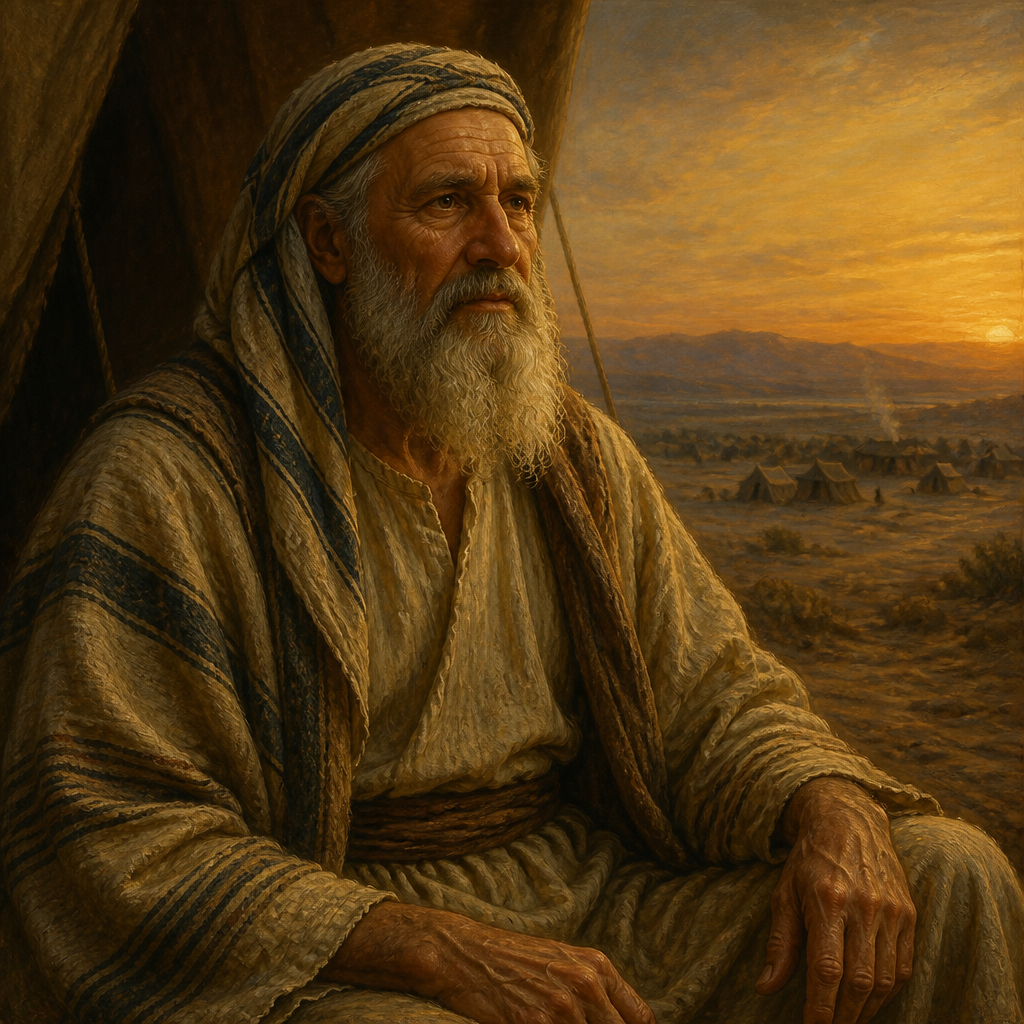
Ahihud was a prominent leader within the tribe of Asher during the final stages of the Israelite wilderness wanderings. As the son of Shelomi, he is specifically identified by Yahweh through Moses as one of the elite officials tasked with a sacred administrative duty: the equitable division of the land of Canaan among the tribes of Israel.
His role emerged at a critical juncture in the history of the Exodus and Conquest. While many of the first-generation leaders who departed Egypt perished in the wilderness, Ahihud represents the transition to the new generation ready to settle the land. His inclusion in the biblical record underscores the organized, legalistic nature of the land allotment as a divine decree rather than a chaotic seizure of territory.
Background and Family
Ahihud appears in the biblical narrative during the stationary period on the plains of Moab, shortly before the Israelites crossed the Jordan River. He is explicitly identified as the son of Shelomi. While the biblical text provides no further details regarding Shelomi’s life or career, the name Ahihud itself, meaning "brother of majesty" or "friend of honor," suggests a lineage of significant standing within the tribe of Asher.
As a representative of the tribe of Asher, Ahihud belonged to the group of tribes that would eventually settle in the fertile coastal and highland regions of western Galilee. His family's heritage was rooted in the survival of the wilderness sojourn, emerging from the trials of the desert to lead their kinsmen into the promised inheritance.
Major Life Events
The sole recorded event involving Ahihud is his divine appointment in Numbers 34. As the Israelites prepared to enter Canaan, God instructed Moses to select a group of men who would work alongside Eleazar the priest and Joshua son of Nun to divide the land by inheritance. Ahihud was the specific prince (nāśî’) chosen to represent the interests and territorial claims of the tribe of Asher.
This appointment was not merely political but carried significant religious weight. The division of the land was conducted through the casting of lots, a process believed to reveal the direct will of God. Ahihud’s presence ensured that the distribution was witnessed, validated, and executed according to the divine boundaries established in the preceding verses of Numbers 34.
Relationship to Other Biblical Figures
Ahihud functioned as a peer to the other tribal leaders listed in Numbers 34, such as Caleb son of Jephunneh (representing Judah) and Hanniel son of Ephod (representing Manasseh). He operated under the supreme authority of Joshua, the military successor to Moses, and Eleazar, the High Priest. This collaborative effort highlighted the synergy between the military, the priesthood, and the tribal leadership in the founding of the nation of Israel.
Spiritual Significance
Although the biblical record of Ahihud is brief, his significance lies in the concept of divine stewardship. He was a "prince" or "leader" (nāśî’) who served as a guardian of his people's future. His role in the land distribution demonstrates that in the biblical worldview, physical territory was viewed as a gift from God that required righteous administration. Ahihud stands as a representative of the faithful second generation of the Exodus, those who inherited the promises their fathers had forfeited through lack of faith.
Spiritual Significance
Ahihud’s significance is primarily administrative and representative. He serves as a witness to the fulfillment of the Abrahamic covenant regarding the land of Canaan. By being named in the census of leaders, he validates the legitimacy of the tribe of Asher's land claims, ensuring that the inheritance was distributed fairly and under divine supervision. Physically and historically, he represents the transition from a nomadic people to a settled nation.
Frequently Asked Questions
Which tribe did Ahihud belong to?
Ahihud was a leader and representative of the tribe of Asher.
Who was Ahihud's father?
Ahihud was the son of Shelomi.
What was Ahihud's primary role in the Bible?
He was appointed by God to help Eleazar the priest and Joshua son of Nun divide the land of Canaan among the tribes of Israel.
In which book of the Bible is Ahihud mentioned?
Ahihud is mentioned exclusively in the Book of Numbers, specifically in chapter 34.
Connected Figures
Categories
Mentions by Book
- Numbers1
Family & Relationships
Parent
Numbers 34:27
Others Named Ahihud
Ahihud, Son of Gera1 Chronicles 8:7
Ahihud was a member of the tribe of Benjamin and a descendant of the patriarch Ehud, listed within the genealogical records of 1 Chronicles.