Shelomi
Who was Shelomi in the Bible?
Shelomi was the father of Ahihud, a tribal leader from the tribe of Asher who was appointed to help divide the land of Canaan among the Israelites.
Shelomi is a figure mentioned in the Book of Numbers within the context of the Israelite journey through the wilderness and the subsequent preparation for the settlement of the Promised Land. He is identified specifically as the father of Ahihud, who served as the prince or leader (nasi) of the tribe of Asher during the late Mosaic period.
While Shelomi himself does not appear as an active participant in the narrative, his inclusion in the genealogical records of the Pentateuch serves to establish the lineage and legitimacy of his son. His name, derived from the Hebrew root meaning 'peace' or 'complete,' reflects a common naming convention among the Israelites during the Egyptian Sojourn and the Exodus era.
Background and Family
Shelomi appears in the biblical record during the final stages of the Israelite wanderings in the wilderness, specifically as the Israelites camped on the plains of Moab by the Jordan across from Jericho. The text identifies him solely through his son, Ahihud, in the administrative lists provided to Moses by Yahweh.
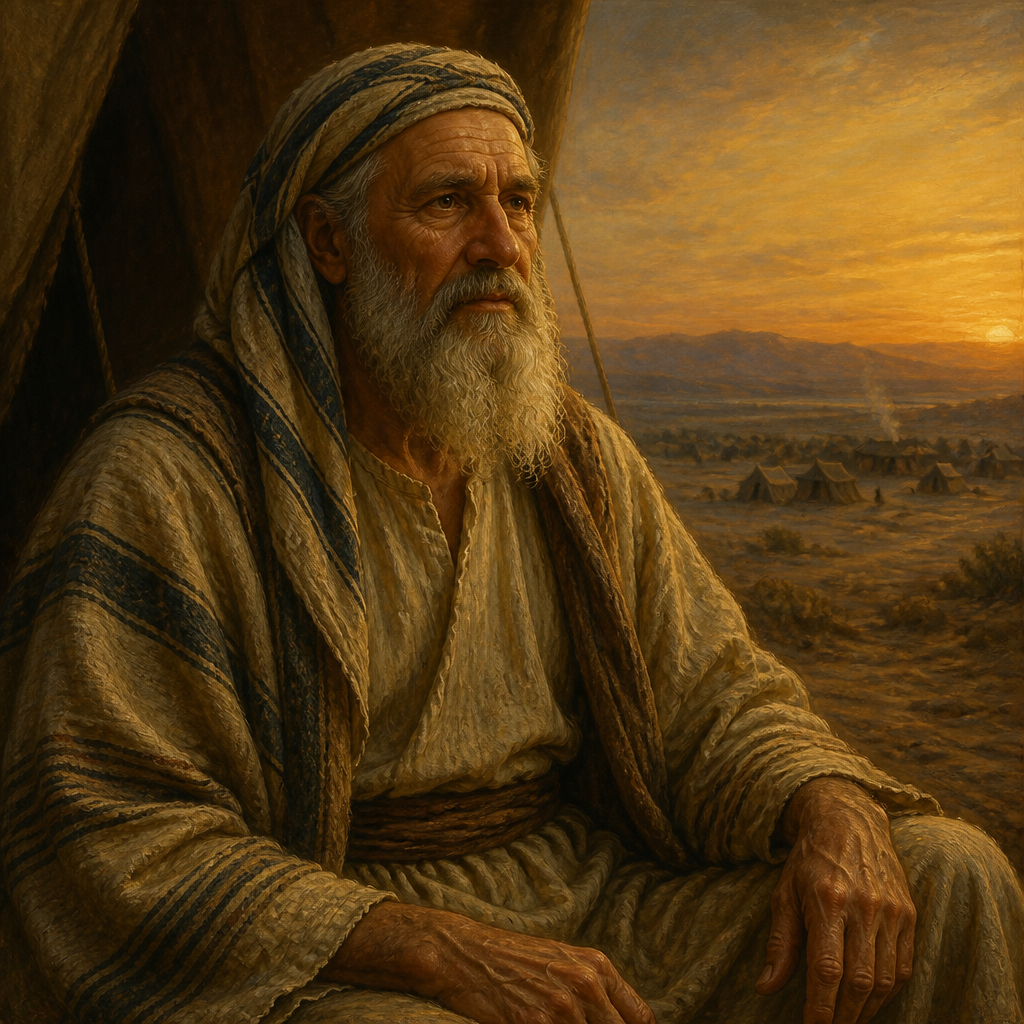
Shelomi was a member of the tribe of Asher, one of the northern tribes descended from the son of Jacob and Zilpah. As the father of a 'leader' (Hebrew: nasi), Shelomi likely held a position of respect or elder status within his clan, though the biblical text does not explicitly detail his personal achievements or his specific experiences during the years of the Exodus from Egypt.
Major Life Events
Because Shelomi is mentioned only once in the Bible (Numbers 34:27), there are no recorded major life events attributed to him directly. His significance is tied to the timing of his mention. The context is the divine appointment of commissioners who were tasked with the formal distribution of the land of Canaan among the nine and a half tribes that were to settle west of the Jordan River.
Shelomi would have lived through the transition from the generation that left Egypt to the generation that was prepared to enter the Promised Land. Given that his son was a leader during the entry into Canaan, Shelomi represents the link between the wilderness period and the conquest of the land.
Relationship to Other Biblical Figures
The primary relationship recorded for Shelomi is his paternity of Ahihud. In the tribal structure of Israel, the role of a nasi (leader or prince) was vital for maintaining order and ensuring the equitable distribution of resources. By naming Shelomi as the father of Ahihud, the text provides a standard genealogical anchor, which was essential for the legal and religious requirements of land inheritance in Israelite law.
Spiritual Significance
In the broader theological framework of the Book of Numbers, Shelomi represents the faithfulness of God’s promise to sustain the tribes of Israel. Though he is a minor figure, his presence in the census and administrative lists underscores the biblical emphasis on individual and familial identity within the covenant community. The mention of his name ensures that the lineage of the leaders of Asher was preserved in the sacred record, highlighting that every family played a role in the realization of the inheritance promised to Abraham, Isaac, and Jacob.
Shelomi serves as a genealogical link in the tribal history of Asher. His mention in Numbers 34 is part of a specific divine decree regarding the administrative transition of Israel from a nomadic people to a settled nation. By providing the lineage of Ahihud, the text validates the authority of the men chosen to oversee the division of the Promised Land, ensuring that the process was rooted in established tribal structures.
His name, which relates to 'peace' or 'recompense,' adds to the thematic element of the Book of Numbers, where a new generation rises to take what the previous generation lost through unbelief. Shelomi is part of the infrastructure of the nation of Israel as it prepared to cross the Jordan and establish a permanent home.
Frequently Asked Questions
Who was Shelomi in the Bible?
Shelomi was an Israelite from the tribe of Asher and the father of Ahihud, the leader chosen to help divide the land of Canaan.
In which book of the Bible is Shelomi mentioned?
Shelomi is mentioned only in the Book of Numbers, specifically in Numbers 34:27.
What tribe did Shelomi belong to?
Shelomi belonged to the tribe of Asher.
What does the name Shelomi mean?
The name Shelomi (H8015) is derived from a Hebrew root meaning 'peaceful' or 'my peace.'
Did Shelomi enter the Promised Land?
The Bible does not state whether Shelomi himself entered Canaan; it only records that his son, Ahihud, was a leader during the land's distribution.
Family & Relationships
 ShelomiThis page
Children
 Ahihud, Leader of AsherSonNumbers 34:27Stated
Connected Figures
Family
Son · Numbers 34:27
Ahihud, son of Shelomi, was a tribal leader from the tribe of Asher chosen to oversee the distribution of the Promised Land among the Israelites.
Egypt and WildernessFirst: Numbers 34:271 versesland administratorAsher
Categories
Mentions by Book
- Numbers1
Scripture References
All 1 indexed verse, in canonical order, from the Berean Standard Bible.
Numbers · 1
- Numbers 34:27
Ahihud son of Shelomi, a leader from the tribe of Asher;