Zichri, Father of Amasiah
Who was Zichri, Father of Amasiah, in the Bible?
Zichri was a man of the Divided Monarchy whose son, Amasiah, was a prominent military commander and a willing volunteer for the Lord under King Jehoshaphat of Judah.
This is one of 12 people named Zichri in the Bible. See all 12 →
Zichri was a Judean figure living during the Divided Monarchy, specifically during the reign of King Jehoshaphat (c. 873–848 BC). While Zichri is not recorded as holding a formal military or religious office himself, he is immortalized in the biblical record through the character and achievements of his son, Amasiah.
The mention of Zichri occurs within the administrative and military tallies of 2 Chronicles, a book focused on the spiritual and political restoration of the Davidic line. As the father of a high-ranking official who led 200,000 men, Zichri represents the generational continuity of faith and service that characterized the peak of Jehoshaphat’s righteous reign over Judah.
Background and Family
Zichri appears in the biblical narrative within the genealogical and military records of King Jehoshaphat’s administration. He is identified exclusively as the father of Amasiah. During this era of the Divided Monarchy, Judah experienced a period of significant military fortification and spiritual reform. The text places Zichri within the context of the tribe of Judah’s military structure, though his personal tribal affiliation is inferred by his son’s placement among the commanders of Judah rather than Benjamin.
Major Life Events
While the Chronicler does not provide specific details regarding Zichri’s personal actions or career, his legacy is defined by the service of his son, Amasiah. According to 2 Chronicles 17:16, Amasiah was one of the chief captains under King Jehoshaphat. The text highlights a unique distinction for this family: Amasiah is described as one who "willingly offered himself unto the Lord."
In the context of the Divided Monarchy, this suggests that Zichri raised a son who prioritized spiritual devotion alongside professional military excellence. Amasiah commanded a massive force of 200,000 "mighty men of valor," a testament to the influence and status Zichri’s household held within the kingdom of Judah. The administrative lists in this chapter are intended to show the strength of Judah when the people were aligned with Yahweh, and Zichri’s son stands as a primary example of this alignment.
Relationship to Other Biblical Figures
Zichri’s primary relationship is with his son, Amasiah. He is positioned in the text alongside other great commanders of the era, such as Adnah, Jehohanan, Eliada, and Jehozabad. These men formed the upper echelon of Jehoshaphat’s defense forces. By being named as the father of Amasiah, Zichri is linked to the broader reforms of Jehoshaphat, a king noted for removing high places and sending Levites to teach the Law throughout the land.
Spiritual Significance
The spiritual significance of Zichri lies in the biblical principle of heritage. In the Hebrew tradition, the naming of a father in a military census often serves to bestow honor upon the patriarch for the deeds of the son. The fact that Amasiah is singled out as a "volunteer for the Lord" reflects favorably on Zichri’s household. During a time when the Northern Kingdom of Israel was frequently lapsing into idolatry, Zichri’s family remained integrated into the faithful remnant of Judah, contributing both their physical strength and their willing hearts to the service of God and the Davidic king.
Zichri is significant as the patriarchal head of a family that exemplified the 'volunteer spirit' during one of Judah's most prosperous spiritual eras. His inclusion in the text serves the Chronicler's purpose of documenting the specific individuals who contributed to the strength and stability of the God-fearing kingdom under Jehoshaphat.
His son’s designation as a volunteer suggests that Zichri’s household represented a shift from mandatory conscription to a more devoted, heart-led service to the Lord. This distinction elevates Zichri’s name from a mere genealogical placeholder to the progenitor of a legacy of valor and piety.
Frequently Asked Questions
What does the name Zichri mean?
The name Zichri (זִכְרִי) is derived from the Hebrew root 'zakar,' meaning 'to remember.' It generally translates to 'mindful' or 'remembered' (often implying 'remembered by God').
When did Zichri live?
Zichri lived during the Divided Monarchy, specifically during the early-to-mid 9th century BC, coinciding with the reign of King Jehoshaphat of Judah.
Was Zichri a soldier?
The Bible does not explicitly state Zichri's occupation. However, his son Amasiah was a high-ranking military commander of 200,000 men, suggesting Zichri was part of an influential Judean family.
Which tribe did Zichri belong to?
While not explicitly named, the context of 2 Chronicles 17:16 places his son among the commanders of the tribe of Judah, making it almost certain Zichri was a member of the tribe of Judah.
Is Zichri mentioned in the New Testament?
No, this Zichri is mentioned only in the Old Testament, specifically in the Book of 2 Chronicles.
Family & Relationships
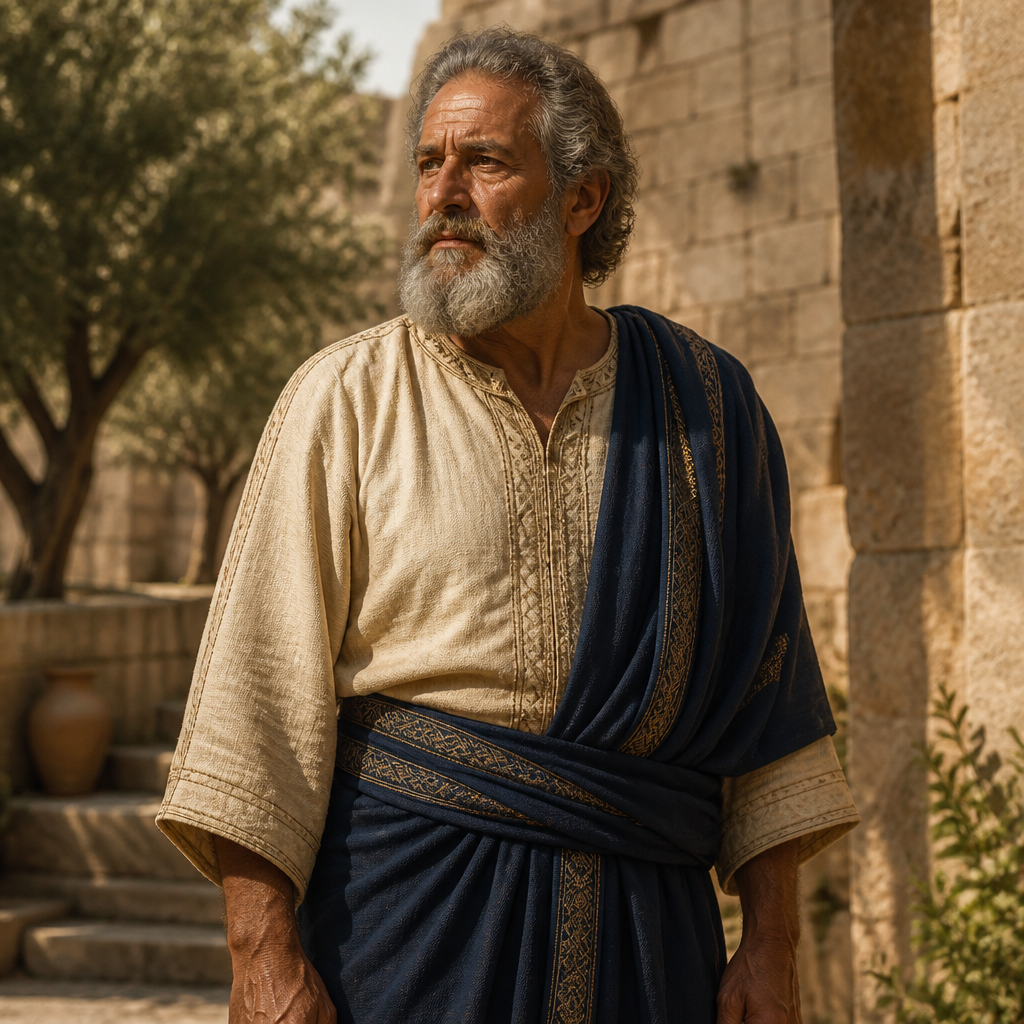 Zichri, Father of AmasiahThis page
Children
 AmasiahSon2 Chronicles 17:16Stated
Connected Figures
Family
Son · 2 Chronicles 17:16
A military commander under King Jehoshaphat who is distinguished for his voluntary and devoted service to the LORD.
Divided MonarchyFirst: 2 Chronicles 17:161 versesMilitary CommanderJudah
Categories
Mentions by Book
- 2 Chronicles1
Scripture References
All 1 indexed verse, in canonical order, from the Berean Standard Bible.
2 Chronicles · 1
- 2 Chronicles 17:16
and next to him, Amasiah son of Zichri, the volunteer for the LORD, and with him 200,000 mighty men of valor.
Others Named Zichri
Compare all 12 bearers →Zichri, Son of Shashak1 Chronicles 8:23
A head of a household within the tribe of Benjamin and a son of Shashak, recorded in the genealogies of the Divided Monarchy period.
Zichri, Son of Jeroham1 Chronicles 8:27
A Benjaminite head of a household and son of Jeroham who lived in Jerusalem during the Divided Monarchy.
Zichri, Levite of the ExodusExodus 6:21
A Levite during the era of the Egyptian sojourn and Exodus, Zichri was the son of Izhar and a brother of the well-known Korah.
Zichri, Levite of the Return1 Chronicles 9:15
A Levite of the line of Asaph whose descendants served as musicians and worship leaders in the post-exilic Jerusalem temple.
Zichri, Priest of the Post-Exilic ReturnNehemiah 12:17
Zichri was a priest and head of the ancestral house of Abijah who served in Jerusalem during the generation of the high priest Joiakim following the return from Babylon.
Zichri, Son of Shimei1 Chronicles 8:19
A Benjamite leader during the Divided Monarchy period, known as one of the nine sons of Shimei listed in the genealogical records of Jerusalem.
Zichri, Mighty Man of Ephraim2 Chronicles 28:7
Zichri was a powerful warrior from the tribe of Ephraim who killed three high-ranking members of King Ahaz's court during the Syro-Ephraimite War.
Zichri, Father of Elishaphat2 Chronicles 23:1
A man of the Divided Monarchy period whose son, Elishaphat, served as a military commander and key ally to Jehoiada the priest during the restoration of the Davidic line.
Zichri, Levite of the United Monarchy1 Chronicles 26:25
A Levite of the Kohathite line through Eliezer who served as a link in the genealogical record of the temple treasurers during the United Monarchy.
Zichri, Parent of JoelNehemiah 11:9
A man of the post-exilic community whose son, Joel, served as a prominent administrative officer over the inhabitants of Jerusalem.
Zichri, Father of Eliezer1 Chronicles 27:16
Zichri was a Reubenite whose son, Eliezer, served as the tribal chief of the Reubenites during the administrative organization of Israel under King David.