Rab-saris, Official of Sennacherib
An Assyrian high official and military commander sent by King Sennacherib to intimidate King Hezekiah during the siege of Jerusalem in the 8th century BC.
The Rab-saris was a high-ranking Assyrian official who served under King Sennacherib during the Divided Monarchy period. He appears in the biblical record as one of the three primary dignitaries dispatched from Lachish to Jerusalem to deliver a message of intimidation to King Hezekiah. Along with the Tartan (commander-in-chief) and the Rabshakeh (chief cupbearer), the Rab-saris represented the overwhelming military might of the Neo-Assyrian Empire during its 701 BC campaign against the Kingdom of Judah.
While the term 'Rab-saris' is treated as a proper name in older English translations, modern scholarship identifies it as a functional title. In the context of the Assyrian court, the title likely refers to the 'Chief of the Eunuchs' or a high-level administrative and military officer. His presence at the walls of Jerusalem underscores the gravity of the Assyrian threat and the psychological warfare employed against the Judean capital.
Background and Family
Regarding the personal background of the Rab-saris, the biblical text offers no genealogical information or personal history. He is defined entirely by his office and his service to the Assyrian monarch, Sennacherib. As an official within the Neo-Assyrian administrative hierarchy, he would have been a member of the king’s inner circle, entrusted with sensitive diplomatic and military missions. The Bible records his presence during a pivotal moment in the Divided Monarchy, specifically during the fourteenth year of King Hezekiah's reign (c. 701 BC).
Major Life Events
The Rab-saris is mentioned in a single, significant event recorded in 2 Kings 18:17. Following the Assyrian capture of several fortified cities in Judah, Sennacherib remained at Lachish while sending a massive military force toward Jerusalem. The Rab-saris was part of the elite trio sent to negotiate—or demand—the city's surrender.
"Nevertheless, the king of Assyria sent the Tartan, the Rabsaris, and the Rabshakeh, along with a great army, from Lachish to King Hezekiah at Jerusalem. They advanced up to Jerusalem and stationed themselves by the aqueduct of the upper pool, on the road to the Launderer’s Field."
Standing at the aqueduct of the upper pool, the Rab-saris and his companions confronted Hezekiah’s representatives. Although the Rabshakeh served as the primary orator during the encounter, the presence of the Rab-saris and the Tartan signaled that this was not merely a diplomatic parley but a formal military summons backed by a 'great army.'
Relationship to Other Biblical Figures
The Rab-saris is directly associated with two other Assyrian officials: the Tartan and the Rabshakeh. Together, they acted as the voice and presence of King Sennacherib. His interaction was directed toward King Hezekiah, though he communicated through Hezekiah’s palace administrator Eliakim, the scribe Shebna, and the recorder Joah.
Spiritual Significance
In the narrative of 2 Kings, the Rab-saris represents the hubris of worldly empires standing in opposition to the sovereignty of Yahweh. His role was to project the inevitability of Judah’s destruction. However, the subsequent biblical account details how the Assyrian threat was neutralized not by Judean military prowess, but by divine intervention. The Rab-saris thus serves as a historical marker of the extreme pressure placed upon Hezekiah’s faith before the miraculous deliverance of Jerusalem.
Spiritual Significance
The inclusion of the Rab-saris in the biblical text serves to document the historical reality and the formal nature of the Assyrian siege. As a high-ranking official, his presence signifies that the threat to Jerusalem was of the highest priority to the Assyrian Empire. Theologically, he is a component of the 'great army' that serves as the foil to Hezekiah's trust in God; his title and station highlight the disparity between the visible power of the Assyrian court and the invisible power of Israel’s God.
His mention provides an authenticating detail of the Neo-Assyrian court structure within the biblical narrative. By recording specific titles like the Rab-saris, the author of 2 Kings aligns the sacred history of Judah with the known administrative realities of the ancient Near East during the Divided Monarchy.
Frequently Asked Questions
What does the name Rab-saris mean?
The name is a transliteration of a title meaning 'Chief of the Eunuchs' or 'Chief Courtier,' indicating a high-ranking official in the Assyrian government.
Was the Rab-saris a soldier or a diplomat?
He likely served as both. In the Assyrian Empire, high court officials often held military commands and were responsible for conducting diplomatic negotiations during sieges.
Which king did the Rab-saris serve?
He served King Sennacherib of Assyria during his campaign against Judah and King Hezekiah.
Where did the Rab-saris confront the Judeans?
He stood by the aqueduct of the upper pool, on the road to the Launderer’s Field, just outside the walls of Jerusalem.
Connected Figures
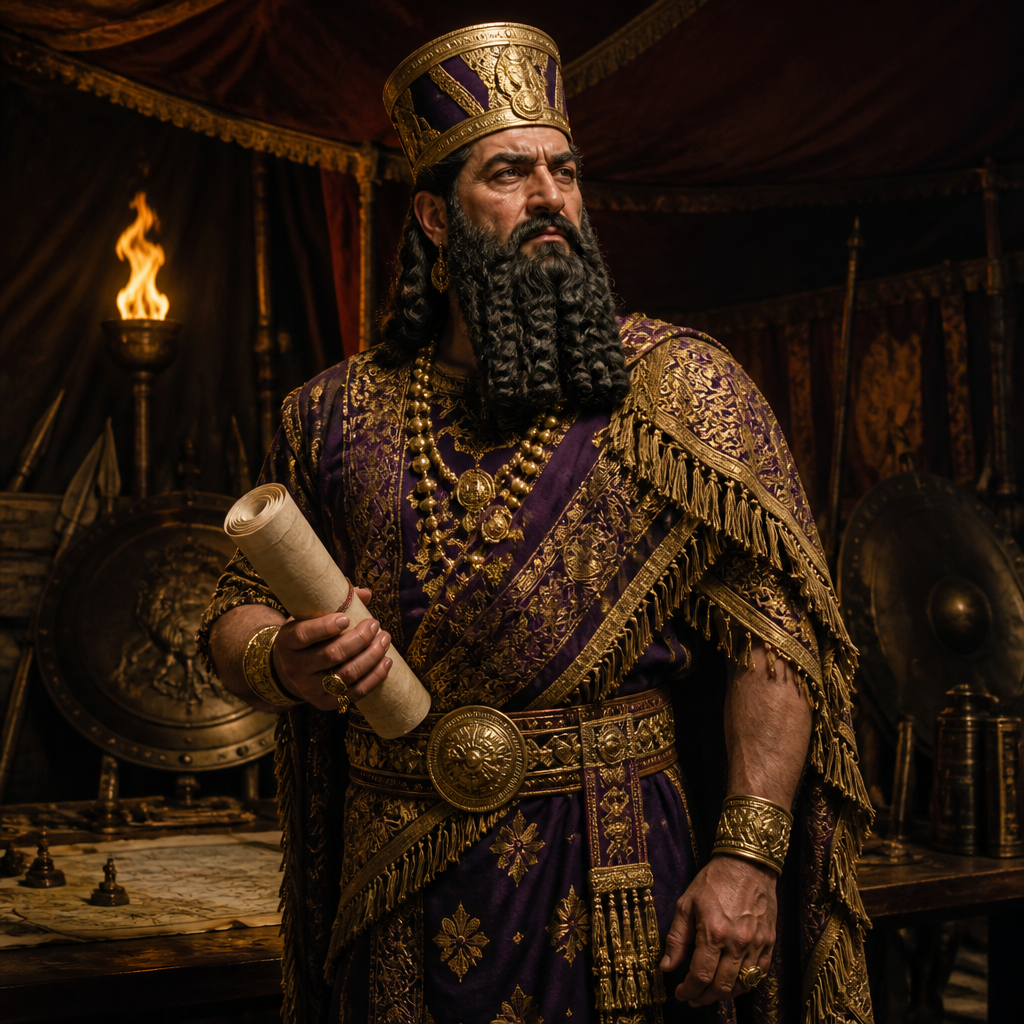
Sennacherib
King and Master
Hezekiah
Target of his mission
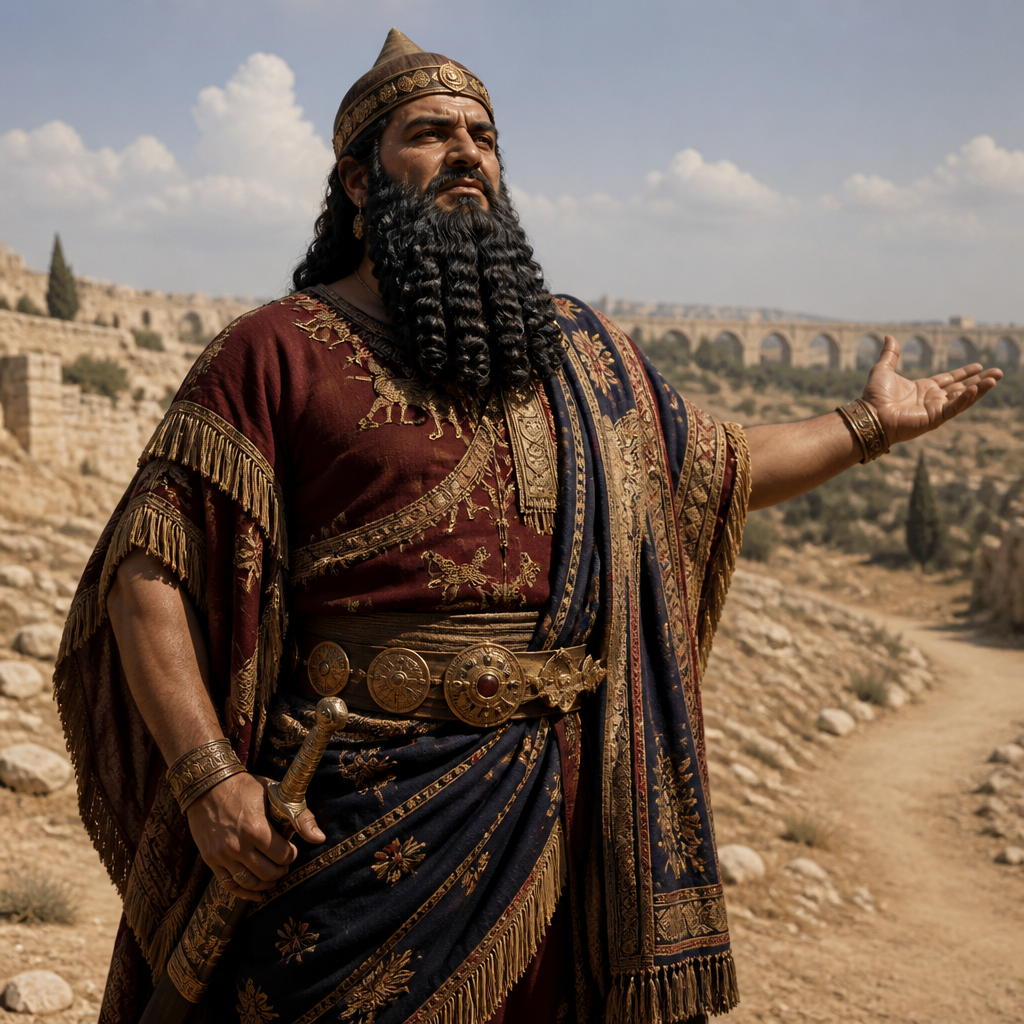
Rabshakeh
Fellow official and messenger
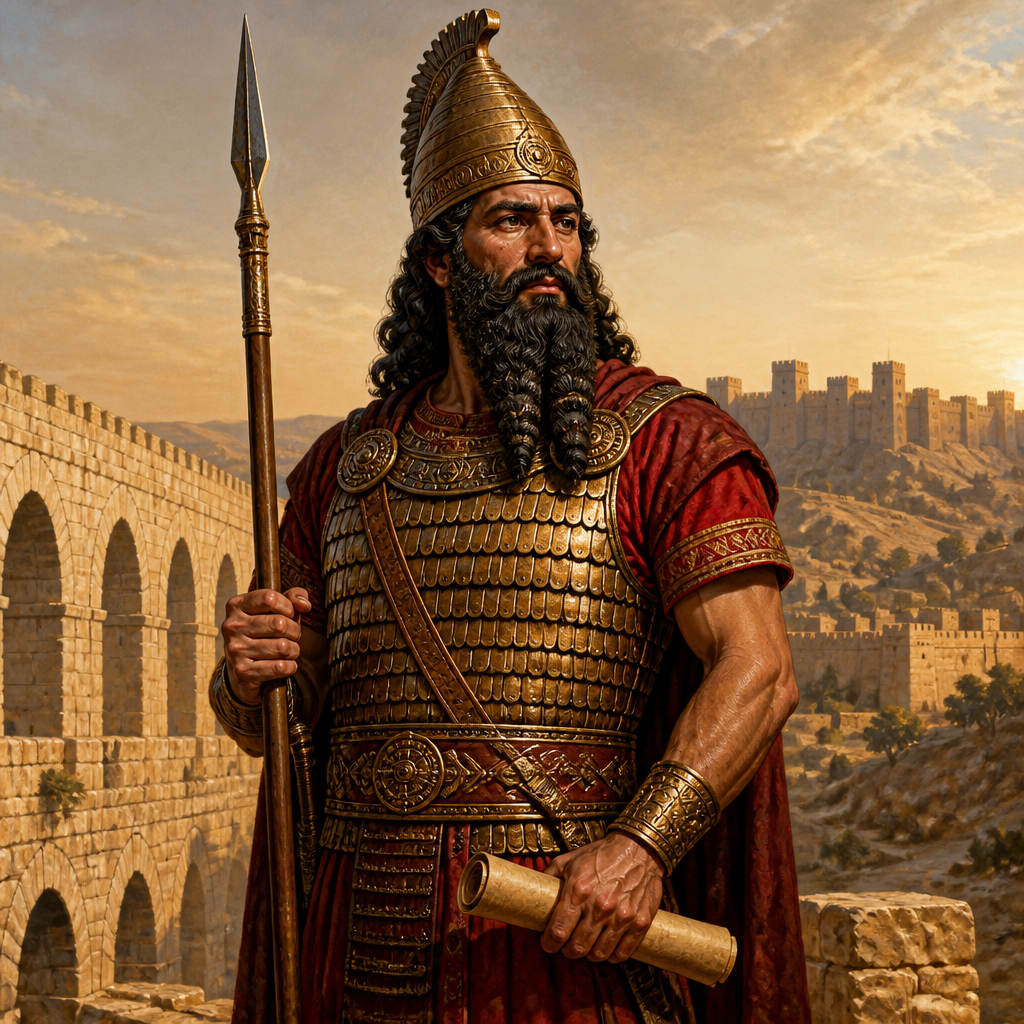
Tartan
Fellow official and commander
Categories
Mentions by Book
- 2 Kings1
Others Named Rab-saris
Rab-saris of the Babylonian ConquestJeremiah 39:3
A high-ranking official and military commander under King Nebuchadnezzar II of Babylon who participated in the final siege and capture of Jerusalem.