Obed, Son of Shemaiah
Obed was a Levite gatekeeper of the Divided Monarchy period, noted for his capability and service within the Korahite division of the temple guard.
Obed was a member of the tribe of Levi who served during the Divided Monarchy. He was a grandson of Obed-edom, the man whose household was famously blessed for housing the Ark of the Covenant. According to the genealogical records of 1 Chronicles, Obed was the son of Shemaiah and belonged to the lineage of Korahites, a group designated with the solemn responsibility of guarding the entrances of the house of the Lord.
His mention in the biblical text is concise, situated within the administrative listings of the temple personnel established to ensure the sanctity and order of the sanctuary. Although he appears in only one verse, the description provided highlights his personal character and his place within a family line known for strength and divine blessing.
Background and Family
Obed served as a gatekeeper during the period of the Divided Monarchy, continuing a long family tradition of Levitical service. He was the son of Shemaiah and one of several brothers, including Othni, Rephael, and Elzabad. The biblical record also notes his brothers Elihu and Semachiah. The family was part of the house of Obed-edom, a lineage that traced its heritage to the Korahites, a prominent clan within the tribe of Levi.
The chronicler emphasizes that the sons of Shemaiah were distinctive for their physical and moral strength. The text specifically refers to Obed and his kinsmen as "capable men," a term derived from the Hebrew gibbor chayil, which often denotes valor, ability, or substantial character. This descriptor suggests that Obed’s role as a gatekeeper was not merely a matter of routine labor but required individuals of high integrity and physical presence.
Major Life Events
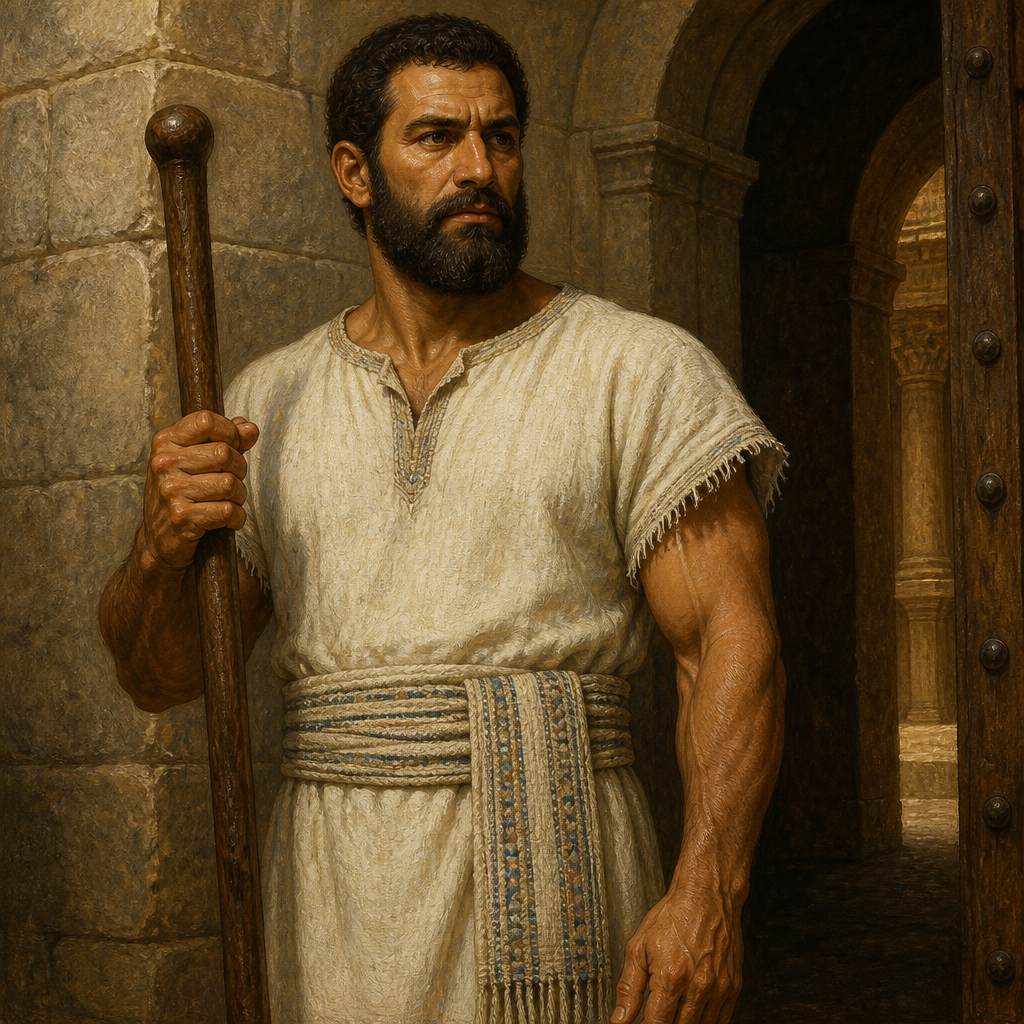
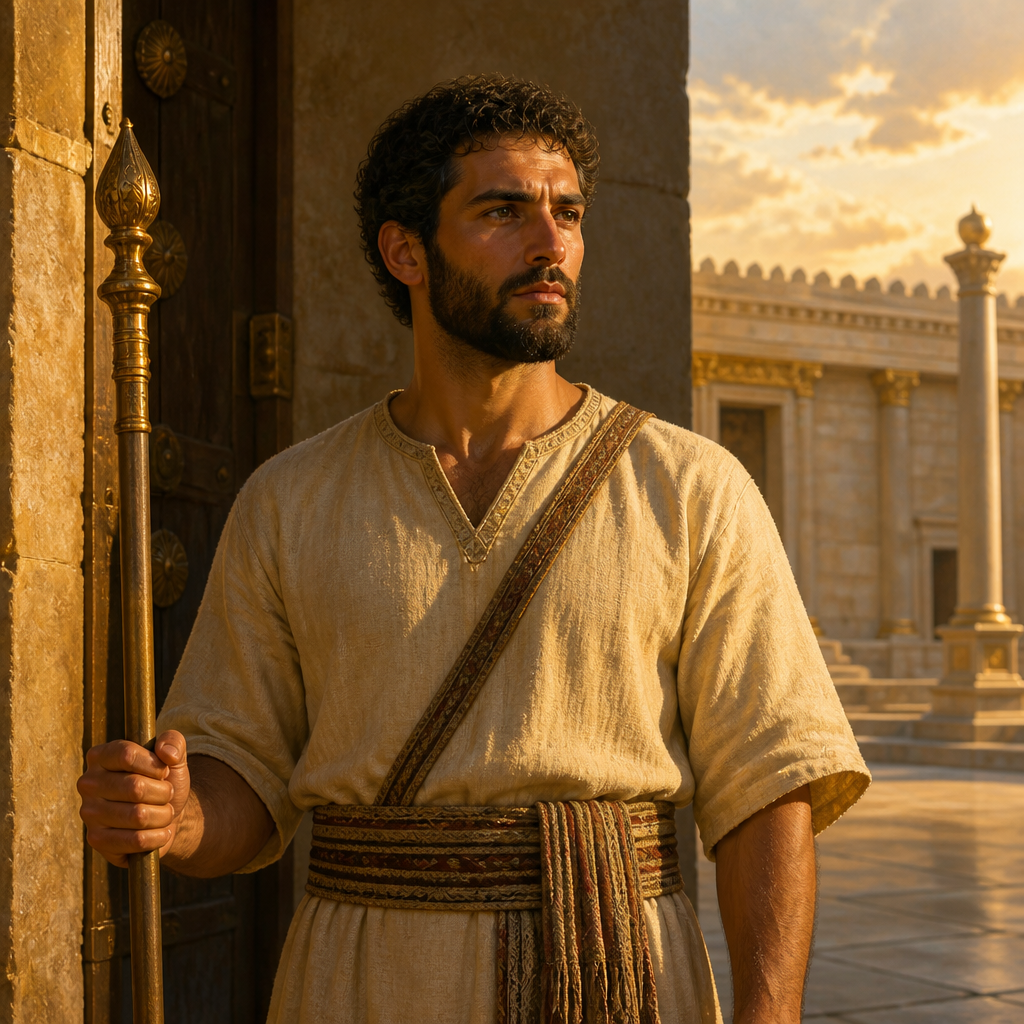
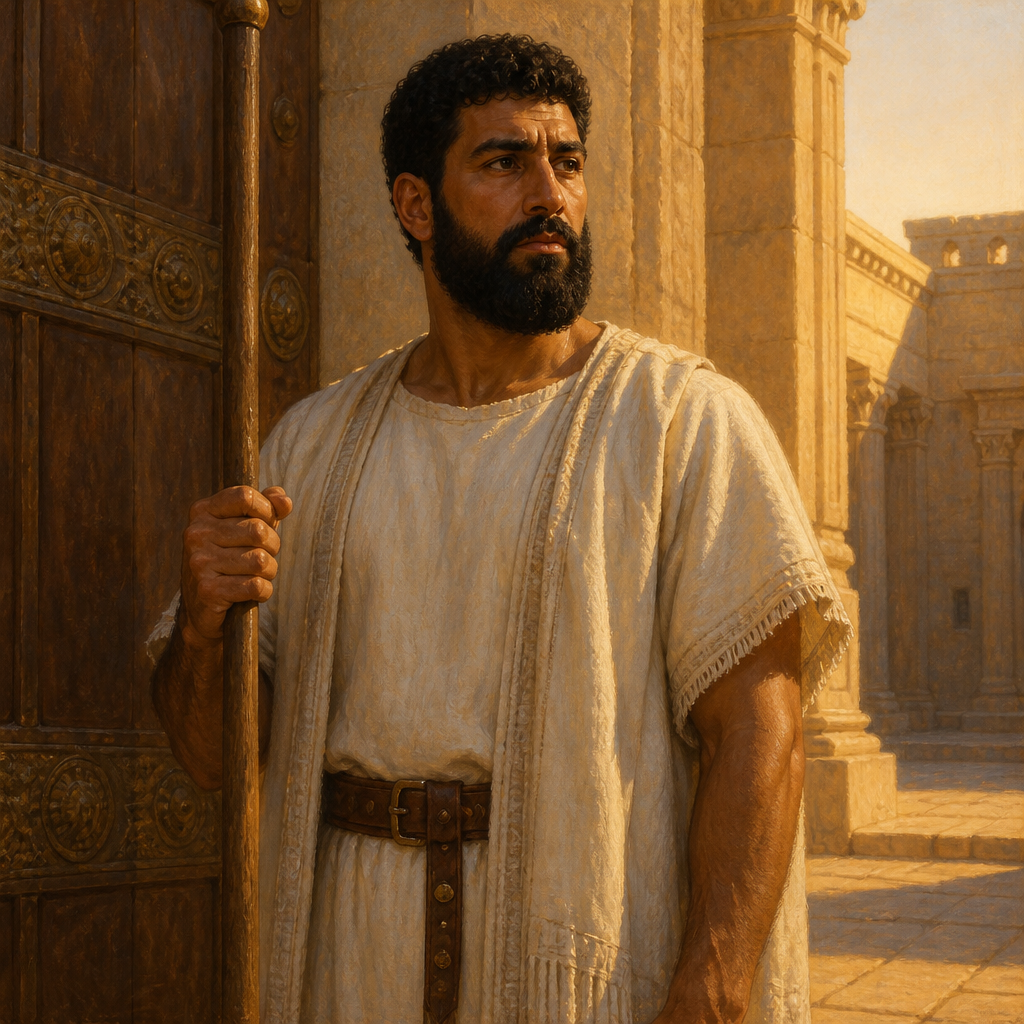
The life of Obed is defined by his appointment to the gatekeeping ministry of the Temple. In the ancient Israelite administrative structure, gatekeepers (or porters) were not merely door-watchers; they were officials charged with guarding the sanctity of the Temple. They monitored who entered the sacred precincts, ensured that ritually unclean persons did not trespass, and protected the Temple treasury and holy vessels.
Obed’s specific duties were organized by lot or by ancestral assignment. As a descendant of Obed-edom, he was part of a family line that God had historically blessed. The record in 1 Chronicles 26:7 confirms his place among the elite group of sixty-two descendants of Obed-edom who were recognized as "able men with the strength to do the work."
Relationship to Other Biblical Figures
Obed’s primary biblical context is defined by his relationship to his father, Shemaiah, and his numerous brothers. The chronicler takes care to list Othni, Rephael, and Elzabad alongside Obed, as well as Elihu and Semachiah. This collective grouping illustrates a household dedicated to religious service. While Obed-edom is the most famous figure in this specific pedigree, Obed represents the continuation of that spiritual legacy into the era of the Divided Monarchy.
Spiritual Significance
The inclusion of Obed in the biblical register underscores the value placed on faithfulness in behind-the-scenes service. While the high priests and kings often dominate the narrative of the Divided Monarchy, figures like Obed represent the essential infrastructure of Israel’s worship. His classification as a "capable man" serves as a biblical archetype for the servant who is reliable, strong, and dedicated to the preservation of the sacred space, fulfilling a generational calling inherited from his ancestors.
Spiritual Significance
Obed’s presence in the genealogies of 1 Chronicles serves to validate the continuity and legitimacy of the Levitical service. By documenting his role and his family's reputation for capability, the text demonstrates that the service of the Temple was staffed by men of high character and divine appointment. His life illustrates the fulfillment of the blessing promised to the house of Obed-edom generations earlier.
Frequently Asked Questions
What tribe did Obed belong to?
Obed was a member of the tribe of Levi, specifically belonging to the Korahite clan.
What was Obed's occupation?
He served as a gatekeeper for the house of the Lord, a role involving the protection and administration of the Temple precincts.
Who was Obed's father?
His father was Shemaiah, who was himself the firstborn son of Obed-edom.
How is Obed described in the Bible?
He is described alongside his brothers as a 'capable man,' indicating he possessed strength, ability, and integrity for his work.
In which book of the Bible is this Obed mentioned?
This specific Obed is mentioned only in 1 Chronicles 26:7.
Connected Figures
Categories
Mentions by Book
- 1 Chronicles1
Family & Relationships
Sibling
1 Chronicles 26:7
Sibling
1 Chronicles 26:7
Sibling
Elzabad, Levite of the Divided Monarchy
1 Chronicles 26:7
Sibling
Elihu, Levite of the Divided Monarchy
1 Chronicles 26:7
Sibling
1 Chronicles 26:7
Sibling
Elihu, Levite of the Divided Monarchy
1 Chronicles 26:7
Sibling
Elzabad, Levite of the Divided Monarchy
1 Chronicles 26:7
Parent
1 Chronicles 26:4
Sibling
1 Chronicles 26:7
Sibling
1 Chronicles 26:7
Sibling
1 Chronicles 26:7
Others Named Obed
Obed, Mighty Man of David1 Chronicles 11:47
A valiant warrior listed among King David’s elite military guard, noted for his service during the transition and establishment of the Divided Monarchy's foundations.
Obed, Descendant of Jarha1 Chronicles 2:37
A member of the tribe of Judah during the Divided Monarchy, Obed was the son of Ephlal and a link in the genealogical line of the Sheshanite clan.
Obed, Son of Boaz and RuthRuth 4:17
Obed was the son of Boaz and Ruth and the grandfather of King David, serving as a vital link in the Davidic line and the genealogy of Jesus Christ.
Obed, Father of Azariah2 Chronicles 23:1
Obed was a man of the tribe of Judah whose son, Azariah, served as a military commander and key conspirator in the successful revolt against the usurper Queen Athaliah.