Elzabad, Levite of the Divided Monarchy
A Levite gatekeeper and son of Shemaiah, noted for his capability and service in the Tabernacle or Temple administration during the Divided Monarchy.
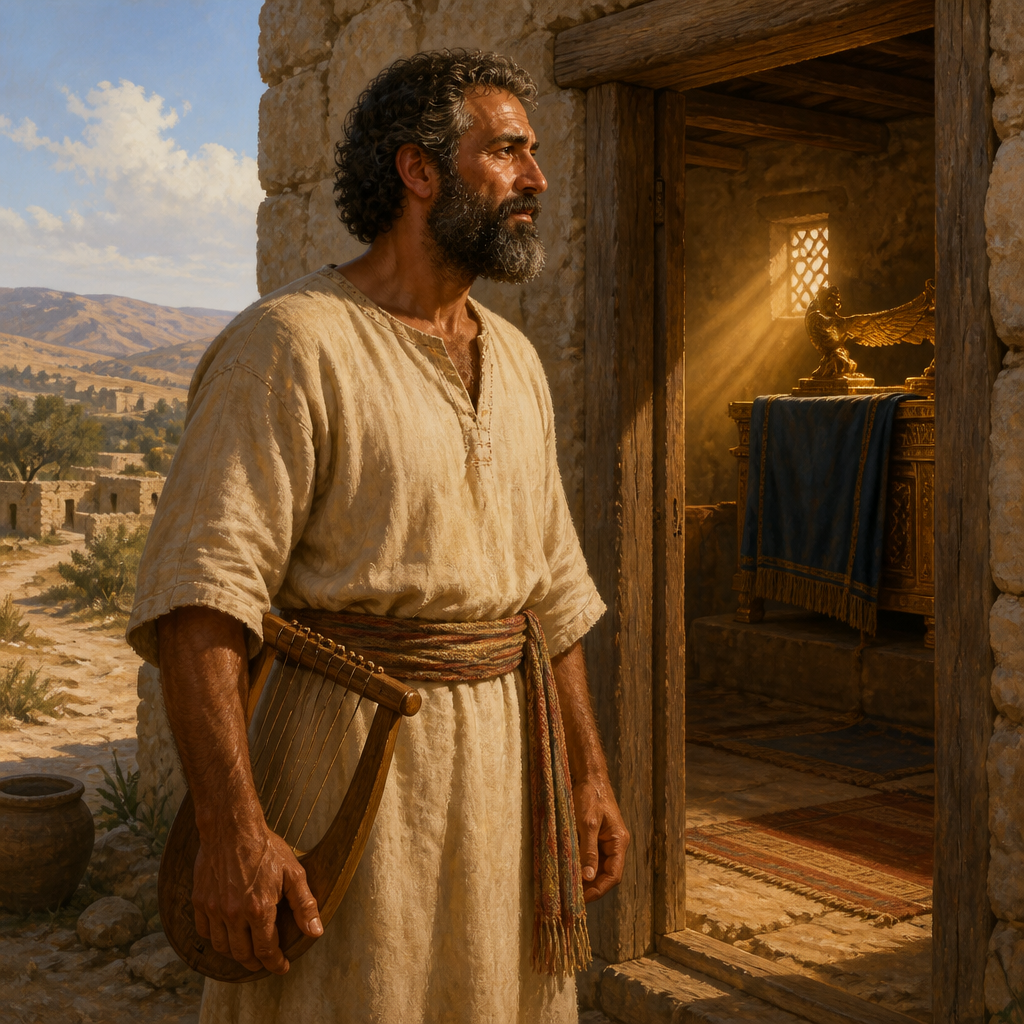
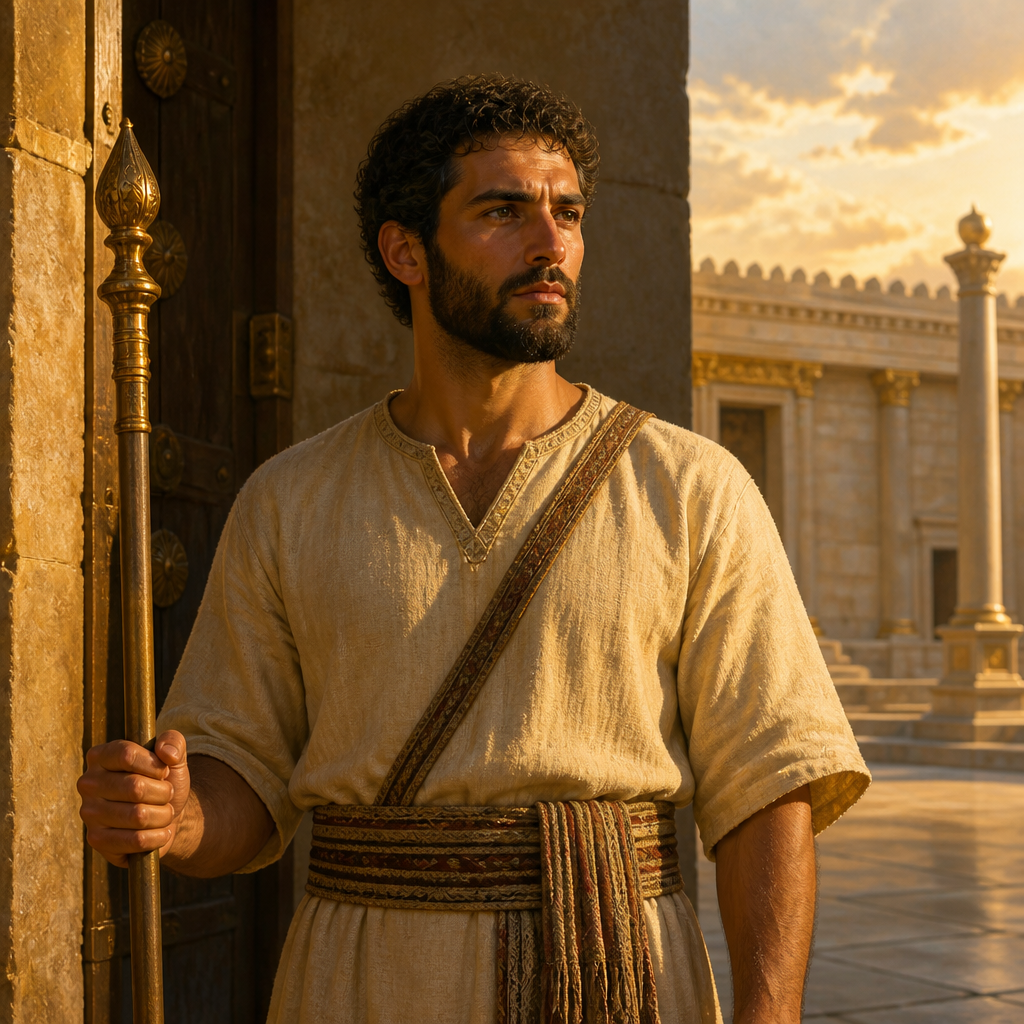
Elzabad was a member of the tribe of Levi, specifically belonging to the prestigious line of the Korahites. He is identified as one of the sons of Shemaiah and a grandson of Obed-edom. During the era of the Divided Monarchy, Elzabad served in the critical role of a gatekeeper (doorkeeper) for the house of the LORD, a position that carried significant responsibility for maintaining the sanctity and security of the religious center.
While his biblical mention is concise, Elzabad is explicitly grouped among men described as "capable" or "able men" (1 Chronicles 26:7). This designation suggests that he possessed the physical strength and moral integrity required to manage the logistics of the sanctuary. His family line was noted for its divine blessing and numerous descendants who served the liturgical and structural needs of Israel's worship life.
Background and Family
Elzabad was born into the Levitical family of Obed-edom, a lineage famously blessed by God for their care of the Ark of the Covenant. Specifically, Elzabad was the son of Shemaiah, the firstborn of Obed-edom. The biblical record in 1 Chronicles 26 lists Elzabad alongside his brothers Othni, Rephael, and Obed, as well as his kinsmen Elihu and Semachiah.
The text emphasizes the strength and vitality of this particular household. The sons of Shemaiah are described as ruling over the house of their father because they were "mighty men of valor" (1 Chronicles 26:6). Within this patriarchal structure, Elzabad occupied a place of honor as one of the direct descendants tasked with upholding the family’s sacred duties.
Major Life Events
The primary record of Elzabad’s life is his appointment and service as a gatekeeper. During the reorganization of the Levites—often attributed to the preparations made by David and continued into the early Divided Monarchy—the gatekeepers were divided into shifts to guard the various entrances of the sanctuary.
Elzabad’s role was not merely that of a watchman but that of an administrative official. The gatekeepers were responsible for the oversight of the treasury, the protection of the sacred vessels, and ensuring that no ritually unclean person or object entered the holy precincts. The inclusion of Elzabad’s name in the genealogical record of 1 Chronicles 26:7 serves as a formal witness to his legitimate standing and active service during this period.
Relationship to Other Biblical Figures
Elzabad is defined largely by his relationship to his father, Shemaiah, and his grandfather, Obed-edom. The Bible notes that Obed-edom was blessed with many children "for God blessed him" (1 Chronicles 26:5). Elzabad was a direct beneficiary of this ancestral legacy. He served alongside a large contingent of relatives; the text notes that sixty-two descendants of Obed-edom were capable men with the strength to serve. This highlights Elzabad’s role as part of a robust family collective dedicated to the service of the Temple.
Spiritual Significance
The spiritual significance of Elzabad lies in the biblical principle of faithful service in "minor" roles. While not a High Priest or a ruling King, Elzabad’s work as a gatekeeper was essential for the orderly worship of God. The Chronicler preserves his name to illustrate that God values those who stand guard over His holiness. Elzabad represents the "capable men" who provided the structural stability necessary for the religious life of the nation during the Divided Monarchy, embodying the sentiment of Psalm 84:10: "I would rather be a doorkeeper in the house of my God than dwell in the tents of the wicked."
Spiritual Significance
Elzabad’s inclusion in the biblical genealogies underscores the importance of the Levitical gatekeepers in preserving the sanctity of the Temple. His life demonstrates the fulfillment of God's blessing upon the house of Obed-edom, showing how divine favor translated into generations of capable, dedicated servants. He stands as an example of the 'mighty men of valor' whose strength was redirected from warfare to the protection and maintenance of the house of the LORD.
Frequently Asked Questions
What does the name Elzabad mean?
The name Elzabad (אֶלְזָבָד) is of Hebrew origin, meaning 'God has given' or 'God has endowed.'
What was Elzabad's specific job in the Bible?
Elzabad was a gatekeeper (or porter) for the house of the LORD, a role that involved guarding the sanctuary and managing its entrances.
Who was Elzabad's father?
Elzabad was the son of Shemaiah, who was himself the firstborn son of Obed-edom.
Which tribe did Elzabad belong to?
Elzabad belonged to the tribe of Levi, specifically the Korahite branch of Levites.
How many times is Elzabad mentioned in the Bible?
This specific Elzabad is mentioned only once, in 1 Chronicles 26:7.
Connected Figures
Categories
Mentions by Book
- 1 Chronicles1
Family & Relationships
Sibling
1 Chronicles 26:7
Sibling
1 Chronicles 26:7
Sibling
1 Chronicles 26:7
Sibling
Elihu, Levite of the Divided Monarchy
1 Chronicles 26:7
Sibling
1 Chronicles 26:7
Sibling
Elihu, Levite of the Divided Monarchy
1 Chronicles 26:7
Parent
1 Chronicles 26:4
Sibling
1 Chronicles 26:7
Sibling
1 Chronicles 26:7
Sibling
1 Chronicles 26:7
Sibling
1 Chronicles 26:7
Others Named Elzabad
Elzabad, Gadite Warrior of the Divided Monarchy1 Chronicles 12:12
A mighty Gadite warrior who crossed the Jordan River at flood stage to join David's army at Ziklag during the Divided Monarchy era.