Obed, Son of Boaz and Ruth
Obed was the son of Boaz and Ruth and the grandfather of King David, serving as a vital link in the Davidic line and the genealogy of Jesus Christ.
Obed was a significant figure within the tribe of Judah during the transition between the Period of the Judges and the United Monarchy. Born in Bethlehem to the wealthy landowner Boaz and the Moabitess Ruth, his birth was celebrated by the local community as a restorative event for his grandmother, Naomi. Although the biblical text provides little detail regarding his personal life or specific deeds, his existence is foundational to the messianic lineage.
His role in the biblical narrative is primarily genealogical and symbolic. As the father of Jesse and the grandfather of King David, Obed stands as a central pillar in the lineage that leads to the establishment of the Israelite monarchy. In the New Testament, he is explicitly named in the genealogies of Jesus recorded by both Matthew and Luke, reinforcing his status as a patriarch in the ancestral heritage of the Messiah.
Background and Family
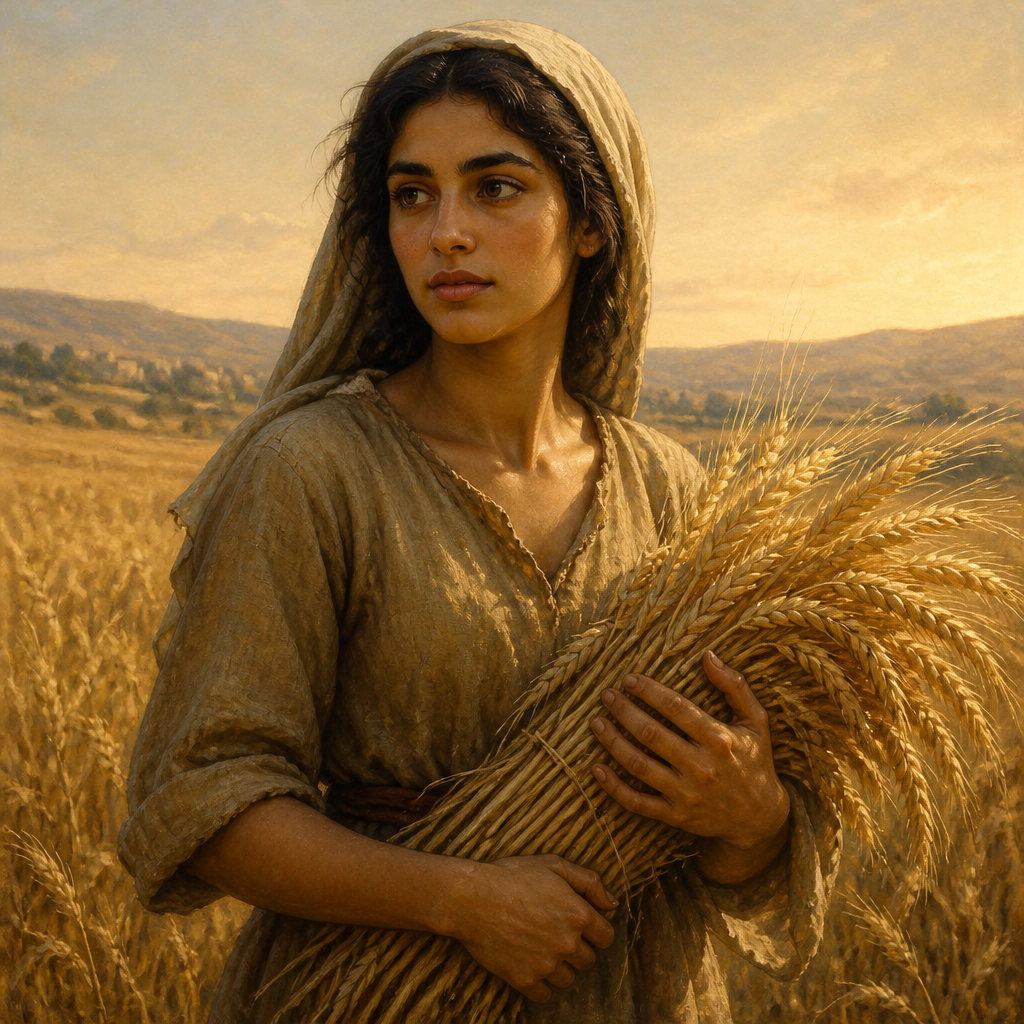
The story of Obed begins in the aftermath of a period of great sorrow and famine. His mother, Ruth, was a Moabite widow who had remained loyal to her mother-in-law, Naomi, after the deaths of Naomi’s husband and two sons. Upon returning to Bethlehem, Ruth met Boaz, a relative of her late husband and a man of high standing. Through the process of levirate-style redemption, Boaz married Ruth to preserve the family name of Elimelech.
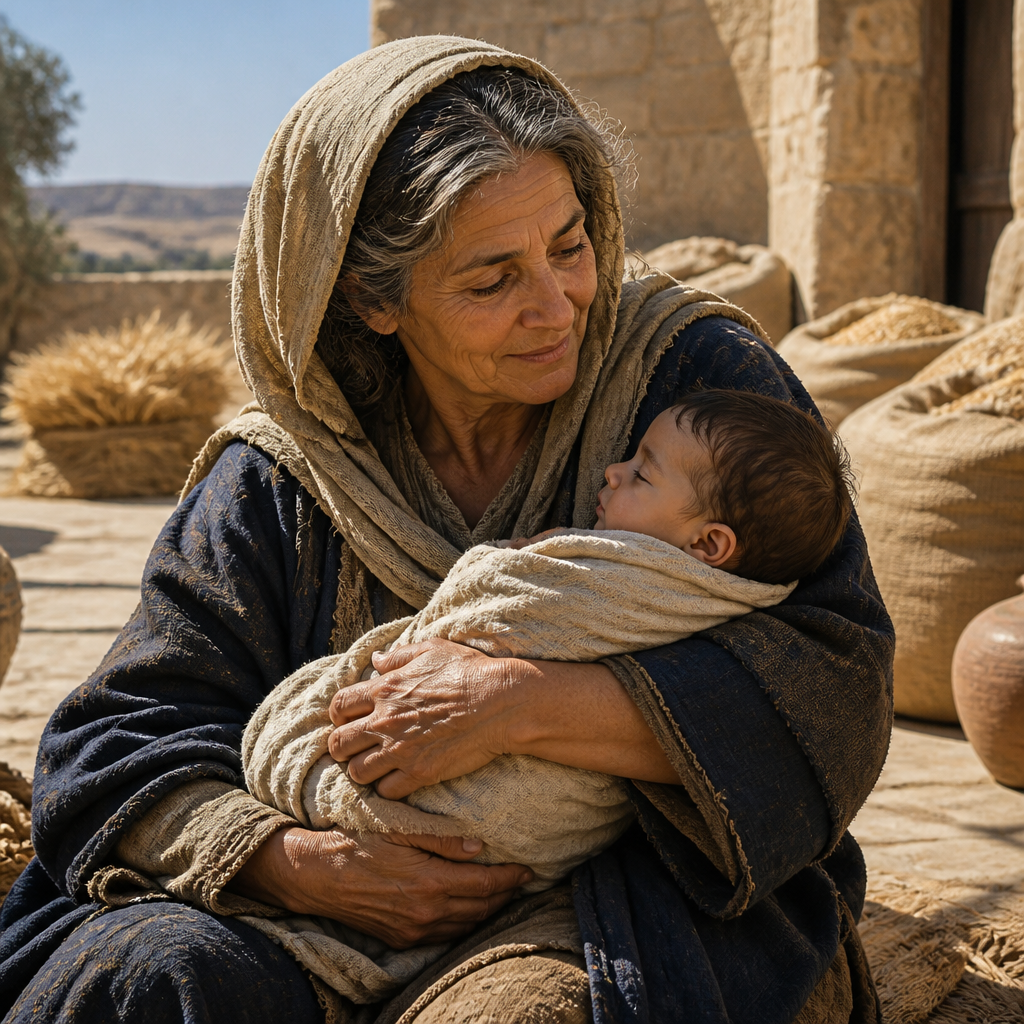
Obed was the offspring of this union. His birth is recorded in the final chapter of the Book of Ruth, where he is described as a source of renewal for the elderly Naomi. The neighbor women at the time of his birth proclaimed, "A son has been born to Naomi," highlighting that Obed served as the legal and spiritual heir to the family's inheritance in Israel. He was raised within the tribe of Judah in the town of Bethlehem.
Major Life Events
The biblical record does not preserve specific narrative events from Obed's adulthood, such as his occupation or personal trials. Instead, his life is marked by his placement within the sacred chronologies. The primary "event" associated with Obed is his birth, which serves as the resolution to the Book of Ruth. The scripture notes that the women of the village named him "Obed," a name meaning "servant" or "worshiper."
Obed’s historical presence is reaffirmed in the book of 1 Chronicles, which documents the tribal records of Judah. Here, he is positioned clearly between Boaz and Jesse. This placement ensures that the legal rights and the covenantal promises made to the tribe of Judah passed through him to his son, Jesse, and eventually to his grandson, David. While he did not serve as a judge or a king, he functioned as the necessary bridge during a time when Israel was moving toward central leadership.
Relationship to Other Biblical Figures
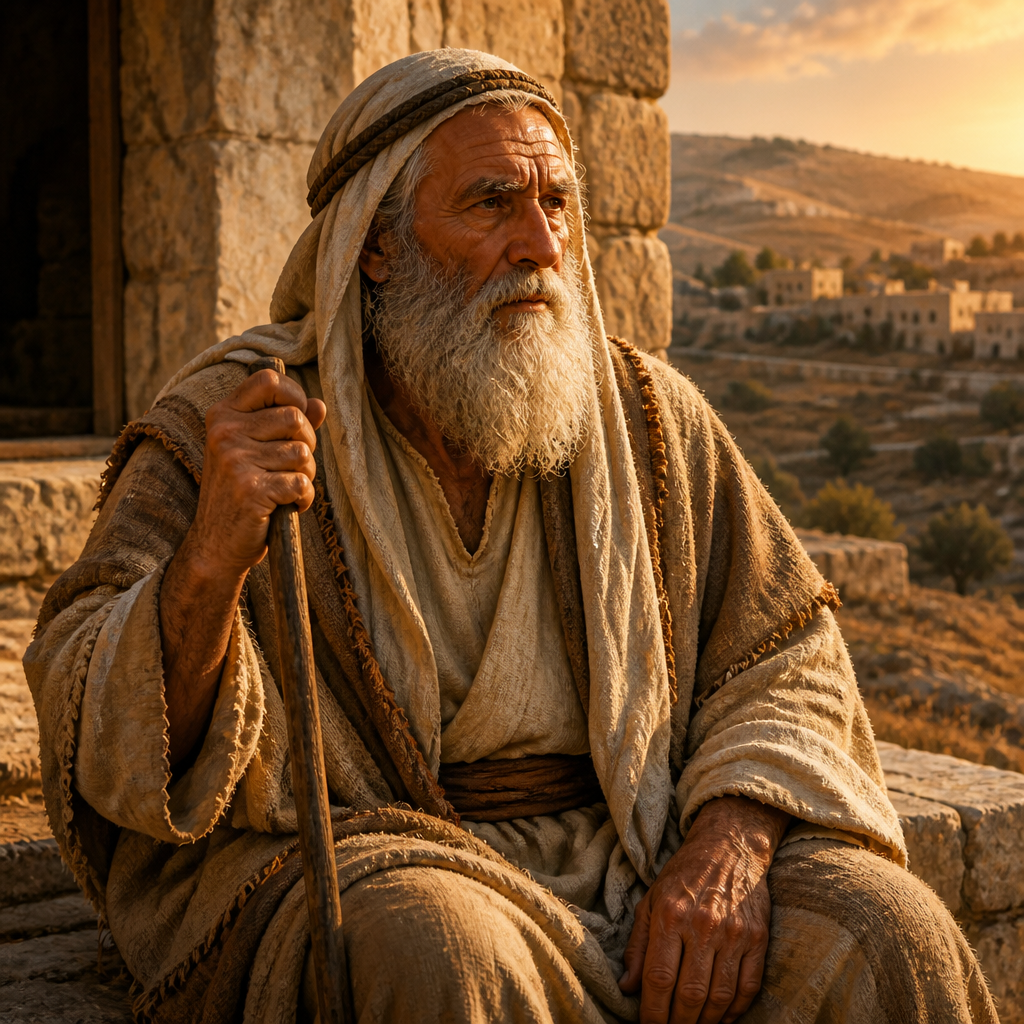
Obed is inextricably linked to three of the most prominent figures in the Old Testament. As the child of Ruth, he represents the inclusion of the Gentiles into the lineage of Israel, as Ruth was a Moabitess who converted to the worship of Yahweh. As the son of Boaz, he inherited the wealth and social standing of a "mighty man of valor."
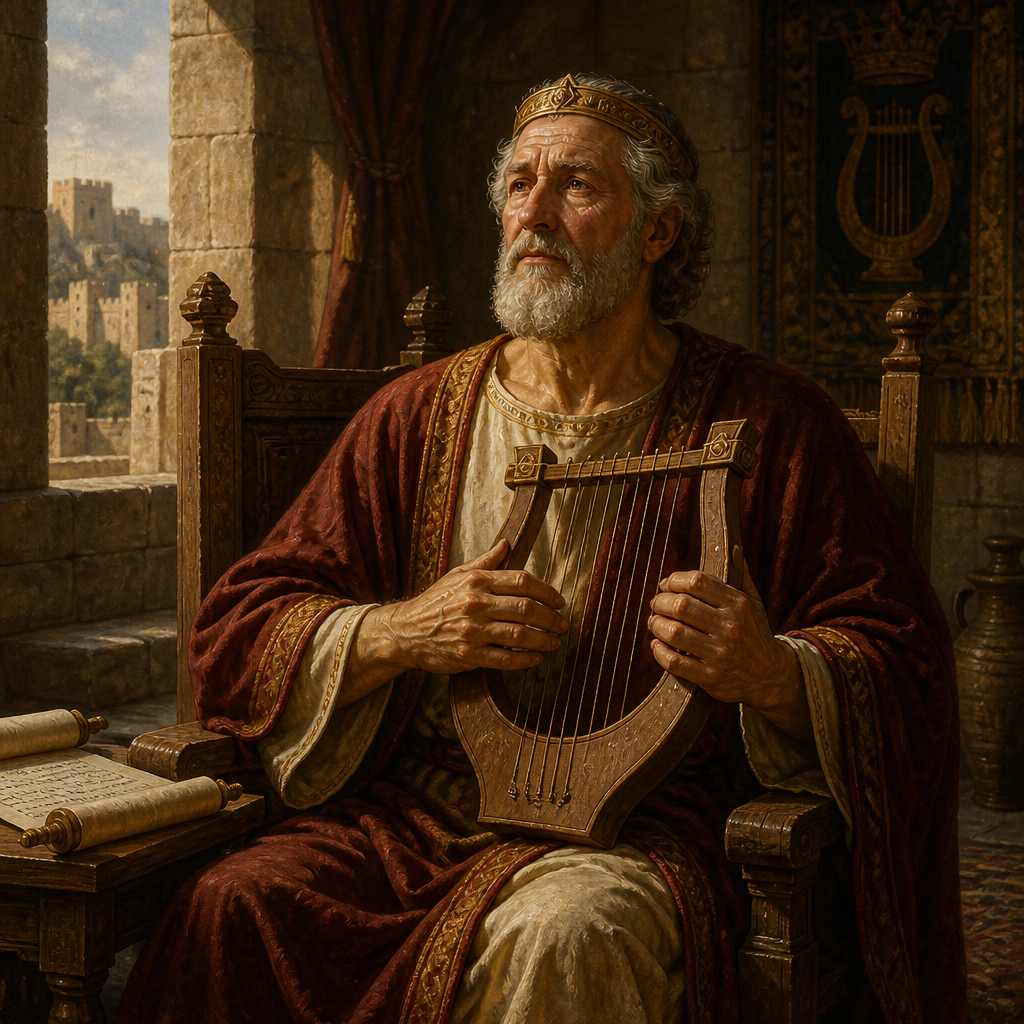
However, his most vital relationship is to his grandson, David. The Book of Ruth concludes specifically to make this connection, ending its narrative with the genealogy: "Obed was the father of Jesse, and Jesse was the father of David" (Ruth 4:22). This link establishes the legitimacy of David's claim to the throne, rooting the king’s ancestry in the respected house of Boaz and the faithful devotion of Ruth.
Spiritual Significance
The spiritual significance of Obed lies in his role as a "restorer of life" and a "nourisher of old age," as described by the women of Bethlehem (Ruth 4:15). In a theological sense, Obed represents God’s providence in turning a situation of death and emptiness (the loss of Naomi’s family) into a future of hope and royalty.
Furthermore, Obed is central to the concept of the "Kinsman-Redeemer." Because his father Boaz acted as a redeemer for Ruth and Naomi, Obed became the living proof of that redemption. In Christian theology, this points toward the ultimate Redeemer, Jesus Christ. By appearing in the genealogies of Matthew 1 and Luke 3, Obed is confirmed as an ancestor of Jesus, illustrating that the Messiah’s human heritage included those born out of faith and redemption across ethnic boundaries.
Spiritual Significance
Obed serves as the indispensable link between the period of the Judges and the Davidic Monarchy. His theological weight is found in his status as the grandfather of King David and an ancestor of Jesus Christ. He represents the fulfillment of God’s promise to Naomi and the redemption of a family line that appeared to be extinct, demonstrating that God works through quiet, multigenerational faithfulness to bring about His sovereign purposes.
His inclusion in both the Old and New Testament genealogies emphasizes the continuity of God's covenant with the house of David. Obed’s life is a testament to the fact that even those whose individual deeds are not extensively recorded can play a pivotal role in the grand narrative of salvation history.
Frequently Asked Questions
Who were the parents of Obed?
Obed was the son of Boaz, a wealthy Bethlehemite, and Ruth, a Moabitess who had emigrated to Israel with her mother-in-law Naomi.
What does the name 'Obed' mean?
The name Obed (עוֹבֵד) in Hebrew means 'servant' or 'one who worships.'
How is Obed related to King David?
Obed was the grandfather of King David; Obed was the father of Jesse, who was the father of David.
Why is Obed mentioned in the New Testament?
Obed is mentioned in the genealogies of Matthew 1:5 and Luke 3:32 to establish the legal and biological lineage of Jesus Christ as the 'Son of David.'
What tribe did Obed belong to?
Obed belonged to the tribe of Judah, the tribe from which the kings of Israel and eventually the Messiah were prophesied to come.
Connected Figures

Categories
Mentions by Book
- Ruth3
- 1 Chronicles1
- Luke1
- Matthew1
Family & Relationships
Others Named Obed
Obed, Mighty Man of David1 Chronicles 11:47
A valiant warrior listed among King David’s elite military guard, noted for his service during the transition and establishment of the Divided Monarchy's foundations.
Obed, Descendant of Jarha1 Chronicles 2:37
A member of the tribe of Judah during the Divided Monarchy, Obed was the son of Ephlal and a link in the genealogical line of the Sheshanite clan.
Obed, Son of Shemaiah1 Chronicles 26:7
Obed was a Levite gatekeeper of the Divided Monarchy period, noted for his capability and service within the Korahite division of the temple guard.
Obed, Father of Azariah2 Chronicles 23:1
Obed was a man of the tribe of Judah whose son, Azariah, served as a military commander and key conspirator in the successful revolt against the usurper Queen Athaliah.