Jehoiada, Priest Succeeded by Zephaniah
A former high-ranking priest and chief officer in the Jerusalem temple during the Divided Monarchy whose administrative role was later filled by Zephaniah son of Maaseiah.
Jehoiada was a priest who served in a position of significant authority within the Jerusalem temple during the era of the Divided Monarchy. His identity is preserved in the biblical record through a specific historical correspondence regarding temple administration and the management of prophetic figures in Judah. Jehoiada held the title of 'chief officer' (Hebrew: paqid) in the house of the LORD, a role that carried the weight of maintaining order within the sacred precincts.
His tenure as priest preceded that of Zephaniah son of Maaseiah. The scriptural evidence regarding Jehoiada appears in a letter sent by the false prophet Shemaiah the Nehelamite from Babylon to the authorities in Jerusalem. This context indicates that Jehoiada was a recognized figure of institutional stability whose administrative methods were cited as a standard for his successor to emulate.
Background and Family
The historical record regarding Jehoiada is exceptionally focused, appearing only within the prophetic literature of the late Divided Monarchy. Unlike many prominent priestly figures in the Old Testament, Jehoiada’s genealogy and tribal affiliation are not explicitly listed in the text of Jeremiah. However, his status as a "priest" (Hebrew: kohen) and his appointment as "chief officer in the house of the LORD" confirm his standing within the Levite order and his high social rank in the Judean capital. He is defined primarily by his office rather than his ancestry, serving as a functional link in the chain of temple leadership during a period of intense religious and political turmoil.
Major Life Events
Jehoiada’s life is characterized by his tenure in one of the most sensitive roles in the Jerusalemite hierarchy. As the chief officer, he was responsible for the internal security and religious orthodoxy of the temple. According to the letter preserved in Jeremiah 29, his duties included the regulation of those who claimed prophetic inspiration. The text notes he was "responsible for any madman who acts like a prophet," possessing the legal authority to use physical restraints, specifically "stocks and neck irons," to maintain the sanctity of the temple courts.
By the time the prophet Jeremiah was active and writing to the exiles in Babylon (c. 590s BC), Jehoiada had already been replaced in this office. The transition of power from Jehoiada to Zephaniah son of Maaseiah is the central event associated with his name in the text. Shemaiah the Nehelamite wrote to Zephaniah, invoking the name of Jehoiada to pressure the new priest into arresting Jeremiah, suggesting that Jehoiada’s legacy was one of strict adherence to institutional order.
Relationship to Other Biblical Figures
The primary relationship recorded for Jehoiada is professional rather than biological. He is the predecessor to Zephaniah son of Maaseiah. The LORD, according to the letter from Shemaiah, appointed Zephaniah "in place of Jehoiada." This phrasing suggests a direct succession of office. While Jehoiada is not shown interacting with Jeremiah directly, his name is used as a rhetorical tool by Jeremiah’s enemies to incite the current temple leadership against the prophet.
Spiritual Significance
Though he appears in only a single verse, Jehoiada represents the institutional priesthood of the late Judean Monarchy. His significance lies in the illustration of the "chief officer" role—a position that sat at the intersection of religious devotion and civil policing. The reference to Jehoiada highlights the tension between the established religious bureaucracy and the unconventional, often disruptive nature of true prophetic ministry. He serves as a historical marker for the transition of temple authority during the final years before the Babylonian destruction of Jerusalem in 586 BC.
Spiritual Significance
Jehoiada is significant as a historical marker of the priestly succession in the Jerusalem temple during the time of Jeremiah. His mention reveals the specific disciplinary powers granted to temple officers, including the use of stocks and neck irons to control those perceived as 'madmen' or false prophets. This provides essential context for the administrative challenges and the legal environment Jeremiah faced while ministering in the temple courts.
Furthermore, Jehoiada's role illustrates the structure of the Divided Monarchy’s religious leadership. By naming him as the predecessor to Zephaniah, the text reinforces the continuity of temple offices even as the kingdom of Judah approached its collapse. His name serves as a benchmark for the expected duties of the high-ranking priesthood in maintaining the order of the House of the LORD.
Frequently Asked Questions
Who was Jehoiada in the book of Jeremiah?
He was a priest and the former 'chief officer' of the temple in Jerusalem who was succeeded by Zephaniah son of Maaseiah.
What were Jehoiada’s responsibilities in the temple?
He was responsible for maintaining order and had the authority to restrain anyone acting as a 'madman' or self-proclaimed prophet using stocks and irons.
When did Jehoiada live?
He lived during the Divided Monarchy, specifically in the years leading up to the Babylonian exile (late 7th or early 6th century BC).
Who replaced Jehoiada as the chief officer?
Zephaniah son of Maaseiah was appointed as priest in his place, according to the letter from Shemaiah the Nehelamite.
Connected Figures
Zephaniah son of Maaseiah
Successor in the office of chief temple officer
Jeremiah
Prophet whose arrest was sought by citing Jehoiada's former duties
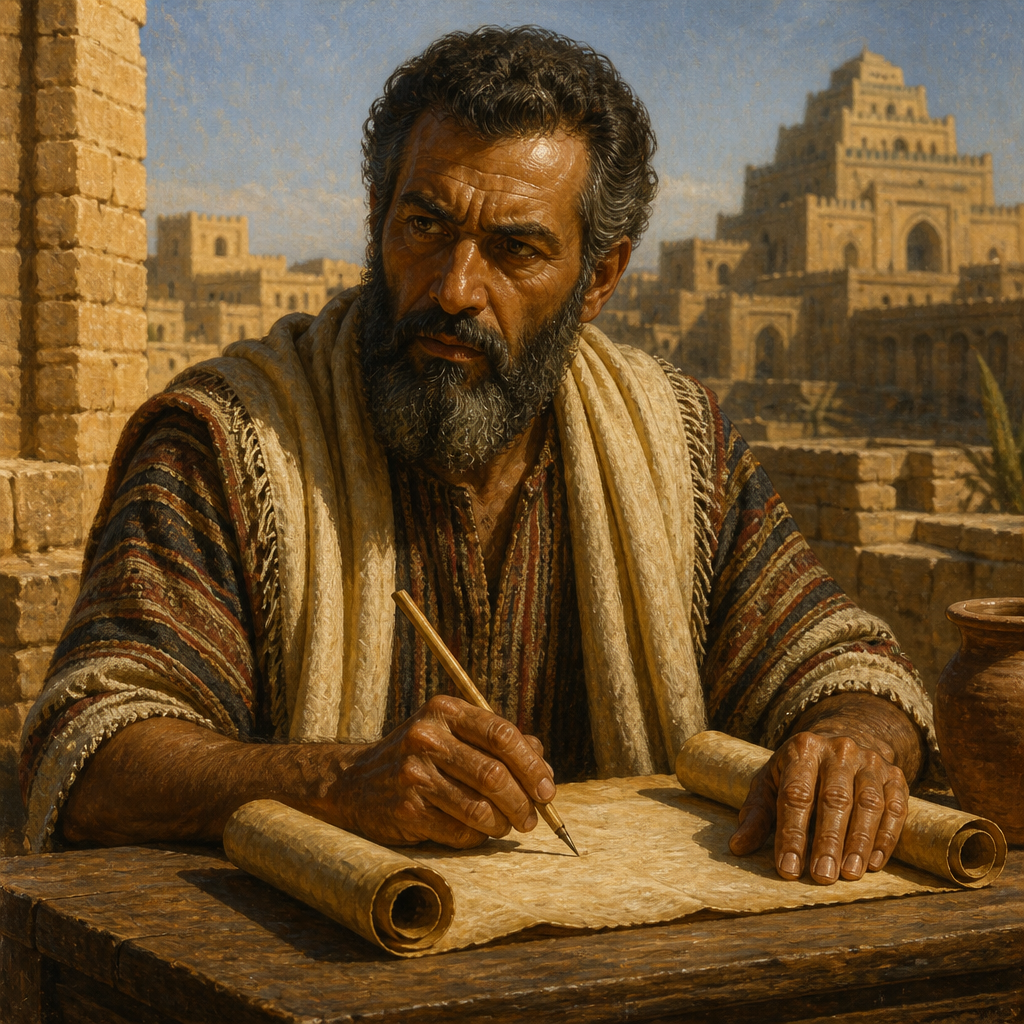
Shemaiah the Nehelamite
Writer who mentioned Jehoiada in a letter to Jerusalem
Categories
Mentions by Book
- Jeremiah1
Others Named Jehoiada
Jehoiada, Father of Benaiah2 Samuel 8:18
A prominent Aaronic priest and military leader during the United Monarchy whose son Benaiah became the commander of Solomon’s army.
Jehoiada, son of Benaiah1 Chronicles 27:34
A high-ranking counselor in King David’s administration who succeeded Ahithophel as a royal advisor during the Divided Monarchy period.
Jehoiada, High Priest of the Divided Monarchy2 Kings 11:4
A pivotal High Priest who orchestrated the restoration of the Davidic line by crowning King Joash and overthrowing the usurper Queen Athaliah.