Jehoiada, High Priest of the Divided Monarchy
A pivotal High Priest who orchestrated the restoration of the Davidic line by crowning King Joash and overthrowing the usurper Queen Athaliah.
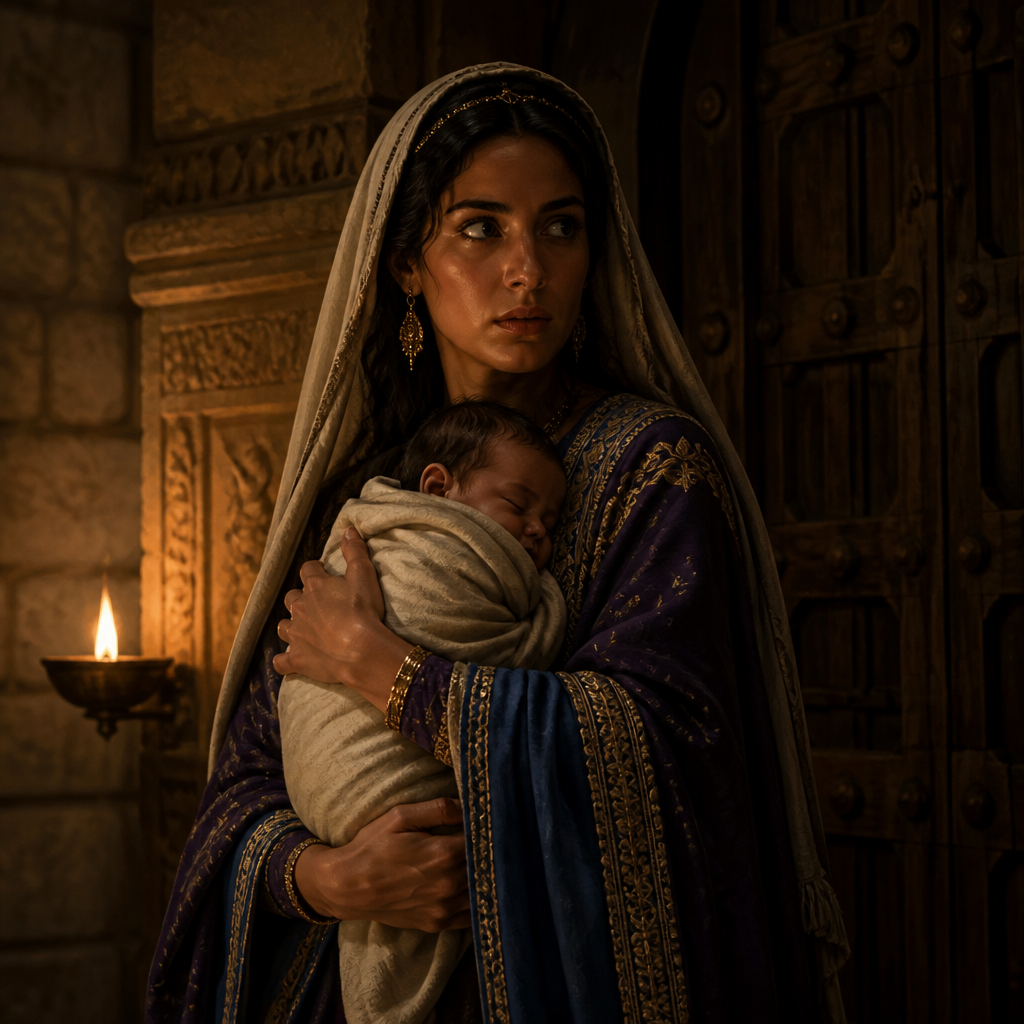
Jehoiada was a high-ranking priest of the tribe of Levi who served during one of the most tumultuous periods of the Kingdom of Judah. He is primarily known for his courageous role in preserving the Messianic line of David during a time of total political and religious crisis. While the usurper Queen Athaliah attempted to destroy all royal heirs to secure her own power, Jehoiada and his wife, Jehosheba, acted in secret to protect the infant Joash, the last surviving son of King Ahaziah.
His influence extended far beyond the religious sphere, as he functioned as a de facto regent and kingmaker. Jehoiada's long life—spanning 130 years—served as a stabilizing force for Judah, during which he spearheaded major reforms, including the renovation of the Solomonic Temple and the formal renewal of the covenant between God and the nation. His legacy was so profound that he was granted the singular honor of being buried among the kings in the City of David.
Background and Family
Jehoiada was a member of the tribe of Levi, serving in the Jerusalem Temple during the 9th century BC. He was married to Princess Jehosheba (also called Jehoshabeath), who was the daughter of King Jehoram and the sister of King Ahaziah. This marriage created a rare and powerful alliance between the high priesthood and the royal house of David.
During the bloody purge initiated by the Queen Mother Athaliah following the death of Ahaziah, Jehoiada’s family became the protectors of the Davidic dynasty. Together with his wife, Jehoiada hid the infant Joash in the Temple for six years, shielding him from the state-sponsored executioners. Jehoiada was also the father of Zechariah, who would later follow in his father’s footsteps as a priest and prophet, though with a tragic end.
The Restoration of the Davidic Line
In the seventh year of Athaliah’s reign, Jehoiada determined it was time to reveal the true king. He demonstrated significant political and military acumen by gathering the commanders of hundreds, the Carites, and the temple guards. He brought them into the house of the LORD and made a formal covenant with them, swearing them to secrecy before showing them the young Prince Joash.
Jehoiada’s plan was meticulously organized. He divided the guards into groups to ensure the Temple was protected while the coronation took place. He armed the commanders with the spears and shields that had belonged to King David, symbolically linking the new king to his ancestor’s legacy. When the moment arrived, Jehoiada and his sons brought Joash out, placed the crown on him, and presented him with the "Testimony" (the Law). As the people shouted "Long live the king!", Athaliah heard the noise and rushed to the Temple, only to be seized and executed outside the sacred precincts on Jehoiada’s orders.
Religious Reforms and Temple Restoration
Following the coup, Jehoiada initiated a spiritual renewal. He facilitated a three-way covenant between the LORD, the king, and the people, re-establishing Judah as a nation under God. He oversaw the destruction of the house of Baal and the execution of Mattan, the priest of Baal.
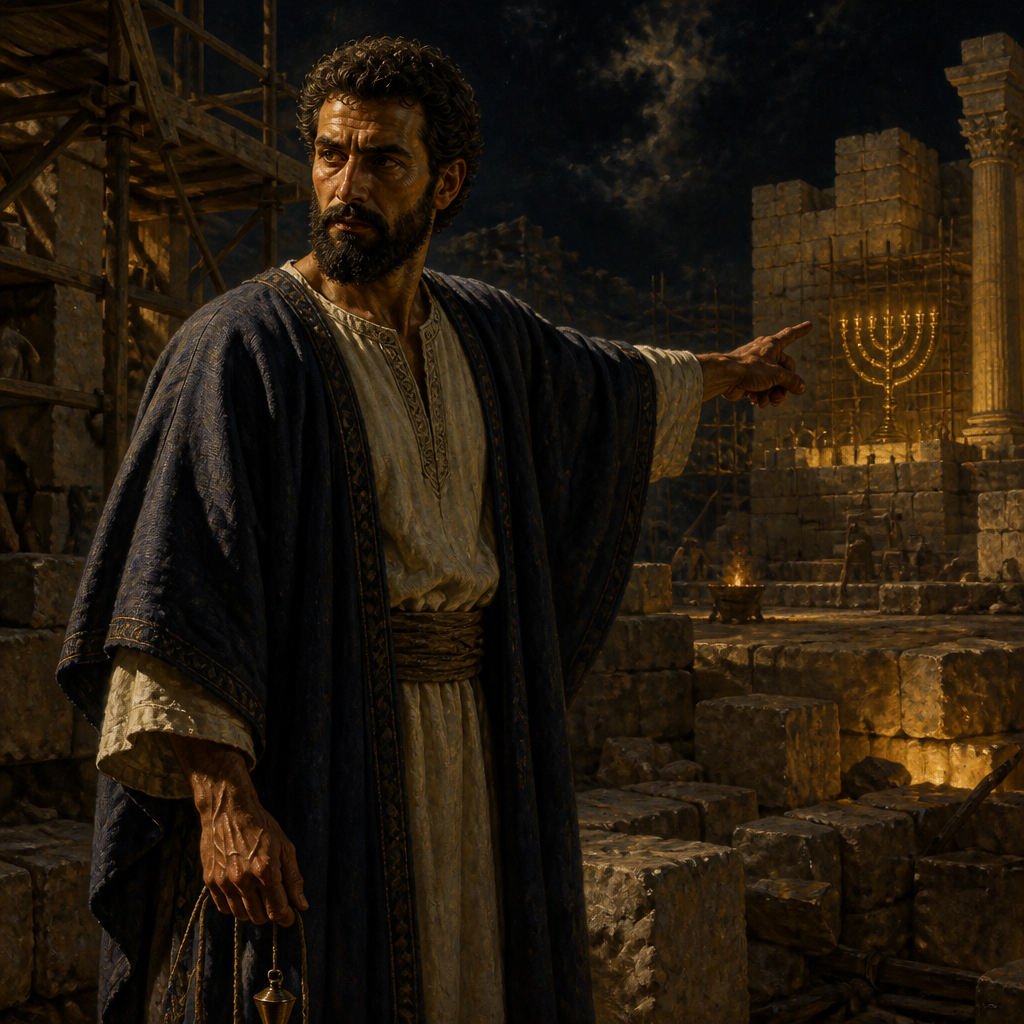
Under his guidance, the daily burnt offerings were restored according to the Law of Moses. Perhaps his most enduring physical legacy was the repair of the Temple, which had fallen into disrepair under the previous idolatrous regimes. When the initial attempts to collect funds through the Levites stalled, Jehoiada devised a new system: he took a chest, bored a hole in the lid, and placed it by the altar to collect the contributions of the people. This transparent method of fundraising allowed the work to proceed efficiently, ensuring that stonecutters, carpenters, and metalworkers could restore the house of God to its former glory.
Relationship to Joash and Later Life
For as long as Jehoiada lived, King Joash remained faithful to the LORD. Jehoiada served as the king’s primary mentor and instructor. The biblical record notes that Joash "did what was right in the eyes of the LORD all the days he was instructed by Jehoiada the priest" (2 Kings 12:2). Jehoiada even took two wives for the king to ensure the continuation of the royal line.
Jehoiada lived to the age of 130, a lifespan reminiscent of the patriarchs. Upon his death, he was buried in the City of David among the kings, a distinction given because "he had done well in Israel, both toward God and His house" (2 Chronicles 24:16).
Spiritual Significance
The life of Jehoiada illustrates the vital role of the priesthood in maintaining the moral and political integrity of the nation. In the absence of a righteous king, the High Priest became the guardian of the throne. His actions prevented the total extinction of the Davidic line, an event that would have had profound implications for the promised Messiah.
However, Jehoiada’s story also carries a somber postscript. After his death, the officials of Judah led King Joash astray into idolatry. When Jehoiada’s son, Zechariah, stood up to rebuke the people for their apostasy, Joash forgot the kindness of Jehoiada and ordered Zechariah to be stoned to death. This act of betrayal was so significant that Jesus Christ referenced the murder of Zechariah, son of Jehoiada (referred to as Berechiah in Matthew 23:35), as the culmination of righteous blood shed by the establishment.
Spiritual Significance
Jehoiada represents the ideal of the 'priest-statesman' whose primary allegiance is to the Word of God and the preservation of the Davidic covenant. His life demonstrates that the health of the monarchy was inextricably linked to the spiritual guidance of the priesthood. Without his intervention, the line of David—and by extension the lineage of Jesus Christ—would have been severed by the house of Ahab through Athaliah.
Furthermore, Jehoiada is one of the few figures in the Hebrew Bible whose righteousness is validated not just by his actions during his life, but by the extraordinary honor of his burial and the posthumous mention of his son's martyrdom by Jesus in the New Testament. He stands as a foil to the weak and wicked leaders of the Divided Monarchy, proving that one individual’s faithfulness can preserve an entire nation's heritage.
Frequently Asked Questions
Why was Jehoiada buried among the kings?
He was buried in the City of David with the kings because of the immense good he had done for Israel, for God, and for the Temple. It was a unique honor for a non-royal, recognizing his role as the savior of the Davidic dynasty.
How long did Jehoiada live?
According to 2 Chronicles 24:15, Jehoiada lived to be 130 years old, which was exceptionally long for his era.
What happened to the kingdom after Jehoiada died?
Immediately after his death, the leaders of Judah turned away from God and influenced King Joash to worship idols, leading to the eventual judgment of the nation and the murder of Jehoiada's son.
Who was Jehoiada's wife?
His wife was Jehosheba (or Jehoshabeath), the daughter of King Jehoram and sister to King Ahaziah. She was instrumental in saving the infant Joash.
Did Jehoiada have children?
Yes, the Bible mentions he had sons, the most prominent being Zechariah, who was a prophet martyred by King Joash.
Connected Figures
Categories
Mentions by Book
- 2 Chronicles18
- 2 Kings7
- Matthew1
Family & Relationships
Child
2 Kings 11:4
Spouse / partner
2 Kings 11:4
Spouse / partner
2 Kings 11:2
Others Named Jehoiada
Jehoiada, Father of Benaiah2 Samuel 8:18
A prominent Aaronic priest and military leader during the United Monarchy whose son Benaiah became the commander of Solomon’s army.
Jehoiada, Priest Succeeded by ZephaniahJeremiah 29:26
A former high-ranking priest and chief officer in the Jerusalem temple during the Divided Monarchy whose administrative role was later filled by Zephaniah son of Maaseiah.
Jehoiada, son of Benaiah1 Chronicles 27:34
A high-ranking counselor in King David’s administration who succeeded Ahithophel as a royal advisor during the Divided Monarchy period.