Hashabiah, Officer of the Levites
A high-ranking Levite officer who donated significant livestock for King Josiah’s historic Passover celebration during the Divided Monarchy.
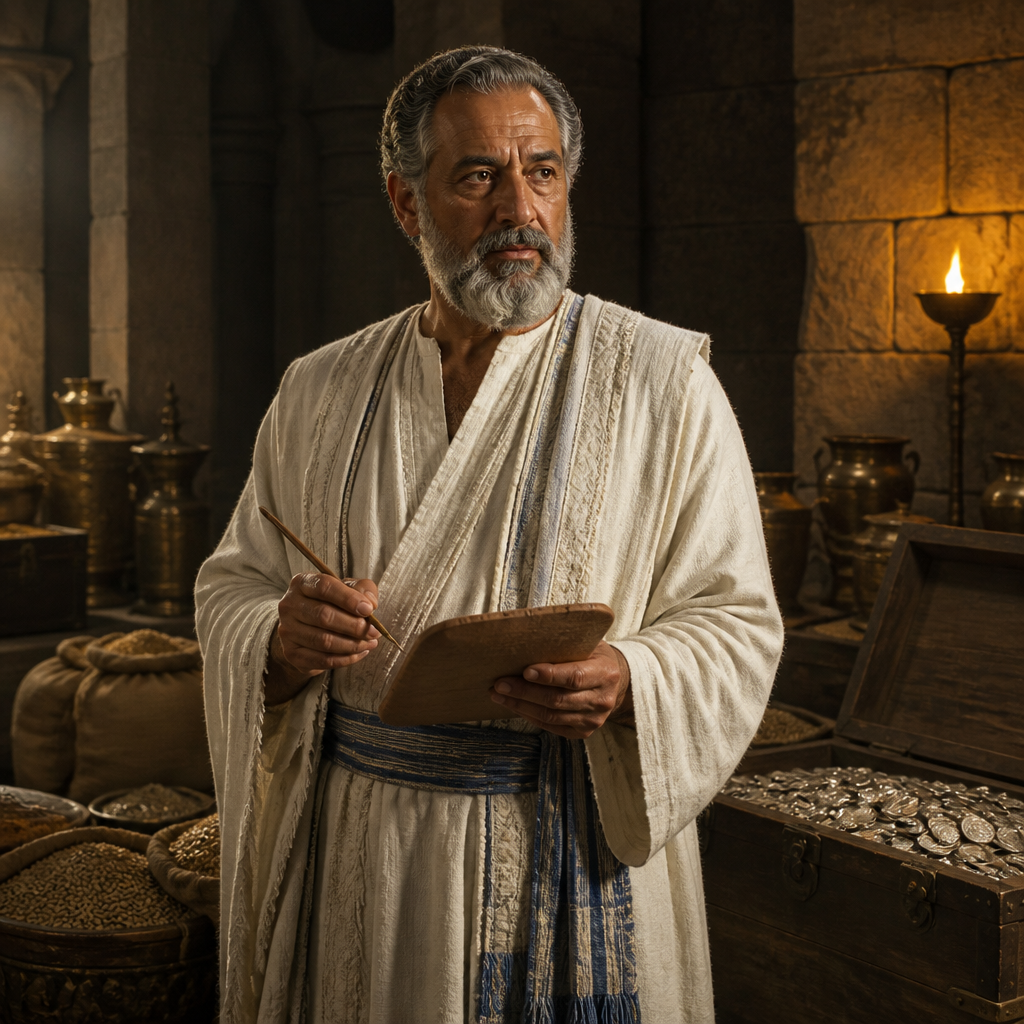
Hashabiah was a prominent official among the Levites during the late Divided Monarchy, specifically during the reign of King Josiah of Judah (c. 640–609 BC). He is identified as one of the 'officers of the Levites' who played a crucial administrative and philanthropic role in the restoration of temple worship. His contribution was essential to the execution of the great Passover, an event that marked a significant religious turning point for the nation.
While the biblical record regarding this specific Hashabiah is brief, it highlights his status and wealth. As an officer, he held a position of leadership that required both organizational oversight of the Levitical duties and personal generosity. He is listed alongside other leaders who ensured that the assembly had the necessary resources to observe the Mosaic Law according to the king's reforms.
Background and Family
Hashabiah served during the reformist era of King Josiah, a period characterized by the rediscovery of the Book of the Law and a national return to Yahwism. Although his specific lineage is not detailed beyond his tribal identity as a Levite, his title as an 'officer' (or prince/chief) of the Levites indicates he was a man of significant social standing and authority. He operated within a cohort of leaders including Conaniah, Shemaiah, Nethanel, Jeiel, and Jozabad.
Major Life Events
The primary event defining Hashabiah’s biblical legacy is the Great Passover of 622 BC. Following Josiah’s purge of idolatry and the repair of the Temple, the king commanded the observation of the Passover in a manner not seen since the days of the judges. This required a massive influx of sacrificial animals for the thousands of pilgrims in Jerusalem.
Hashabiah, acting in his official capacity, collaborated with other Levite leaders to provide for their brethren. The text records that Hashabiah and his colleagues donated 5,000 Passover offerings (lambs and goats) and 500 bulls to the Levites. This act of patronage ensured that the ritual requirements of the Law were met even for those who might have lacked the means to provide their own sacrifices.
Relationship to Other Biblical Figures
Hashabiah worked under the direct or indirect mandate of King Josiah. He is grouped with Conaniah and his brothers, suggesting a coordinated leadership structure within the tribe of Levi. His interactions were likely focused on the logistical coordination with the priests and other tribal administrators to manage the distribution of the vast number of animals donated for the feast.
Spiritual Significance
Hashabiah represents the administrative faithfulness necessary for spiritual revival. While Josiah provided the royal decree and the initial resources, it was officials like Hashabiah who translated the king's vision into reality through personal sacrifice and logistical management. His inclusion in the sacred record serves as a testament to the importance of leadership and generosity within the community of faith, demonstrating that the restoration of true worship requires the cooperation of dedicated officials who prioritize the needs of the congregation and the requirements of the sanctuary.
Spiritual Significance
Hashabiah’s significance lies in his role as a facilitator of national repentance and worship. By providing thousands of animals for the Passover, he enabled the community to fulfill the requirements of the covenant, emphasizing that spiritual reforms must be supported by practical, tangible resources provided by those in leadership. He stands as a model of the 'steward-leader' who uses his position and wealth to serve the broader religious health of the nation.
Frequently Asked Questions
What did Hashabiah donate to the Passover?
Along with other Levite officers, he contributed to a total donation of 5,000 Passover offerings and 500 bulls for the use of the Levites.
When did Hashabiah live?
He lived during the Divided Monarchy, specifically during the reign of King Josiah in the late 7th century BC.
What was Hashabiah's role in the Temple?
He is described as an 'officer of the Levites,' indicating an administrative or leadership position within the tribe responsible for temple service.
Which king did Hashabiah serve under?
He served during the reign of King Josiah, one of Judah's most righteous kings.
In which book of the Bible is this Hashabiah mentioned?
He is mentioned in 2 Chronicles 35:9.
Connected Figures
Categories
Mentions by Book
- 2 Chronicles1
Others Named Hashabiah
Hashabiah, Hebronite Official1 Chronicles 26:30
A capable Hebronite official who oversaw 1,700 men in the administration of Israelite affairs west of the Jordan during the Divided Monarchy.
Hashabiah, Priest of HilkiahNehemiah 12:21
A priest and family head during the time of High Priest Joiakim, representing the ancestral house of Hilkiah in post-exilic Jerusalem.
Hashabiah, Ancestor of Shemaiah1 Chronicles 9:14
A Levite of the Merarite clan during the period of the Exile and Return whose lineage is recorded in the genealogical registers of post-exilic Jerusalem.
Hashabiah, Ancestor of UzziNehemiah 11:22
A Levite descendant of Asaph who lived during the period of the Exile and Return and served as an ancestor to the overseer of the Levites in Jerusalem.
Hashabiah, Levite Leader under EzraEzra 8:19
A prominent Levite leader and priest who assisted Ezra during the return to Jerusalem and participated in the covenant renewal under Nehemiah.
Hashabiah, Levite of the Divided Monarchy1 Chronicles 6:45
A Levite of the Merarite clan during the Divided Monarchy, noted in the genealogies of the temple musicians.
Hashabiah, Son of Kemuel1 Chronicles 27:17
A Levite leader who served as the tribal chief over the tribe of Levi during the administrative reorganization of Israel under King David.
Hashabiah, Ruler of a Half-District of KeilahNehemiah 3:17
A local Judean leader who organized the reconstruction of a portion of Jerusalem's walls during the governorship of Nehemiah.
Hashabiah, Levite of the United Monarchy1 Chronicles 25:3
A Levite musician and son of Jeduthun who was appointed by King David to lead the twelfth division of sanctuary music during the United Monarchy.