Elihu, Commander of Manasseh
A high-ranking military chief from the tribe of Manasseh who defected to David at Ziklag during the Divided Monarchy era.
Elihu was a prominent military leader from the tribe of Manasseh who lived during the transitional period of the Divided Monarchy as David rose to power. He is specifically identified in the biblical record as a 'chief of thousands,' a title indicating significant administrative and martial authority over a large contingent of Israelite soldiers. His historical significance is tied to the strategic shift of military power from the house of Saul to the house of David.
His appearance in the biblical narrative occurs during David’s time at Ziklag. Elihu was among a group of elite Manassite officers who abandoned their previous loyalties to join David’s cause. This defection was a pivotal moment, providing David with the seasoned leadership and manpower necessary to secure his kingdom and defend against the Amalekites.
Background and Family
The biblical record for Elihu, the commander of Manasseh, is found exclusively in the genealogical and military rosters of 1 Chronicles. While the text does not provide his specific parentage or lineage beyond his tribal affiliation, his status is clearly defined by his rank. As one of the "chiefs of thousands in Manasseh" (1 Chronicles 12:20), Elihu held a position of hereditary or meritocratic nobility within the northern territories of Israel. This rank suggests he was responsible for the logistics, training, and leadership of a substantial military division.
Major Life Events
Elihu’s primary contribution to biblical history occurs during the complex political climate following David’s flight from King Saul. David had been residing in Ziklag, under the supervision of the Philistines, when a group of high-ranking defectors from the tribe of Manasseh sought him out.
According to 1 Chronicles 12:20, Elihu joined Adnah, Jozabad, Jediael, Michael, and Zillethai in crossing over to David’s side. This event took place just as David was being dismissed from the Philistine army before the battle at Mount Gilboa. The timing of Elihu’s defection was critical; David’s camp at Ziklag had been raided by the Amalekites, and the arrival of these "mighty men of valor" provided the immediate reinforcement David required to pursue the raiders and recover the captives.
Relationship to Other Biblical Figures
Elihu is mentioned alongside six other tribal leaders from Manasseh. These men acted as a cohesive unit of elite defectors. Although there is no record of a personal relationship between Elihu and David, the text implies a bond of loyalty and recognition of David’s divine mandate to rule. By joining David, Elihu positioned himself in direct opposition to the reigning house of Saul, signaling a shift in tribal allegiances within the northern regions of the Promised Land.
Spiritual Significance
Though his mention is brief, Elihu represents the theological theme of divine providence in the consolidation of David's kingdom. The Chronicler notes that "day by day men came to David to help him, until there was a great army, like the army of God" (1 Chronicles 12:22). Elihu was a literal answer to this growth. His decision to leave the established military structure of the day to support the anointed—but currently exiled—king serves as an example of discerning the movement of God in national history. He is remembered as one who placed his military expertise at the service of the Davidic covenant.
Spiritual Significance
Elihu serves as a historical marker for the widespread support David garnered across tribal lines, even before he was officially crowned king over all Israel. His defection highlights the disintegration of Saul's support among the northern tribes and the recognition of David's military and spiritual legitimacy. Professionally, his role as a 'chief of thousands' underscores the organized, structured nature of the forces that eventually formed the backbone of the Kingdom of Israel.
Frequently Asked Questions
What was Elihu’s rank in the military?
Elihu was a 'chief of thousands,' which was a high-ranking officer in the tribal militia of Manasseh, responsible for a large division of soldiers.
When did Elihu join David?
He joined David at Ziklag, just as David was returning from the Philistine camp and preparing to recover his family from the Amalekites.
Which tribe did Elihu belong to?
Elihu was a member of the tribe of Manasseh.
How many times is this Elihu mentioned in the Bible?
This specific Elihu is mentioned only once, in 1 Chronicles 12:20.
Was Elihu a supporter of King Saul?
As a leader in Manasseh, he was originally under Saul's realm, but he famously defected from Saul's interests to support David.
Connected Figures
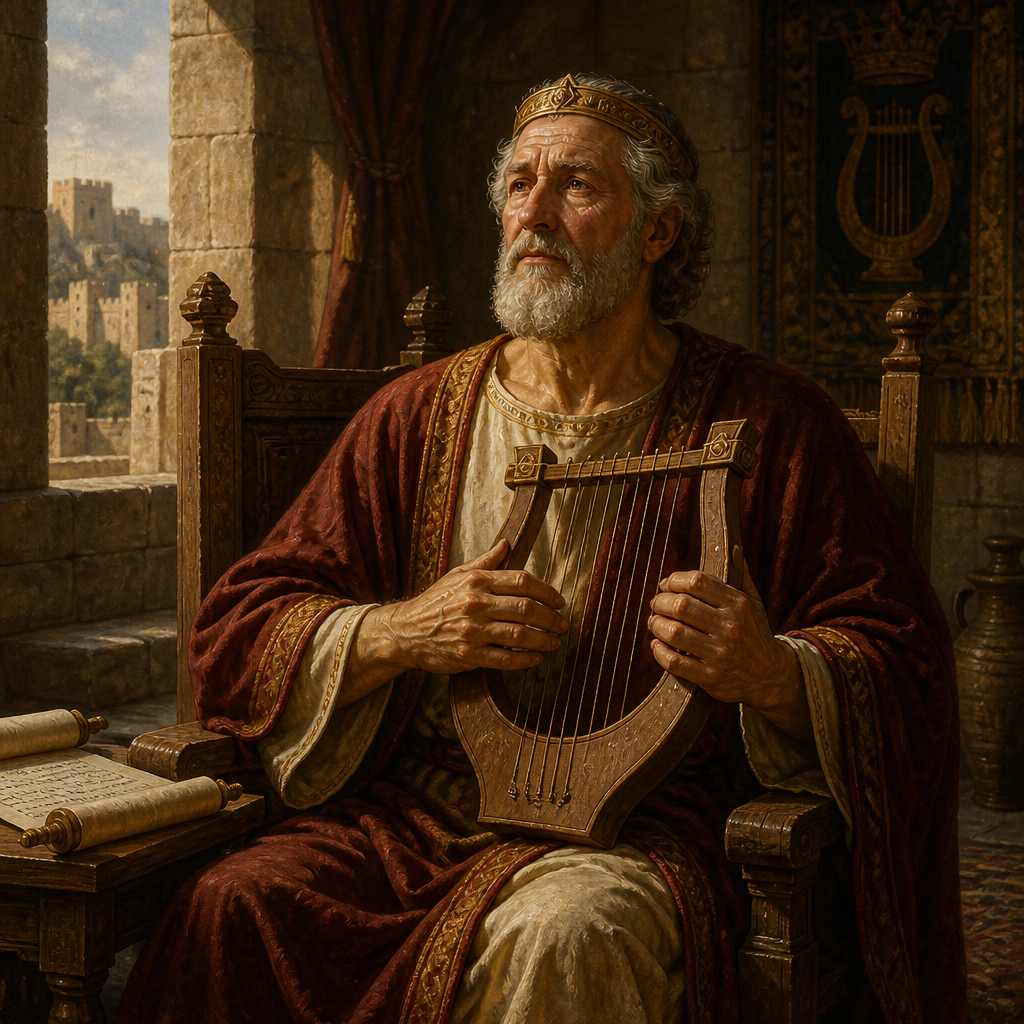
David
Leader whom Elihu defected to and served
Adnah
Fellow commander of Manasseh
Jozabad
Fellow commander of Manasseh
Categories
Mentions by Book
- 1 Chronicles1
Others Named Elihu
Elihu, Great-grandfather of Samuel1 Samuel 1:1
A Levite of the United Monarchy period and the paternal great-grandfather of the prophet Samuel.
Elihu, Levite of the Divided Monarchy1 Chronicles 26:7
A Levite gatekeeper and son of Shemaiah, noted for his capability and strength in the service of the Tabernacle during the Divided Monarchy.
Elihu, Son of BarachelJob 32:2
A young man who addressed Job and his friends during their debate, defending God’s justice and sovereignty with passionate theological arguments.
Elihu, Brother of David1 Chronicles 27:18
A son of Jesse and brother of King David who served as the tribal leader of Judah during the United Monarchy.