Berechiah, Leader of Ephraim
An Ephraimite leader who opposed the enslavement of Judean captives during the reign of King Pekah.
Berechiah, son of Meshillemoth, was a prominent leader of the tribe of Ephraim in the Northern Kingdom of Israel during the mid-8th century BC. His name, which translates to "Yahweh has blessed," appears in the context of the Syro-Ephraimite War, a period marked by intense regional conflict between Israel, Judah, and Syria.
While his historical record is brief, Berechiah is distinguished by his moral courage and political influence during the Divided Monarchy. He was one of four tribal heads who stood against the military leadership of Israel to protect captive brothers from the southern kingdom of Judah, upholding the humanitarian standards set forth by the prophets of the era.
Background and Family
Berechiah lived during the turbulent era of the Divided Monarchy, specifically during the reign of King Pekah of Israel (c. 737–732 BC). According to the genealogical record in 2 Chronicles 28, he was the son of Meshillemoth. As one of the "heads of the children of Ephraim," Berechiah occupied a position of significant authority within the northern tribal confederacy. His status suggests he was a member of the ruling elite or a tribal elder capable of influencing military and domestic policy in the capital of Samaria.
Major Life Events
The single but pivotal recorded event of Berechiah’s life occurs in the aftermath of a devastating battle between the Northern Kingdom of Israel and the Southern Kingdom of Judah. Under King Pekah, the Israelite army had slaughtered 120,000 Judeans in a single day and taken 200,000 women and children captive, intending to bring them to Samaria as slaves.
As the victorious army approached Samaria, the prophet Oded confronted them, warning that God’s anger was upon Israel for their excessive cruelty and that taking their "brothers" as slaves would bring divine wrath. Berechiah, standing alongside three other Ephraimite leaders—Azariah, Jehizkiah, and Amasa—boldly took the prophet's side. The text records that these men "stood in opposition to those arriving from the war" (2 Chronicles 28:12). They refused to allow the captives into the city, declaring that Israel already had enough guilt before the Lord without adding the sin of enslaving their kinsmen.
Relationship to Other Biblical Figures
Berechiah is mentioned exclusively in association with his father, Meshillemoth, and his three peers: Azariah son of Jehohanan, Jehizkiah son of Shallum, and Amasa son of Hadlai. While these men are not mentioned elsewhere in the biblical canon, their collective action highlights a rare moment of inter-tribal solidarity during the Divided Monarchy. Berechiah’s willingness to align with the prophet Oded indicates a respectful relationship between the tribal leadership and the prophetic office, even in a kingdom often characterized by its departure from Yahwistic fidelity.
Spiritual Significance
Berechiah’s significance lies in his role as a voice of conscience. In a time when the Northern Kingdom was frequently condemned for idolatry and social injustice, Berechiah’s actions demonstrate that a remnant of righteous leadership remained. His intervention led to a remarkable display of compassion: the captives were not only released but were fed, clothed, anointed with oil, and transported on donkeys back to their kin in Jericho. Berechiah represents the principle that political and military success does not exempt a nation from the requirements of mercy and the recognition of the brotherhood of all Israelites.
Spiritual Significance
Berechiah serves as a historical example of civic courage and the restraint of power. His refusal to permit the enslavement of Judean captives reflects the underlying biblical theme that the tribes of Israel, though politically divided, remained spiritually and ethnically bound as brothers. His story underscores the efficacy of prophetic warning when it is embraced by bold lay leaders who possess the authority to enact social change.
Frequently Asked Questions
What does the name Berechiah mean?
The name Berechiah (בֶּרֶכְיָה) is Hebrew for 'Yahweh has blessed' or 'Blessed of Yahweh.'
In which book of the Bible is Berechiah mentioned?
This specific Berechiah is mentioned only in the Book of 2 Chronicles, specifically in chapter 28, verse 12.
Who was Berechiah's father?
He was the son of Meshillemoth, an Ephraimite.
What kingdom did Berechiah belong to?
He was a leader in the Northern Kingdom of Israel (the Ten Tribes), specifically representing the tribe of Ephraim.
What happened to the captives Berechiah helped save?
Following the protest by Berechiah and his colleagues, the captives were provided with food, clothing, and sandals, and were escorted back to Jericho to be reunited with their people.
Connected Figures
Oded
Prophetic contemporary whose message Berechiah supported
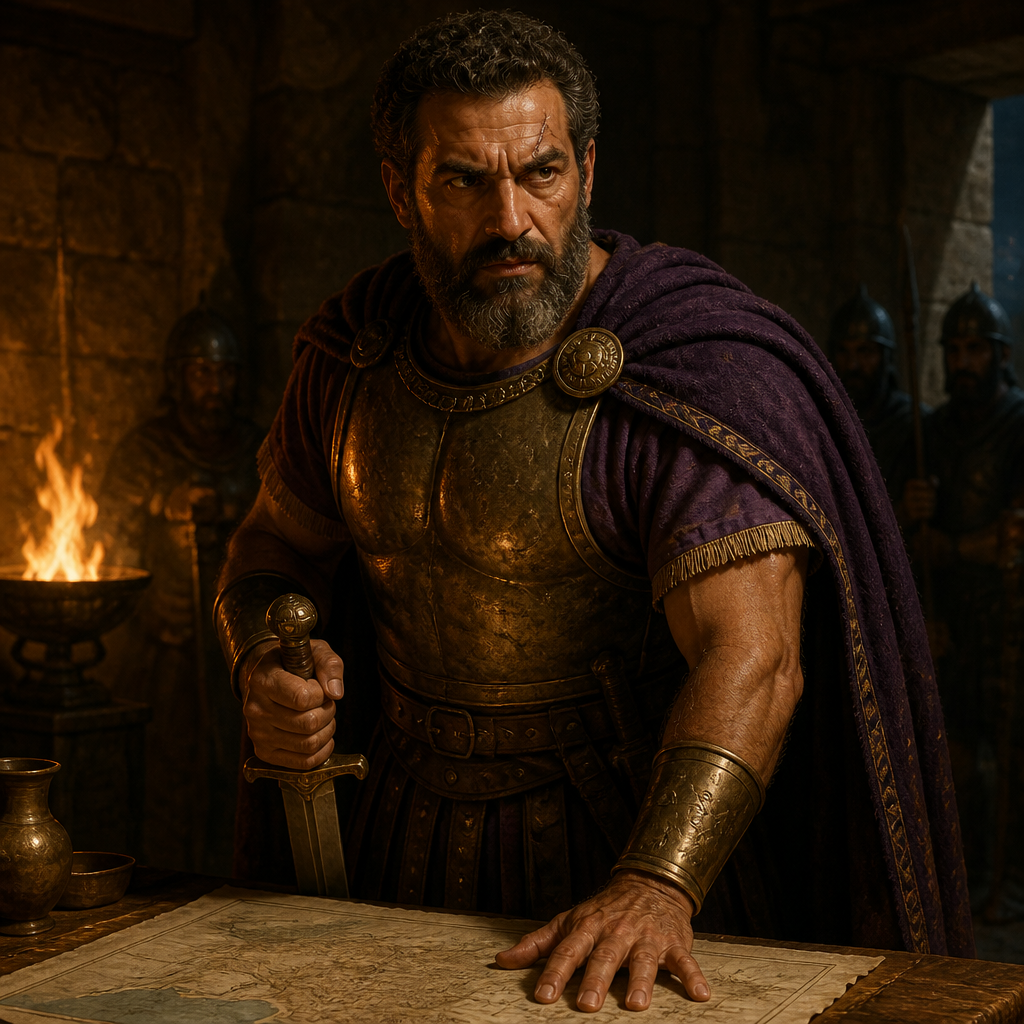
Pekah
King of Israel during Berechiah's lifetime
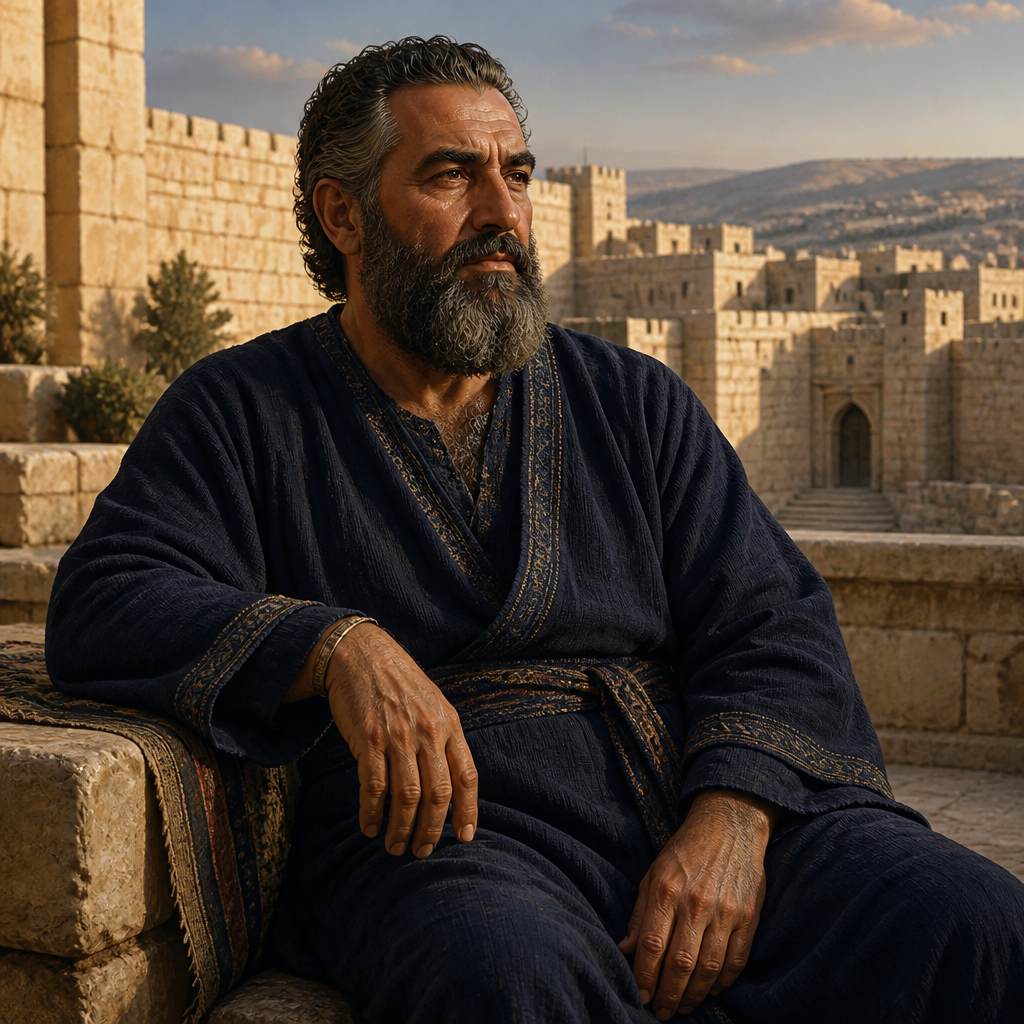
Meshillemoth
Father
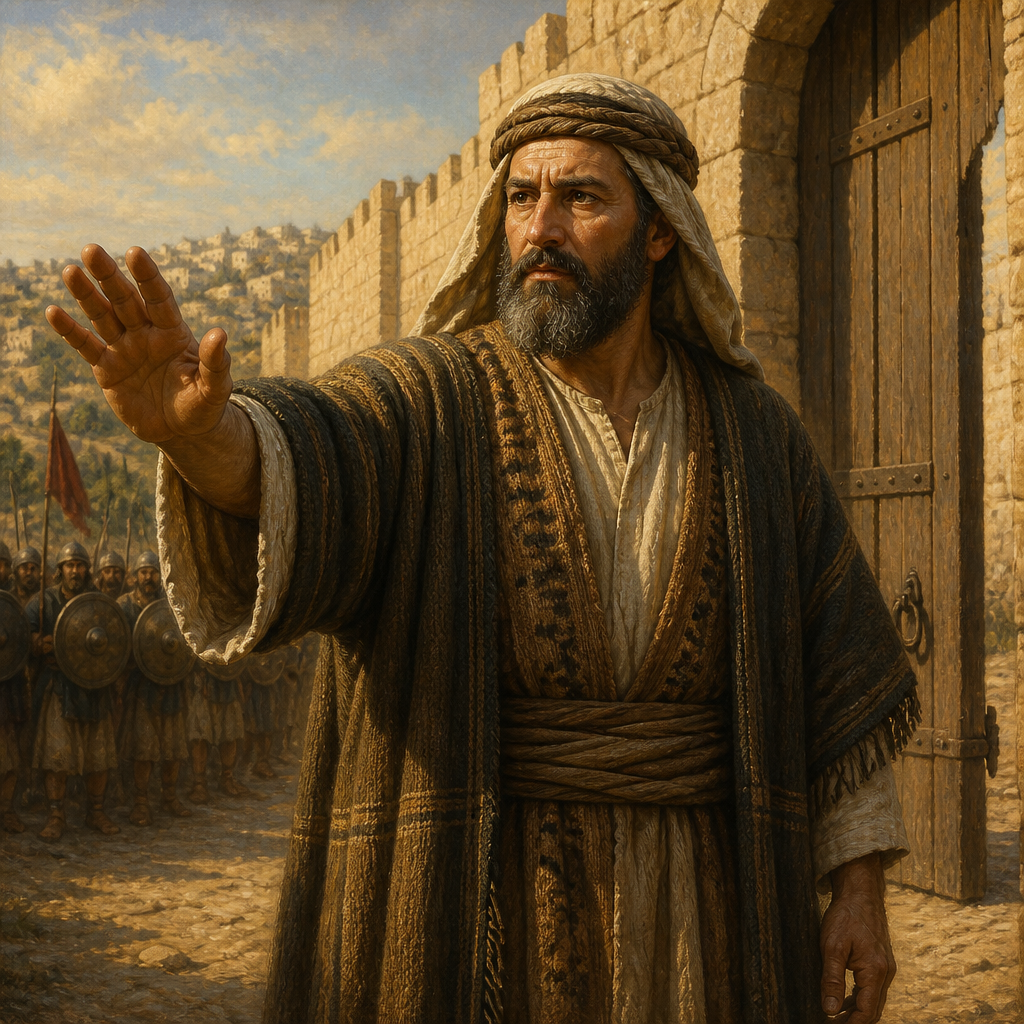
Azariah son of Jehohanan
Peer and fellow Ephraimite leader
Categories
Mentions by Book
- 2 Chronicles1
Family & Relationships
Parent
2 Chronicles 28:12
Others Named Berechiah
Berechiah, Son of Asa1 Chronicles 9:16
A Levite who returned from the Babylonian Exile and settled in the rural villages of the Netophathites near Jerusalem.
Berechiah, Son of Zerubbabel1 Chronicles 3:20
A descendant of the Davidic line and the third of five sons born to Zerubbabel, the governor of Judah.
Berechiah, Father of MeshullamNehemiah 3:4
A prominent Jewish man in Jerusalem during the Post-Exilic Period whose son, Meshullam, assisted Nehemiah in rebuilding the city walls.
Berechiah, Father of Asaph1 Chronicles 6:39
A Levite of the Gershonite line who served as a guardian of the Ark of the Covenant and was the father of the prominent musician Asaph.
Berechiah, Father of Zechariah the ProphetZechariah 1:1
Berechiah was the son of Iddo and the father of the prophet Zechariah, serving as a vital link in a priestly and prophetic lineage during the return from the Babylonian Exile.