Imrah
Who was Imrah in the Bible?
An Asherite of the era of the conquest and the judges, identified as one of the eleven sons of Zophah within the genealogical records of the tribe of Asher.
Imrah was a member of the tribe of Asher during the era of the conquest and the judges. He is documented specifically within the genealogical registers of 1 Chronicles, which serve to preserve the lineage and tribal heritage of the northern tribes of Israel. As the son of Zophah, Imrah represented a significant branch of the Asherite family tree, contributing to the demographic and military strength of the tribe during a period of shifting national boundaries and internal reorganization.
While his individual exploits are not detailed in the narrative, his placement within the list of Zophah’s sons signifies his status as a head of a household or a recognized figure within the tribal structure. Like many listed in these specific chapters, Imrah’s identity is defined primarily by his familial connections and his inheritance within the land of Israel.
Background and Family
Imrah appears in the genealogical records of 1 Chronicles 7, a chapter dedicated to the descendants of Issachar, Benjamin, Naphtali, Manasseh, Ephraim, and Asher. According to the text, Imrah was the son of Zophah. Zophah was a descendant of Helem (also identified as Helem's brother, Shamer, in some textual traditions), tracing back to Beriah and eventually to Asher, one of the twelve sons of Jacob.
Imrah was one of eleven brothers named in the lineage of Zophah. His siblings included Suah, Harnepher, Shual, Beri, Bezer, Hod, Shamma, Shilshah, Ithran, and Beera. The sheer number of named offspring attributed to Zophah suggests a robust and expanding family line within the tribe, which the Chronicler often highlights to demonstrate God’s faithfulness in multiplying the descendants of Israel despite the challenges of the era of the conquest and the judges.
Major Life Events
There are no specific narrative events, speeches, or historical actions recorded for Imrah. His life is preserved exclusively through his genealogical entry in 1 Chronicles 7:36. In the context of the era of the conquest and the judges, figures like Imrah represented the rank-and-file nobility or family leaders who maintained tribal identity while the kingdoms of Israel and Judah were politically separated.
Relationship to Other Biblical Figures
Imrah’s primary relationships are defined by his siblings and his father, Zophah. He is positioned as one of the central sons in the list, placed fifth among the eleven brothers. The record emphasizes the unity of the house of Zophah. His brother Ithran is also noted in the subsequent verse (v. 37), further cementing the family's presence in the tribal registry.
Spiritual Significance
While Imrah is a minor figure, his presence in the Bible underscores the theological theme that every individual within the covenant community is known and recorded by God. The Chronicler’s meticulous attention to names like Imrah reflects a post-exilic effort to rebuild the identity of Israel by looking back at the families who survived the Divided Monarchy. Imrah represents the continuity of the promise made to Asher that his descendants would be "favored by his brothers" and "dip his foot in oil" (Deuteronomy 33:24), as his family line remained distinct and documented through generations.
Imrah’s inclusion in the biblical canon serves as a testament to the preservation of tribal identity during the era of the conquest and the judges. As an Asherite, he represents the northern tribes' survival and their organized family structures, which the Chronicler deemed essential for the restoration of Israel’s national identity.
Theologically, Imrah belongs to the 'hidden' members of the covenant whose names are immortalized not for their personal deeds, but for their place within the family of God. His name contributes to the larger mosaic of the tribe of Asher, known for its prosperity and military readiness.
Frequently Asked Questions
Which tribe did Imrah belong to?
Imrah was a member of the tribe of Asher, one of the twelve tribes of Israel.
Who was Imrah's father?
Imrah was the son of Zophah, a descendant of Asher.
How many siblings did Imrah have?
According to 1 Chronicles 7:36-37, Imrah had ten brothers: Suah, Harnepher, Shual, Beri, Bezer, Hod, Shamma, Shilshah, Ithran, and Beera.
In which book of the Bible is Imrah mentioned?
Imrah is mentioned only in the book of 1 Chronicles, specifically in chapter 7, verse 36.
What does the name Imrah mean?
The Hebrew name Imrah (יִמְרָה) is generally understood to mean 'stubborn' or 'he resists,' or potentially derived from a root meaning 'to be high' or 'rebellious.'
Family & Relationships
Parents
 ZophahFather1 Chronicles 7:36Stated
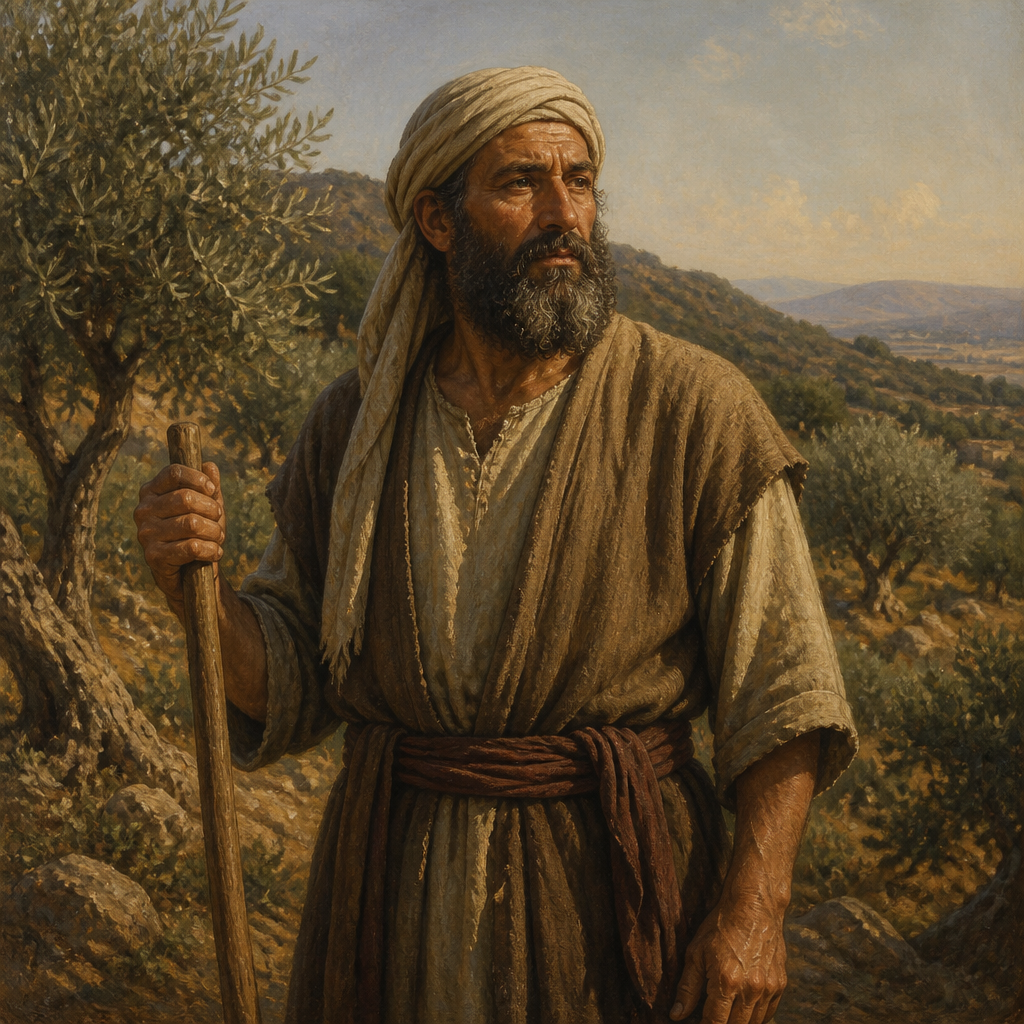 ImrahThis page
 BeeraBrother1 Chronicles 7:36–37Stated
 BeriBrother1 Chronicles 7:36Stated
 BezerBrother1 Chronicles 7:36–37Stated
 HarnepherBrother1 Chronicles 7:36Stated
 HodBrother1 Chronicles 7:36–37Stated
 Ithran, Asherite of the Divided MonarchyBrother1 Chronicles 7:36–37Stated
 ShammaBrother1 Chronicles 7:36–37Stated
 ShilshahBrother1 Chronicles 7:36–37Stated
 ShualBrother1 Chronicles 7:36Stated
 SuahBrother1 Chronicles 7:36Stated
Connected Figures
Family
Father · 1 Chronicles 7:36
Zophah was a tribal leader of the tribe of Asher and the eldest son of Helem, known for his large family during the era of the conquest and the judges.
Brother · 1 Chronicles 7:36–37
A descendant of Asher and a son of Zophah mentioned in the genealogical records of the Tribe of Asher during the era of the conquest and the judges.
Conquest and JudgesFirst: 1 Chronicles 7:372 versesMighty man of valorAsher
Brother · 1 Chronicles 7:36
Beri was a descendant of Asher and a son of Zophah, recognized within the genealogical records of the Tribe of Asher during the era of the conquest and the judges.
Conquest and JudgesFirst: 1 Chronicles 7:362 versesClan Leader or Mighty Man of ValorAsher
Brother · 1 Chronicles 7:36–37
Bezer was a descendant of Asher and a son of Zophah, listed in the genealogical records of the era of the conquest and the judges.
Conquest and JudgesFirst: 1 Chronicles 7:372 versesWarriorAsher
Brother · 1 Chronicles 7:36
An Asherite of the era of the conquest and the judges, Harnepher was a son of Zophah and a descendant of the patriarch Asher.
Brother · 1 Chronicles 7:36–37
A member of the tribe of Asher and one of the eleven sons of Zophah.
Conquest and JudgesFirst: 1 Chronicles 7:372 versesMighty man of valorAsher
Brother · 1 Chronicles 7:36–37
Ithran was a prominent member of the tribe of Asher and the son of Zophah.
Conquest and JudgesFirst: 1 Chronicles 7:373 versesMighty Man of ValorAsher
Brother · 1 Chronicles 7:36–37
A prominent descendant of Asher and a son of Zophah mentioned within the genealogical records of the era of the conquest and the judges.
Conquest and JudgesFirst: 1 Chronicles 7:372 versesMighty man of valorAsher
Brother · 1 Chronicles 7:36–37
Shilshah was a descendant of Asher and a son of Zophah, listed among the heads of their ancestral houses in the tribe of Asher.
Conquest and JudgesFirst: 1 Chronicles 7:372 versesWarriorAsher
Brother · 1 Chronicles 7:36
A prominent leader within the tribe of Asher during the era of the conquest and the judges, cited in the genealogies of 1 Chronicles.
Conquest and JudgesFirst: 1 Chronicles 7:364 versesHead of HouseAsher
Brother · 1 Chronicles 7:36
Suah was a descendant of Asher and a son of Zophah, recorded in the genealogies of the Tribe of Asher during the era of the conquest and the judges.
Conquest and JudgesFirst: 1 Chronicles 7:362 versesTribal leader or warriorAsher
Mentions by Book
- 1 Chronicles2
Scripture References
All 2 indexed verses, in canonical order, from the Berean Standard Bible.
1 Chronicles · 2
- 1 Chronicles 7:36
The sons of Zophah: Suah, Harnepher, Shual, Beri, Imrah,
- 1 Chronicles 7:37Partial
Bezer, Hod, Shamma, Shilshah, Ithran, and Beera.
Cited as evidence on a family card; added so References, Key Verses and Mentions by Book share one index.