Ithran, Asherite of the Divided Monarchy
Who was Ithran, Asherite of the Divided Monarchy, in the Bible?
Ithran was a prominent member of the tribe of Asher and the son of Zophah.
This is one of 2 people named Ithran in the Bible. See all 2 →
Ithran is a figure identified within the extensive genealogies of the tribe of Asher, preserved in the First Book of Chronicles. As a son of Zophah, he belonged to a lineage characterized by its strength, military readiness, and leadership within the northern tribal territories during the era of the conquest and the judges. The biblical record places his family within a context of regional significance and tribal prosperity.
While biographical details regarding his specific actions or speeches are absent from the text, his inclusion in the chronicler's record serves to establish the continuity and preservation of the Asherite heritage. His household contributed to the broader census of 'mighty men of valor' and 'choice leaders' that defined the tribe's contribution to the national identity of Israel.
Background and Family
Ithran appears in the genealogical records of 1 Chronicles 7, a section dedicated to the descendants of Asher, the eighth son of Jacob. He was the son of Zophah, who is described as a descendant of Heber. The family of Zophah was exceptionally large and influential, as evidenced by the listing of Ithran's eleven siblings: Suah, Harnepher, Shual, Beri, Imrah, Bezer, Hod, Shamma, Shilshah, and Beera.
The chronicler highlights this specific branch of the Asherites as being composed of "heads of their fathers’ houses, choice and mighty men of valor, chief of the princes" (1 Chronicles 7:40). This suggests that Ithran was raised within an aristocratic or military elite framework within his tribe, contributing to a family unit that was counted for its strength and leadership capacity.
Major Life Events
There are no narrative events recorded for Ithran's life beyond his birth and the fathering of his own children.
Ithran is noted for being the father of three sons: Jephunneh, Pispa, and Ara. In the text of 1 Chronicles 7:38, he is referred to by the slightly variant name "Jether" (a common linguistic shortening in Hebrew), while the preceding verse identifies him as Ithran. This transition from son to father in the text marks the continuation of the Zophahite line into a new generation, ensuring that the inheritance and duties of the tribe of Asher remained intact.
Relationship to Other Biblical Figures
Ithran’s primary relationships are defined by his vast extended family. As a son of Zophah, he was part of a prestigious sibling group of eleven brothers. His sons—Jephunneh, Pispa, and Ara—extended his legacy. It is important to note that while his son bears the name Jephunneh, this individual is distinct from the more famous Jephunneh the Kenezite, who was the father of Caleb. Ithran’s placement in the tribe of Asher distinguishes his family from the Judean and Calebite lineages, placing him geographically in the northern regions of the Promised Land.
Spiritual Significance
In the context of 1 Chronicles, the significance of a figure like Ithran lies in the theology of "All Israel." The chronicler, their lineages were preserved by God. Ithran represents a link in the chain of God's covenant people. The description of his family as "choice and mighty men of valor" underscores the biblical theme that God empowers specific lineages to serve as protectors and leaders for the community. His presence in the canon validates the importance of every individual within the tribal structure, regardless of whether their specific deeds were recorded in the narrative histories.
Ithran's significance is found in the preservation of the tribal identity of Asher during the era of the conquest and the judges. His inclusion in the 1 Chronicles genealogy serves as a testament to the meticulous record-keeping of the Israelites and their belief that every branch of the family of Jacob was vital to the national and spiritual whole. As a 'mighty man of valor,' he represents the military and social backbone of the northern tribes.
Furthermore, Ithran’s role as a father of three named sons illustrates the biblical emphasis on legacy and the fulfillment of the command to be fruitful and multiply. His life, though summarized in two verses, contributes to the overarching biblical narrative of a God who remembers the names and families of His people through generations of political upheaval and division.
Frequently Asked Questions
Which tribe did Ithran belong to?
Ithran was a member of the tribe of Asher, one of the northern tribes of Israel.
Who was Ithran's father?
His father was Zophah, a descendant of Heber within the tribe of Asher.
Did Ithran have any children?
Yes, the Bible records three sons for Ithran (referred to as Jether in 1 Chronicles 7:38): Jephunneh, Pispa, and Ara.
Is the Jephunneh mentioned as Ithran's son the same as Caleb's father?
No, they are different individuals. Ithran's son Jephunneh belongs to the tribe of Asher, whereas Caleb’s father Jephunneh was a Kenezite associated with the tribe of Judah.
Why is Ithran called Jether in some verses?
In Hebrew, 'Ithran' and 'Jether' are derived from the same root (meaning 'abundance' or 'excellence'). It was common for names to be used in both their full and contracted forms within genealogical records.
Family & Relationships
Parents
 ZophahFather1 Chronicles 7:36–37Stated
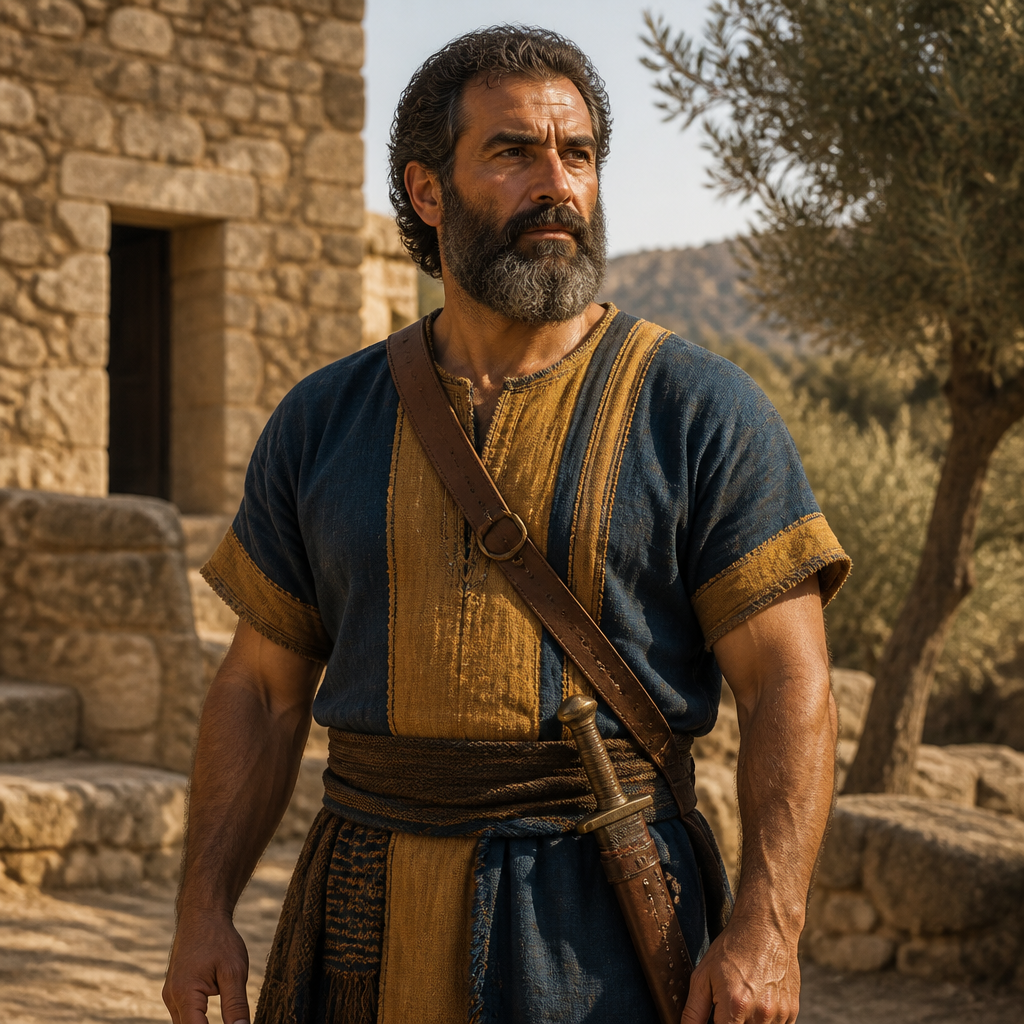 Ithran, Asherite of the Divided MonarchyThis page
 BeeraBrother1 Chronicles 7:37Stated
 BeriBrother1 Chronicles 7:36–37Stated
 BezerBrother1 Chronicles 7:37Stated
 HarnepherBrother1 Chronicles 7:36–37Stated
 HodBrother1 Chronicles 7:37Stated
 ImrahBrother1 Chronicles 7:36–37Stated
 ShammaBrother1 Chronicles 7:37Stated
 ShilshahBrother1 Chronicles 7:37Stated
 ShualBrother1 Chronicles 7:36–37Stated
 SuahBrother1 Chronicles 7:36–37Stated
Children
 AraSon1 Chronicles 7:37
Inferred
No verse names Ara and Ithran together; the father link is carried from the surrounding genealogy and is not stated in Scripture.Evidence: 1 Chronicles 7:37
 Jephunneh, Asherite of the Divided MonarchySon1 Chronicles 7:37
Inferred
No verse names Ithran and Jephunneh together; the son link is carried from the surrounding genealogy and is not stated in Scripture.Evidence: 1 Chronicles 7:37
 PispaSon1 Chronicles 7:37
Inferred
No verse names Ithran and Pispa together; the son link is carried from the surrounding genealogy and is not stated in Scripture.Evidence: 1 Chronicles 7:37
Connected Figures
Family
Father · 1 Chronicles 7:36–37
Zophah was a tribal leader of the tribe of Asher and the eldest son of Helem, known for his large family during the era of the conquest and the judges.
Son · 1 Chronicles 7:37
Ara was a descendant of the tribe of Asher mentioned in the genealogies of 1 Chronicles during the era of the conquest and the judges.
Conquest and JudgesFirst: 1 Chronicles 7:382 versesMighty man of valorAsher
Son · 1 Chronicles 7:37
An Asherite descendant of Jether identified within the genealogical records of the era of the conquest and the judges.
Conquest and JudgesFirst: 1 Chronicles 7:382 versesMighty man of valorAsher
Son · 1 Chronicles 7:37
An Asherite of the era of the conquest and the judges, named in the tribal genealogies of 1 Chronicles as a son of Jether.
Conquest and JudgesFirst: 1 Chronicles 7:382 versesWarriorAsher
Brother · 1 Chronicles 7:37
A descendant of Asher and a son of Zophah mentioned in the genealogical records of the Tribe of Asher during the era of the conquest and the judges.
Conquest and JudgesFirst: 1 Chronicles 7:372 versesMighty man of valorAsher
Brother · 1 Chronicles 7:36–37
Beri was a descendant of Asher and a son of Zophah, recognized within the genealogical records of the Tribe of Asher during the era of the conquest and the judges.
Conquest and JudgesFirst: 1 Chronicles 7:362 versesClan Leader or Mighty Man of ValorAsher
Brother · 1 Chronicles 7:37
Bezer was a descendant of Asher and a son of Zophah, listed in the genealogical records of the era of the conquest and the judges.
Conquest and JudgesFirst: 1 Chronicles 7:372 versesWarriorAsher
Brother · 1 Chronicles 7:36–37
An Asherite of the era of the conquest and the judges, Harnepher was a son of Zophah and a descendant of the patriarch Asher.
Brother · 1 Chronicles 7:37
A member of the tribe of Asher and one of the eleven sons of Zophah.
Conquest and JudgesFirst: 1 Chronicles 7:372 versesMighty man of valorAsher
Brother · 1 Chronicles 7:36–37
An Asherite of the era of the conquest and the judges, identified as one of the eleven sons of Zophah within the genealogical records of the tribe of Asher.
Conquest and JudgesFirst: 1 Chronicles 7:362 versesTribal leader or head of householdAsher
Brother · 1 Chronicles 7:37
A prominent descendant of Asher and a son of Zophah mentioned within the genealogical records of the era of the conquest and the judges.
Conquest and JudgesFirst: 1 Chronicles 7:372 versesMighty man of valorAsher
Brother · 1 Chronicles 7:37
Shilshah was a descendant of Asher and a son of Zophah, listed among the heads of their ancestral houses in the tribe of Asher.
Conquest and JudgesFirst: 1 Chronicles 7:372 versesWarriorAsher
Mentions by Book
- 1 Chronicles3
Scripture References
All 3 indexed verses, in canonical order, from the Berean Standard Bible.
1 Chronicles · 3
- 1 Chronicles 7:36Partial
The sons of Zophah: Suah, Harnepher, Shual, Beri, Imrah,
Cited as evidence on a family card; added so References, Key Verses and Mentions by Book share one index.
- 1 Chronicles 7:37
Bezer, Hod, Shamma, Shilshah, Ithran, and Beera.
- 1 Chronicles 7:38
The sons of Jether: Jephunneh, Pispa, and Ara.
Others Named Ithran
Compare all 2 bearers →Ithran, Son of DishonGenesis 36:26
Ithran was a Horite chieftain and descendant of Seir the Horite, listed among the genealogical records of the land of Edom.