Suah
Who was Suah in the Bible?
Suah was a descendant of Asher and a son of Zophah, recorded in the genealogies of the Tribe of Asher during the era of the conquest and the judges.
Suah is a biblical figure mentioned exclusively within the genealogical records of the Tribe of Asher. He is identified as the first-born son of Zophah, a descendant of Heber. His inclusion in the Chronicler’s records serves to preserve the lineage of the northern tribes during the strategic reorganizations of the era of the conquest and the judges.
While Suah’s personal biography is not expanded upon in the biblical narrative, his name—meaning 'sweeping' or 'filth' in some Hebrew etymological contexts—identifies him as a member of a large and significant family unit. He was one of eleven siblings who represented the strength and proliferation of the house of Zophah.
Background and Family
Suah appears in the biblical record within the comprehensive genealogies of 1 Chronicles. He is situated within the lineage of Asher, one of the twelve sons of Jacob. Specifically, Suah is the son of Zophah. The biblical text in 1 Chronicles 7:36 lists him alongside a large group of siblings: Harnepher, Shual, Beri, Imrah, Bezer, Hod, Shamma, Shilshah, Ithran, and Beera.
This extensive list of brothers suggests that the household of Zophah was a prominent and populous branch of the Asherite tribe. The genealogies of Asher are noted for their emphasis on 'heads of their fathers’ houses, choice and mighty men of valor' (1 Chronicles 7:40), implying that Suah belonged to a class of influential tribal leaders or warriors during the era of the conquest and the judges.
Major Life Events
The biblical text does not record specific deeds, speeches, or events associated with Suah. His life is preserved solely through his inclusion in the tribal census and lineage records. This lack of narrative detail is typical for many figures in the Books of Chronicles, where the primary purpose was to establish the legal and ancestral rights of families returning to the land or maintaining their identity amidst the shifts of the era of the conquest and the judges.
Relationship to Other Biblical Figures
Suah’s primary biblical context is defined by his relationship to his father, Zophah, and his ten brothers. As part of the Tribe of Asher, he is a distant descendant of the patriarch Asher. The record of his siblings—including figures like Bezer and Ithran—highlights a specific generation of Asherites who were recognized for their standing within the tribal hierarchy. Unlike other tribes that faced rapid assimilation, the preservation of Suah’s name indicates a successful effort to maintain the record of the northern families.
Spiritual Significance
The significance of Suah lies in the theological importance of genealogy in the Old Testament. In the context of the era of the conquest and the judges, being recorded in the scrolls of the ancestors served as proof of belonging to the covenant people of Israel. Though Suah is a 'minor' figure by narrative standards, his presence in the Holy Scripture underscores the biblical theme that every member of the covenant community is known and accounted for by God. His life represents the quiet continuity of the Israelite people through generations of political upheaval.
Suah represents the continuity of the Tribe of Asher during the turbulent era of the era of the conquest and the judges. His inclusion in the genealogical records of 1 Chronicles 7:36 serves to document the strength and expansion of the northern tribes, emphasizing that even those without a detailed narrative history were essential components of the nation of Israel.
From a theological perspective, Suah’s record affirms the importance of heritage and tribal identity within the biblical framework. His name contributes to the larger mosaic of the 'choice and mighty men of valor' who constituted the strength of the tribe of Asher.
Frequently Asked Questions
Who was Suah's father?
Suah was the son of Zophah, a descendant of Asher.
Which tribe did Suah belong to?
Suah belonged to the Tribe of Asher.
How many siblings did Suah have?
Suah had ten recorded siblings: Harnepher, Shual, Beri, Imrah, Bezer, Hod, Shamma, Shilshah, Ithran, and Beera.
In which book of the Bible is Suah mentioned?
Suah is mentioned only in the Book of 1 Chronicles, specifically in chapter 7, verse 36.
Family & Relationships
Parents
 ZophahFather1 Chronicles 7:36Stated
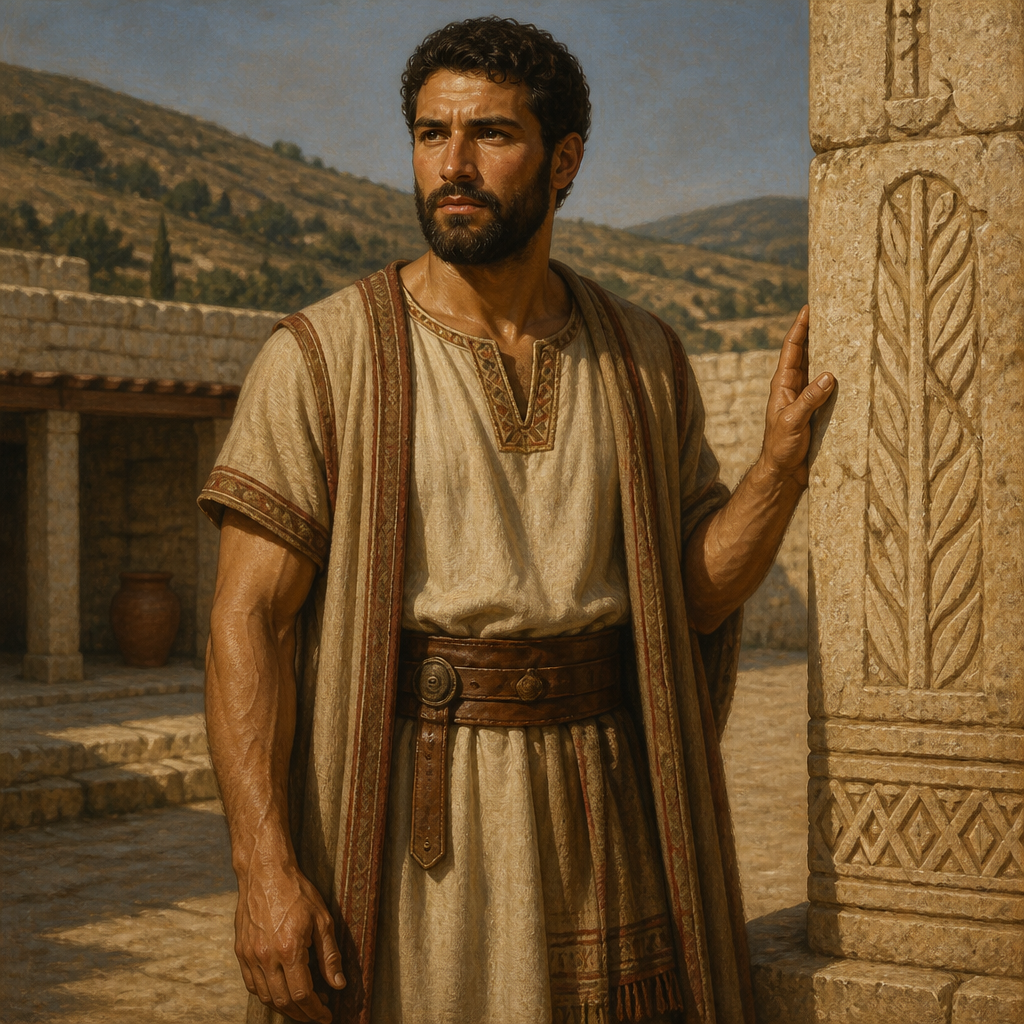 SuahThis page
 BeeraBrother1 Chronicles 7:36–37Stated
 BeriBrother1 Chronicles 7:36Stated
 BezerBrother1 Chronicles 7:36–37Stated
 HarnepherBrother1 Chronicles 7:36Stated
 HodBrother1 Chronicles 7:36–37Stated
 ImrahBrother1 Chronicles 7:36Stated
 Ithran, Asherite of the Divided MonarchyBrother1 Chronicles 7:36–37Stated
 ShammaBrother1 Chronicles 7:36–37Stated
 ShilshahBrother1 Chronicles 7:36–37Stated
 ShualBrother1 Chronicles 7:36Stated
Connected Figures
Family
Father · 1 Chronicles 7:36
Zophah was a tribal leader of the tribe of Asher and the eldest son of Helem, known for his large family during the era of the conquest and the judges.
Brother · 1 Chronicles 7:36–37
A descendant of Asher and a son of Zophah mentioned in the genealogical records of the Tribe of Asher during the era of the conquest and the judges.
Conquest and JudgesFirst: 1 Chronicles 7:372 versesMighty man of valorAsher
Brother · 1 Chronicles 7:36
Beri was a descendant of Asher and a son of Zophah, recognized within the genealogical records of the Tribe of Asher during the era of the conquest and the judges.
Conquest and JudgesFirst: 1 Chronicles 7:362 versesClan Leader or Mighty Man of ValorAsher
Brother · 1 Chronicles 7:36–37
Bezer was a descendant of Asher and a son of Zophah, listed in the genealogical records of the era of the conquest and the judges.
Conquest and JudgesFirst: 1 Chronicles 7:372 versesWarriorAsher
Brother · 1 Chronicles 7:36
An Asherite of the era of the conquest and the judges, Harnepher was a son of Zophah and a descendant of the patriarch Asher.
Brother · 1 Chronicles 7:36–37
A member of the tribe of Asher and one of the eleven sons of Zophah.
Conquest and JudgesFirst: 1 Chronicles 7:372 versesMighty man of valorAsher
Brother · 1 Chronicles 7:36
An Asherite of the era of the conquest and the judges, identified as one of the eleven sons of Zophah within the genealogical records of the tribe of Asher.
Conquest and JudgesFirst: 1 Chronicles 7:362 versesTribal leader or head of householdAsher
Brother · 1 Chronicles 7:36–37
Ithran was a prominent member of the tribe of Asher and the son of Zophah.
Conquest and JudgesFirst: 1 Chronicles 7:373 versesMighty Man of ValorAsher
Brother · 1 Chronicles 7:36–37
A prominent descendant of Asher and a son of Zophah mentioned within the genealogical records of the era of the conquest and the judges.
Conquest and JudgesFirst: 1 Chronicles 7:372 versesMighty man of valorAsher
Brother · 1 Chronicles 7:36–37
Shilshah was a descendant of Asher and a son of Zophah, listed among the heads of their ancestral houses in the tribe of Asher.
Conquest and JudgesFirst: 1 Chronicles 7:372 versesWarriorAsher
Brother · 1 Chronicles 7:36
A prominent leader within the tribe of Asher during the era of the conquest and the judges, cited in the genealogies of 1 Chronicles.
Conquest and JudgesFirst: 1 Chronicles 7:364 versesHead of HouseAsher
Mentions by Book
- 1 Chronicles2
Scripture References
All 2 indexed verses, in canonical order, from the Berean Standard Bible.
1 Chronicles · 2
- 1 Chronicles 7:36
The sons of Zophah: Suah, Harnepher, Shual, Beri, Imrah,
- 1 Chronicles 7:37Partial
Bezer, Hod, Shamma, Shilshah, Ithran, and Beera.
Cited as evidence on a family card; added so References, Key Verses and Mentions by Book share one index.