Harnepher
Who was Harnepher in the Bible?
An Asherite of the era of the conquest and the judges, Harnepher was a son of Zophah and a descendant of the patriarch Asher.
Harnepher is a figure mentioned in the genealogical records of the Tribe of Asher within the Old Testament. He lived during the era of the conquest and the judges. As a member of the tribe of Asher, his lineage is preserved to highlight the continued identity and strength of the northern tribes during this turbulent historical phase.
While Harnepher is not associated with any recorded narrative actions or speeches, his inclusion in the chronicler's list serves a vital administrative and theological purpose. He is identified specifically as one of the sons of Zophah, positioning him within a prominent family of warriors and heads of ancestral houses. His name appears alongside ten brothers, suggesting a large and significant household within the tribal structure of Asher.
Background and Family
Harnepher belongs to the post-settlement lineage of the tribe of Asher. According to the genealogical records found in 1 Chronicles, he was the son of Zophah. Zophah is described as a descendant of Helem (likely the same as Hotham), tracing back to Beriah and eventually to the patriarch Asher, the eighth son of Jacob. Harnepher’s family was notably large; the biblical text lists him alongside ten siblings: Suah, Shual, Beri, Imrah, Bezer, Hod, Shamma, Shilshah, Ithran, and Beera.
The tribe of Asher was traditionally associated with the fertile coastal region of Galilee. By the time of the era of the conquest and the judges, the genealogies compiled in Chronicles aimed to demonstrate that despite the political divisions and the eventual Assyrian threat, the internal structure of the tribes remained a matter of divine record. Harnepher, though his individual life remains obscure, represents the continuation of this tribal heritage.
Major Life Events
There are no specific life events, military campaigns, or political appointments recorded for Harnepher in the biblical canon. His entire biographical footprint is contained within a single verse: 1 Chronicles 7:36. In the context of the Book of Chronicles, such figures are often included to establish the legitimacy of certain clans or to provide a census-like record of the "mighty men of valor" who led their respective houses. As a son of Zophah, Harnepher would have been considered a leader or a head of a household within the Asherite social hierarchy.
Relationship to Other Biblical Figures
Harnepher is primarily defined by his relationship to his father, Zophah, and his ten brothers. The text emphasizes his position within a peer group of eleven sons. His siblings—Suah, Shual, Beri, Imrah, Bezer, Hod, Shamma, Shilshah, Ithran, and Beera—together formed the core of the Zophahite clan. These names, including Harnepher, are preserved as part of the broader effort by the chronicler to document the "heads of their fathers’ houses, choice men, mighty men of valor, chief leaders" (1 Chronicles 7:40).
Spiritual Significance
In a scholarly context, Harnepher’s presence in the Bible illustrates the importance of the individual within the communal identity of Israel. The detailed preservation of his name underscores the biblical theme that every member of the covenant community, regardless of how little is known of their personal history, is significant in the sight of God.
The primary significance of Harnepher lies in his role as a representative of the Tribe of Asher during the era of the conquest and the judges. His inclusion in the genealogies of 1 Chronicles reflects the biblical emphasis on heritage and the preservation of tribal identity. As a 'son of Zophah,' he is part of a list that characterizes the Asherites as 'choice men' and 'mighty men of valor.'
From a theological perspective, Harnepher represents the 'silent majority' of the biblical world—those who did not perform miracles or rule nations but who maintained the continuity of the people of Israel. His name, possibly of Egyptian origin (suggesting 'Horus is beautiful' or 'Horus is merciful'), also hints at the cultural interactions occurring within the northern tribes during this era.
Frequently Asked Questions
Which tribe did Harnepher belong to?
Harnepher belonged to the Tribe of Asher, one of the twelve tribes of Israel.
Who was Harnepher's father?
Harnepher was the son of Zophah.
How many siblings did Harnepher have?
According to 1 Chronicles 7:36-37, Harnepher had ten brothers: Suah, Shual, Beri, Imrah, Bezer, Hod, Shamma, Shilshah, Ithran, and Beera.
Family & Relationships
Parents
 ZophahFather1 Chronicles 7:36Stated
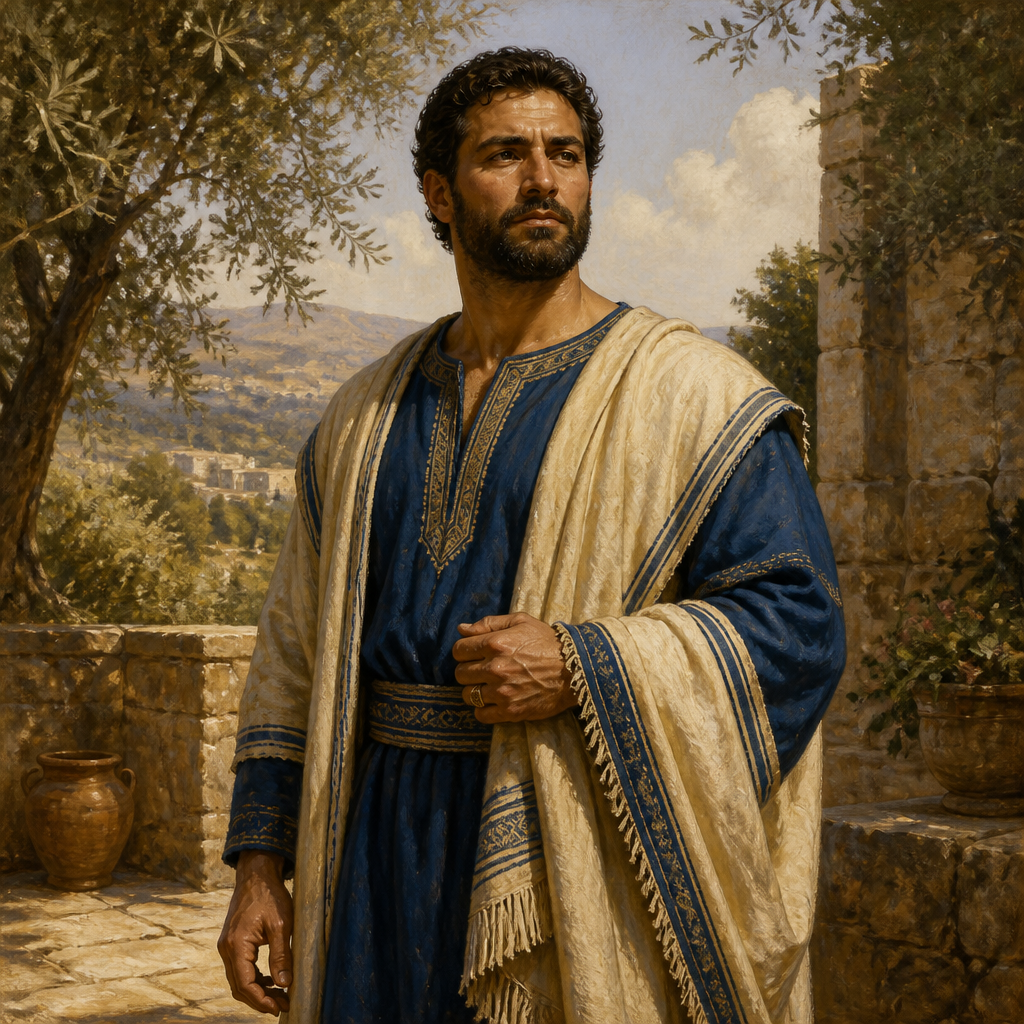 HarnepherThis page
 BeeraBrother1 Chronicles 7:36–37Stated
 BeriBrother1 Chronicles 7:36Stated
 BezerBrother1 Chronicles 7:36–37Stated
 HodBrother1 Chronicles 7:36–37Stated
 ImrahBrother1 Chronicles 7:36Stated
 Ithran, Asherite of the Divided MonarchyBrother1 Chronicles 7:36–37Stated
 ShammaBrother1 Chronicles 7:36–37Stated
 ShilshahBrother1 Chronicles 7:36–37Stated
 ShualBrother1 Chronicles 7:36Stated
 SuahBrother1 Chronicles 7:36Stated
Connected Figures
Family
Father · 1 Chronicles 7:36
Zophah was a tribal leader of the tribe of Asher and the eldest son of Helem, known for his large family during the era of the conquest and the judges.
Brother · 1 Chronicles 7:36–37
A descendant of Asher and a son of Zophah mentioned in the genealogical records of the Tribe of Asher during the era of the conquest and the judges.
Conquest and JudgesFirst: 1 Chronicles 7:372 versesMighty man of valorAsher
Brother · 1 Chronicles 7:36
Beri was a descendant of Asher and a son of Zophah, recognized within the genealogical records of the Tribe of Asher during the era of the conquest and the judges.
Conquest and JudgesFirst: 1 Chronicles 7:362 versesClan Leader or Mighty Man of ValorAsher
Brother · 1 Chronicles 7:36–37
Bezer was a descendant of Asher and a son of Zophah, listed in the genealogical records of the era of the conquest and the judges.
Conquest and JudgesFirst: 1 Chronicles 7:372 versesWarriorAsher
Brother · 1 Chronicles 7:36–37
A member of the tribe of Asher and one of the eleven sons of Zophah.
Conquest and JudgesFirst: 1 Chronicles 7:372 versesMighty man of valorAsher
Brother · 1 Chronicles 7:36
An Asherite of the era of the conquest and the judges, identified as one of the eleven sons of Zophah within the genealogical records of the tribe of Asher.
Conquest and JudgesFirst: 1 Chronicles 7:362 versesTribal leader or head of householdAsher
Brother · 1 Chronicles 7:36–37
Ithran was a prominent member of the tribe of Asher and the son of Zophah.
Conquest and JudgesFirst: 1 Chronicles 7:373 versesMighty Man of ValorAsher
Brother · 1 Chronicles 7:36–37
A prominent descendant of Asher and a son of Zophah mentioned within the genealogical records of the era of the conquest and the judges.
Conquest and JudgesFirst: 1 Chronicles 7:372 versesMighty man of valorAsher
Brother · 1 Chronicles 7:36–37
Shilshah was a descendant of Asher and a son of Zophah, listed among the heads of their ancestral houses in the tribe of Asher.
Conquest and JudgesFirst: 1 Chronicles 7:372 versesWarriorAsher
Brother · 1 Chronicles 7:36
A prominent leader within the tribe of Asher during the era of the conquest and the judges, cited in the genealogies of 1 Chronicles.
Conquest and JudgesFirst: 1 Chronicles 7:364 versesHead of HouseAsher
Brother · 1 Chronicles 7:36
Suah was a descendant of Asher and a son of Zophah, recorded in the genealogies of the Tribe of Asher during the era of the conquest and the judges.
Conquest and JudgesFirst: 1 Chronicles 7:362 versesTribal leader or warriorAsher
Mentions by Book
- 1 Chronicles2
Scripture References
All 2 indexed verses, in canonical order, from the Berean Standard Bible.
1 Chronicles · 2
- 1 Chronicles 7:36
The sons of Zophah: Suah, Harnepher, Shual, Beri, Imrah,
- 1 Chronicles 7:37Partial
Bezer, Hod, Shamma, Shilshah, Ithran, and Beera.
Cited as evidence on a family card; added so References, Key Verses and Mentions by Book share one index.