Hermes
A 1st-century Christian in Rome to whom the Apostle Paul sent specific greetings in his epistle to the Romans.
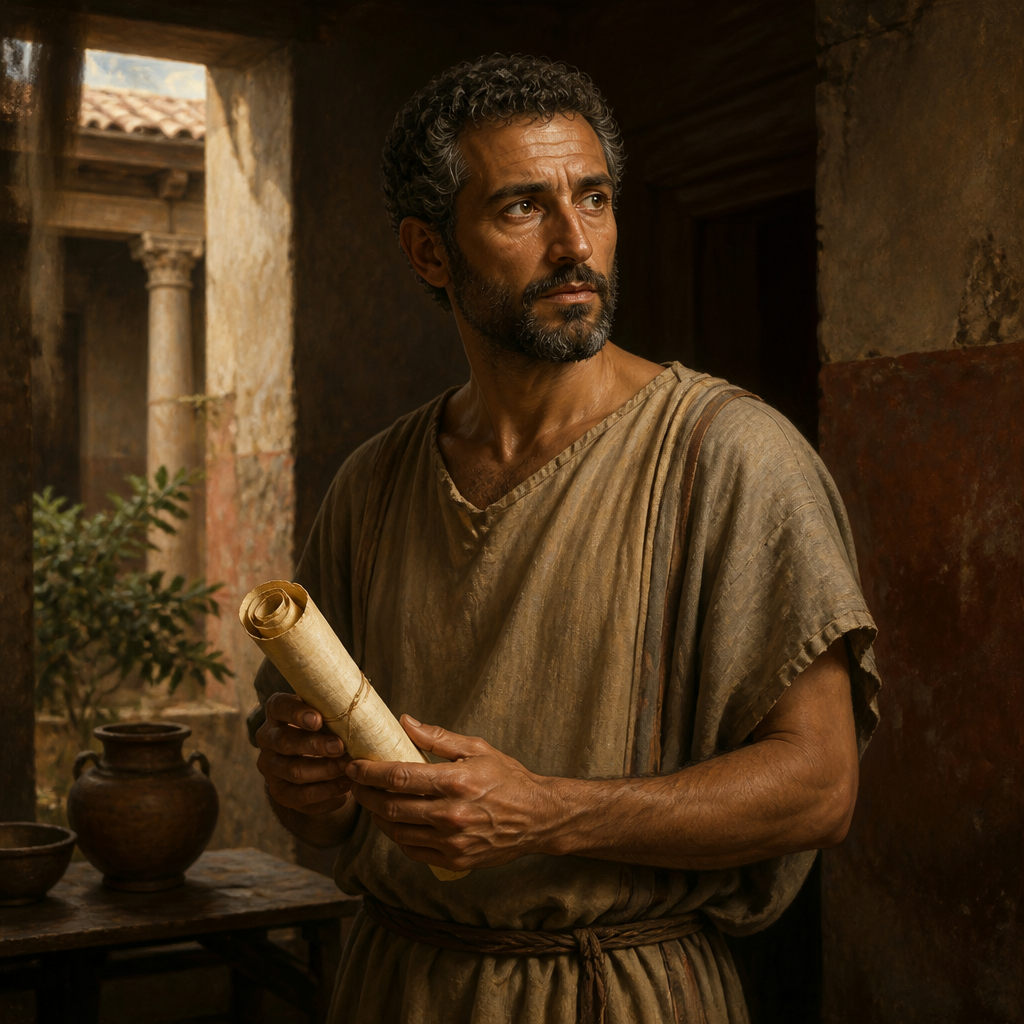
Hermes was a member of the early Christian community in Rome during the mid-1st century AD. He is known exclusively through a single mention in the New Testament, appearing in the extensive list of greetings that concludes the Apostle Paul’s Epistle to the Romans. His inclusion in this list indicates that he was a person of recognized standing within the Roman house churches and was known personally or by reputation to Paul.
While the biblical record provides no biographical details regarding his heritage, occupation, or specific ministry, the context of his mention suggests he was part of a specific group or household of believers. He is listed alongside other figures such as Asyncritus, Phlegon, Patrobas, and Hermas, implying a communal or functional connection between these individuals in the city of Rome.
Background and Family
The biblical record provides no explicit information regarding the background, ancestry, or family of Hermes. His name is of Greek origin, derived from the name of the Greek messenger god, which was common among slaves and freedmen in the Roman Empire during the 1st century AD. Because he is mentioned in Romans 16, it is certain that he was residing in Rome around 57 AD when the Apostle Paul composed this letter. Whether he was a native Roman, a Greek immigrant, or a member of the Jewish diaspora remains a matter of historical silence.
Major Life Events
There are no specific life events recorded for Hermes in the Holy Scriptures. His entire biblical footprint is contained within a single verse:
Greet Asyncritus, Phlegon, Hermes, Patrobas, Hermas, and the brothers with them. (Romans 16:14)
From this reference, scholars infer that Hermes was an active participant in the Roman Christian movement. Paul’s greeting to him, along with "the brothers with them," suggests that Hermes may have been a leader or a prominent member of a specific house church. In the early decades of Christianity, before the establishment of dedicated church buildings, believers met in private homes. Hermes is grouped with four other men, which may indicate they shared a common meeting place or were part of a specific ministry collective within the city.
Relationship to Other Biblical Figures
Hermes is directly associated with Asyncritus, Phlegon, Patrobas, and Hermas. The phrasing "and the brothers with them" indicates a fraternal bond in the faith. While Paul greets him warmly, the text does not clarify if Hermes had met Paul previously (perhaps in the East) or if Paul was greeting him based on the high reports of his faithfulness. Hermes stands as a representative of the diverse, often non-aristocratic population of the early church that formed the backbone of the Christian witness in the capital of the Empire.
Spiritual Significance
The spiritual significance of Hermes lies in his inclusion in the "communion of saints." Though his individual deeds are not chronicled, his name is preserved in the canon of Scripture as a recipient of apostolic greeting. This underscores the New Testament theme that every member of the Body of Christ, regardless of how "minor" their role appears in history, is known by name and valued in the mission of the Gospel. His presence in the Roman church during a time of increasing scrutiny and eventual persecution under Nero demonstrates a life committed to the burgeoning Christian faith in a pagan environment.
Spiritual Significance
Hermes serves as a historical marker of the growth of the early church in Rome. His inclusion in the Pauline greetings highlights the communal nature of the 1st-century church, showing that the faith was spread and maintained by small groups of dedicated individuals working in unison within the imperial capital.
Theologically, Hermes represents the fulfillment of the Great Commission reaching the heart of the Roman Empire. His Greek name appearing in a letter to the Romans illustrates the ethnic and cultural diversity of the early Christian community, where traditional social and national barriers were being superseded by a common identity in Christ.
Frequently Asked Questions
Where is Hermes mentioned in the Bible?
Hermes is mentioned only once in the Bible, in Romans 16:14.
Was Hermes an apostle?
The Bible does not identify Hermes as an apostle; he is described as one of the 'brothers' or believers in Rome.
What does the name 'Hermes' mean?
The name is Greek (Ἑρμῆς) and refers to the messenger god of Greek mythology, though it was a common given name in the Roman era.
Did Hermes know the Apostle Paul personally?
The text does not explicitly state they met, but Paul's personal greeting suggests either a prior relationship or a strong awareness of Hermes' work in the Roman church.
Connected Figures

Paul the Apostle
Apostolic sender of greetings

Asyncritus
Fellow believer in Rome
Phlegon
Fellow believer in Rome

Patrobas
Fellow believer in Rome

Hermas
Fellow believer in Rome
Categories
Mentions by Book
- Romans1