Simeon at the Temple
A righteous and devout man in Jerusalem who, led by the Holy Spirit, recognized the infant Jesus as the promised Messiah during His presentation at the Temple.
Simeon is a figure appearing in the Gospel of Luke during the narrative of Jesus' infancy. Described as a man residing in Jerusalem who was both 'righteous and devout,' he is characterized by his patient expectation of the 'consolation of Israel.' The biblical account emphasizes that the Holy Spirit rested upon him, providing him with the divine assurance that he would not face death until he had witnessed the Lord’s Christ (the Messiah).
His role in the biblical narrative is primarily prophetic. When Mary and Joseph brought the infant Jesus to the Temple to perform the rites prescribed by the Law of Moses, Simeon was prompted by the Spirit to enter the Temple courts. Upon seeing the child, he took Him into his arms and offered a blessing that confirmed Jesus’ identity as the savior of both Israel and the Gentiles, while also foretelling the sorrow that would eventually touch Mary.
Background and Family
The biblical record provides very little biographical detail regarding Simeon’s lineage or personal history. Unlike many prominent figures in the New Testament, his parentage and tribe are not recorded in the Lucan account. He is introduced simply as a man in Jerusalem. While later traditions and apocryphal works have attempted to identify him as a priest or a specific historical figure, the text of Luke 2:25 focuses exclusively on his spiritual character, noting that he was "righteous and devout."
His primary motivation was the "consolation of Israel," a term referring to the messianic hope for the redemption and comfort of the Jewish people. The narrative highlights his unique relationship with the Holy Spirit, who had revealed to him that his life would extend until the arrival of the Messiah.
Major Life Events
The central event of Simeon’s life occurs at the Temple in Jerusalem, forty days after the birth of Jesus. According to the Law (Leviticus 12), Mary and Joseph came to the Temple for the purification rites and to present their firstborn son to the Lord. Led by the Spirit, Simeon approached the family.
Taking the infant into his arms, Simeon uttered a prayer of praise, often referred to in liturgical tradition as the Nunc Dimittis. In this declaration, he expressed his readiness to die in peace, having seen God’s salvation. He described the child as a "light for revelation to the Gentiles" and the "glory" of Israel.
Following this praise, Simeon turned his attention to Mary. He offered a sobering prophecy, stating that the child was "appointed to cause the rise and fall of many in Israel." He warned that Jesus would be a "sign that will be spoken against," indicating the future opposition the Messiah would face. Furthermore, he spoke directly to Mary regarding her own future suffering, noting that a sword would pierce her soul, a likely reference to the crucifixion.
Relationship to Other Biblical Figures
Simeon’s primary interactions are with the Holy Family. He meets Mary and Joseph as they are fulfilling their religious obligations. His words cause the couple to marvel at what was being said about the child. The text does not indicate any prior relationship between Simeon and the family of Jesus; rather, their meeting is presented as a divinely orchestrated encounter. He is also mentioned in close proximity to Anna the prophetess, who joined him in thanking God for the child, though no direct conversation between the two is recorded.
Spiritual Significance
Simeon represents the transition between the Old Covenant expectations and the New Covenant fulfillment. He embodies the faithful remnant of Israel that remained watchful for God’s promises. His prophecy is significant for its early inclusion of the Gentiles in the scope of Christ’s mission, a theme that Luke emphasizes throughout his Gospel.
His role also serves to validate Jesus' identity through the witness of the Holy Spirit. By identifying the infant as the Messiah, Simeon provides an external, spiritual confirmation to Mary and Joseph. His final words regarding the "rise and fall of many" and the "sword" that would pierce Mary's soul introduce the theme of the suffering servant, balancing the initial joy of the birth with the reality of the coming passion.
Spiritual Significance
Simeon serves as a bridge between the prophetic expectations of the Old Testament and the arrival of the New Testament era. His presence in the Temple validates Jesus’ identity as the promised Messiah through the direct inspiration of the Holy Spirit. He is the first in the Gospel of Luke to explicitly articulate that the salvation brought by Jesus is intended for both Jews and Gentiles, establishing a universal scope for Christ's ministry.
Furthermore, Simeon’s prophecy to Mary introduces the necessary theme of conflict and suffering. By foretelling that Jesus would be a sign spoken against and that Mary would endure deep personal sorrow, he prepares the reader for the rejection and crucifixion that define the latter half of the Gospel narrative.
Frequently Asked Questions
What does Simeon mean when he says he can 'depart in peace'?
Simeon had received a divine promise that he would not die until he saw the Messiah. By holding Jesus, he recognized the promise was fulfilled, meaning he was now spiritually and physically prepared for the end of his life.
Was Simeon a priest?
The Bible does not state that Simeon was a priest; it describes him only as a 'righteous and devout' man in Jerusalem. While he was in the Temple, the text emphasizes his guidance by the Holy Spirit rather than an official clerical role.
What is the 'consolation of Israel'?
This is a messianic term referring to the hope that God would bring comfort and deliverance to Israel from their enemies and spiritual plight through the arrival of the promised Savior.
What did Simeon prophesy about Mary?
Simeon told Mary that 'a sword will pierce your own soul also,' which most scholars interpret as a prophecy of the emotional pain she would suffer witnessing the rejection and crucifixion of her son.
How did Simeon recognize Jesus?
According to Luke 2:27, Simeon came into the Temple 'moved by the Spirit.' It was through the revelation and guidance of the Holy Spirit that he was able to identify an ordinary-looking infant as the Christ.
Connected Figures
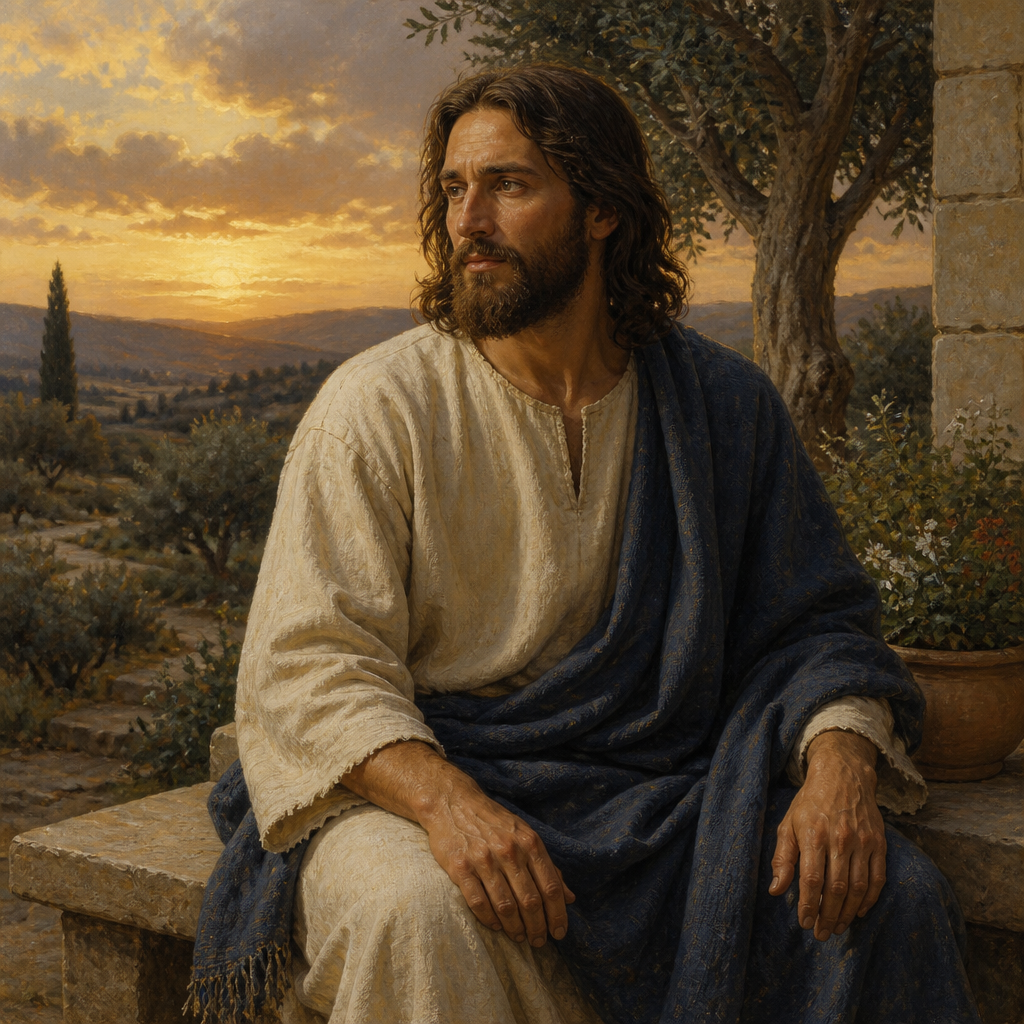
Jesus
Subject of Simeon's prophecy
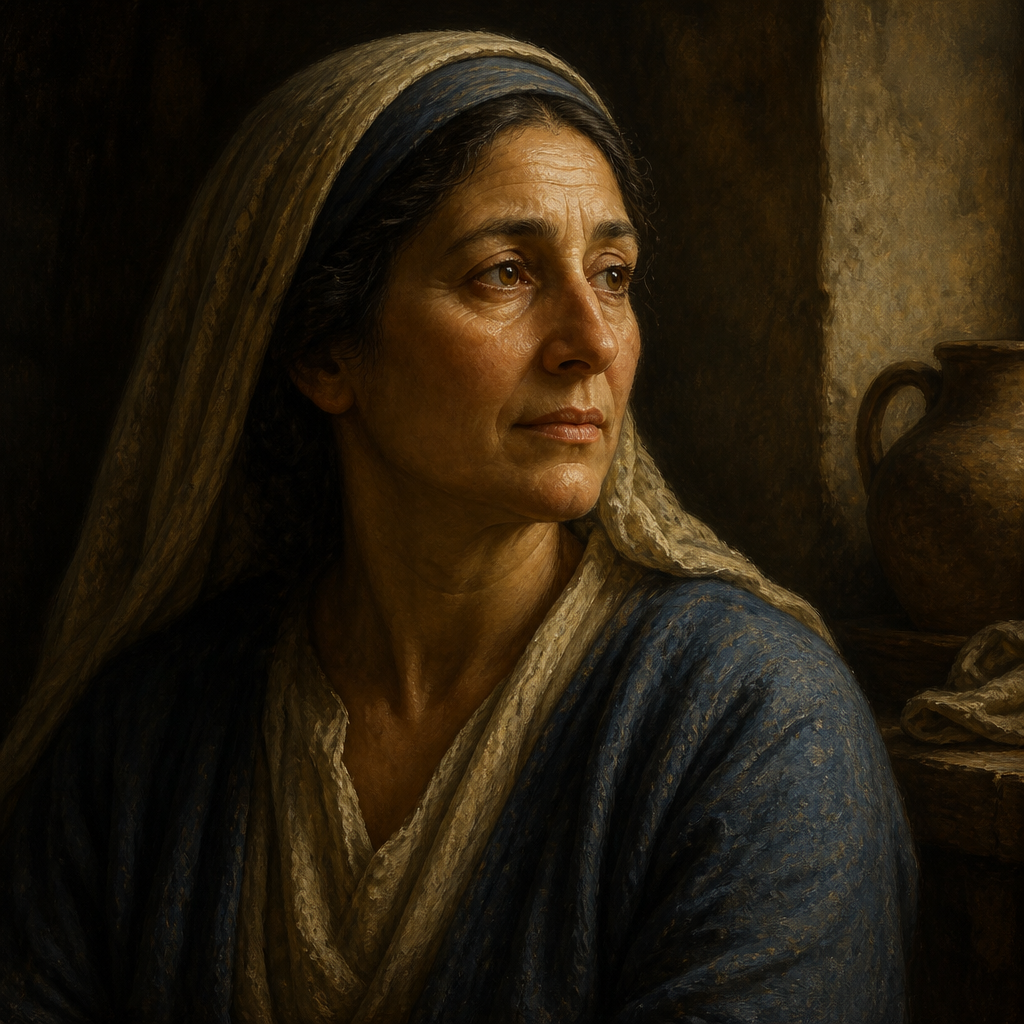
Mary
Mother of Jesus, recipient of Simeon's blessing and prophecy
Joseph
Legal father of Jesus, present during the blessing
Anna the Prophetess
Contemporary who also witnessed the presentation at the Temple
Categories
Mentions by Book
- Luke2
Others Named Simeon at the Temple
Simeon, Son of JacobGenesis 29:33
Simeon was the second son of Jacob and Leah, a founding patriarch of Israel known for his volatile temperament and the eventual dispersal of his tribe within Judah.
Simeon, Prophet of AntiochActs 13:1
A prominent prophet and teacher in the first-century church at Antioch, also known by the Latin surname Niger.
Simeon, Son of Judah in the Genealogy of JesusLuke 3:30
A descendant of David through Nathan, listed in the Lucan genealogy as an ancestor of Jesus Christ.