Joses, Sibling of Jesus
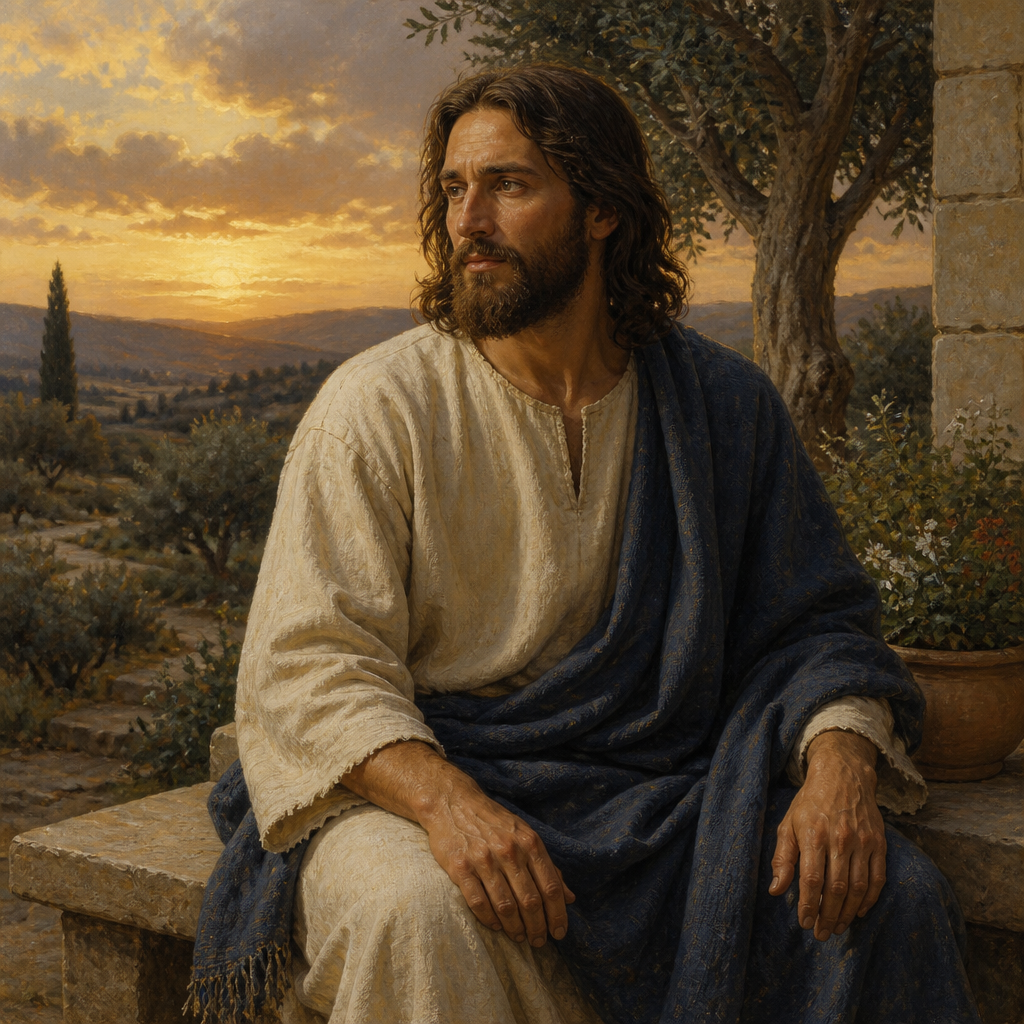
Joses was one of the four brothers of Jesus Christ mentioned by name in the Gospels during the skepticism of the Nazarene townspeople.
Joses appears in the New Testament as a member of the immediate family of Jesus of Nazareth. A resident of Galilee, he is identified specifically in the Gospel of Mark as one of the four brothers of Jesus, alongside James, Judas (Jude), and Simon. His presence in the biblical narrative serves as a genealogical marker, establishing Jesus’s earthly domestic context and the humble origins of the Messianic ministry.
While Joses is a prominent figure in discussions regarding the 'Brothers of Jesus,' his personal biography remains largely obscured by the focus on his brother's public ministry. He is mentioned exclusively in the context of the inhabitants of Nazareth questioning Jesus’s authority and wisdom, citing his familiar and unremarkable family members as evidence against his divine claims. In Matthew’s parallel account, the name is rendered as 'Joseph,' a common Greek variation of the same Hebrew name.
Background and Family
Joses was a member of the Tribe of Judah, born into the household of Joseph the carpenter and Mary in Nazareth. According to the lists provided in the Synoptic Gospels, he was one of at least seven children, including Jesus, three other named brothers (James, Jude, and Simon), and at least two unnamed sisters. The family unit was rooted in the artisan class of Galilee, specifically the tekton (traditionally 'carpenter') profession.
The mention of Joses occurs during a period of significant social tension for the family. In Mark 6, as Jesus returns to His hometown to teach in the synagogue, the local community expresses profound astonishment—and subsequent offense—at His wisdom and miracles. They list Joses and his siblings as proof of Jesus’s ordinary status:
"Isn’t this the carpenter, the son of Mary and the brother of James, Joses, Judas, and Simon? Aren’t His sisters here with us as well?” And they took offense at Him. (Mark 6:3)
Major Life Events
The biblical record does not preserve specific actions, speeches, or travels of Joses. His "life events" are defined by his inclusion in the household of Nazareth. The primary event associated with him is the rejection of Jesus at Nazareth. During this encounter, Joses’s identity is used as a rhetorical tool by the skeptics to diminish Jesus's messianic identity.
Matthew 13:55 provides a nearly identical account, though it uses the variant "Joseph" instead of "Joses." This linguistic shift is common in the transition from Aramaic to Greek contexts, as both names derive from the Hebrew Yosef. While the text does not state whether Joses was present during this specific synagogue service, his name was clearly well-known enough in the small village of Nazareth to be used as a point of reference for the crowd.
Relationship to Other Biblical Figures
Joses is defined entirely by his relationships. He is the son of Mary and the legal (or biological, depending on theological interpretation) son of Joseph. He is most notably the sibling of James, who would later become a pillar of the Jerusalem church, and Jude, the traditional author of the Epistle of Jude.
His relationship with Jesus during the ministry years is characterized by the general skepticism mentioned in John 7:5, which notes that "even His own brothers did not believe in Him." However, the group known as the "brothers of the Lord" is later seen in the Upper Room in Acts 1:14, suggesting a post-resurrection conversion for the siblings, likely including Joses.
Spiritual Significance
The presence of Joses in the biblical text is significant for two primary reasons. First, he serves as an anchor for the humanity of Jesus. By naming specific brothers like Joses, the Gospel writers emphasize that Jesus lived a tangible, human life within a specific family structure. Second, Joses represents the challenge of familiarity. The people of Nazareth could not see the Savior because they only saw the brother of Joses. His inclusion in the text highlights the theme that "a prophet is not without honor except in his own town" (Mark 6:4).
Spiritual Significance
Joses provides crucial evidence for the historical and human context of Jesus’s early life. His inclusion in the lists of siblings in Matthew and Mark underscores the humility of the Incarnation, showing that the Messiah grew up in a standard domestic environment with named, recognizable brothers. Theologically, Joses is part of the 'Brothers of Jesus' group whose initial disbelief and eventual inclusion in the early church demonstrate the transformative power of the resurrection.
Frequently Asked Questions
Is Joses the same person as Joseph in Matthew 13:55?
Yes. Joses is a shortened or Greek variant of the name Joseph. In the parallel accounts of Jesus’s rejection at Nazareth, Mark uses 'Joses' while Matthew uses 'Joseph' to refer to the same brother.
Did Joses believe in Jesus during His ministry?
The Gospels indicate that Jesus’s brothers generally did not believe in Him during His public ministry (John 7:5), though they are later found among the believers after the resurrection (Acts 1:14).
What happened to Joses after the resurrection?
The Bible does not provide specific details regarding Joses’s later life. While his brothers James and Jude became prominent leaders and writers, Joses is not mentioned by name in the book of Acts or the Epistles.
Who were the other brothers of Joses?
According to Mark 6:3, his brothers were James, Judas (Jude), and Simon.
Connected Figures

Categories
Mentions by Book
- Mark1
- Matthew1
Family & Relationships
Sibling
Matthew 13:55
Sibling
Matthew 13:55
Sibling
Matthew 13:55
Sibling
Matthew 13:55
Sibling
Isaiah 7:14
Parent
Matthew 1:16
Sibling
Matthew 13:55
Parent
Matthew 1:16
Sibling
Matthew 13:55
Sibling
Matthew 13:55
Others Named Joses
Joses, Son of MaryMark 15:40
Joses was the son of Mary (a follower of Jesus) and the brother of James the Younger, mentioned in the context of the crucifixion and burial of Jesus Christ.