The Ethiopian Eunuch
A high-ranking Ethiopian court official whose conversion and baptism by Philip the Evangelist marked a significant expansion of the early Church beyond the Levant.
The Ethiopian Eunuch is a pivotal figure in the New Testament book of Acts, representing one of the earliest recorded conversions of a non-Jewish person to Christianity. Described as a man of high status and great authority, he served as the treasurer for the 'Candace,' the queen of the Ethiopians. His encounter with Philip the Evangelist occurred on the desert road leading from Jerusalem to Gaza, a setting that emphasizes the providential nature of their meeting.
As a 'God-fearer'—a term used for Gentiles who were attracted to the monotheism and ethical teachings of Judaism—the eunuch had traveled to Jerusalem specifically to worship. His story serves as a bridge in the narrative of Acts, illustrating the transition of the Gospel from a predominantly Jewish context in Jerusalem to the 'ends of the earth.' His literacy, possession of a scroll of Isaiah, and immediate desire for baptism highlight his deep spiritual seeking and the rapid spread of the Christian message during the 1st century AD.
Background and Status
The account of the Ethiopian Eunuch is recorded in Acts 8:26–40. He is introduced not by name, but by his ethnicity, physical condition, and vocation. He was a court official of the Ethiopians, serving under the 'Candace' (Greek: Kandakē), which was a title for the queen mother or female sovereign of the Kingdom of Kush, located in modern-day Sudan. As the man in charge of her 'entire treasury,' he held a position of immense financial and political responsibility.
His status is further evidenced by his mode of travel; he journeyed in a chariot and possessed his own scroll of the prophet Isaiah—a luxury item in the ancient world that indicates both wealth and a high level of education. While the text does not specify his tribe beyond his nationality, his presence in Jerusalem for worship suggests he was either a proselyte to Judaism or, more likely, a 'God-fearer' who adhered to Jewish practices despite his physical exclusion from the inner courts of the Temple due to his status as a eunuch (Deuteronomy 23:1).
Major Life Events
The eunuch's narrative begins as he is returning home from Jerusalem. By divine direction, an angel of the Lord instructed Philip the Evangelist to travel to the desert road connecting Jerusalem to Gaza. There, the Holy Spirit prompted Philip to approach the eunuch's chariot. Philip found the official reading aloud from Isaiah 53, a passage concerning the 'Suffering Servant.'
When Philip asked if the man understood the text, the eunuch displayed humility, replying, "How can I, unless someone guides me?" (Acts 8:31). He invited Philip into his chariot and questioned him regarding the identity of the subject in the prophecy: "Tell me, who is the prophet talking about, himself or someone else?" (Acts 8:34). Starting from that specific scripture, Philip explained the good news of Jesus Christ, connecting the prophecy of the silent lamb led to slaughter with the life, death, and resurrection of Jesus.
As they continued their journey, they came upon a body of water. The eunuch, demonstrating an immediate response of faith, asked, "Look, here is water! What is there to prevent me from being baptized?" (Acts 8:36). He ordered the chariot to stop, and both he and Philip descended into the water, where Philip performed the baptism.
Relationship to Other Biblical Figures
The only recorded interaction for the Ethiopian Eunuch is with Philip the Evangelist. Philip was one of the seven chosen to serve the early church in Jerusalem (Acts 6) and was a primary figure in the expansion of the Gospel to Samaria. Their relationship is brief but transformative, characterized by a teacher-student dynamic that culminates in a shared sacramental act. Following the baptism, the text states that the Spirit of the Lord 'carried Philip away,' leaving the eunuch to continue his journey alone. Despite the sudden departure of his guide, the eunuch is described as 'rejoicing,' suggesting a new spiritual foundation independent of his human teacher.
Spiritual Significance
The conversion of the Ethiopian Eunuch holds profound theological weight in the New Testament. It fulfills the prophetic vision of Isaiah 56:3–5, which promised that eunuchs who kept God’s covenant would receive 'a name better than sons and daughters.' His inclusion in the faith signified that the barriers of the Old Covenant—which restricted certain individuals based on physical defects or foreign ancestry—were being dismantled through Christ.
Furthermore, the eunuch represents the first recorded African convert to Christianity. His joy and subsequent return to Ethiopia are traditionally seen as the beginning of the Christian faith in Africa. The narrative emphasizes that the Gospel is not limited by geography, race, or social standing, but is available to anyone who seeks understanding and responds to the message of the 'Suffering Servant.'
Spiritual Significance
The Ethiopian Eunuch serves as a symbol of the Gospel's inclusivity and the fulfillment of Old Testament prophecy regarding the inclusion of outcasts and foreigners in God's kingdom. His conversion is a key milestone in the book of Acts, demonstrating that the Holy Spirit was actively directing the expansion of the Church toward all nations. By baptizing a high-ranking foreign official who was physically barred from full Jewish temple participation, the early Church signaled a radical shift toward a universal faith.
Theologically, the encounter validates the necessity of biblical interpretation and the role of the 'evangelist' in making the scriptures accessible. The eunuch's transition from confusion over the 'Suffering Servant' in Isaiah to the 'rejoicing' of a baptized believer underscores the transformative power of understanding Jesus as the fulfillment of the Law and the Prophets.
Frequently Asked Questions
Where was the eunuch from?
He was from the Kingdom of Ethiopia (specifically the region of Kush), serving as the treasurer for the Queen, or Candace.
What was the eunuch reading when he met Philip?
He was reading the book of Isaiah the prophet, specifically the passage describing the Suffering Servant (Isaiah 53:7-8).
Why did the eunuch go to Jerusalem?
The text states he had gone to Jerusalem to worship, indicating he was a devout follower of the God of Israel.
What happened to Philip after the baptism?
The Spirit of the Lord carried Philip away to Azotus, while the eunuch continued on his way rejoicing.
What is the significance of the title 'Candace'?
Candace (or Kandake) was not a personal name but a title for the queen mother or ruling queen of the ancient Ethiopian kingdom of Kush.
Connected Figures
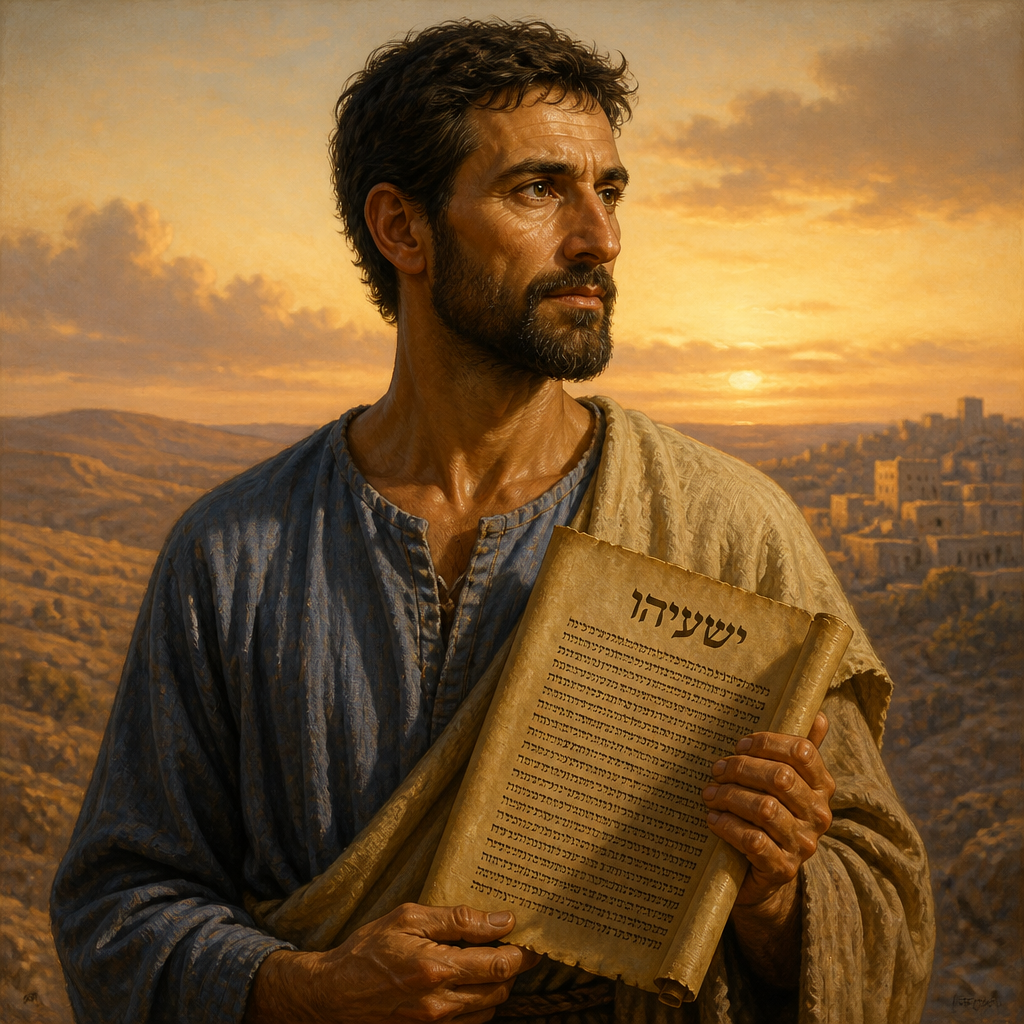
Philip the Evangelist
The evangelist who explained the scriptures and baptized him
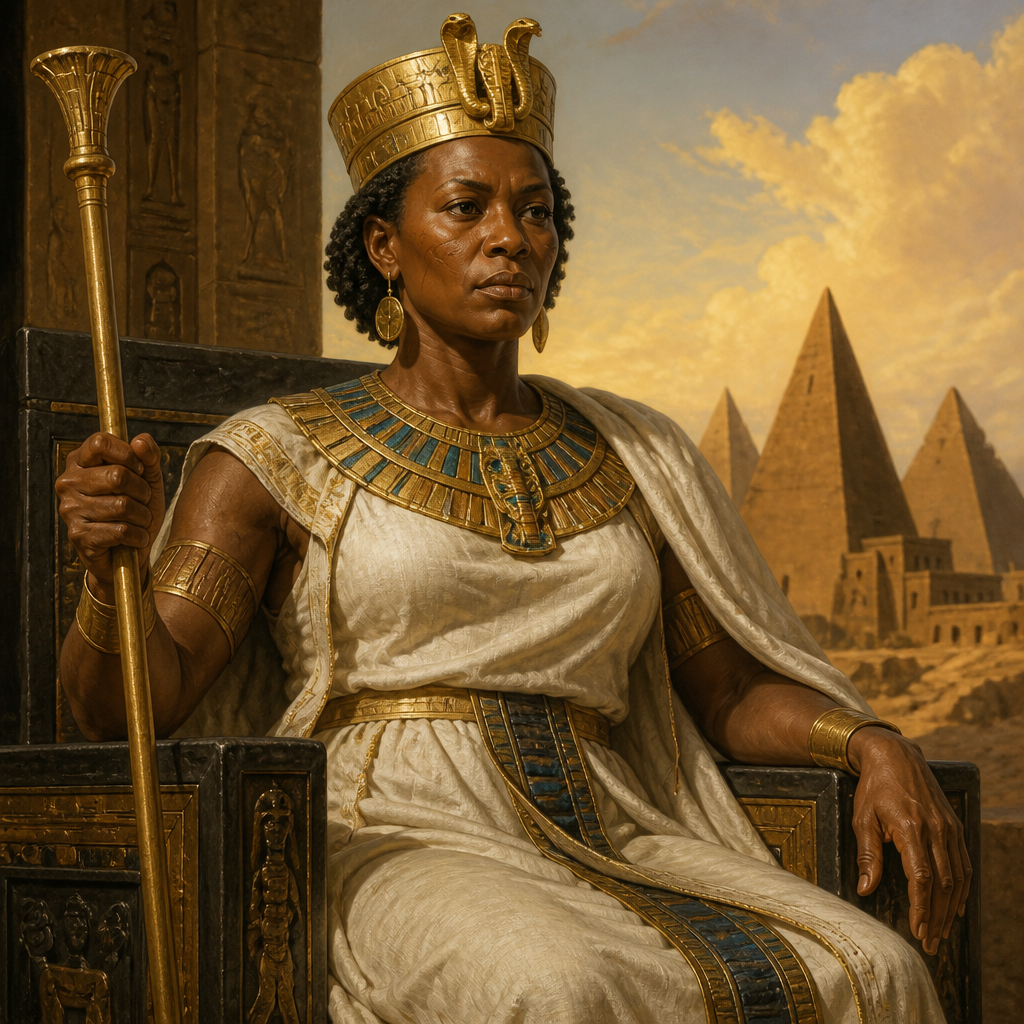
Candace
The Queen of the Ethiopians whom he served as treasurer
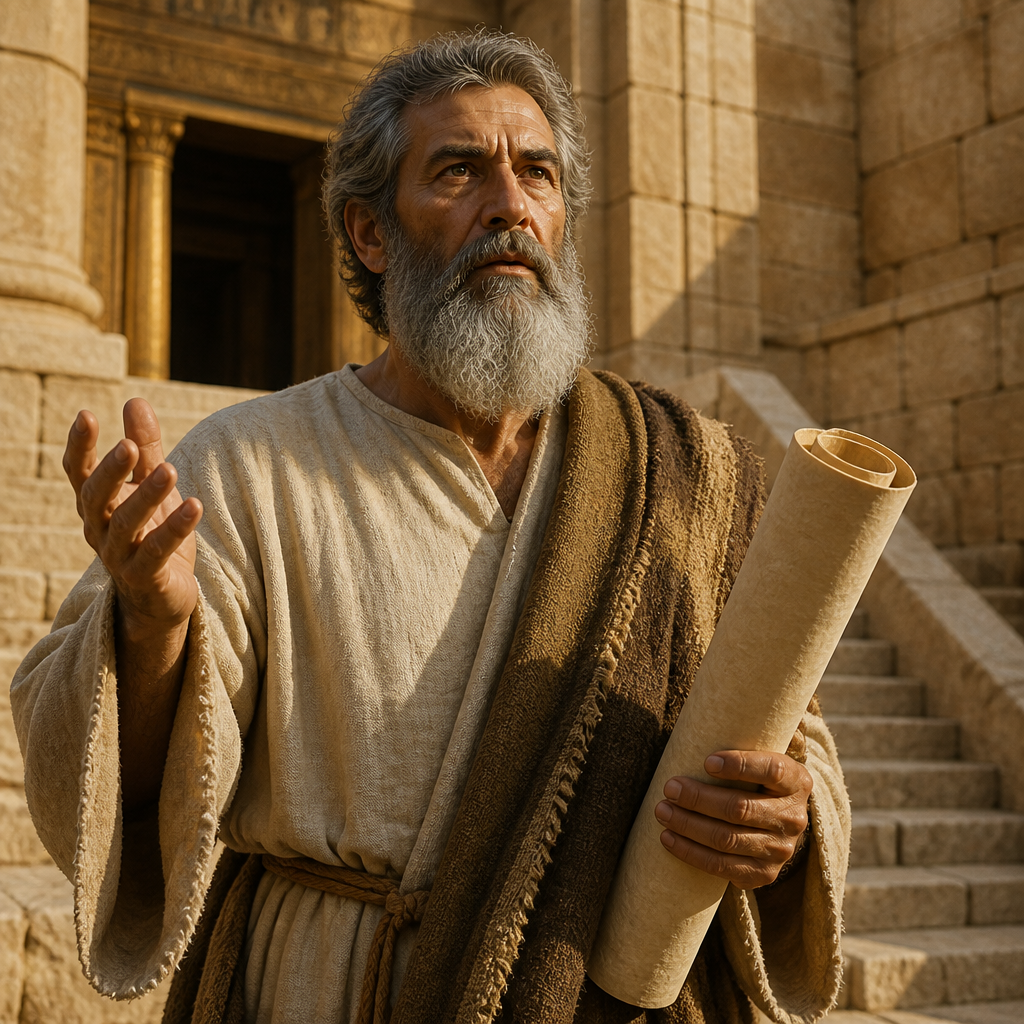
Isaiah
The prophet whose writings he was studying
Categories
Mentions by Book
- Acts15