Apollos
An eloquent Jewish Christian from Alexandria known for his deep knowledge of the Scriptures and his significant ministry in the early churches of Ephesus and Corinth.
Apollos was a pivotal figure in the development of the early Christian church during the mid-1st century AD. A Jewish native of Alexandria, Egypt, he was recognized by his contemporaries as an exceptionally eloquent man who possessed a profound understanding of the Old Testament Scriptures. His arrival in Ephesus marked the beginning of a public ministry characterized by fervor and intellectual rigor, as he transitioned from a foundational understanding of the gospel to a full participation in the apostolic mission.
His legacy is most clearly preserved in the letters of the Apostle Paul, particularly in his first letter to the Corinthians. Apollos became a central figure in the church at Corinth, so much so that his name was invoked by various factions within the congregation. Despite the unintended divisions associated with his name, the biblical record presents Apollos as a humble and cooperative laborer in the gospel, working in tandem with Paul to strengthen the burgeoning Christian communities across the Roman Empire.
Background and Origins
Apollos is introduced in the New Testament as a Jew from Alexandria (Acts 18:24). During the 1st century AD, Alexandria was a premier center of Hellenistic culture and Jewish scholarship, housing one of the largest Jewish populations in the Roman world. This background likely contributed to the description of Apollos as "an eloquent man" and one who was "well versed in the Scriptures." His education in the allegorical and rhetorical traditions of Alexandria would have equipped him with the skills to argue persuasively for the messiahship of Jesus using the Hebrew Bible.
When he first appeared in Ephesus, Apollos was already instructed in "the way of the Lord" and spoke with great enthusiasm. However, the book of Acts notes a specific limitation in his initial understanding: he was acquainted only with the baptism of John (Acts 18:25). This suggests that he represented a transitional phase of early belief, possessing knowledge of the repentance movement of John the Baptist and perhaps the basic life of Jesus, but lacking the full post-Pentecost revelation of the Christian faith.
Ministry in Ephesus and Achaia
Apollos began his public ministry by speaking boldly in the synagogue at Ephesus. His potential was recognized by Priscilla and Aquila, a couple who were close associates of the Apostle Paul. After hearing him speak, they took him aside and "explained the way of God to him more accurately" (Acts 18:26). This humble submission to further instruction allowed Apollos to refine his message.
Following his time in Ephesus, Apollos desired to travel to Achaia (modern-day Greece). The Ephesian believers supported this move, writing letters of recommendation to the disciples there. Upon his arrival in Corinth, the capital of Achaia, he became a significant asset to the local church. The text records that he "greatly helped those who through grace had believed," specifically by publicly refuting Jewish opponents and proving from the Scriptures that Jesus was the Christ (Acts 18:27-28).
The Corinthian Factions
Apollos’s impact on Corinth was so profound that it led to an unintended consequence: the formation of personality-driven factions. In his first letter to the Corinthians, Paul addresses reports that the members were dividing themselves based on their favorite teachers. Some claimed, "I follow Paul," while others stated, "I follow Apollos" (1 Corinthians 1:12).
Paul addresses this issue by emphasizing that he and Apollos are not rivals but co-laborers. Using an agricultural metaphor, Paul writes:
"I planted the seed and Apollos watered it, but God made it grow" (1 Corinthians 3:6).
This statement affirms that while Paul founded the Corinthian church, Apollos played a vital role in its subsequent nurturing and growth. Paul insists that both he and Apollos are merely "servants through whom you believed" (1 Corinthians 3:5), and he discourages the believers from taking pride in one man over another.
Later Years and Final Mentions
The biblical record indicates that Apollos remained in close, respectful contact with Paul. In the closing of his first letter to the Corinthians, Paul mentions that he strongly urged Apollos to return to Corinth with other brothers, but Apollos chose not to go at that time, intending to visit when he had the opportunity (1 Corinthians 16:12). This suggests that Apollos possessed his own ministerial autonomy while remaining in fellowship with the apostolic circle.
The final mention of Apollos occurs in Paul's letter to Titus, written around 63-65 AD. Paul instructs Titus to "do your best to equip Zenas the lawyer and Apollos, so that they will have everything they need" (Titus 3:13). This indicates that Apollos continued his itinerant ministry into the later years of the apostolic era, still held in high regard as a faithful servant of the early church.
Spiritual Significance
Apollos is significant as a bridge between the baptism of John the Baptist and the full apostolic gospel. His presence in the New Testament illustrates the diversity of leadership in the early church; he was an intellectual and orator whose skills complemented the pioneering work of Paul. His story emphasizes that even the most eloquent and knowledgeable believers require ongoing instruction, as seen in his interaction with Priscilla and Aquila.
Furthermore, the treatment of Apollos in the Pauline epistles serves as a primary biblical case study on church unity. Paul’s refusal to compete with Apollos, and his insistence that God alone is responsible for spiritual growth, provides a foundational theological framework for understanding Christian ministry. Apollos stands as a model of the 'waterer'—one who takes the established foundations of faith and helps them flourish through rigorous scriptural teaching and public defense of the gospel.
Frequently Asked Questions
Where was Apollos from?
Apollos was a native of Alexandria, a major Egyptian city known for its scholarship and large Jewish population.
What was the 'baptism of John' that Apollos originally preached?
The baptism of John referred to the ministry of John the Baptist, which focused on repentance in preparation for the Messiah. Before meeting Priscilla and Aquila, Apollos was unaware of the full Christian baptism and the gift of the Holy Spirit associated with the completed work of Jesus.
Was there a conflict between Paul and Apollos?
No. While the Corinthian church formed factions around their names, the biblical text shows that Paul and Apollos were colleagues. Paul referred to Apollos as a 'brother' and a fellow servant of God.
What were Apollos's primary skills?
He was noted for his eloquence, his fervor in spirit, and his exceptional ability to explain and defend the Christian faith using the Old Testament Scriptures.
Connected Figures
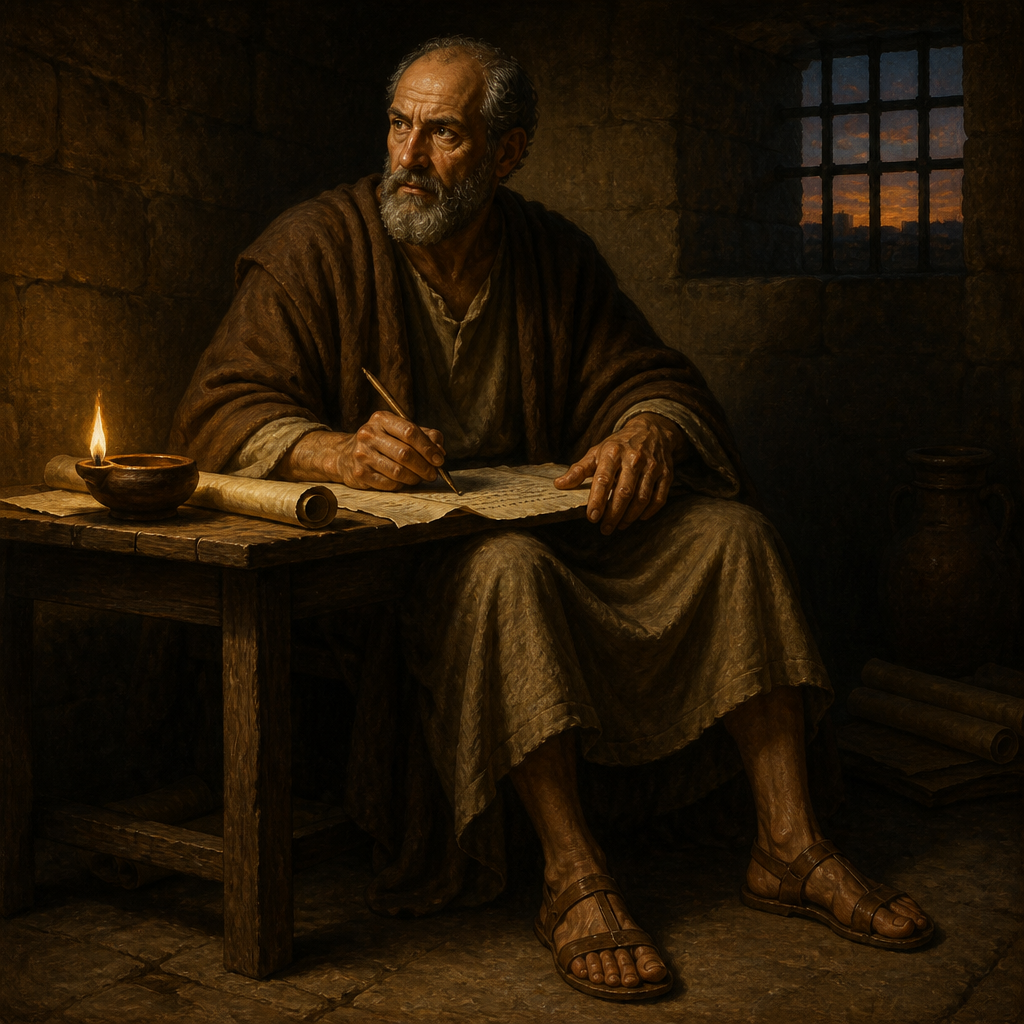
Paul the Apostle
Co-laborer in the gospel and ministry partner
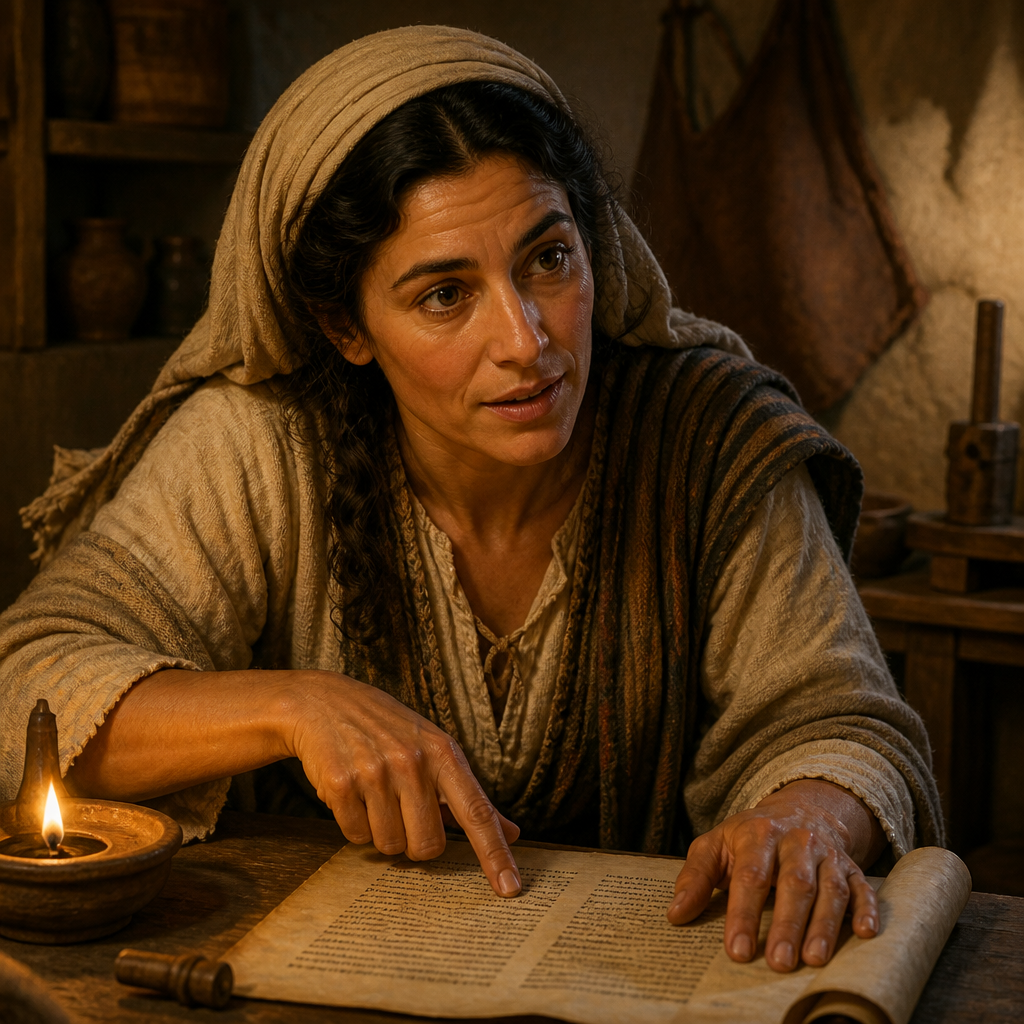
Priscilla
Teacher who instructed him in Ephesus
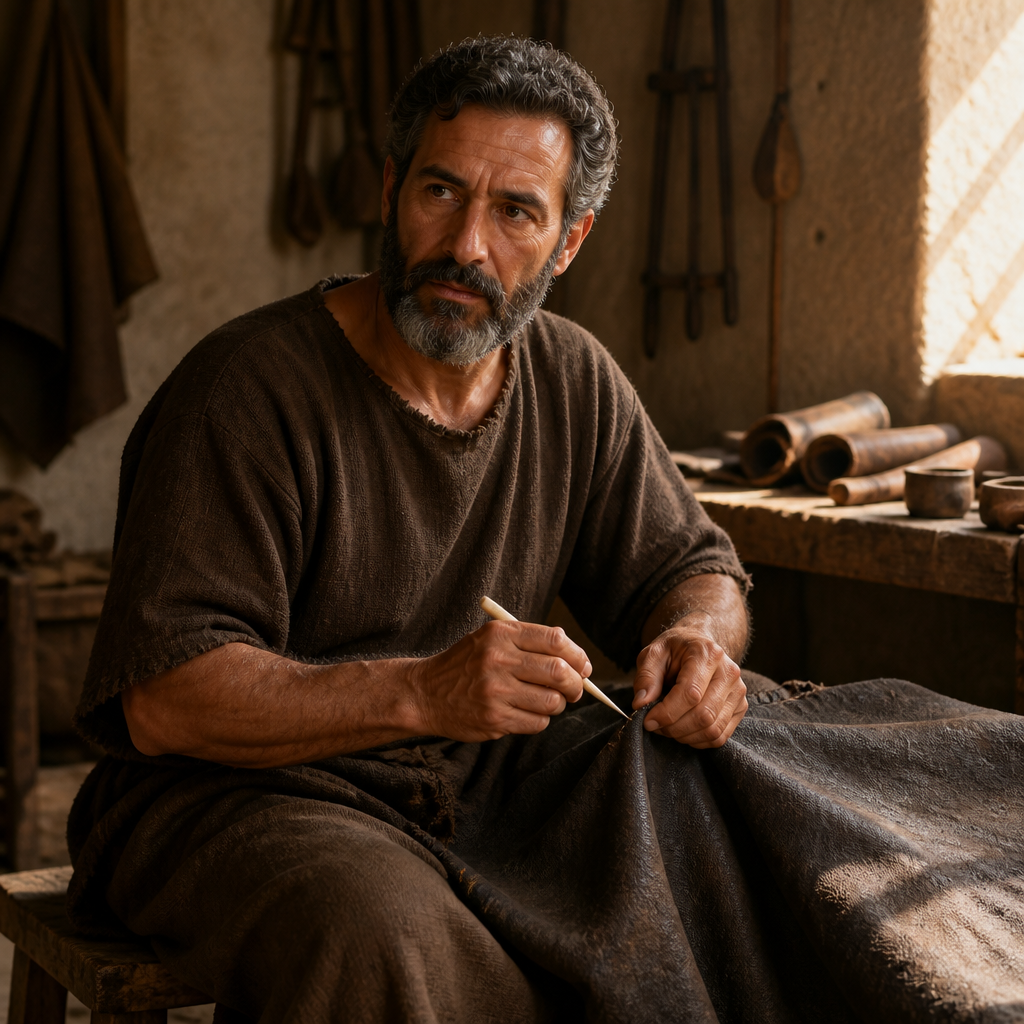
Aquila
Teacher who instructed him in Ephesus
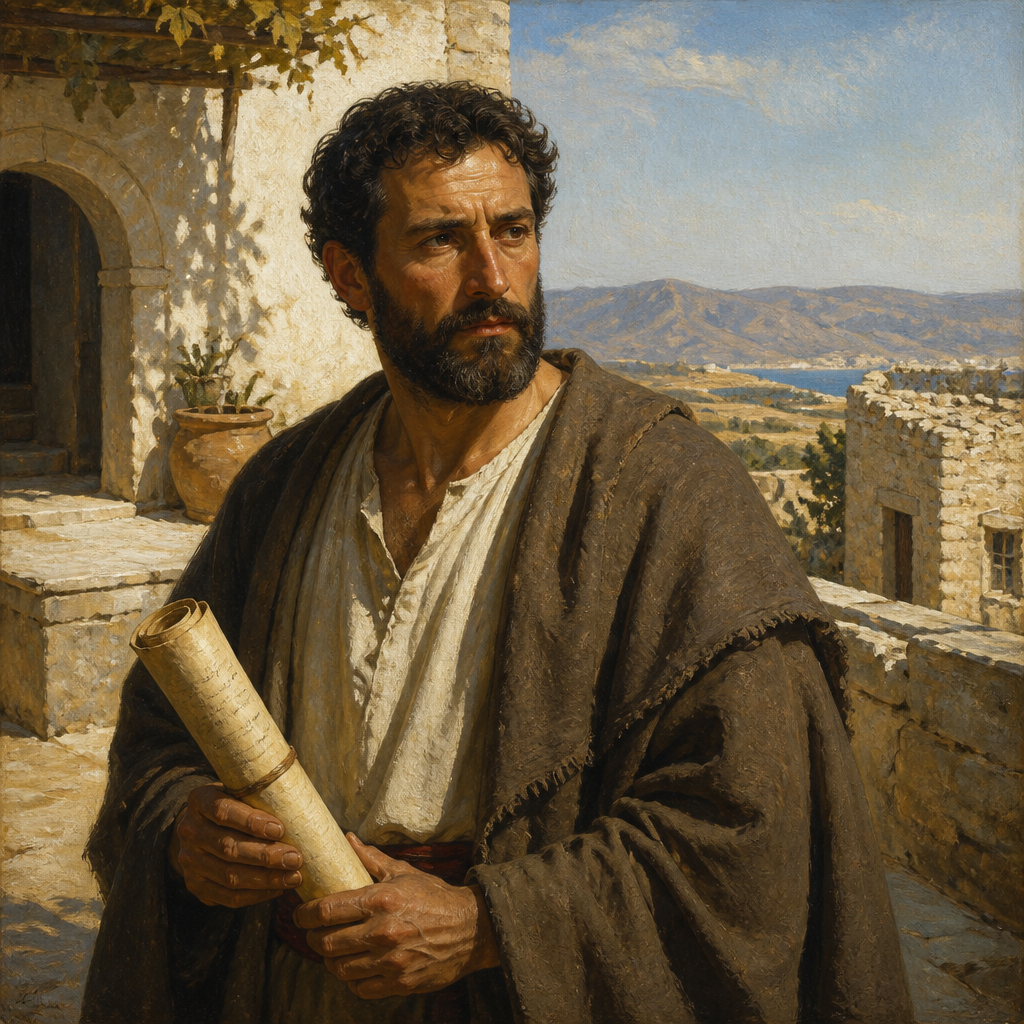
Titus
Fellow minister mentioned alongside him in Paul's letters
Categories
Mentions by Book
- 1 Corinthians7
- Acts2
- Titus1