Priscilla
A prominent female leader in the early church, fellow worker of the Apostle Paul, and wife of Aquila, noted for her hospitality and theological instruction.
Priscilla, also known by the formal diminutive Prisca, was a foundational figure in the development of the 1st-century Christian movement. A Jewish Christian woman of significant influence, she is consistently mentioned alongside her husband, Aquila. Her narrative begins in the New Testament record following the edict of Emperor Claudius, which expelled all Jews from Rome in approximately 49 AD. This displacement led her to Corinth, where she entered into a lasting partnership with the Apostle Paul.
Priscilla is notable among New Testament figures for her active role in ministry and teaching. Unlike many women of her era who remained in the background, she is frequently listed before her husband in the biblical text—a stylistic choice by the authors that many scholars believe indicates her prominent status or perhaps a higher social standing or deeper theological aptitude. Her influence spanned several major cities of the Roman Empire, including Corinth, Ephesus, and Rome, making her a vital node in the early missionary network.
Background and Family
Priscilla first appears in the biblical record in Acts 18:2, identified as the wife of Aquila, a Jew from Pontus. The couple had recently arrived in Corinth from Italy because of the decree by Emperor Claudius (reigned 41–54 AD) ordering all Jews to leave Rome. While the text does not explicitly state when Priscilla converted to Christianity, she and Aquila were already integrated into the community of faith or were quickly receptive to Paul’s message upon his arrival in Corinth.
As a professional, Priscilla was a tentmaker. The text notes that Paul stayed and worked with them because they shared the same trade. This professional independence likely provided the couple with the financial means to travel and host church gatherings, which they did in multiple locations throughout their lives. There is no mention of children in the biblical text, focusing instead on their domestic life as a hub for ecclesiastical activity.
Major Life Events
Priscilla’s life was characterized by mobility and missionary zeal. After working with Paul in Corinth for eighteen months, she and Aquila accompanied him to Syria, eventually settling in Ephesus (Acts 18:18-19). It was in Ephesus that Priscilla performed one of her most significant recorded acts: the instruction of Apollos.
Apollos was an eloquent man and well-versed in the Scriptures, but his understanding of the gospel was incomplete, as he only knew the baptism of John. When Priscilla and Aquila heard him speaking boldly in the synagogue, they recognized the gaps in his theology. The text specifically notes that they "took him in and explained to him the way of God more accurately" (Acts 18:26). This indicates that Priscilla functioned as a private theological instructor to one of the early church's most famous orators.
Later, the couple returned to Rome after the death of Claudius, as evidenced by Paul’s greetings in Romans 16. Finally, the last chronological mention of Priscilla (Prisca) appears in 2 Timothy 4:19, suggesting she had returned to Ephesus during the final years of Paul’s life. Throughout these moves, Priscilla maintained a "house church," a vital institution for the growth of the early Christian movement (1 Corinthians 16:19).
Relationship to Other Biblical Figures
Priscilla’s most defining relationship was with her husband, Aquila. In all six mentions of her name, she is never mentioned without him. This partnership is presented as a model of collaborative ministry.
Her relationship with the Apostle Paul was one of deep mutual respect and shared danger. In Romans 16:3-4, Paul refers to them as "fellow workers in Christ Jesus" and remarkably states that they "risked their lives" for him. The specific nature of this life-threatening event is not recorded, but it earned them the gratitude of "all the churches of the Gentiles."
Additionally, her mentorship of Apollos demonstrates her status within the hierarchy of the early church. Her ability to correct a man of Apollos's standing suggests she was respected for her discernment and command of Christian doctrine.
Spiritual Significance
Priscilla stands as a primary example of female leadership in the New Testament. The fact that her name often precedes her husband’s in the Greek text (Acts 18:18, 18:26; Romans 16:3) is highly unusual for the Greco-Roman and Jewish social contexts of the 1st century AD. This suggests that her role was not merely supportive or incidental, but central to the mission.
Her legacy is one of hospitality, education, and courage. By opening her home in various cities, she provided the physical infrastructure necessary for the nascent church to survive and thrive. Furthermore, her role in correcting Apollos provides a biblical precedent for women engaging in theological discourse and instruction. Priscilla exemplifies the "fellow worker" who bridges the gap between the apostolic leadership and the local congregational life, ensuring the "way of God" was passed on with accuracy and integrity.
Spiritual Significance
Priscilla is theologically significant as a proto-type of the 'lay' leader who integrates professional life with missionary work. Her involvement in tentmaking alongside Paul and Aquila shows the dignity of labor and its utility in the spread of the gospel. She serves as a vital witness to the inclusive nature of the early church, where both men and women were engaged in the labor of teaching and hospitality.
Furthermore, Priscilla’s role in the instruction of Apollos serves as a crucial case study for understanding the role of women in the early church. She did not merely provide the space for ministry; she actively shaped the doctrine of the church by ensuring that even its most talented preachers were fully aligned with the apostolic message. Her repeated mention across the Pauline epistles and Acts underscores her indispensable status in the first generation of Christians.
Frequently Asked Questions
Why is she sometimes called Prisca and other times Priscilla?
Prisca is the formal name, while Priscilla is the diminutive form. Both names refer to the same individual. The author of Acts uses 'Priscilla,' while Paul uses the more formal 'Prisca' in his letters.
What was Priscilla's occupation?
Priscilla was a tentmaker by trade. She worked in this craft alongside her husband, Aquila, and the Apostle Paul during his stay in Corinth.
Did Priscilla lead a church?
Yes, the Bible records that a church met in Priscilla and Aquila's home in both Ephesus (1 Corinthians 16:19) and Rome (Romans 16:3-5). She was a central figure in these domestic congregations.
Where was Priscilla originally from?
While her husband Aquila was from Pontus, the Bible does not state Priscilla's birthplace. We only know they arrived in Corinth from Italy after being expelled from Rome by Emperor Claudius.
How did Priscilla risk her life for Paul?
The specific details are not provided in Scripture, but Paul notes in Romans 16:3-4 that Priscilla and Aquila 'risked their necks' for his life, earning the gratitude of all the Gentile churches.
Connected Figures
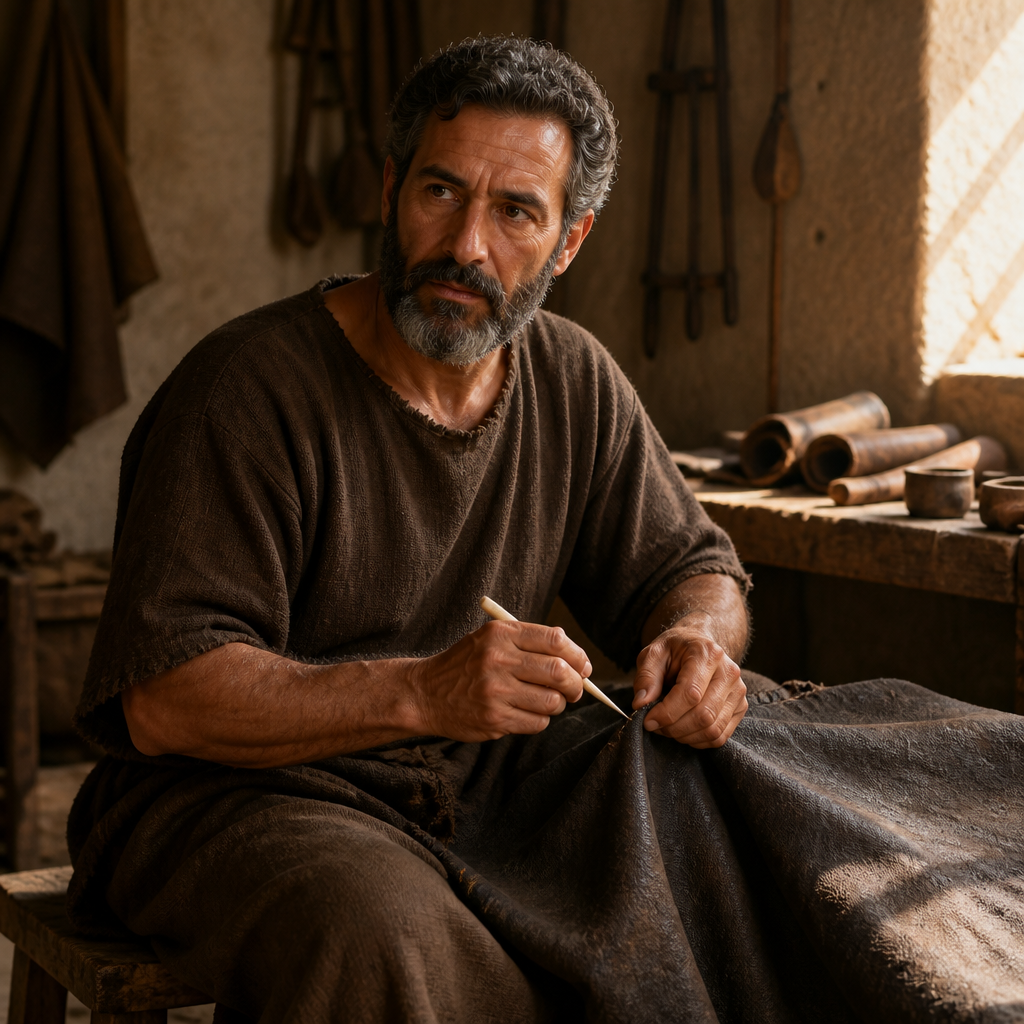
Aquila
Husband and ministry partner
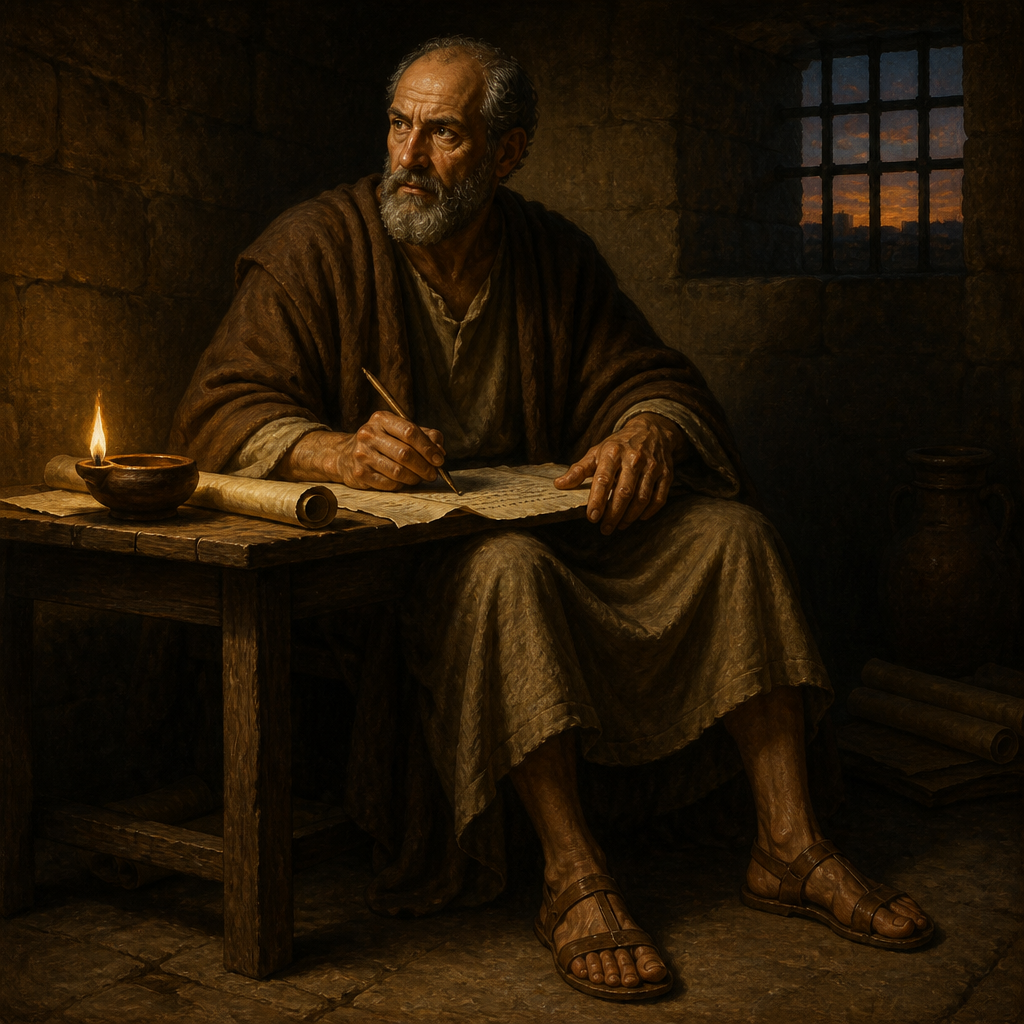
Paul the Apostle
Close friend, coworker, and fellow tentmaker
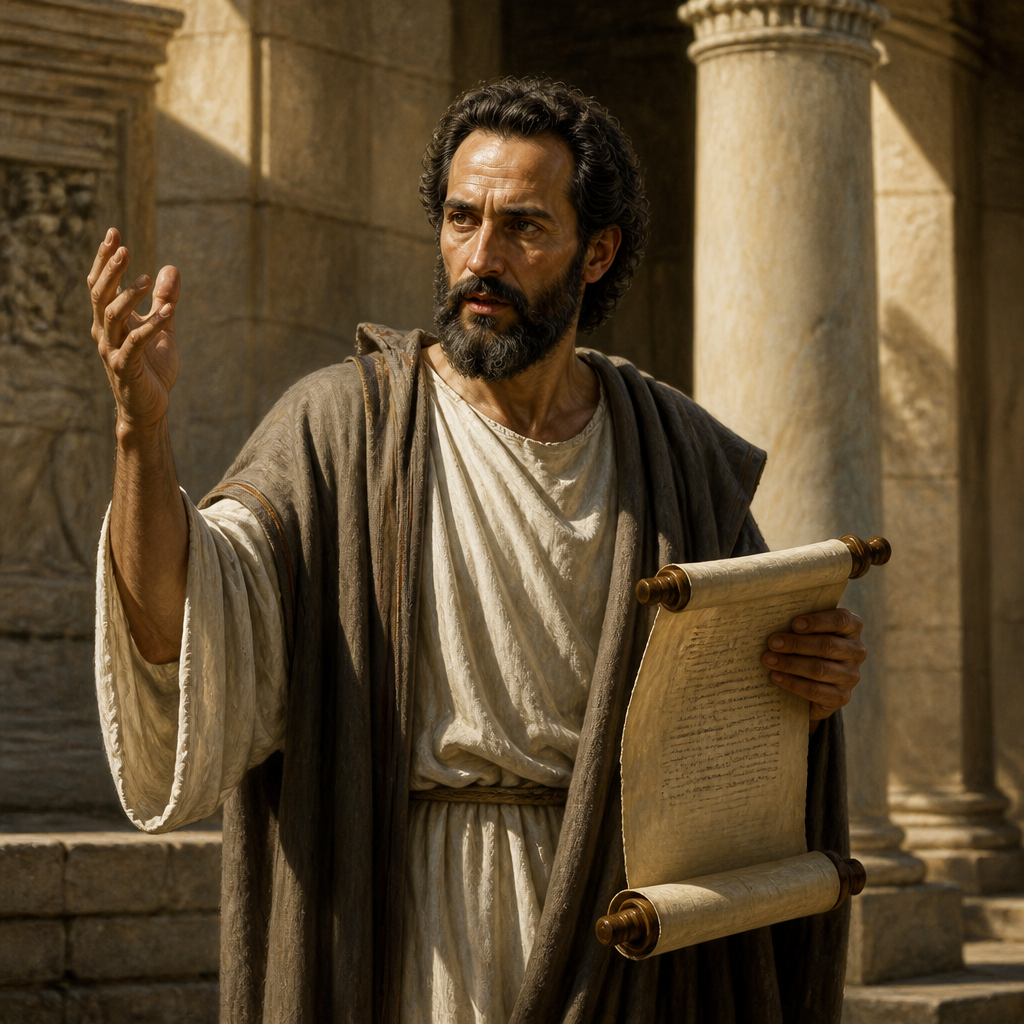
Apollos
Student whom she instructed in the gospel
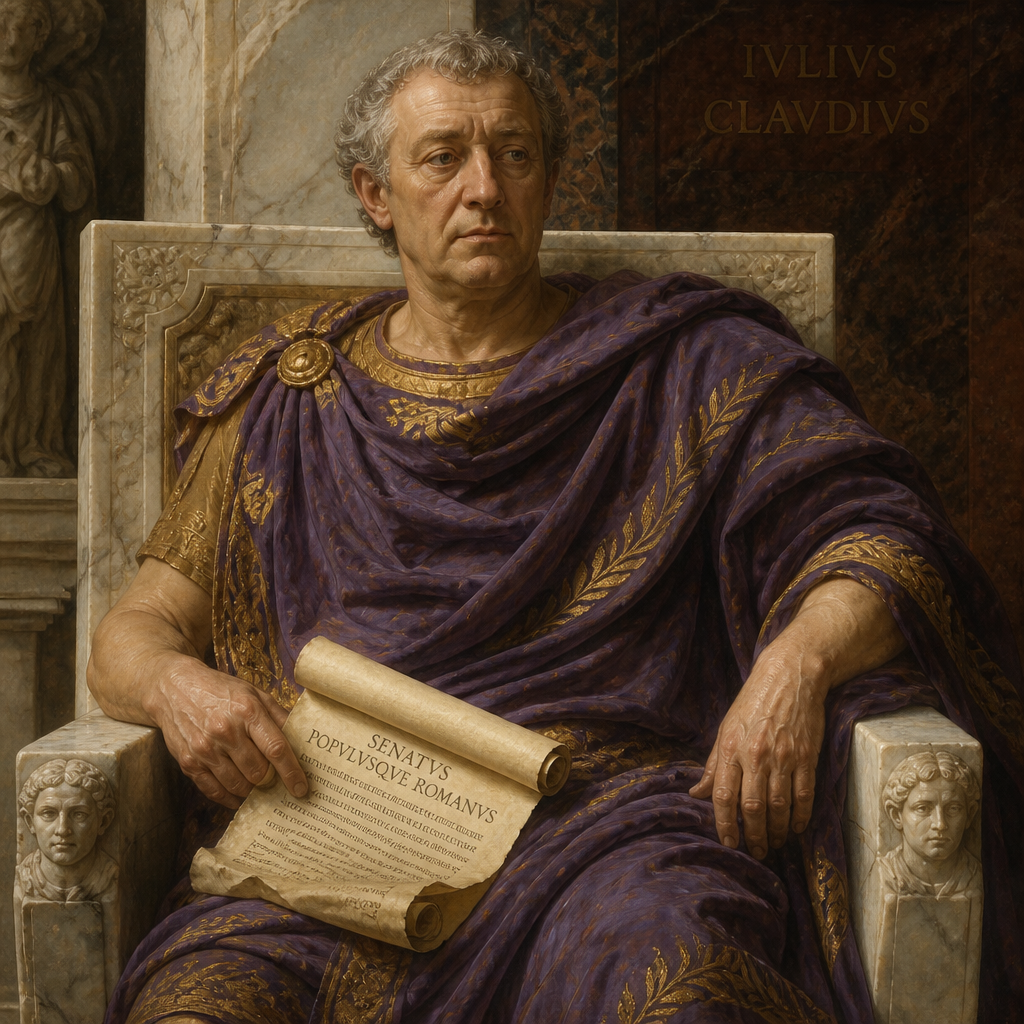
Claudius
Roman Emperor who expelled her from Rome