Ananias the High Priest
The Jewish high priest who presided over the initial trial of the Apostle Paul and later prosecuted him before the Roman governor Felix.
Ananias was the high priest of Jerusalem during a critical period of the mid-first century AD, specifically during the final recorded visits of the Apostle Paul to Jerusalem. A member of the tribe of Levi, he occupied a position of significant religious and political authority within Judea, acting as the head of the Sanhedrin and the primary liaison between the Jewish people and the Roman provincial administration.
His role in the New Testament is defined by his intense opposition to the nascent Christian movement, represented in the person of Paul. Ananias appears as a figure of judicial authority who sought to suppress the influence of the gospel through formal legal proceedings and physical intimidation. His actions characterize the tension between the established Jewish hierarchy and the growing community of believers in the early Church.
Background and Family
Ananias was a member of the tribe of Levi, the lineage traditionally set apart for the priesthood and temple service. As the high priest, he sat at the pinnacle of the Jewish social and religious hierarchy. While the biblical text focuses exclusively on his official conduct rather than his lineage or domestic life, his position implies a status of significant wealth and political influence. He functioned as the presiding officer of the Sanhedrin, the supreme council and court of the Jewish people during the period of Roman occupation.
Major Life Events
Ananias appears in the biblical record during the aftermath of Paul’s arrest in Jerusalem. According to Acts 23, Paul was brought before the Sanhedrin to provide a defense. When Paul asserted that he had lived his life in good conscience before God, Ananias immediately ordered those standing nearby to strike Paul on the mouth. This violent reaction prompted a sharp rebuke from Paul, who labeled the high priest a "whitewashed wall," citing the hypocrisy of a judge who breaks the law while professing to uphold it. When bystanders informed Paul that he was addressing the high priest, Paul expressed a measure of deference to the office, though the conflict underscores Ananias’s aggressive stance against the Apostle.
Five days after Paul was transferred to Caesarea to protect him from a Jewish plot, Ananias traveled from Jerusalem to the Roman administrative capital. He did not come alone; he brought a delegation of elders and a professional lawyer named Tertullus. Their purpose was to formally present their case against Paul to the Roman governor, Felix. This highlights the high priest’s persistence and his use of both religious authority and Roman legal channels to pursue his opposition to the early Church leaders.
Relationship to Other Biblical Figures
Ananias’s primary interaction is with the Apostle Paul. Their relationship was strictly adversarial and professional. In the Sanhedrin setting, Ananias acted as a judge, while in Caesarea, he functioned as a prosecutor. The biblical account also notes his collaboration with the elders and the orator Tertullus, indicating a unified front among the Jewish leadership in their effort to secure a conviction against Paul. He also dealt directly with the Roman governor Felix, representing the interests of the Judean religious establishment.
Spiritual Significance
In the context of the Book of Acts, Ananias the High Priest serves as a representative of the official religious establishment that rejected the message of the Messiah. His conduct in the Sanhedrin—resorting to physical violence when challenged—contrasts with the patient endurance advocated by the apostles. His legal pursuit of Paul through the Roman system demonstrates the institutional resistance faced by the early Church. Ananias symbolizes the "old order" of the temple hierarchy that viewed the movement of the Way as a threat to both religious orthodoxy and social stability. His presence in the text provides historical grounding for the legal and political trials that characterized the expansion of Christianity in the first century AD.
Spiritual Significance
Ananias the High Priest represents the formal institutional opposition to the early Christian movement. His actions in ordering Paul to be struck and his subsequent legal pursuit in Caesarea illustrate the hostility of the Jewish religious leadership toward the gospel. He serves as a historical marker for the era of Governor Felix and the legal challenges faced by the Apostle Paul.
Frequently Asked Questions
Who was Ananias the High Priest?
Ananias was the Jewish high priest during the mid-first century AD who presided over the Sanhedrin during the trial of the Apostle Paul.
Why did Ananias order Paul to be struck?
Ananias ordered Paul to be struck on the mouth after Paul claimed he had lived in good conscience before God, an assertion the high priest likely viewed as blasphemous or insolent.
What tribe did Ananias belong to?
Ananias was from the tribe of Levi, as required for those serving in the Jewish priesthood.
What did Paul call Ananias during their confrontation?
Paul called Ananias a 'whitewashed wall,' criticizing his hypocrisy for violating the law while presiding as a judge.
What legal action did Ananias take against Paul?
Ananias traveled to Caesarea with elders and a lawyer named Tertullus to present a formal case against Paul before the Roman governor Felix.
Connected Figures

Paul the Apostle
Defendant and ideological opponent
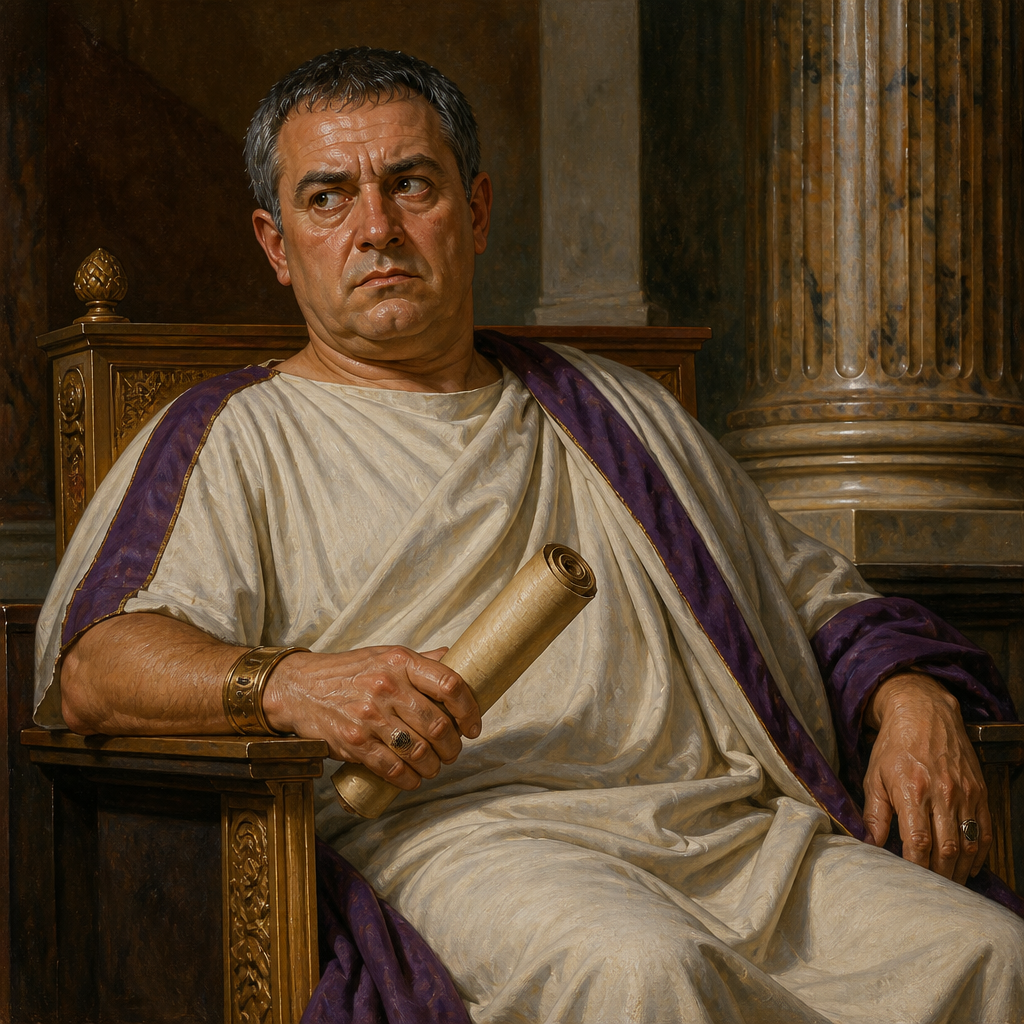
Felix
Roman Governor presided over the hearing
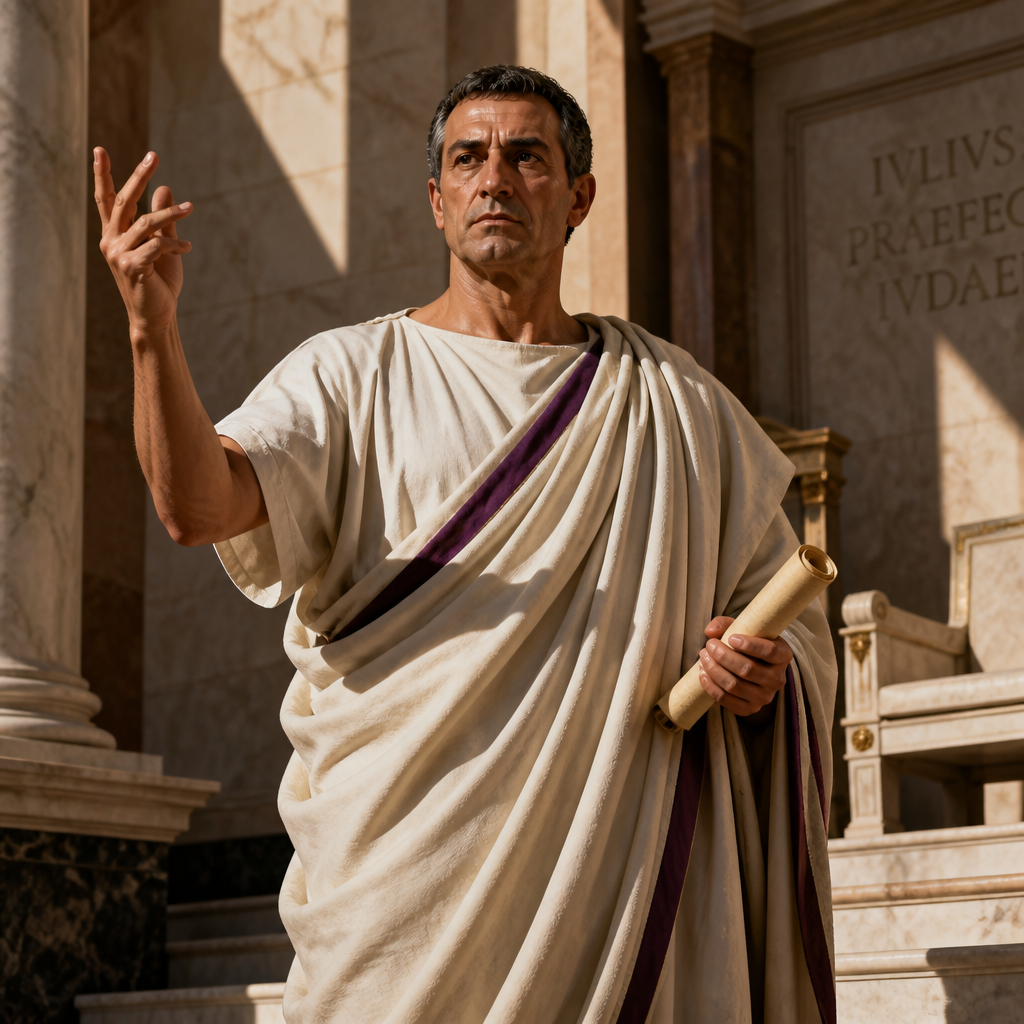
Tertullus
Lawyer hired by Ananias to prosecute Paul
Categories
Mentions by Book
- Acts2
Others Named Ananias the High Priest
Ananias of DamascusActs 9:10
A devout Jewish disciple in Damascus who, following a divine vision, restored the sight of the newly converted Saul of Tarsus and baptized him.
Ananias of the Early ChurchActs 5:1
A member of the early Christian community in Jerusalem who was struck dead for lying to the Holy Spirit regarding the sale of his property.