
The Voices of the Psalms
Those the psalm titles name as composers
The Voices of the Psalms is a roster of individuals identified in the superscriptions of the Hebrew Psalter as the authors or dedicatees of specific songs. While many psalms remain anonymous, the text attributes the majority of the collection to specific historical figures associated with Israel’s leadership and worship traditions. These titles serve as a literary framework, connecting individual prayers and hymns to the broader history of the nation from the wilderness period through the establishment of the monarchy and the Temple.
The organization of this roster is primarily centered on the era of the united monarchy, though it spans several centuries of Israelite history. David is the most prominent figure, credited with seventy-three psalms including those written during his flight from Saul and his reign as king (Psalm 3, Psalm 51). Moses is identified as the author of a single prayer that reflects on the brevity of human life in relation to the eternity of God (Psalm 90). Solomon is named in the titles of two psalms, one concerning the reign of a righteous king and another regarding the vanity of building a house without divine aid (Psalm 72, Psalm 127). The roster also includes professional guild leaders such as Asaph, who is credited with twelve psalms that often focus on communal judgment and history (Psalm 50, Psalms 73–83). Heman the Singer is identified with a song of deep lament (Psalm 88), while Ethan the Ezrahite is named as the author of a poem reflecting on the covenant made with the house of David (Psalm 89). Jeduthun appears in titles that designate him as a leader for whom certain songs were performed or composed (Psalm 39, Psalm 62).
The preservation of these names in the biblical text anchors the poetry of the Psalms in the lived experience of Israel’s most significant figures. By attributing these songs to Moses, David, Solomon, and the Temple musicians, the text integrates personal devotion with the national identity of the people. This roster ensures that the liturgical life of the Temple is seen as a continuation of the prophetic and royal legacies established during the nation's foundational years. The inclusion of these specific names provides a historical and biographical context for the expressions of praise, lament, and wisdom found throughout the book.
Everyone in this list
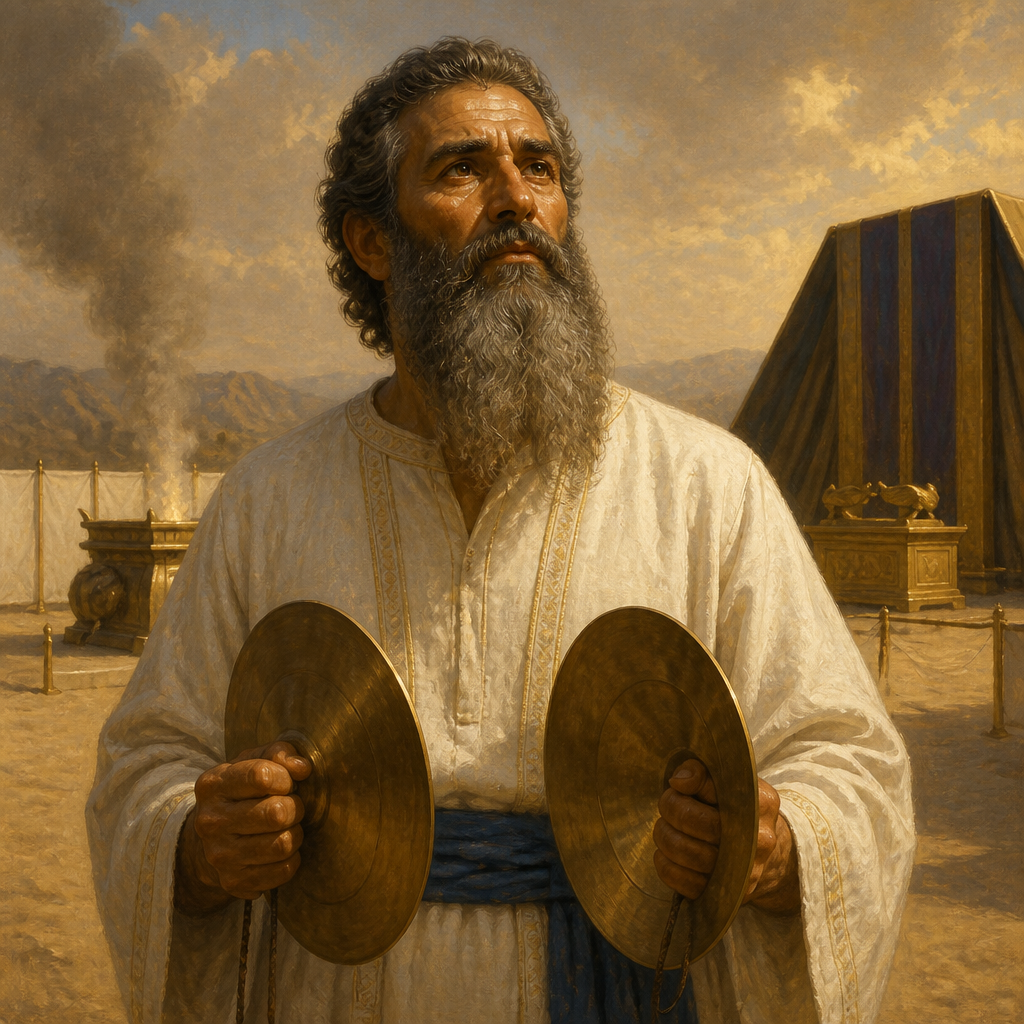
Asaph, Levite Musician and Seer
Levite musician and composer of twelve Psalms who served as King David's chief singer
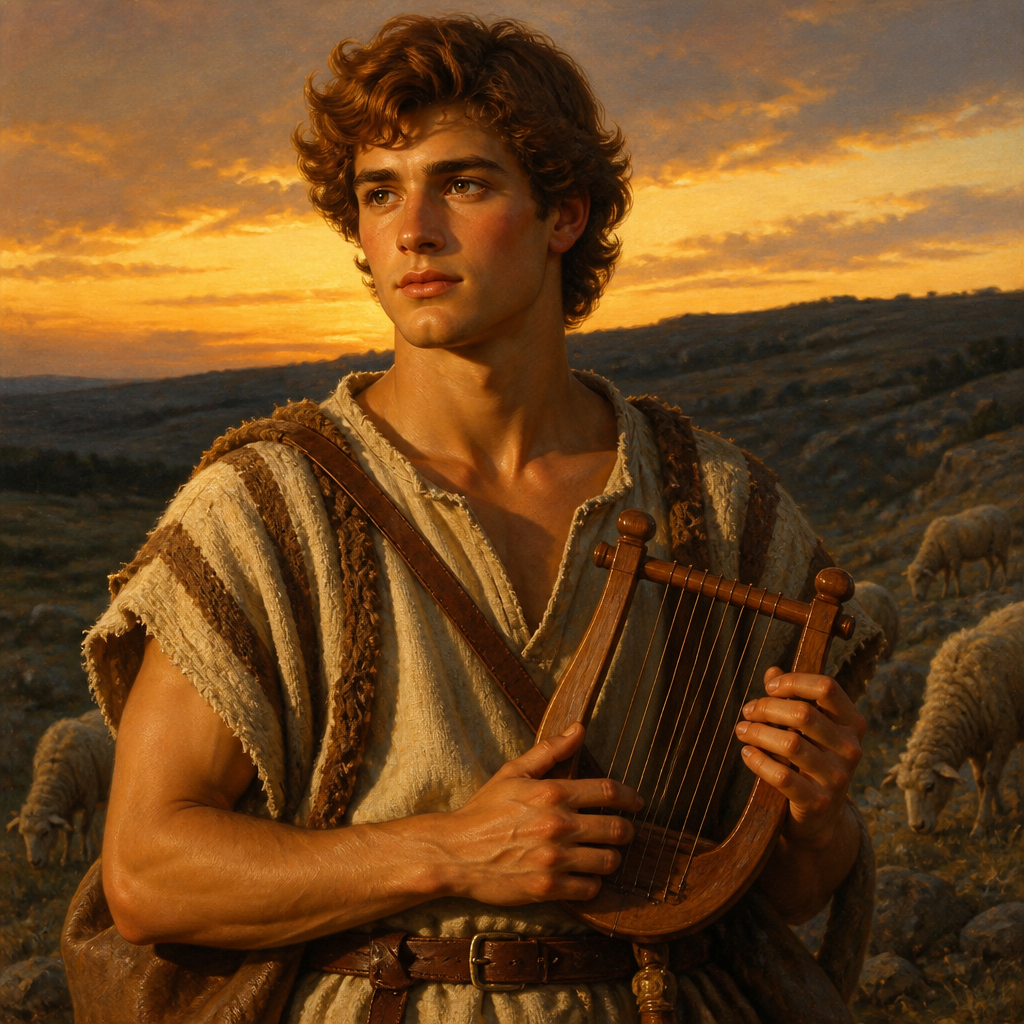
David
King of Israel who defeated Goliath and established the Davidic dynasty
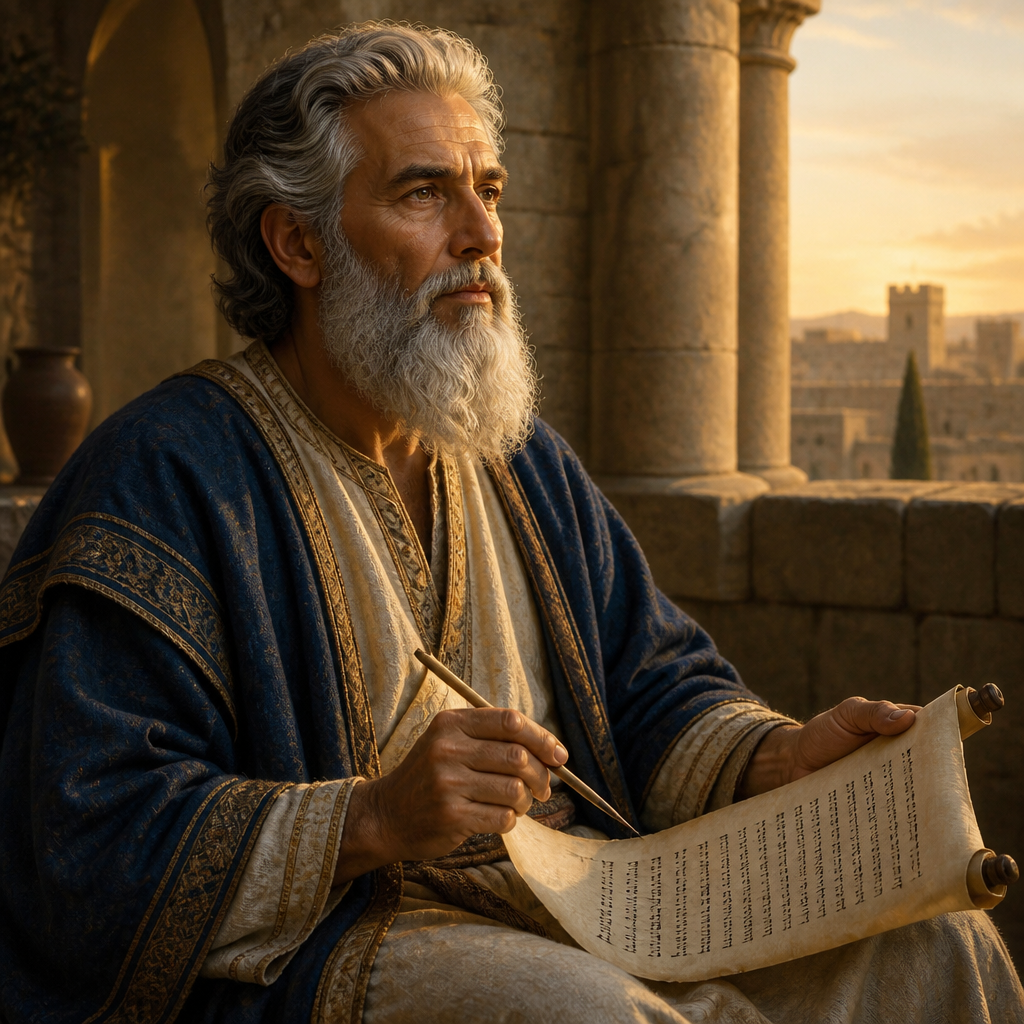
Heman the Singer
Levite singer and king's seer who led the Temple music under King David
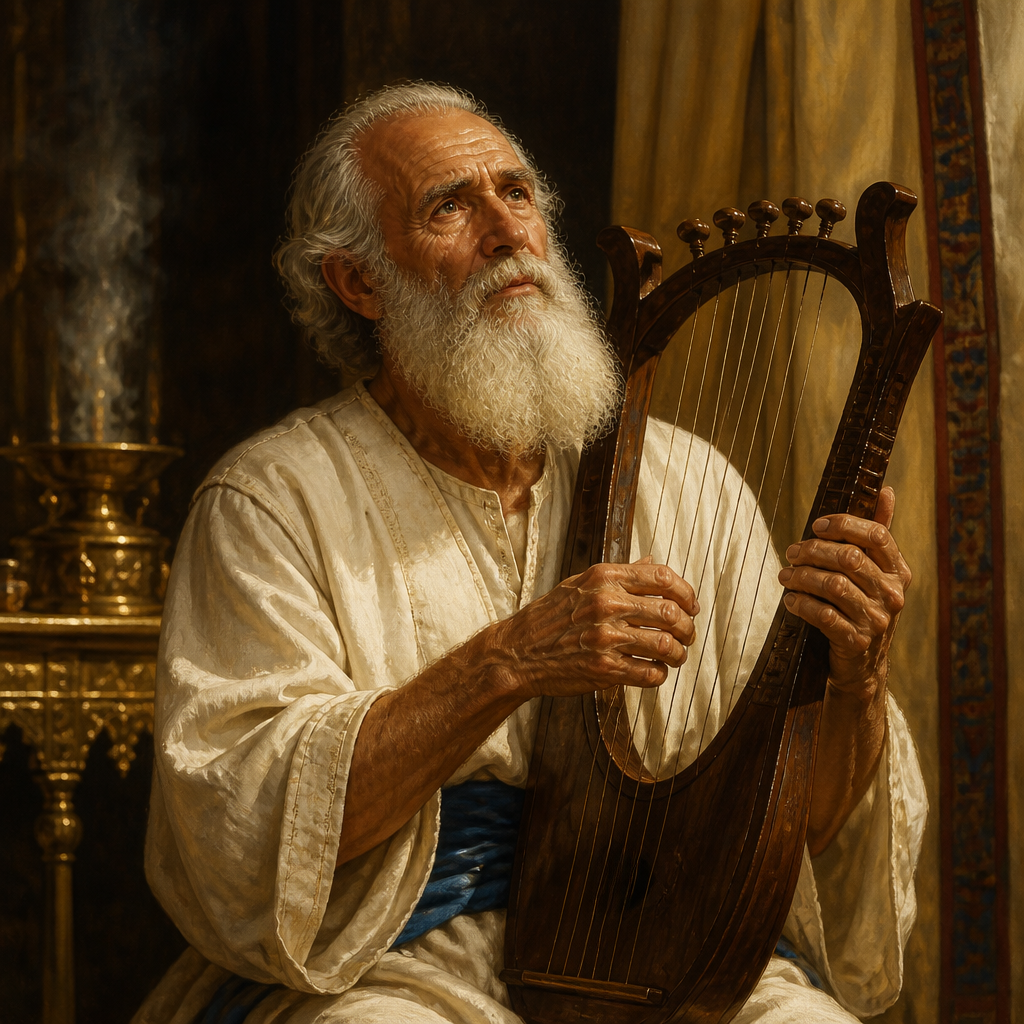
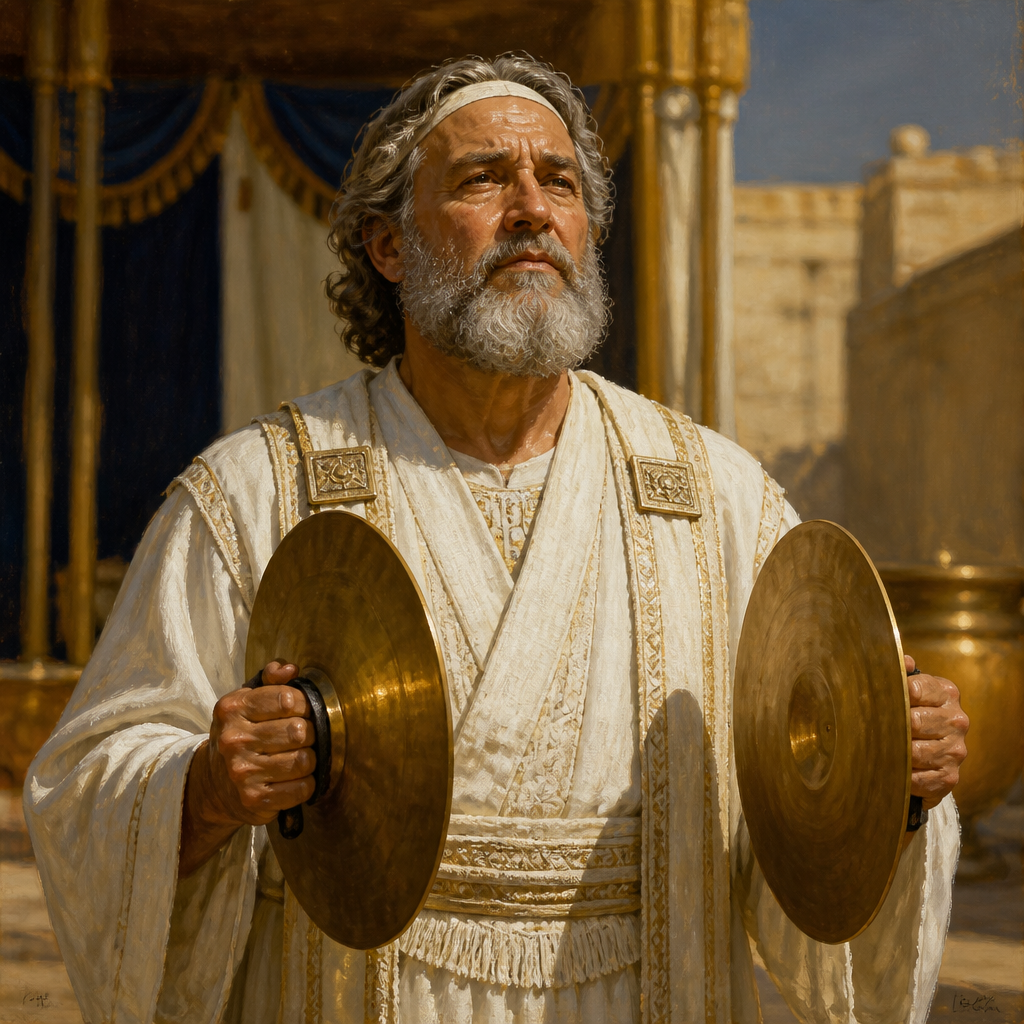
Jeduthun, Chief Musician of David
Chief musician of King David who prophesied with the harp and founded a guild of Temple singers
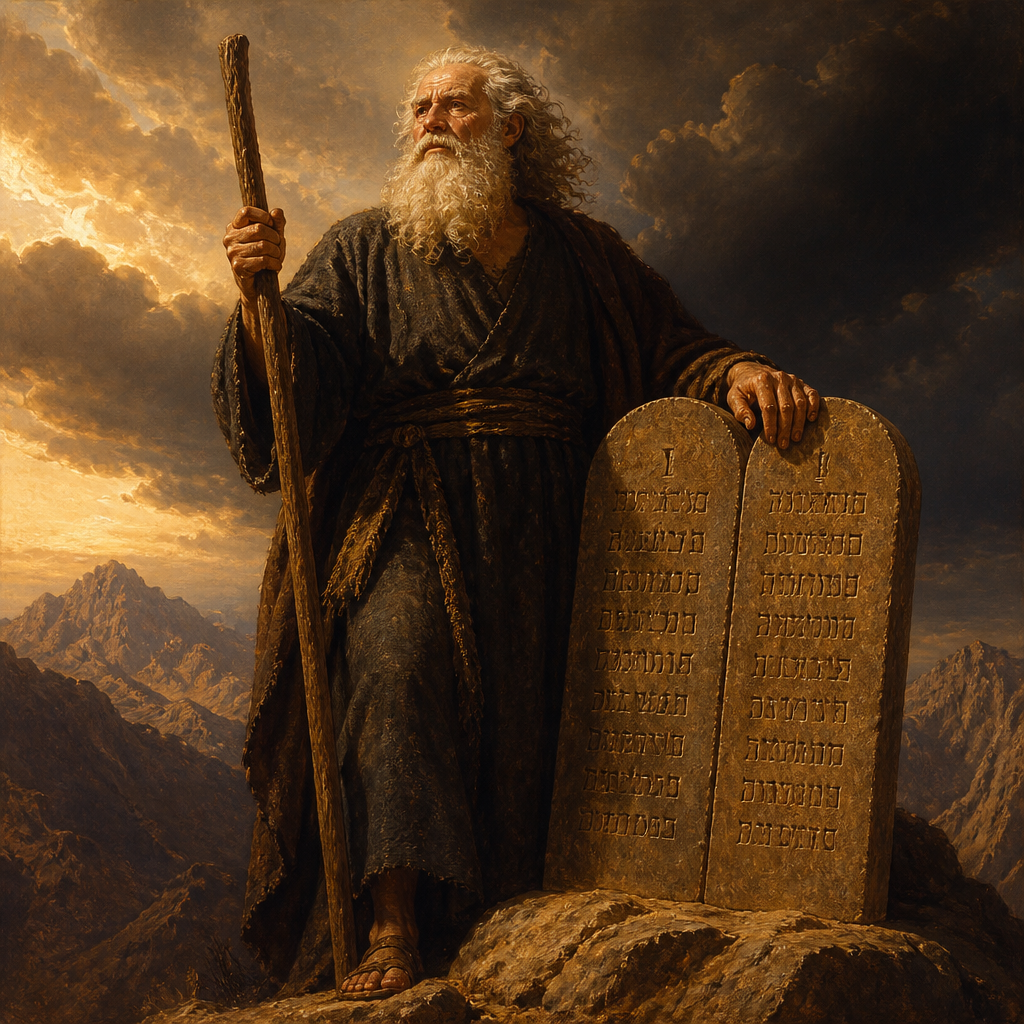
Moses
Prophet who led the Israelites out of Egypt and received the Ten Commandments
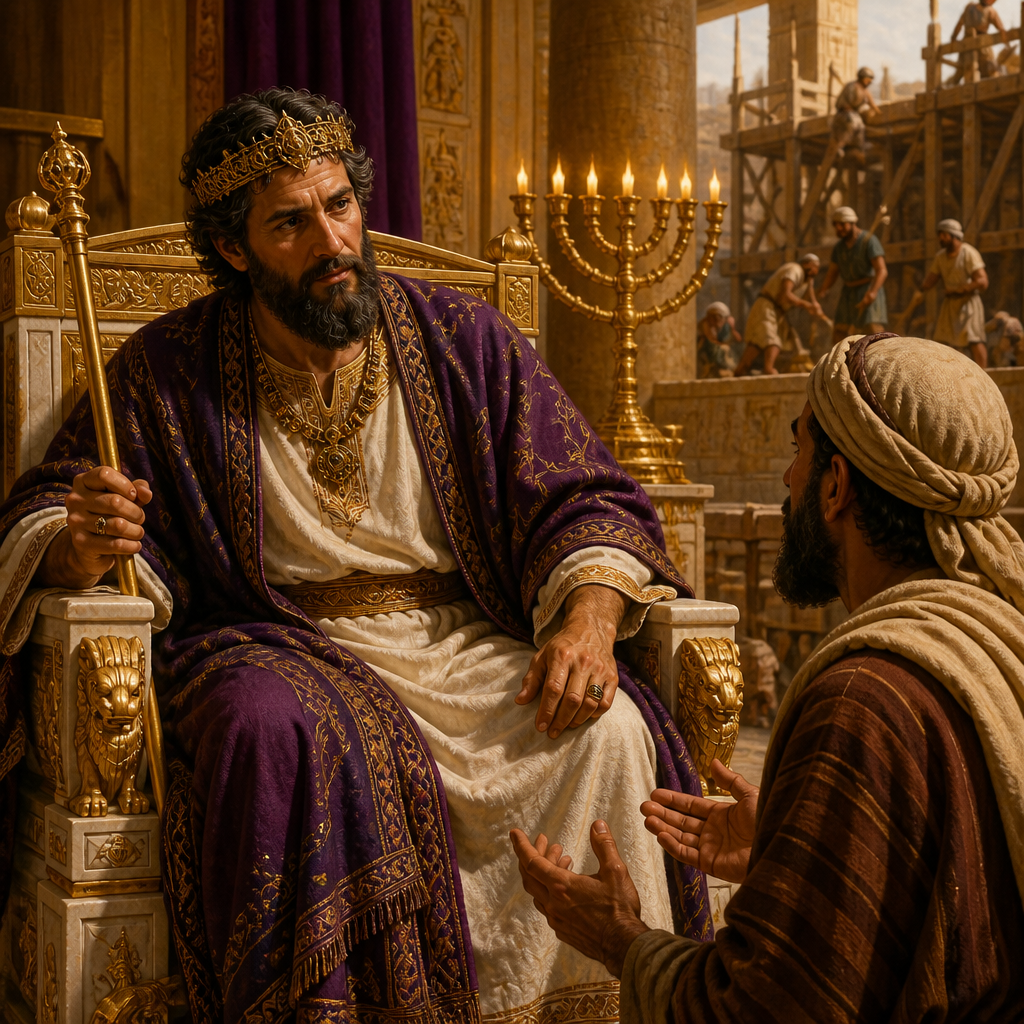
Solomon
King of Israel who built the first Temple and was famous for his wisdom