
People of Obadiah
Every person who appears in the book of Obadiah, ordered by how often they are mentioned there.
The People of Obadiah appear in a prophetic vision concerning the divine judgment of the nation of Edom and the eventual restoration of the kingdom of God. The text begins with a report from Obadiah the Prophet, who delivers a message from the Lord regarding the pride and impending downfall of the Edomites (Obadiah 1:1). The central conflict of the book is rooted in the historical relationship between two brothers, as the text identifies the Edomites as the descendants of Esau and the victims of their violence as the descendants of Israel (Obadiah 1:10). The prophet condemns the people of Edom for standing aloof while foreigners entered the gates of Jerusalem and carried off its wealth (Obadiah 1:11).
The organization of the text contrasts the total destruction of the house of Esau with the survival and expansion of the house of Jacob. Obadiah the Prophet serves as the messenger who announces that the pride of Edom has deceived them into thinking their mountain fortresses are impenetrable (Obadiah 1:3). The text describes Esau as a nation that will be pillaged and left with nothing, receiving the same treatment they gave to their brother (Obadiah 1:6–15). In contrast, the house of Jacob is described as a fire that will consume the stubble of their enemies (Obadiah 1:18). Joseph is named alongside his father as a flame that will participate in this judgment (Obadiah 1:18). The text further specifies that Benjamin will possess the territory of Gilead as part of the territorial recovery (Obadiah 1:19). Ephraim is mentioned as a region that the returning exiles will occupy, specifically the fields of Samaria (Obadiah 1:19). Finally, Judah is represented by the captives who will possess the cities of the South (Obadiah 1:20).
This prophetic arc functions as a declaration of divine justice and the fulfillment of ancestral promises. The text does not say when these specific events occurred or the exact identity of the foreign invaders, but it emphasizes that the day of the Lord is near for all nations (Obadiah 1:15). The narrative concludes with the assertion that deliverers will ascend Mount Zion to rule over the mountains of Esau signifying a shift in power where the kingdom becomes the Lord’s (Obadiah 1:21). By naming specific tribes like those of Joseph and Benjamin, the book envisions a reunited and sovereign nation occupying its promised borders.
Everyone in this list
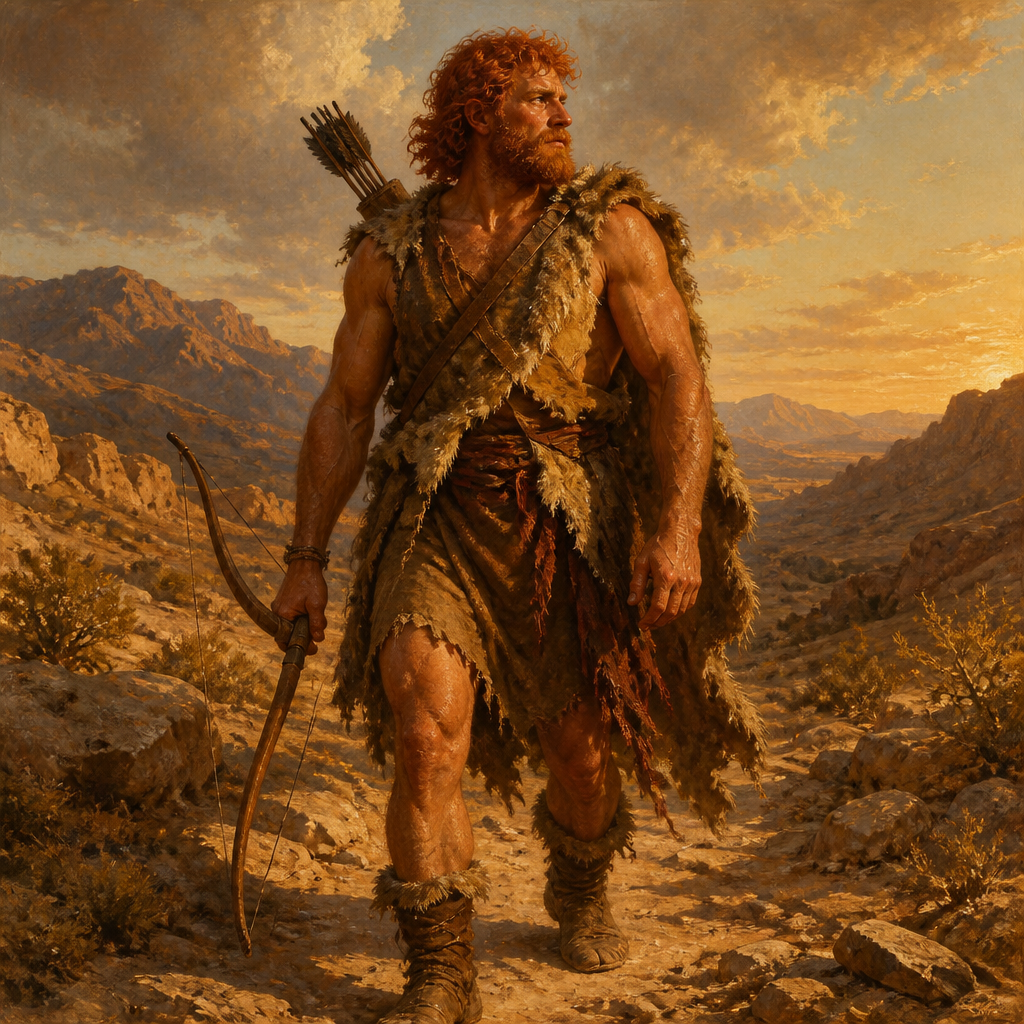
Esau
Patriarch who sold his birthright for lentil stew and founded the nation of Edom
Obadiah the Prophet
Prophet who wrote the shortest book of the Old Testament concerning the judgment of Edom