
Questionable Professors of Faith
An editorial grouping by Everybody in the Bible, gathering people whose profession of faith Scripture presents as doubtful or short-lived. This is our study category, not a verdict on their standing before God.
The category of Questionable Professors of Faith identifies individuals and groups in the New Testament whose commitment to the gospel is presented as inconsistent, self-serving, or temporary. These figures appear primarily in the Acts of the Apostles and the Epistles, often serving as cautionary examples of internal opposition within the early church. The text does not provide a formal verdict on their final spiritual standing, but it records specific actions that contradicted their public identification with the Christian movement.
The group is organized by the specific nature of their failure or the specific apostle they opposed. Simon Magus is a sorcerer in Samaria who believes and is baptized, yet he later attempts to purchase the power of the Holy Spirit with money (Acts 8:9–24). The Believing Pharisees at Jerusalem are members of the sect of the Pharisees who believe in Jesus but insist that Gentile converts must be circumcised and keep the law of Moses (Acts 15:5). The Preachers of Envy and Rivalry are individuals in Rome who preach Christ out of selfish ambition, intending to cause the Apostle Paul distress during his imprisonment (Philippians 1:15–17). Diotrephes is a local church leader who loves to be first and refuses to welcome the Apostle John or those sent by him (3 John 1:9–10). Alexander the Coppersmith is identified as one who did Paul great harm and strongly opposed the apostolic message (2 Timothy 4:14–15). Demas is a former fellow worker of Paul who eventually deserts the mission because he loves the present world (2 Timothy 4:10).
Other members are noted for their abandonment of the apostolic circle during times of persecution. Phygelus and Hermogenes are specifically named as individuals from the province of Asia who turned away from Paul during his time of need (2 Timothy 1:15). These accounts illustrate the internal pressures facing the early church, where the threat of desertion or doctrinal deviation was as significant as external persecution. By recording these names, the biblical authors highlight the distinction between an initial profession of faith and the endurance required to sustain it. These figures serve as a narrative contrast to those who remained loyal to the gospel despite legal threats, social exclusion, or physical hardship.
Everyone in this list

Alexander the Coppersmith
Apostate who caused the Apostle Paul great harm and opposed the gospel

The Believing Pharisees at Jerusalem
Pharisees who became genuine believers yet urged circumcision and Torah observance for Gentile converts
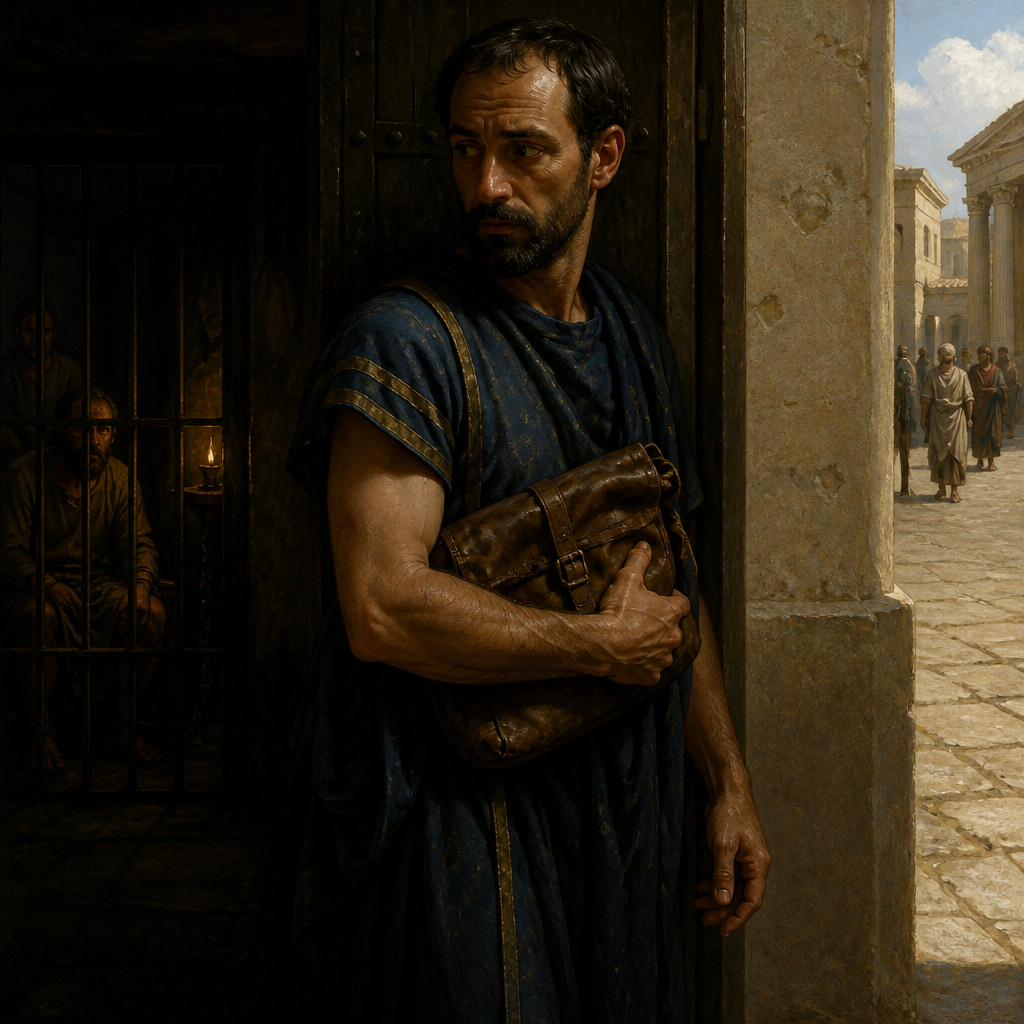
Demas
Companion of Paul who abandoned him for love of the world

Diotrephes
Local church leader who pridefully rejected the Apostle John's authority and excommunicated faithful believers
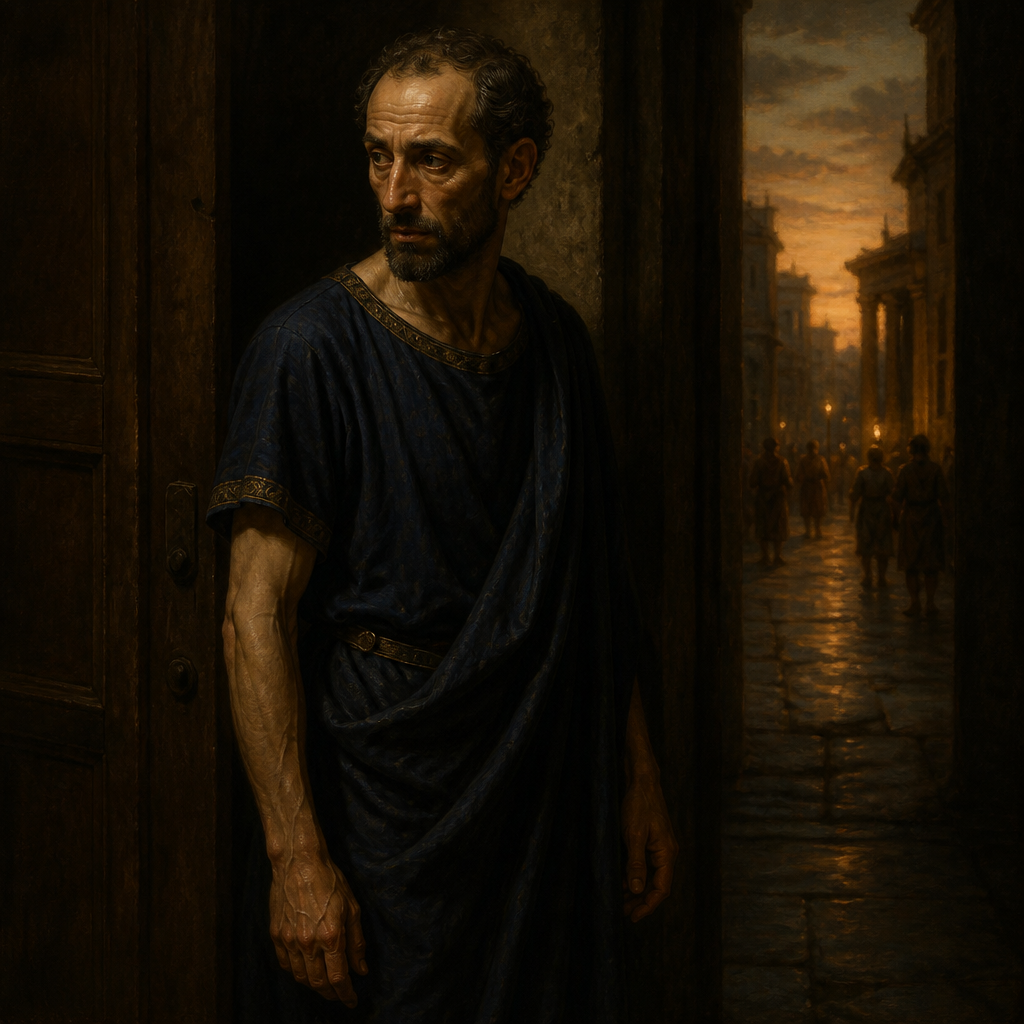

Phygelus
associate of Paul who deserted him during his final Roman imprisonment

The Preachers of Envy and Rivalry
Preachers in Rome who sought to harm Paul’s reputation through competitive ministry
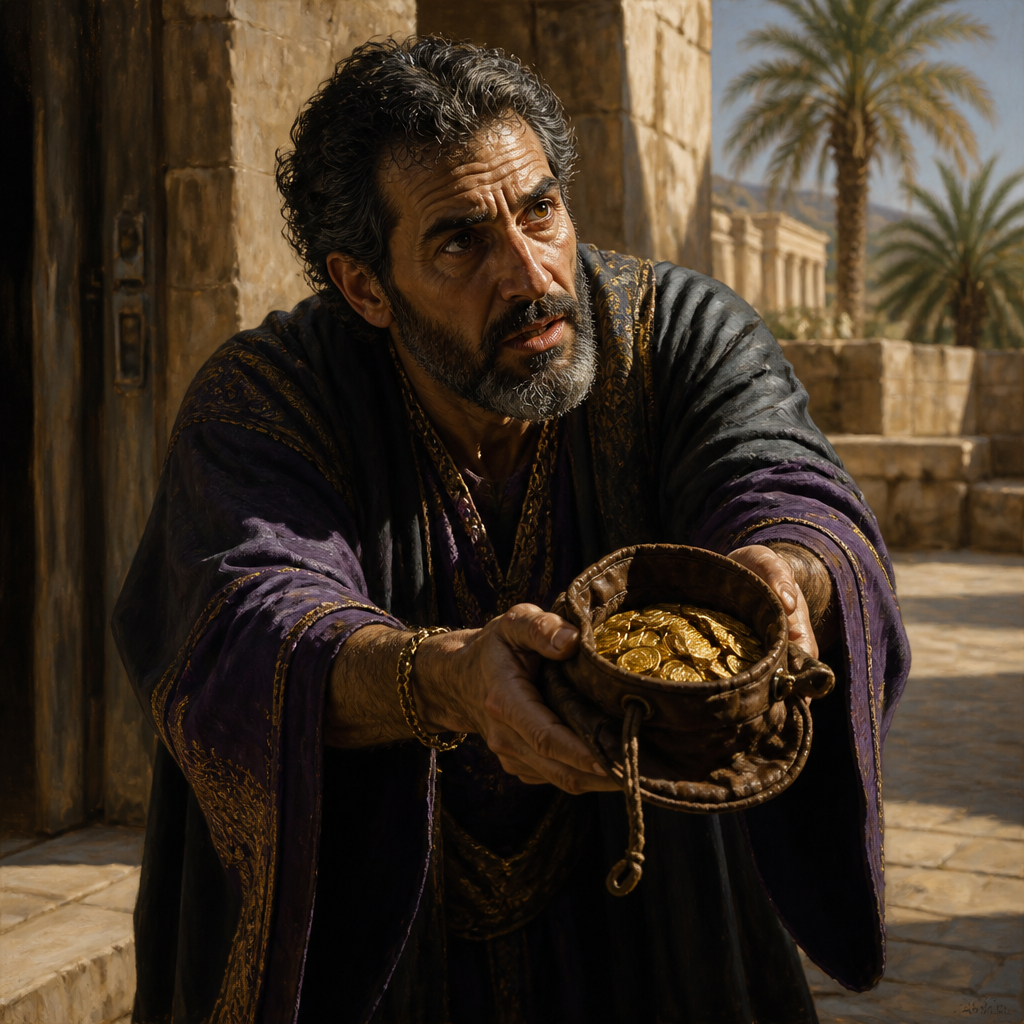
Simon Magus
Sorcerer who attempted to buy the gift of the Holy Spirit from the apostles