
People of 1 Peter
Every person who appears in the book of 1 Peter, ordered by how often they are mentioned there.
The People of 1 Peter appear within a letter addressed to displaced believers living as exiles throughout the Roman provinces of Asia Minor. The author identifies himself as Peter, an apostle of Jesus, who writes to offer encouragement during times of suffering (1 Peter 1:1). The text centers on the work of Jesus, who is described as a living stone rejected by men but chosen by God to bear the sins of humanity on the cross (1 Peter 2:4, 2:24). By his resurrection from the dead, Jesus provides a living hope and an inheritance that cannot perish or fade (1 Peter 1:3–4).
To illustrate the virtues of faith and submission, the text recalls figures from the Hebrew scriptures. It mentions Noah, who was one of eight people saved through water when God waited patiently during the construction of the ark (1 Peter 3:20). The letter also points to Abraham as a model of hope and Sarah as an example of a holy woman who obeyed her husband and did not give way to fear (1 Peter 3:6). These historical figures serve as precedents for the conduct the author expects from the contemporary community of believers.
The letter concludes with personal greetings from those present with the author at the time of writing. The text identifies Silas as a faithful brother who assisted in the writing and delivery of the letter to the various provinces (1 Peter 5:12). Additionally, the author includes a greeting from Mark, whom he refers to affectionately as his son (1 Peter 5:13). These closing mentions connect the local congregations in Asia Minor to the wider leadership of the early church.
Within the larger biblical story, this group represents the continuity between the ancient patriarchs and the new community established by Jesus. The text frames the experiences of the readers as a participation in the sufferings of Jesus suggesting that their trials serve to prove the genuineness of their faith (1 Peter 4:13). By linking the lives of Sarah and Abraham to the current generation, the letter presents the church as a chosen race and a royal priesthood that continues the lineage of the people of God (1 Peter 2:9).
Everyone in this list
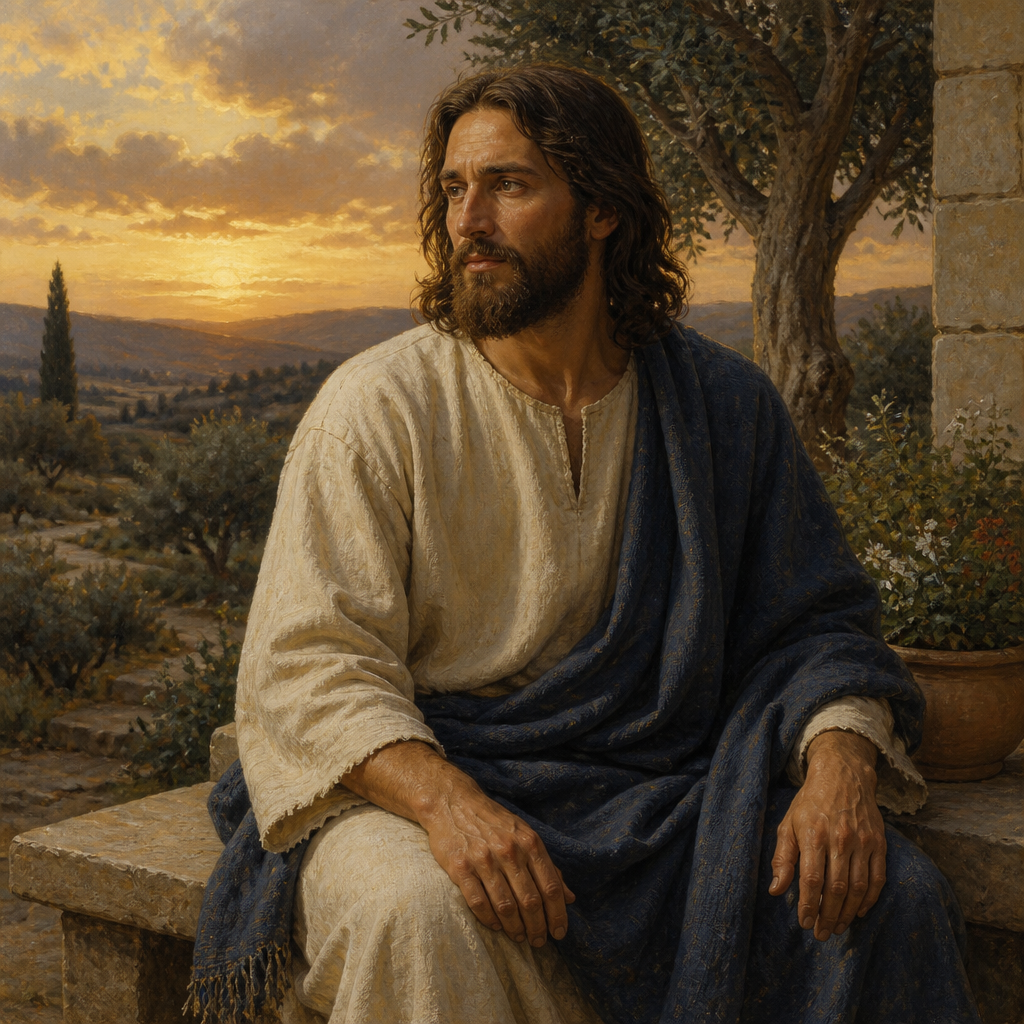
Jesus
Messiah and central figure of the New Testament whose life, death, and resurrection form the basis of the Christian faith
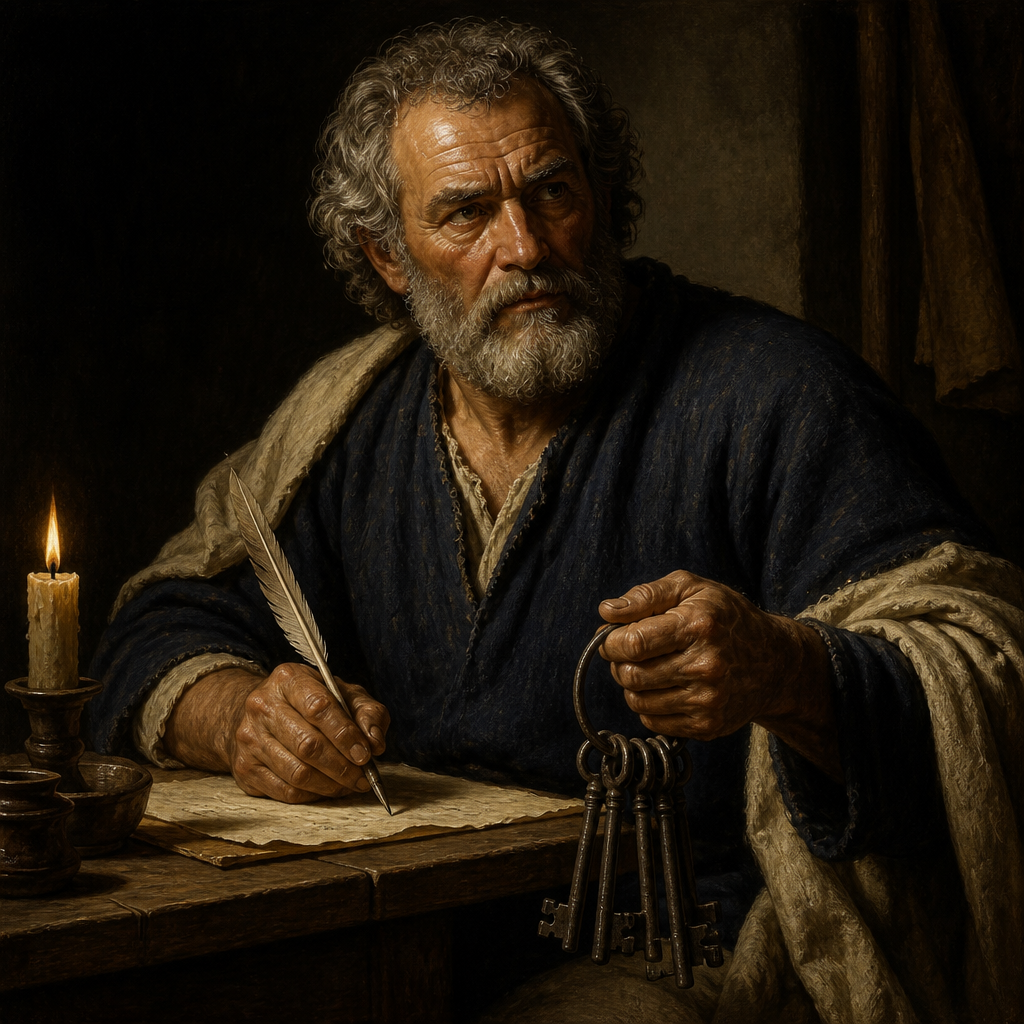
Peter
Apostle who served as the spokesman for the Twelve and the leader of the early Church in Jerusalem
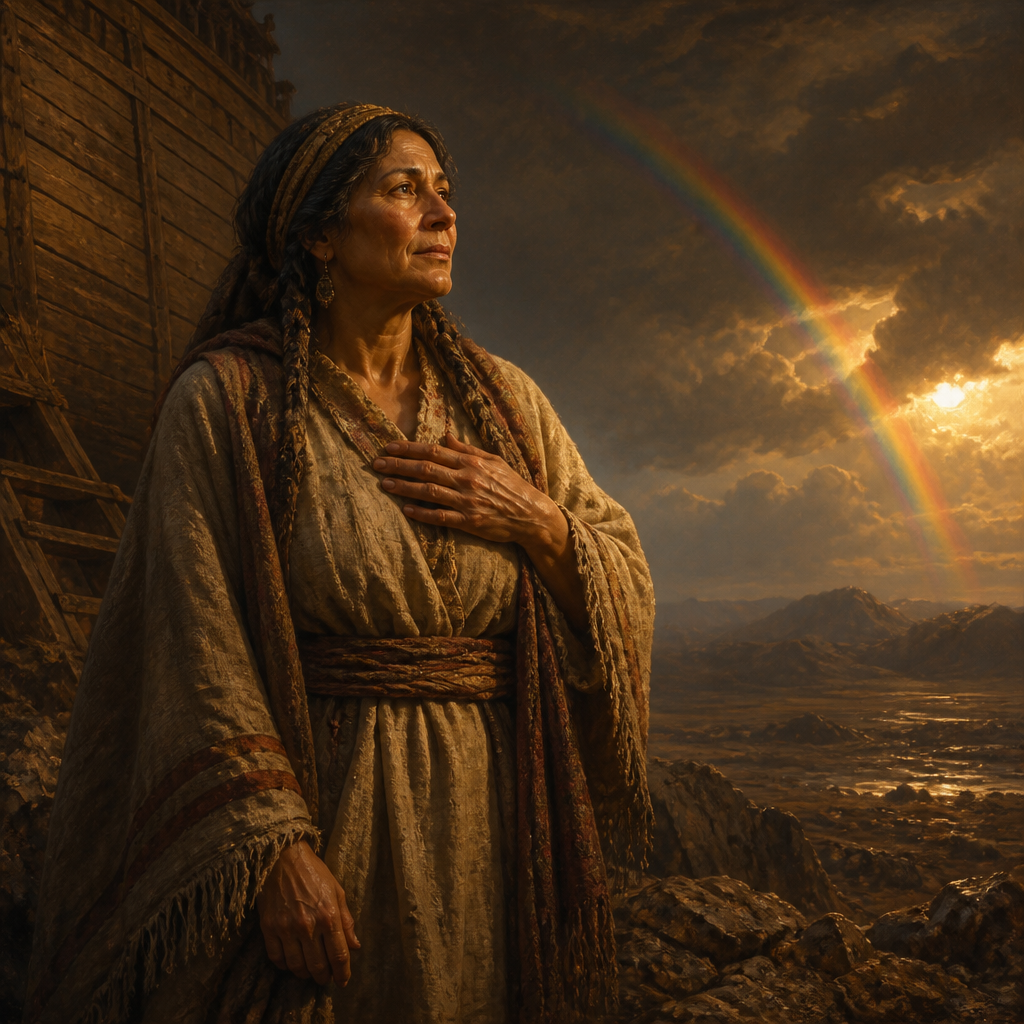
Ham's Wife
one of the eight survivors of the Great Flood and mother of the Hamitic nations
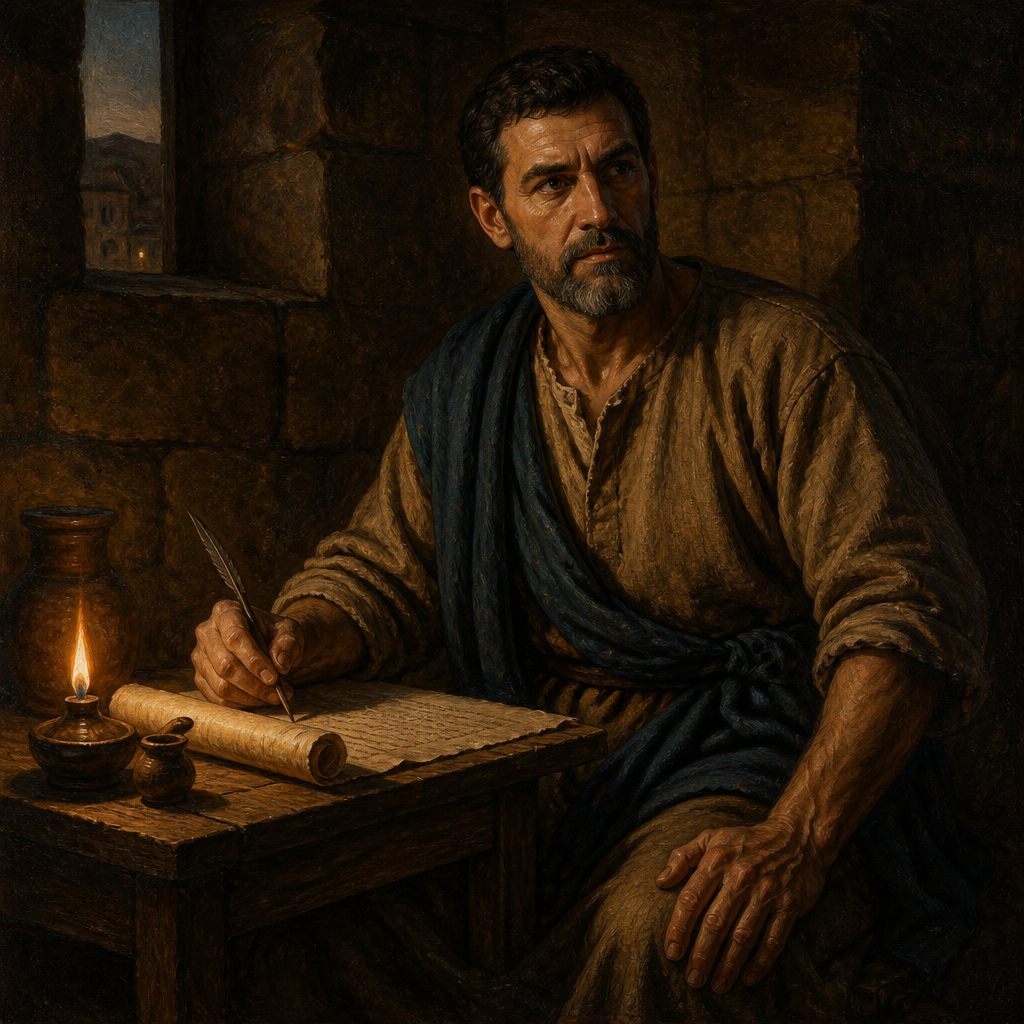
Silas
Prophet and companion of Paul who sang in the Philippian jail
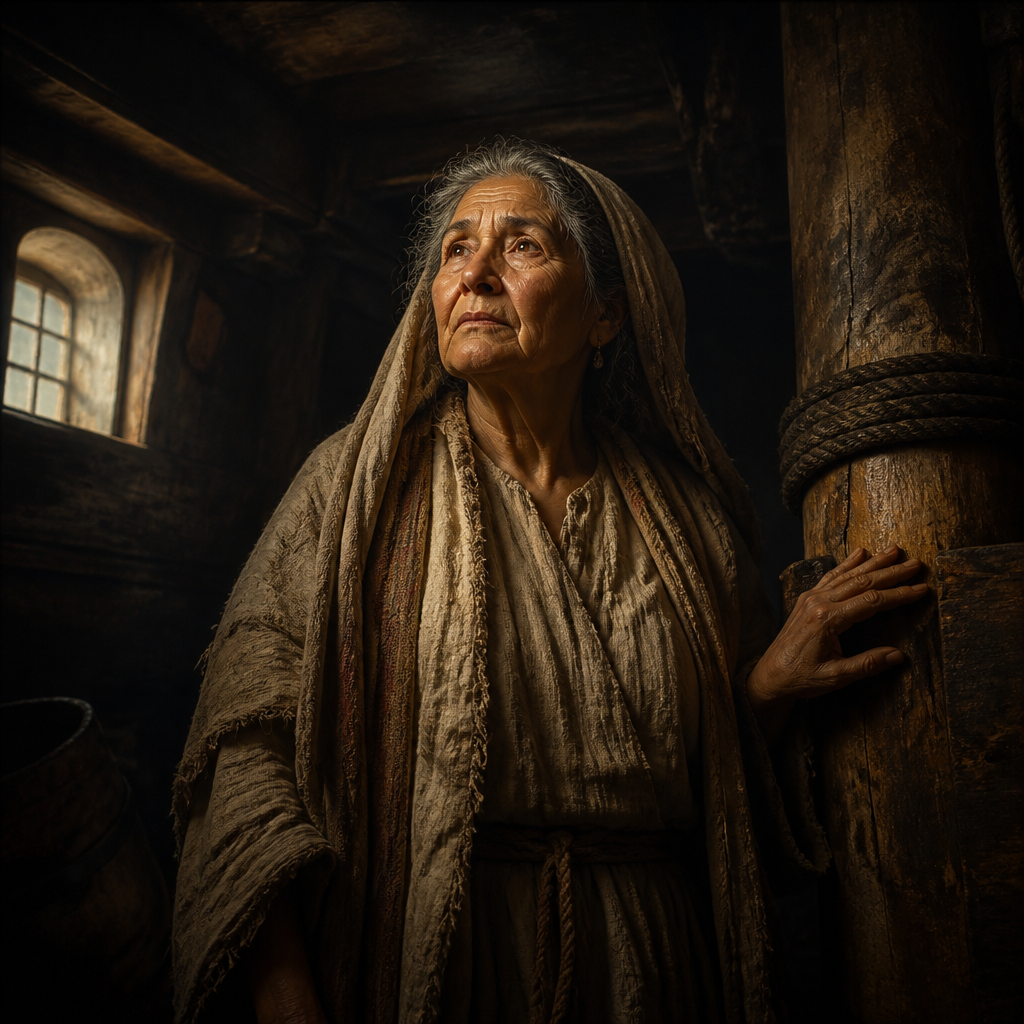
Noah's Wife
Matriarch who survived the Great Flood on the Ark with her family
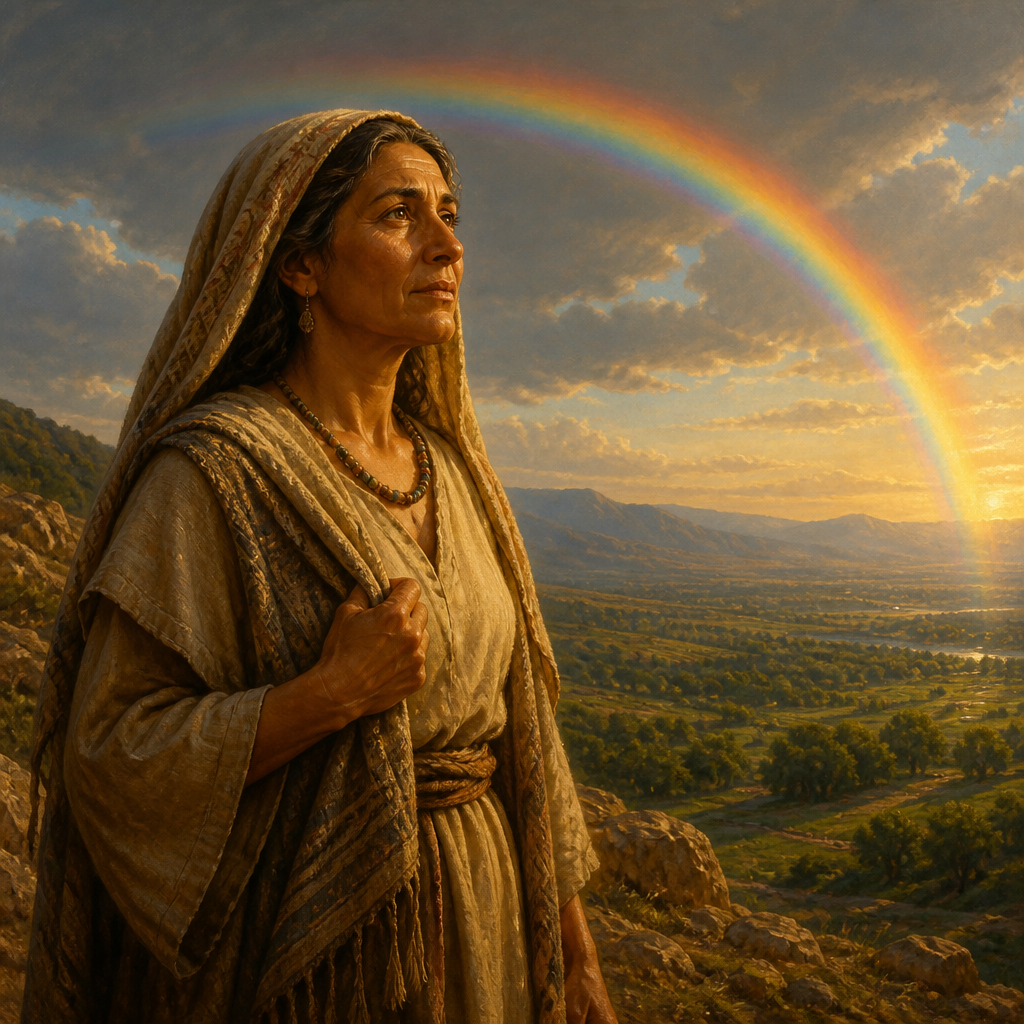
Shem's Wife
Noah's daughter-in-law and one of the eight survivors of the Great Flood
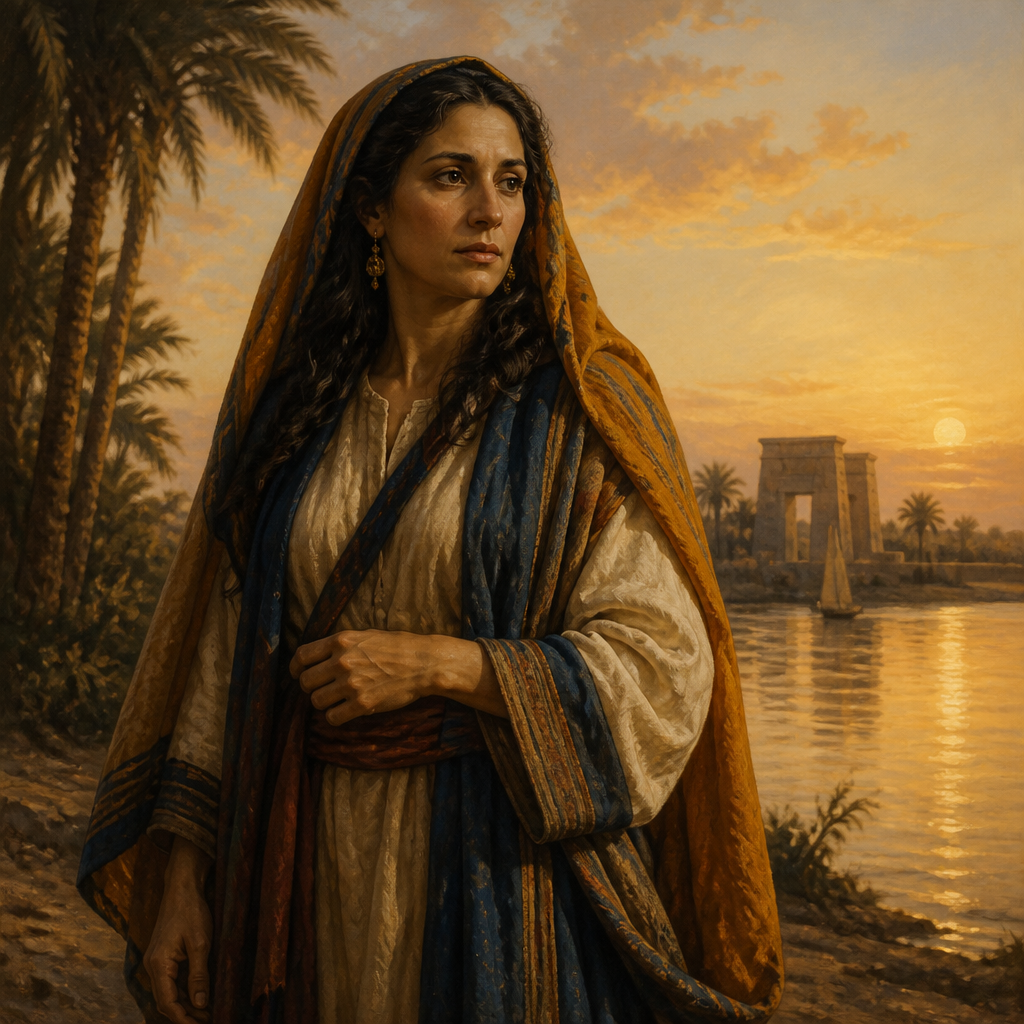
Sarah
Matriarch of Israel and mother of Isaac who conceived in her old age
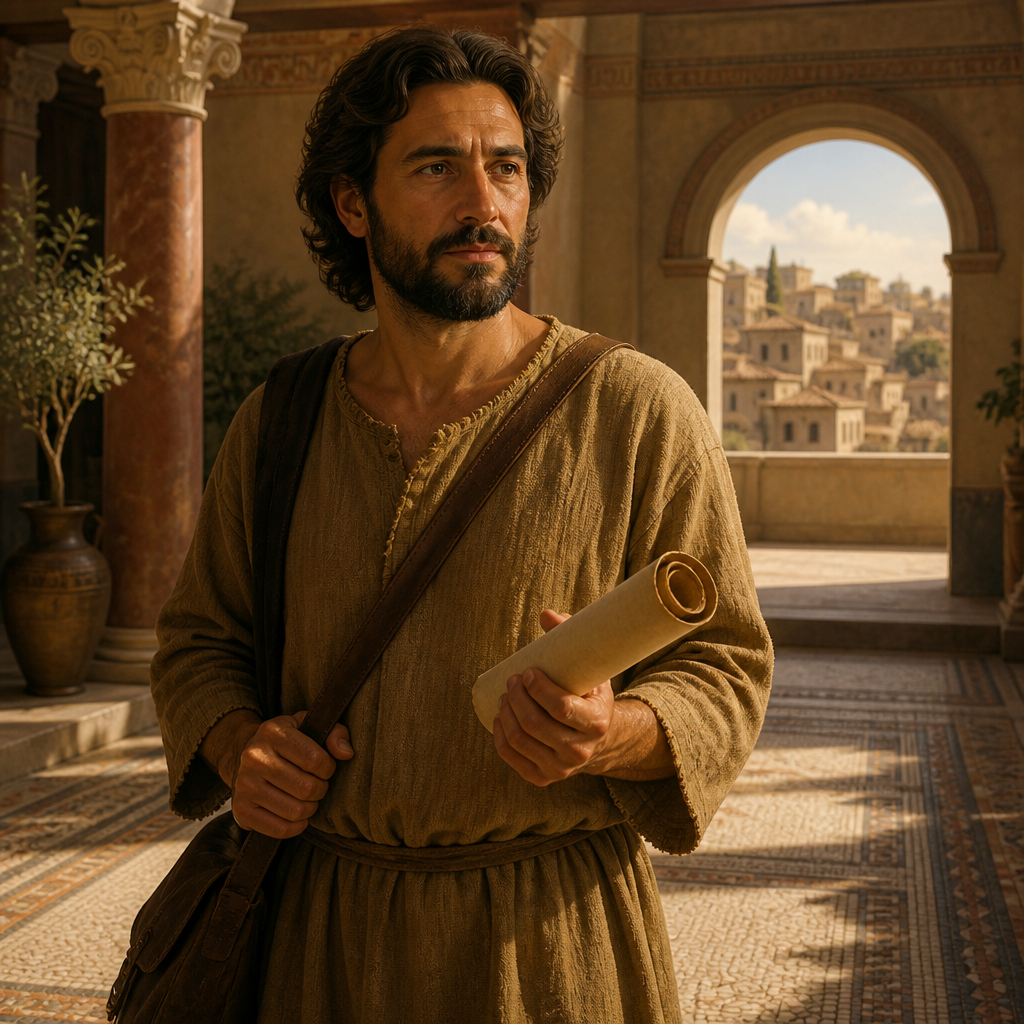
Mark
Missionary companion of Paul and Barnabas whose departure caused a rift between the two leaders
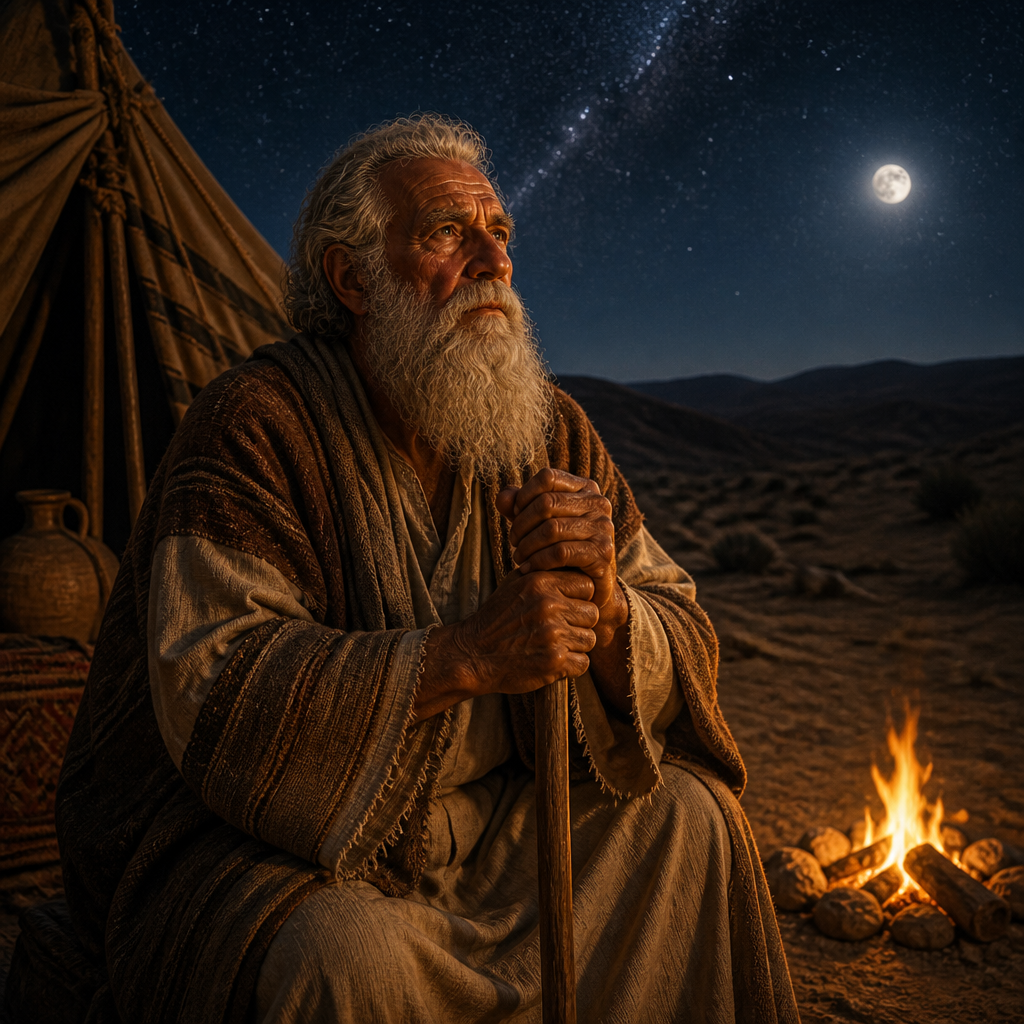
Abraham
Patriarch who is the father of the nation of Israel and an exemplar of faith
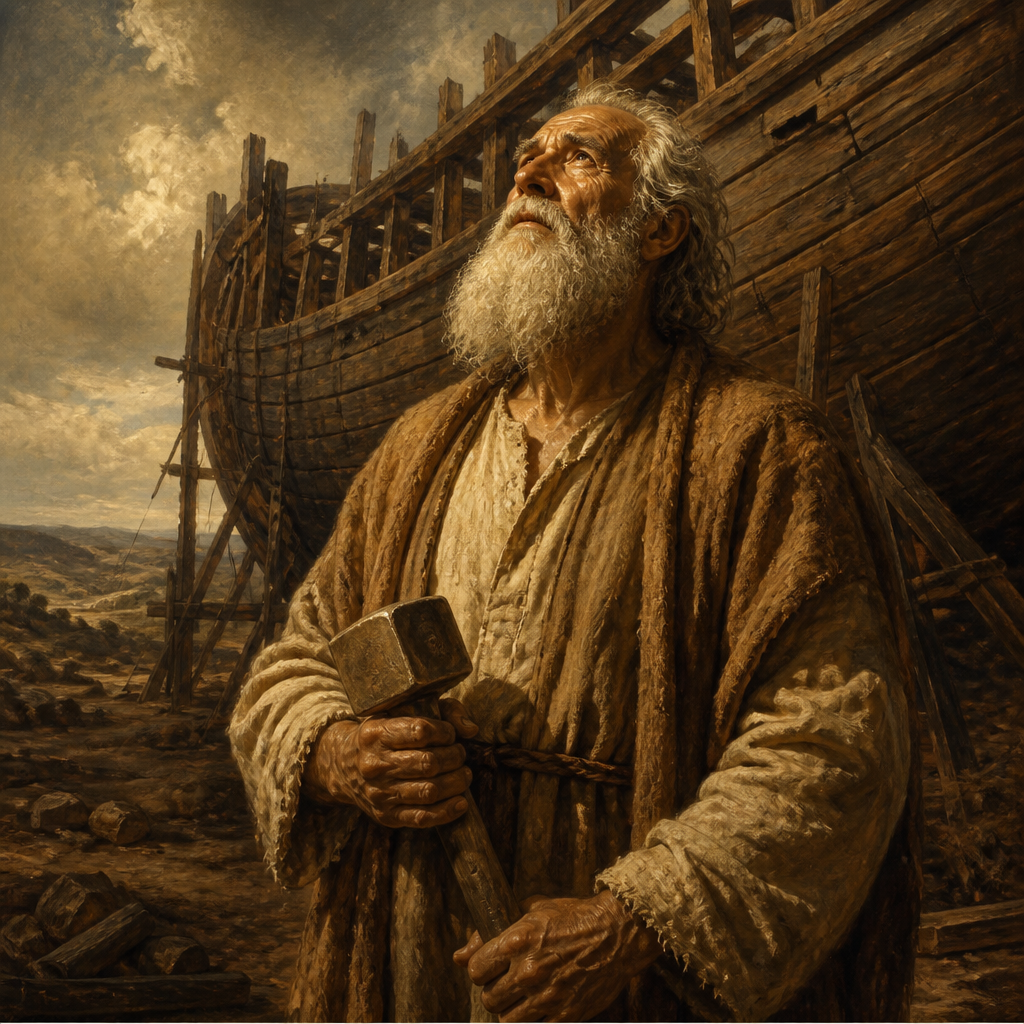
Noah
Patriarch and ark builder who survived the Great Flood and established the rainbow covenant