The Gibeonites
A remnant of the Amorites who used deception to secure a peace treaty with Israel during the Conquest and later became perpetual servants of the sanctuary.
The Gibeonites were an ancient group inhabiting the cities of Gibeon, Chephirah, Beeroth, and Kiriath-jearim in the land of Canaan. Although they were not Israelites—identified specifically as a remnant of the Amorites or Hivites—they occupy a unique position in the biblical narrative due to their survival during the Israelite Conquest under Joshua. While other Canaanite nations sought to oppose Israel through military alliances, the Gibeonites recognized the inevitability of Israel’s victory based on the reports of God’s miracles in Egypt and against the kings Sihon and Og.
Their inclusion in the biblical record is defined by a strategic deception involving moldy bread and worn-out garments, which led the leaders of Israel to swear a binding oath of peace without consulting the Lord. This oath remained legally and spiritually binding for centuries, eventually leading to a national crisis during the reign of King David when the violation of this covenant by King Saul resulted in a three-year famine. Consequently, the Gibeonites served as a permanent fixture in the religious life of Israel, laboring as woodcutters and water carriers for the house of God.
Background and Origins
The Gibeonites are identified in the biblical text as a remnant of the Amorites (2 Samuel 21:2) and are associated with the Hivites (Joshua 9:7). They resided in a tetrapolis consisting of Gibeon, Chephirah, Beeroth, and Kiriath-jearim. Gibeon, the lead city, was described elsewhere as a great city, like one of the royal cities, and all its men were warriors. Despite their strength, the Gibeonites chose diplomacy over conflict when they witnessed the destruction of Jericho and Ai.
Unlike the surrounding nations that formed a military coalition against Joshua, the Gibeonites assessed the theological and physical reality of the Israelite advance. They acknowledged that the Lord had commanded Moses to give the Israelites the entire land and to wipe out all its inhabitants. Driven by a fear for their lives, they devised a plan to bypass the divine mandate for their destruction by pretending to be from a "very distant land."
The Deception and the Covenant
In Joshua 9, the Gibeonites sent envoys to the Israelite camp at Gilgal. To support their claim of a long journey, they carried worn-out sacks, cracked wineskins that had been mended, patched sandals, and bread that was dry and moldy. When questioned by Joshua and the men of Israel, they avoided revealing their specific location, instead focusing on the fame of the Lord and the miracles performed during the Exodus.
The turning point of the narrative occurs in Joshua 9:14, where it is noted that the Israelites "sampled their provisions, but did not seek the counsel of the LORD." Based on this physical evidence, Joshua made a treaty of peace with them, and the leaders of the congregation swore an oath by the Lord to let them live.
Three days later, the Israelites discovered the ruse when they arrived at the Gibeonite cities. Although the congregation grumbled against their leaders for being deceived, the leaders maintained that the oath sworn by the name of the Lord could not be broken without bringing divine wrath upon Israel. As a consequence of their deception, Joshua placed the Gibeonites under a perpetual curse of servitude. They were designated as "woodcutters and water carriers for the congregation of the LORD and for the altar at the place He would choose" (Joshua 9:27).
The Siege of Gibeon and Saul’s Violation
The Gibeonites' defection to Israel triggered an immediate military response from the neighboring Amorite kings. Five kings, led by Adoni-zedek of Jerusalem, besieged Gibeon to punish them for their treaty. The Gibeonites sent an urgent plea to Joshua at Gilgal, invoking their status as servants. Joshua responded by honoring the treaty, leading to a miraculous victory where the Lord cast down large hailstones and caused the sun to stand still over Gibeon.
Centuries later, the Gibeonites resurface in the record during the reign of King David. A three-year famine plagued the land, and upon seeking the face of the Lord, David was told it was due to "the blood shed by Saul and his family, because he killed the Gibeonites" (2 Samuel 21:1). Despite the centuries that had passed, the oath sworn in the days of Joshua remained valid. Saul, in a misguided zeal for Israel and Judah, had attempted to exterminate the Gibeonites, thereby violating the ancient covenant.
Resolution under King David
To atone for Saul’s actions and end the famine, David summoned the Gibeonites and asked how he could make amends. Refusing silver or gold, the Gibeonites requested that seven of Saul’s male descendants be delivered to them for execution. David spared Mephibosheth (due to his oath with Jonathan) but handed over two sons of Rizpah and five sons of Merab. The Gibeonites executed them and "hanged them on the hill before the LORD" at the beginning of the barley harvest. Following this act of justice and the subsequent burial of the remains, the text notes that "God reached out in prayer for the land."
Relationship to Other Biblical Figures
The Gibeonites’ primary interaction was with Joshua, who both cursed them to servitude and saved them from destruction. Their history is inextricably linked to King Saul, whose xenophobic zeal led to their attempted genocide, and King David, who acted as the mediator to restore the broken covenant. Their service at the "altar at the place He would choose" placed them in constant contact with the Levitical priesthood, as they provided the necessary resources for the sacrificial system.
Spiritual Significance
The narrative of the Gibeonites serves as a profound theological case study on the sanctity of oaths and the sovereignty of God. Their story illustrates that a covenant made in the name of the Lord—even one obtained through deception—is considered holy and binding across generations. The subsequent famine during David's reign underscores the biblical principle that national leaders' actions have long-term spiritual consequences and that God requires justice for the marginalized and the mistreated, even those outside the community of Israel.
Furthermore, the Gibeonites represent a unique category of 'incorporated outsiders.' Though they began as enemies destined for destruction, their fear of the Lord (however imperfectly expressed) led to their preservation and their permanent proximity to the Tabernacle and later the Temple. Their role as woodcutters and water carriers for the altar highlights the theme that even the lowliest service in the house of God is a position of protection and purpose within the divine economy.
Frequently Asked Questions
Why did Joshua not kill the Gibeonites after discovering their lie?
Joshua and the leaders of Israel had sworn a formal oath by the LORD, the God of Israel, to let them live. Breaking an oath made in God's name was considered a grave sin that would bring divine wrath upon the entire nation.
What happened to the Gibeonites during King Saul's reign?
King Saul attempted to exterminate the Gibeonites in his zeal for the people of Israel and Judah, despite the standing peace treaty. This act of ethnic cleansing was a violation of the ancient covenant made during the time of Joshua.
How did David settle the blood feud with the Gibeonites?
David allowed the Gibeonites to execute seven of Saul's male descendants. This was done to make amends for Saul's attempt to wipe them out and to end a three-year famine caused by the broken oath.
Who were the Gibeonites originally?
They were a Hivite/Amorite people living in a group of four cities in Canaan, the largest being Gibeon. They were noted for having great warriors but chose to surrender rather than fight Israel.
What were the 'tasks' assigned to the Gibeonites?
They were assigned to be perpetual woodcutters and water carriers for the congregation and for the altar of the LORD, essentially serving the needs of the sanctuary.
Connected Figures
Joshua
Leader who spared them and made a treaty with them
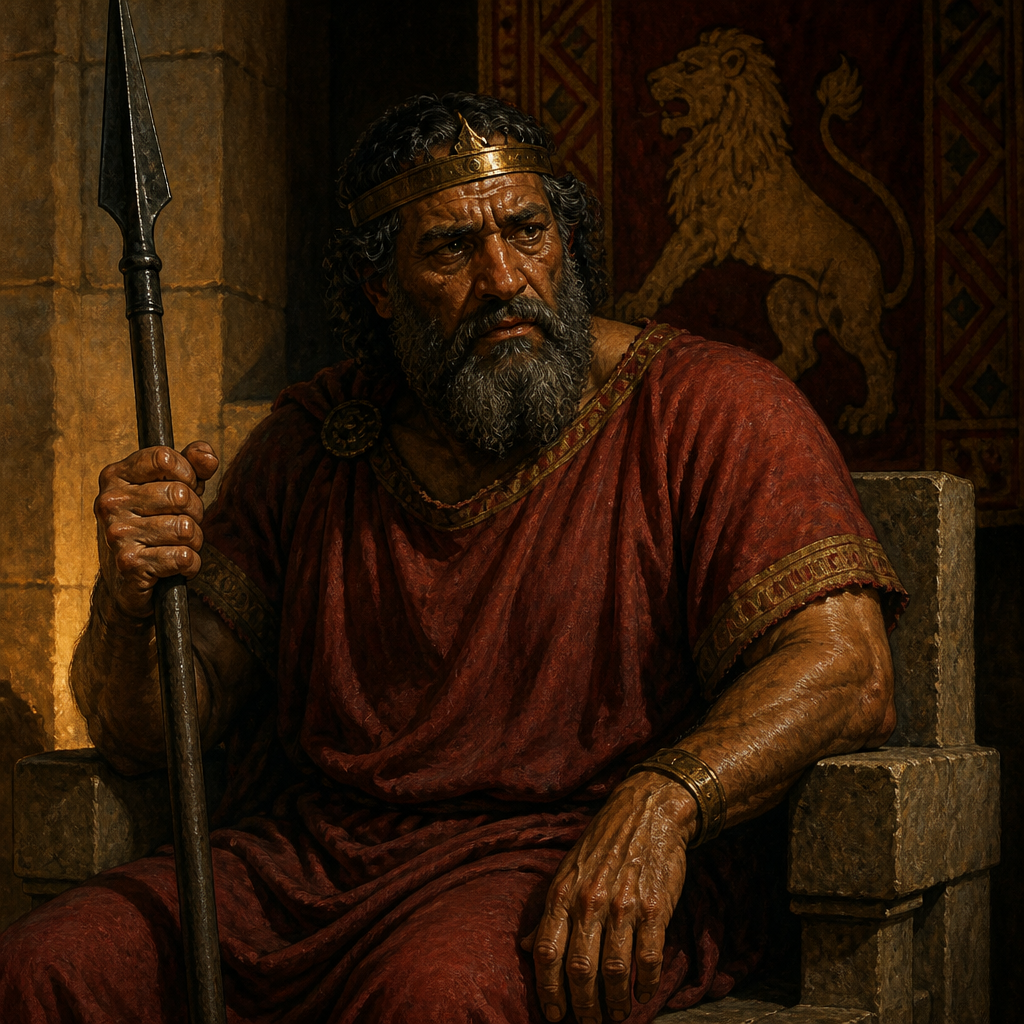
Saul
King who sought to exterminate them
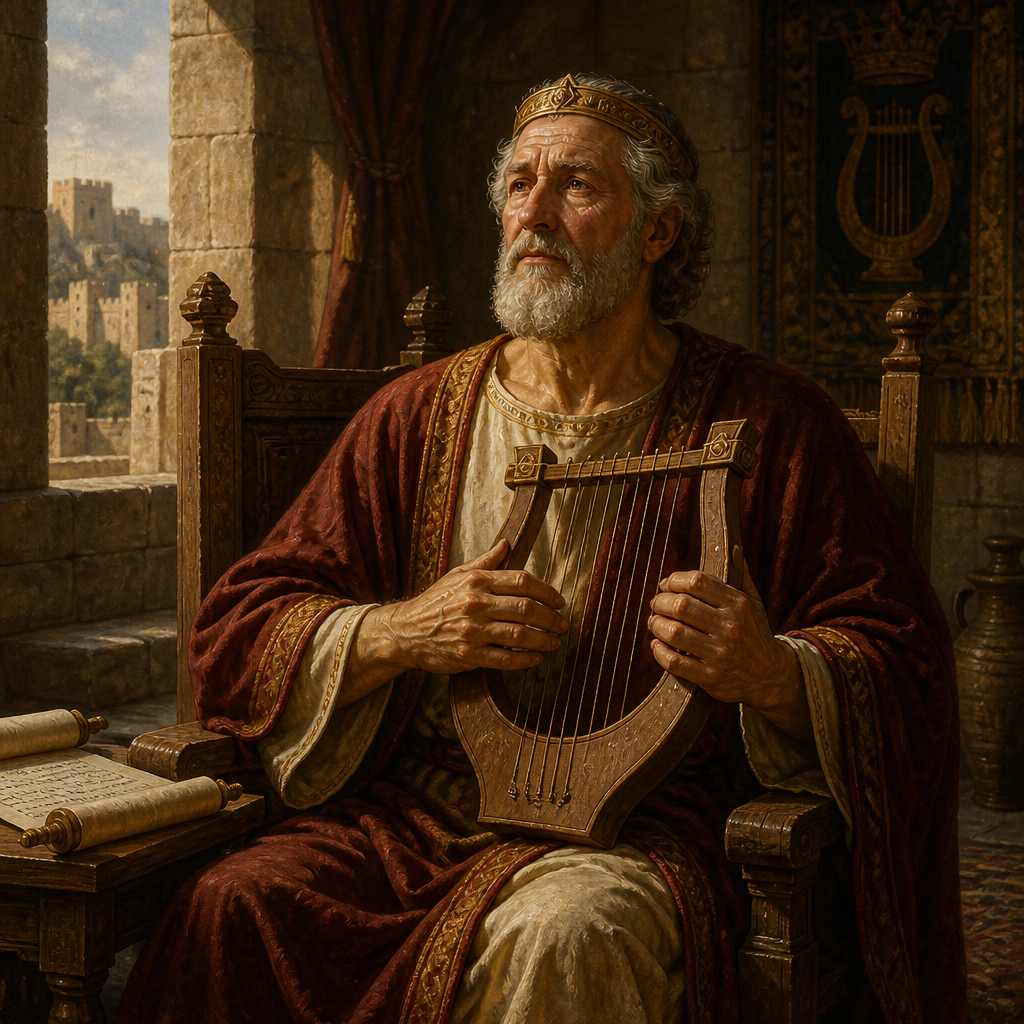
David
King who made amends for their mistreatment
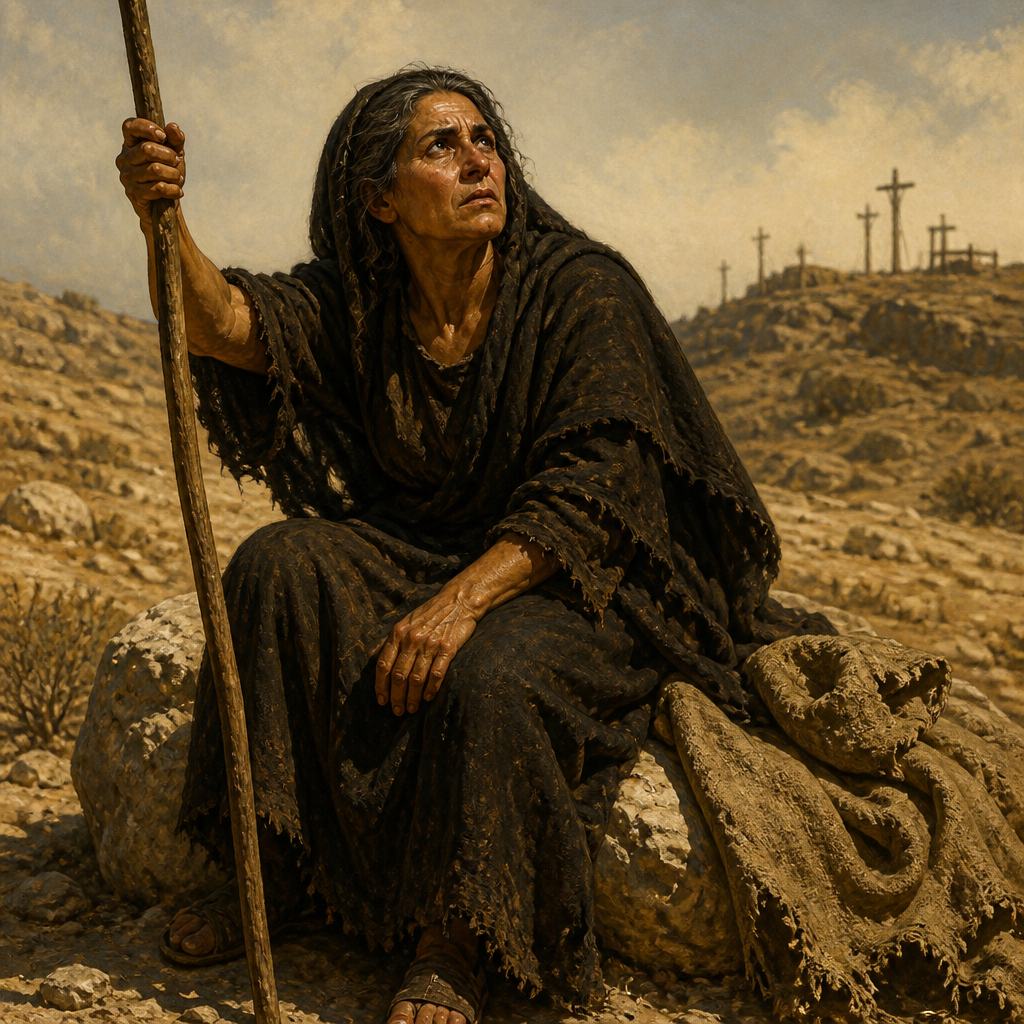
Rizpah
Mother of two sons handed over to the Gibeonites