Havilah, Son of Joktan
A descendant of Shem through Joktan, Havilah was a progenitor of a tribe in the Arabian Peninsula during the Primeval History era.
Havilah is a figure identified in the Table of Nations within the book of Genesis and the genealogies of 1 Chronicles. He is the son of Joktan, who was a descendant of Eber, placing Havilah in the lineage of Shem. As a member of the post-Flood generation during the Primeval History, Havilah is situated within the group of thirteen brothers who are traditionally associated with the settlement of the Arabian Peninsula.
While the biblical text does not provide a narrative account of Havilah’s life or individual deeds, his inclusion in the genealogical records serves to map the ethnographic and geographic landscape of the ancient Near East. His name is often associated with specific regions noted for their natural resources, though the biblical text primarily focuses on his status as a tribal founder within the Joktanite line.
Background and Family
Havilah appears in the biblical record as the twelfth of thirteen sons born to Joktan (Genesis 10:29; 1 Chronicles 1:23). His grandfather was Eber, the eponymous ancestor of the Hebrews, and his great-great-grandfather was Shem, the son of Noah. This lineage firmly establishes Havilah within the Semitic branch of the human family following the Great Flood.
According to the Table of Nations, Havilah’s brothers included Almodad, Sheleph, Hazarmaveth, Jerah, Hadoram, Uzal, Diklah, Obal, Abimael, Sheba, Ophir, and Jobab. The text emphasizes the collective identity of these siblings, stating, "All these were sons of Joktan" (Genesis 10:29). This phrasing suggests that Havilah was not merely an individual but the founder of a specific clan or people group that settled in a defined territory.
Major Life Events
The biblical record for Havilah is strictly genealogical; there are no recorded speeches, actions, or specific life events attributed to him beyond his birth and his role as a son of Joktan. However, his presence in Genesis 10 is significant for understanding the post-Babel dispersion. The text notes that the territory of the Joktanites extended from "Mesha toward Sephar, in the eastern hill country" (Genesis 10:30).
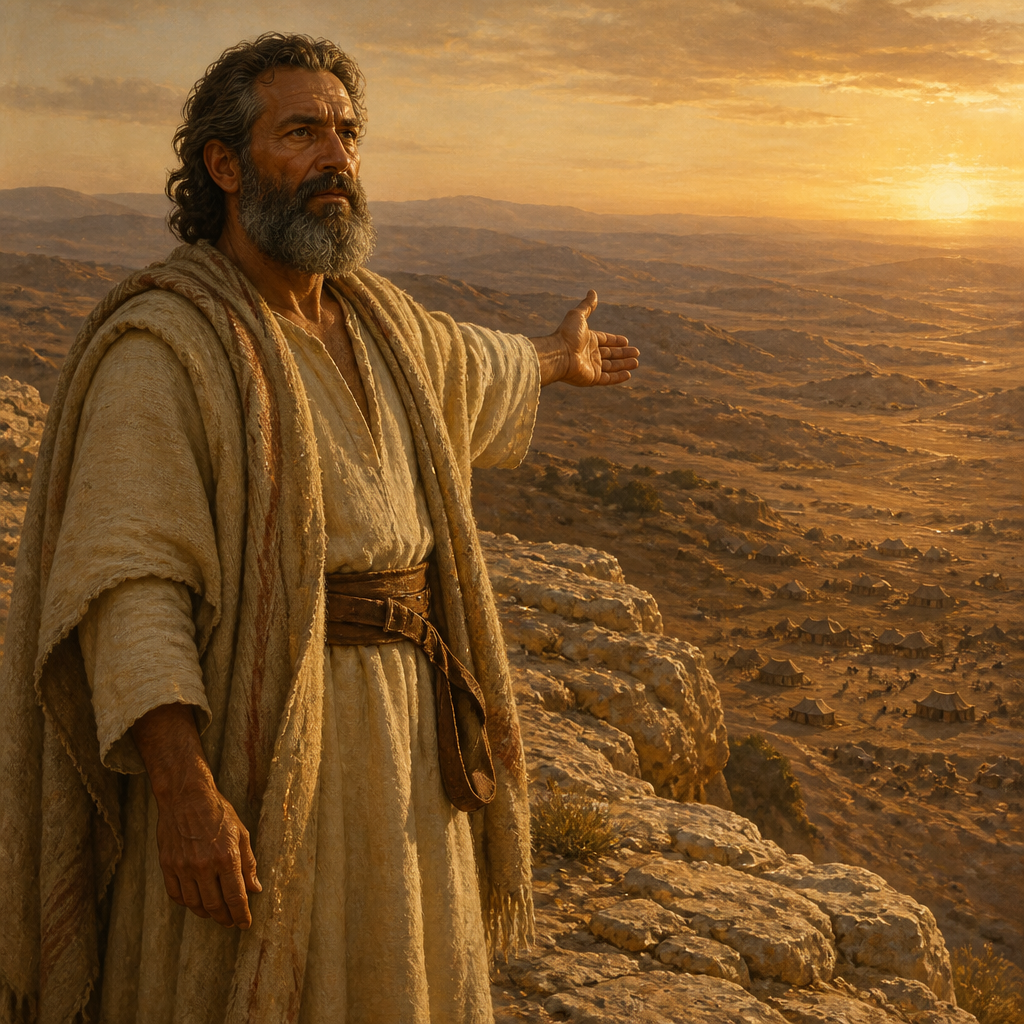
Scholars generally identify the region settled by Havilah as being located within the Arabian Peninsula. The name "Havilah" is often linked to the Hebrew word chol, meaning "sand," which is appropriate for a desert-dwelling tribe. Because he is listed alongside Ophir and Sheba—names frequently associated with gold and trade—it is inferred that Havilah’s descendants were part of the complex trade networks that characterized the early Semitic tribes.
Relationship to Other Biblical Figures
Havilah’s primary relationship in the text is to his father, Joktan, and his twelve brothers. The Joktanite lineage represents a specific branch of the Semitic family that diverged from the line of Peleg. While Peleg’s descendants led toward Abraham and the nation of Israel, the Joktanites—including Havilah—represented the expansion of Shem's legacy into the southern and eastern regions of the biblical world.
Spiritual Significance
Within the context of Primeval History, Havilah’s inclusion signifies the fulfillment of the divine mandate to "fill the earth" following the Flood. The detailed preservation of his name in two separate books of the Bible (Genesis and 1 Chronicles) underscores the biblical theme that God is mindful of the distinct nations and families of the earth.
Though his personal history is obscured by time, Havilah remains a permanent part of the biblical record of human origins. He represents the early diversification of the human race and the establishment of the nations that would interact with the people of Israel in later centuries.
Spiritual Significance
Havilah's significance lies in his role as a tribal patriarch within the Semitic line. By documenting his descent from Joktan, the Bible provides a historical and ethnic framework for the inhabitants of the Arabian Peninsula, situating them within the broader context of God's sovereign distribution of humanity after the Flood. His inclusion in both the Genesis and 1 Chronicles genealogies ensures the continuity of the historical record from the Primeval era through the establishment of the Davidic line.
Frequently Asked Questions
Who was Havilah's father?
Havilah was one of the thirteen sons of Joktan.
What tribe did Havilah belong to?
Havilah was an early patriarch belonging to the Joktanite branch of the Semites.
Where is Havilah mentioned in the Bible?
He is mentioned in Genesis 10:29 and 1 Chronicles 1:23.
What does the name Havilah mean?
The name is traditionally thought to be derived from the Hebrew word for 'sand,' possibly referring to a sandy region.
Connected Figures

Categories
Mentions by Book
- 1 Chronicles1
- Genesis1
Family & Relationships
Sibling
Genesis 10:29
Sibling
Genesis 10:29
Sibling
Genesis 10:29
Sibling
Genesis 10:29
Sibling
Genesis 10:29
Sibling
Genesis 10:29
Sibling
Genesis 10:29
Sibling
Genesis 10:29
Sibling
Genesis 10:29
Sibling
Genesis 10:29
Sibling
Genesis 10:29
Sibling
Genesis 10:29
Sibling
Genesis 10:28
Sibling
Genesis 10:26
Sibling
Genesis 10:27
Sibling
Genesis 10:27
Parent
Genesis 10:25
Sibling
Genesis 10:26
Sibling
Genesis 10:26
Sibling
Genesis 10:29
Sibling
Genesis 10:28
Sibling
Genesis 10:29
Sibling
Genesis 10:28
Sibling
Genesis 10:26
Sibling
Genesis 10:27
Others Named Havilah
Havilah, Son of CushGenesis 10:7
A son of Cush and grandson of Ham, Havilah was a post-Flood figure within the Table of Nations, representing an early lineage of the Cushite people.