Havilah, Son of Cush
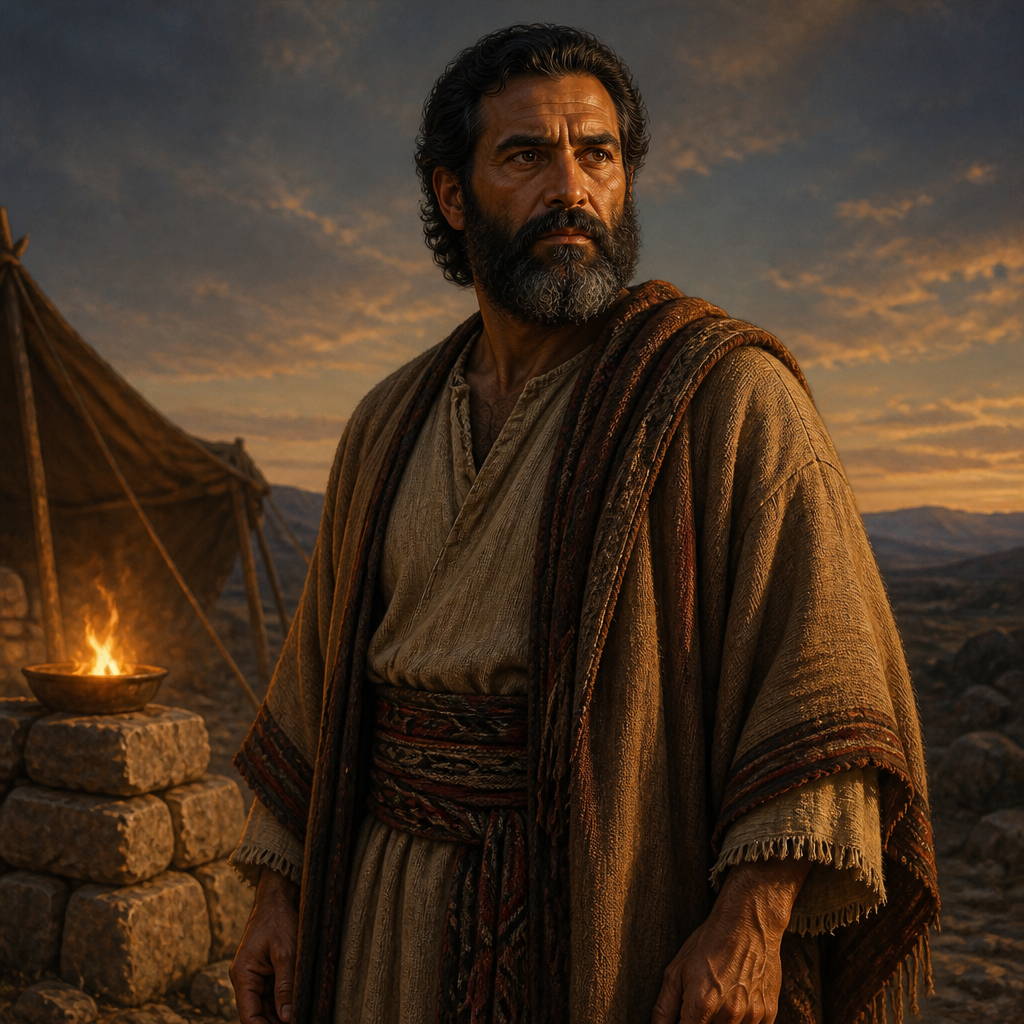
A son of Cush and grandson of Ham, Havilah was a post-Flood figure within the Table of Nations, representing an early lineage of the Cushite people.
Havilah, the son of Cush, is a figure appearing in the early genealogical records of the Old Testament, specifically within the Primeval History following the Great Flood. He is listed as a descendant of Noah through the line of Ham, identifying him as part of the broader Cushite family.
Havilah's presence in the biblical text is restricted to the 'Table of Nations,' a record intended to explain the ethno-geographic distribution of humanity after the Ark came to rest. As a son of Cush, he belongs to a lineage that the Bible associates with both African and Mesopotamian territories, emphasizing the rapid expansion of humanity in the generations immediately following the Deluge.
Background and Family
Havilah is identified in the biblical record as the second son of Cush. His lineage traces back to Ham, one of the three sons of Noah who survived the Great Flood. According to the accounts in Genesis 10 and 1 Chronicles 1, Havilah’s father, Cush, was a prominent figure in the post-Flood world, fathering several sons who became the progenitors of various tribes and regions.
Havilah was one of six brothers: Seba, Sabtah, Raamah, Sabteca, and the notably powerful Nimrod. The family structure presented in the Table of Nations suggests that Havilah was part of a burgeoning elite among the Hamitic descendants, as his brothers and nephews (Sheba and Dedan) are frequently associated with trade and the establishment of early civilizations.
Major Life Events
The biblical text provides no specific narrative accounts regarding the individual life of Havilah, son of Cush. Unlike his brother Nimrod, who is described as a "mighty hunter before the LORD," Havilah is mentioned strictly within the context of his genealogy. His presence in the scripture serves a structural purpose rather than a narrative one, establishing the biological and tribal links that define the Primeval History.
The sons of Cush: Seba, Havilah, Sabtah, Raamah, and Sabteca. And the sons of Raamah: Sheba and Dedan. (Genesis 10:7)
This list is mirrored almost exactly in the opening chapters of 1 Chronicles, which seeks to establish the historical continuity of the human race from Adam through the patriarchs of Israel.
Relationship to Other Biblical Figures
Havilah’s most significant relationship is his placement as a sibling to Nimrod. While Havilah is a quiet figure in the text, his inclusion alongside Nimrod connects him to the era of the first kingdoms and the building projects of the post-Flood era. As a grandson of Ham, he is also a nephew to Mizraim (Egypt), Put, and Canaan. This positioning places him at the heart of the Hamitic expansion, which played a foundational role in the early geopolitical landscape of the ancient Near East.
Spiritual Significance
Within the scope of biblical theology, Havilah, son of Cush, represents the fulfillment of the divine command to "be fruitful and multiply and fill the earth" (Genesis 9:1). His inclusion in the genealogy underscores the biblical view that all nations and peoples share a common ancestry and are part of God's providential plan for history. By recording names like Havilah, the biblical authors emphasize that every tribal group, regardless of their eventual spiritual or political path, originated from the family of Noah, who was saved by God’s grace.
Spiritual Significance
Havilah, son of Cush, serves as a vital link in the Table of Nations, representing the diversification of the human race after the Flood. His inclusion demonstrates the meticulous record-keeping of the biblical authors in tracking the descendants of Ham, providing a historical framework for the nations that would eventually interact with the descendants of Abraham.
Theologically, he stands as a testament to the post-Flood renewal of humanity. Though his individual deeds are not recorded, his name is preserved as part of the foundational history of the world, ensuring that the origins of the Cushite people are anchored in the primary narrative of the Pentateuch.
Frequently Asked Questions
Who was Havilah, son of Cush?
Havilah was the son of Cush and a grandson of Ham. He is listed in the Table of Nations in Genesis 10 and 1 Chronicles 1.
Who were the brothers of Havilah, son of Cush?
His brothers included Seba, Sabtah, Raamah, Sabteca, and Nimrod.
What era did Havilah live in?
Havilah lived during the Primeval History, specifically in the generations immediately following the Great Flood.
What does the name Havilah mean?
The name Havilah is derived from the Hebrew word 'chul,' which can refer to sand or circular motion, often interpreted as 'sandy' or 'stretch of sand.'
Is Havilah mentioned in the New Testament?
No, this specific Havilah is only mentioned in the Old Testament books of Genesis and 1 Chronicles.
Connected Figures

Categories
Mentions by Book
- 1 Chronicles1
- Genesis1
Family & Relationships
Others Named Havilah
Havilah, Son of JoktanGenesis 10:29
A descendant of Shem through Joktan, Havilah was a progenitor of a tribe in the Arabian Peninsula during the Primeval History era.