Abimelech, King of Gerar
A Philistine ruler of Gerar who interacted with the patriarchs Abraham and Isaac, establishing early covenants and demonstrating a fear of God.
Abimelech was a prominent Canaanite king who ruled the city-state of Gerar during the time of the patriarchs. His name, a common Semitic construction meaning "my father is king," likely served as a dynastic title rather than a purely personal name. He is characterized in the Genesis narrative as a ruler who, despite being a foreigner to the Abrahamic covenant, exhibited a high degree of moral integrity and a healthy fear of the Lord (Yahweh).
His interactions with Abraham and Isaac are central to the narratives of Genesis 20, 21, and 26. These encounters typically involve disputes over the status of the patriarchs' wives and rights to water wells. Abimelech’s presence in the text serves to highlight the divine protection afforded to the patriarchs and the growing prestige of the Hebrew family among the established nations of Canaan during the 2nd millennium BC.
Background and Family
Abimelech served as the King of Gerar, located in the southern region of Canaan. The biblical text identifies him as a leader of the Philistines (Genesis 26:1), though this may be a proleptic term referring to the later occupants of that region. While his specific genealogy is not provided, the text mentions his household, including his wife and maidservants, as well as his chief military commander, Phicol, and his adviser, Ahuzzath. His court appears to be well-organized, reflecting the established city-state culture of the Patriarchal Period.
Major Life Events
Interaction with Abraham
The first major encounter occurs in Genesis 20, when Abraham settles in Gerar. Fearing for his life, Abraham claims his wife Sarah is his sister. Abimelech, acting within his rights as a monarch, brings Sarah into his household. However, before he can approach her, God intervenes through a dream, warning Abimelech that he is "as good as dead" for taking a married woman. Abimelech’s response is one of startling righteousness; he appeals to God based on his innocence, asking, "Lord, would You destroy a nation even though it is innocent?" (Genesis 20:4).
Upon waking, Abimelech immediately confronts Abraham, restores Sarah, and provides a massive gift of livestock and servants. He even offers Abraham the freedom to settle anywhere in his land. This event concludes with Abraham praying for Abimelech, resulting in the healing of the king’s household, which had been struck with temporary infertility during the crisis.
The Covenant at Beersheba
Later, in Genesis 21, Abimelech approaches Abraham to establish a formal peace treaty. Recognizing that "God is with you in all that you do," the king seeks a guarantee of kindness for his descendants. During these negotiations, Abraham confronts Abimelech regarding a well that the king’s servants had seized. Abimelech denies knowledge of the theft, and the two men finalize a covenant. Abraham sets aside seven ewe lambs as a witness that he dug the well, and the location is named Beersheba ("Well of the Oath").
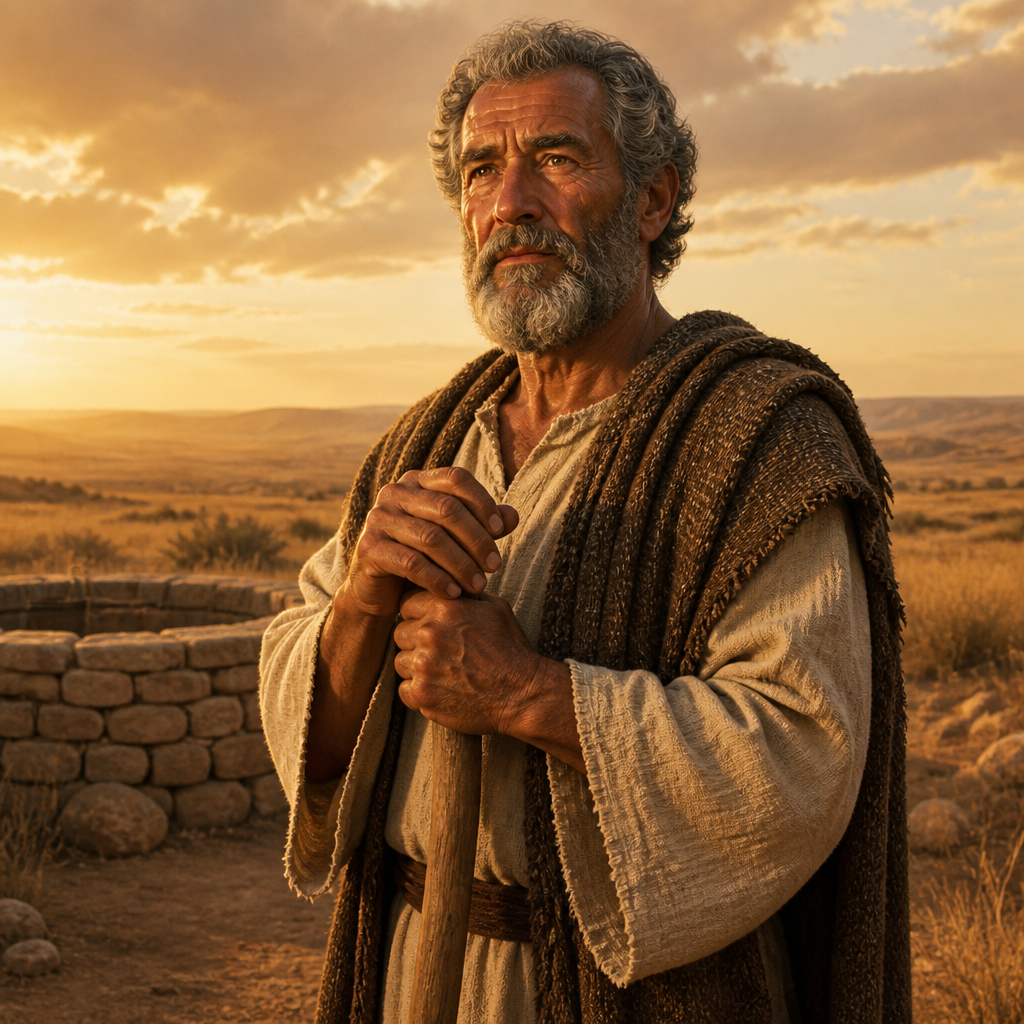
Interaction with Isaac
A striking parallel occurs in Genesis 26 during the life of Isaac. Driven by famine, Isaac moves to Gerar. Like his father, Isaac claims his wife Rebekah is his sister. Abimelech eventually discovers the truth when he observes Isaac caressing Rebekah from a palace window. The king reprimands Isaac for the deception, noting the potential guilt a citizen could have incurred by unknowingly taking Rebekah. Abimelech issues a decree of protection: "Whoever harms this man or his wife will surely be put to death" (Genesis 26:11).
As Isaac prospers, tensions rise regarding water rights and land usage. Abimelech eventually asks Isaac to depart because he has become "much too powerful." However, the king later visits Isaac to renew their covenant, acknowledging once again that the patriarch is clearly blessed by the Lord.
Relationship to Other Biblical Figures
Abimelech’s relationship with Abraham and Isaac is defined by a mixture of suspicion and profound respect. He is one of the few figures in the Genesis narrative who receives a direct revelation from God despite not being part of the chosen lineage. His interactions with Phicol, his army commander, suggest a ruler who relied heavily on his military and diplomatic staff to maintain stability with the wandering patriarchs.
Spiritual Significance
Abimelech represents the "righteous Gentile" archetype. His story demonstrates that the knowledge of God and a sense of objective morality existed among the Canaanite peoples during the Patriarchal Period. His willingness to listen to divine warnings and his promptness in rectifying his errors stand in contrast to the later Canaanite kings who would oppose Israel. Furthermore, his recognition of God’s blessing on Abraham and Isaac reinforces the theme that the patriarchs were becoming a "great nation" that neighboring kings could no longer ignore.
Spiritual Significance
Abimelech serves as a literary and theological foil to the patriarchs. In the incidents involving Sarah and Rebekah, Abimelech often appears more ethically consistent than the patriarchs themselves, who resort to deception out of fear. His presence validates the divine promise to Abraham: that those who bless him will be blessed, and those who curse him will be cursed. By treating Abraham and Isaac with honor, Abimelech secures peace for his own kingdom.
Moreover, the repetition of the 'wife-sister' narrative with Abimelech emphasizes the vulnerability of the matriarchs and the direct intervention of God to preserve the lineage of the promised Seed. Abimelech's fear of 'tremendous guilt' (Genesis 20:9) indicates a sophisticated understanding of sin and its communal consequences, highlighting the moral landscape of the ancient Near East before the giving of the Mosaic Law.
Frequently Asked Questions
Did Abimelech actually sleep with Sarah or Rebekah?
No. In the case of Sarah, Genesis 20:4 explicitly states that Abimelech 'had not gone near her' before God warned him. In the case of Rebekah, Abimelech discovered she was Isaac's wife before any advances were made.
Was Abimelech a Philistine?
Genesis 26:1 calls him the 'king of the Philistines.' While the major Philistine migration occurred later (c. 1200 BC), scholars suggest this term describes the Aegean-linked people living in the region of Gerar during the Patriarchal Period (c. 2000-1800 BC).
What does the name 'Abimelech' mean?
The name is Hebrew for 'my father is king.' It is widely considered to be a royal title or throne name used by the rulers of Gerar, similar to how 'Pharaoh' was used for Egyptian kings.
Why did God strike Abimelech’s house with infertility?
According to Genesis 20:18, the Lord closed the wombs of Abimelech’s household as a divine protection for Sarah, ensuring she remained untouched so that the lineage of Abraham remained pure.
Where was Abimelech’s kingdom located?
He ruled from Gerar, which was located in the south of Canaan, in the Negev region between Kadesh and Shur.
Connected Figures

Abraham
Covenant partner and guest in Gerar
Isaac
Covenant partner and guest in Gerar

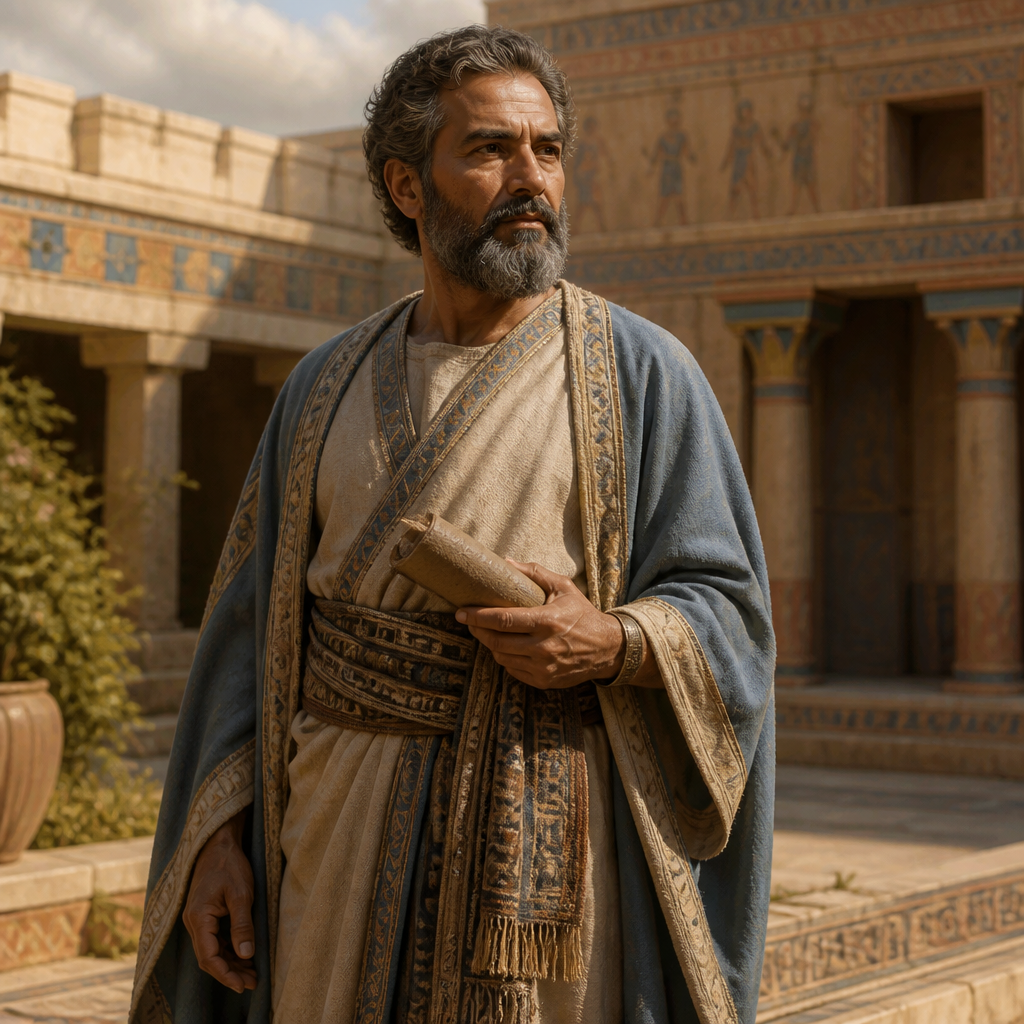
Phicol
Commander of his army
Ahuzzath
Personal adviser
Categories
Mentions by Book
- Genesis23
Others Named Abimelech
Abimelech, Son of GideonJudges 8:31
A son of Gideon who usurped power as a king in Shechem after murdering his brothers, only to die in battle when a woman dropped a millstone on his head.