Zabbai, Descendant of Bebai
Zabbai was a Judean returnee from the Babylonian exile who is listed among those who married foreign women in violation of the Mosaic Law.
Zabbai was a member of the post-exilic Jewish community who returned to Jerusalem and Judah following the Babylonian captivity. He is specifically identified as a descendant of Bebai, a family line that played a notable role in the restoration of the Jewish remnant under the leadership of Zerubbabel and later Ezra. Zabbai is mentioned exclusively within the context of the reforms led by Ezra the priest.
His historical presence is recorded during a critical turning point in Israel's history, as the returning exiles sought to re-establish their religious and national identity. Zabbai’s inclusion in the biblical text is tied to the public confession and purification of the community regarding the issue of intermarriage with the surrounding pagan nations.
Background and Family
Zabbai is identified as one of the "descendants of Bebai" (Ezra 10:28). The family of Bebai was a significant ancestral house among the returning exiles. According to the census records in Ezra 2:11, the family originally returned from Babylon with 623 members, and later, twenty-eight additional men of the family returned with Ezra (Ezra 8:11). While Zabbai's specific parents are not named, his belonging to this lineage places him within a large, influential group of returnees who were committed to the reconstruction of the Judean state.
Major Life Events
The sole recorded event in Zabbai’s life occurs in the seventh year of King Artaxerxes I of Persia (c. 458 BC). Upon his arrival in Jerusalem, the scribe Ezra was devastated to learn that many of the people, including leaders and priests, had taken foreign wives from the neighboring peoples, such as the Canaanites, Hittites, and Moabites. This was viewed as a direct violation of the covenantal requirement to remain a holy and separate people.
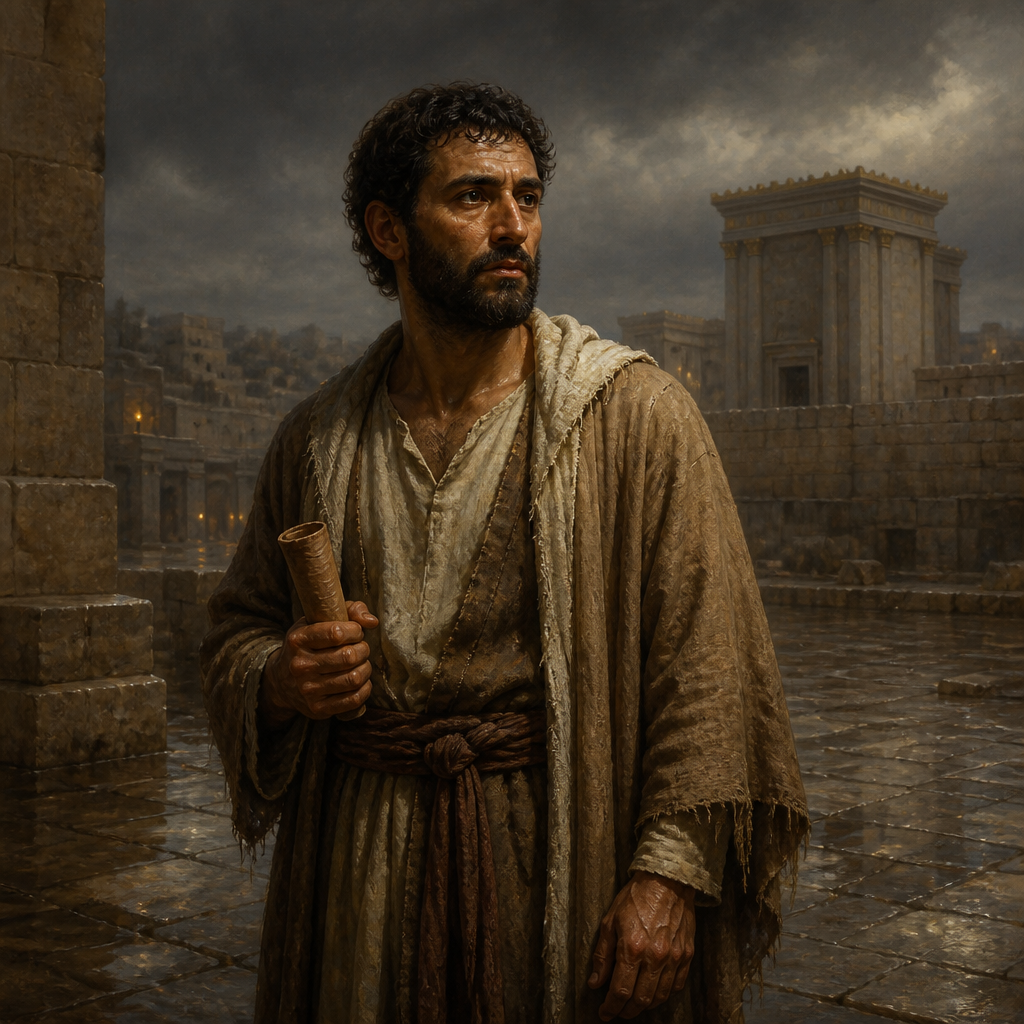
Zabbai is listed in Ezra 10:28 as one of the four sons of Bebai—alongside Jehohanan, Hananiah, and Athlai—who were found to have married foreign women. Following a period of national mourning and assembly in the rain before the Temple, a commission was formed to investigate these cases. Zabbai and his kinsmen were among those who agreed to put away their foreign wives and their children to preserve the purity of the community.
Relationship to Other Biblical Figures
Zabbai is linked by lineage to Jehohanan, Hananiah, and Athlai, who are grouped with him as descendants of Bebai. His life is defined by his interaction with the administrative and spiritual oversight of Ezra the Priest. By appearing in this list, Zabbai is part of the specific group of laymen who submitted to the rigorous judicial process established by the elders of the restoration community.
Spiritual Significance
Zabbai represents the complexities of the post-exilic restoration. His inclusion in the list of offenders serves as a historical testimony to the fragility of the remnant's devotion. However, his participation in the subsequent divorce proceedings also reflects a spirit of repentance and submission to the Torah. In the biblical narrative, Zabbai’s life illustrates the tension between cultural assimilation and the strict demands of the Mosaic Law during the Second Temple period.
Spiritual Significance
Zabbai's inclusion in the list of those who intermarried with foreign women highlights the pervasive nature of the crisis facing the post-exilic community. His name serves as a genealogical marker for the family of Bebai, demonstrating that even established and large families were susceptible to the pressures of cultural assimilation.
Theological reflections on Zabbai usually focus on the concept of 'holy seed' and the drastic measures taken by the community to ensure their survival as a distinct people. By being named in Ezra 10, Zabbai is immortalized as a man who, though failing to uphold the Law initially, ultimately participated in a difficult national act of repentance.
Frequently Asked Questions
Who was Zabbai's father?
The Bible does not name Zabbai's immediate father; it only identifies him as a descendant of Bebai, referring to his larger ancestral house.
What did Zabbai do wrong according to the book of Ezra?
Zabbai was among the men who married foreign women from the surrounding pagan nations, which was a violation of the Law of Moses meant to keep the Israelites separate from idolatry.
What happened to Zabbai after the investigation by Ezra?
Along with the other men listed in Ezra 10, Zabbai pledged to put away his foreign wife and offered a guilt offering, according to the communal agreement to purify the nation.
Which family did Zabbai belong to?
He was a member of the descendants of Bebai, a family that returned to Jerusalem from the Babylonian exile.
Connected Figures
Ezra
Leader and priest who oversaw Zabbai's repentance
Jehohanan
Kinsman and fellow descendant of Bebai
Hananiah
Kinsman and fellow descendant of Bebai
Athlai
Kinsman and fellow descendant of Bebai
Categories
Mentions by Book
- Ezra1
Others Named Zabbai
Zabbai, Father of BaruchNehemiah 3:20
Zabbai was a Jewish man during the Post-Exilic Period whose son, Baruch, distinguished himself by his zeal while repairing the walls of Jerusalem.