Judah, Levite of Ezra 10
A Levite during the post-exilic return to Jerusalem who was listed among those required to put away foreign wives according to Ezra's reform.
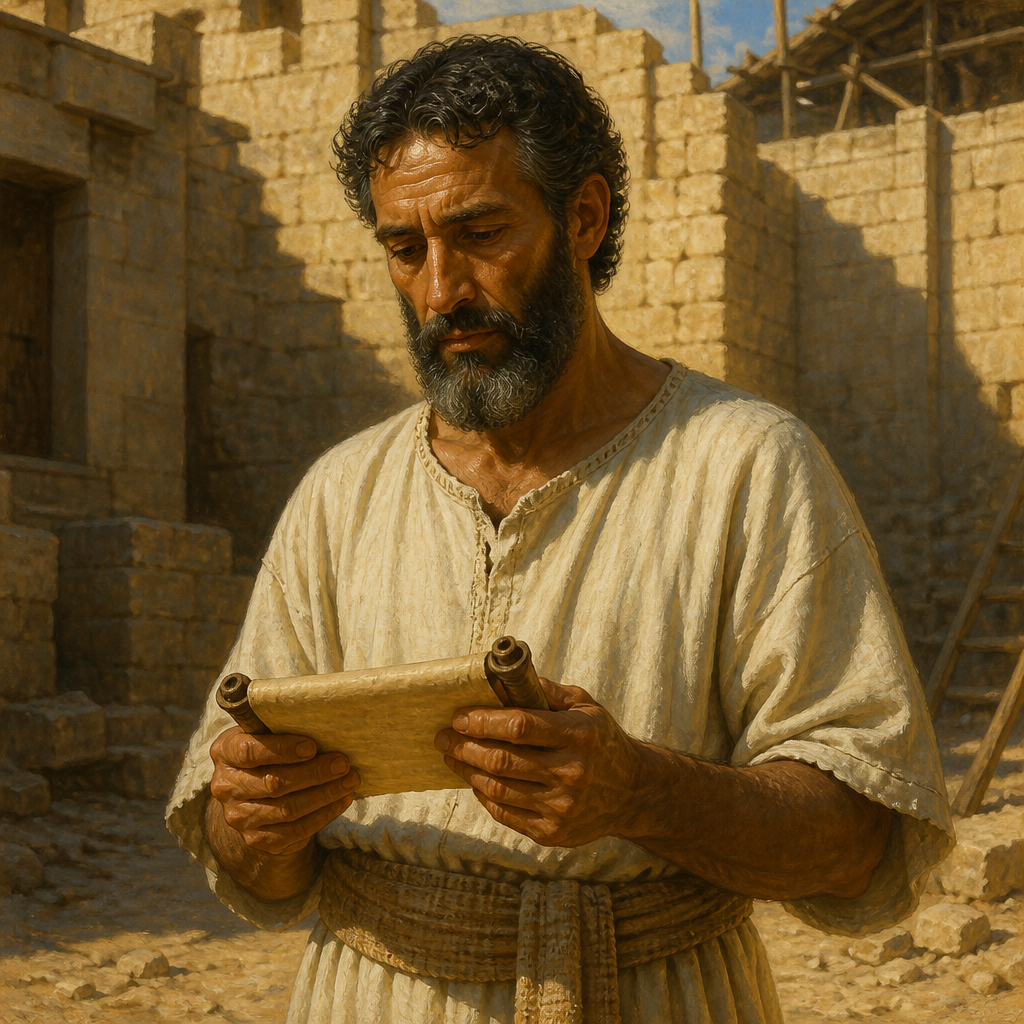
Judah was a Levite living in Jerusalem during the mid-5th century BC, following the return of the Jewish exiles from Babylon. His life is documented solely within the context of the spiritual and social reforms led by the priest Ezra. As a member of the tribe of Levi, Judah belonged to the class responsible for the religious instruction and temple service of Israel, making his personal conduct a matter of communal and spiritual significance.
He is mentioned in the specific historical context of the resolution regarding intermarriage with the surrounding pagan nations. Following the return to the land, many Israelites, including the religious leadership, had married women from the neighboring peoples—a practice forbidden under the Mosaic Law. Judah is identified as one of the individuals who had taken a foreign wife and subsequently participated in the public act of repentance and separation.
Background and Family
Judah served as a Levite during the era of the Exile and Return, specifically during the leadership of Ezra the Scribe (c. 458 BC). While the Bible does not record his specific parentage or lineage beyond his tribal affiliation, his status as a Levite indicates that he was a descendant of Levi, the son of Jacob. In the post-exilic community, Levites held a prestigious yet demanding role, assisting the Aaronic priests in the operations of the Second Temple and acting as teachers of the Law to the returning remnant.
Major Life Events
The single recorded event in Judah’s life occurs in Ezra 10, following Ezra’s arrival in Jerusalem. Ezra was devastated to find that the holy seed of Israel had intermingled with the peoples of the lands—Canaanites, Hittites, Perizzites, and others. After a period of public mourning and prayer, a covenant was proposed to the assembly to put away these foreign wives and the children born to them to avoid the judgment of God and preserve the religious purity of the nation.
Judah is listed in Ezra 10:23 among the Levites who were found to have married foreign women. Along with Jozabad, Shimei, Kelaiah, Pethahiah, and Eliezer, he was identified by the investigative commission established to handle the matter. The record implies that Judah, like the others listed, complied with the proclamation to separate from these unauthorized unions, offering a guilt offering and pledging to live in accordance with the Law.
Relationship to Other Biblical Figures
Judah is mentioned in direct association with a specific group of Levites: Jozabad, Shimei, Kelaiah (also known as Kelita), Pethahiah, and Eliezer. These men served as his peers in the levitical order. His life was significantly impacted by the leadership of Ezra, whose zeal for the Law of Moses forced a radical reorganization of Judah’s household and social standing. Unlike other Levites mentioned in the restoration who were singers or gatekeepers, Judah's specific sub-duty is not defined.
Spiritual Significance
The inclusion of Judah in the biblical record serves as a sober reminder of the pervasive nature of compromise within the post-exilic community. Even those set apart for divine service, such as the Levites, were not immune to the cultural pressures of the surrounding pagan environment. Judah’s story is one of accountability; he is named in a public register of those who failed to uphold the covenant, but his subsequent compliance with Ezra’s decree also marks him as a participant in the national repentance that allowed the restoration of Jerusalem to continue. His presence in the text underscores the biblical theme that spiritual leadership carries a higher standard of holiness and that restoration often requires painful personal sacrifice.
Spiritual Significance
Judah represents the challenges faced by the post-exilic community in maintaining a distinct identity. As a Levite, his marriage to a foreign woman was a breach of the holiness required for those serving in the Temple. His inclusion in the list of Ezra 10 highlights the necessity of communal purity and the rigorous steps taken to ensure the spiritual survival of the returning remnant.
His legacy is tied to the act of corporate repentance. By being named individually, the text emphasizes that national reform is composed of individual decisions to return to the statutes of the Law, even when those decisions involve complex domestic and emotional consequences.
Frequently Asked Questions
Who was Judah in the book of Ezra?
He was a Levite who returned to Jerusalem from the Babylonian exile and was later listed among those who had married foreign women in violation of the Law.
What happened to Judah's family?
According to the decree in Ezra 10, Judah and the other men listed agreed to put away their foreign wives and the children born from those marriages to preserve the sanctity of Israel.
Was this Judah the son of Jacob?
No. This Judah lived centuries later, during the time of the Persian Empire and the rebuilding of the Jewish community in Jerusalem after the exile.
What was Judah's occupation?
He was a Levite, meaning he was responsible for assisting the priests in the Temple and teaching the Law of Moses to the people.
Why is Judah's name recorded in Ezra 10:23?
He is recorded to document the specific individuals who participated in the mass repentance and purification of the community regarding intermarriage with pagan nations.
Connected Figures
Categories
Mentions by Book
- Ezra1
Others Named Judah
Judah, Son of JacobGenesis 29:35
The fourth son of Jacob and Leah, ancestor of the Tribe of Judah and the Davidic line, known for his leadership and pivotal role in the preservation of his family.
Judah, Levite of the ReturnNehemiah 12:8
A Levite who returned from the Babylonian exile and served as a musical leader during the rebuilding and dedication of Jerusalem's walls.
Judah, Son of JosephLuke 3:30
An ancestor of Jesus Christ listed in the Lucan genealogy, positioned between his father Joseph and his son Simeon.
Judah, Son of JonathanNehemiah 12:36
A post-exilic musician and associate of Ezra who participated in the joyful dedication of the rebuilt walls of Jerusalem.
Judah, Son of HassenuahNehemiah 11:9
A Benjaminite leader who served as the second-in-command over a district in Jerusalem during the post-exilic return under Nehemiah.