Joshua, High Priest of the Return
Joshua, son of Jehozadak, was the first High Priest of the Jewish community that returned from the Babylonian exile to rebuild the Temple in Jerusalem.
Joshua (also written as Jeshua) was a central figure in the restoration of the Jewish community and religious life following the Babylonian Captivity. As the son of Jehozadak and a descendant of the priestly line of Levi, he served as the High Priest during the crucial period of the return to Judah under the decree of Cyrus the Great. Joshua's leadership was characterized by a close partnership with Zerubbabel, the Davidic governor, as they navigated the physical and political challenges of rebuilding the house of the LORD in Jerusalem.
Joshua is prominently featured in the historical books of Ezra and Nehemiah, where he is frequently referred to as Jeshua, and in the prophetic writings of Haggai and Zechariah. In these texts, he is not merely a political administrator but a spiritual representative of the nation. The prophetic visions of Zechariah, in particular, use Joshua as a symbolic figure to illustrate themes of purification, divine grace, and the future messianic hope of Israel, emphasizing his role in re-establishing the sacrificial system and the sanctity of the Temple.
Background and Family
Joshua was the son of Jehozadak (also spelled Jozadak), a priest of the tribe of Levi. His father, Jehozadak, was among those carried into captivity by Nebuchadnezzar when Jerusalem fell. Joshua’s lineage was of paramount importance, as it established his legitimate right to the high priesthood during the restoration. According to Nehemiah 12, Joshua was the father of Joiakim, who succeeded him, and his lineage continued through several generations including Eliashib and Joiada, ensuring the continuity of the priesthood in the post-exilic era.
He emerged as a leader of the first wave of returnees from Babylon around 538 BC. His arrival in Jerusalem, alongside Zerubbabel, marked the beginning of a new chapter in Israelite history, often referred to by scholars as the "Exile and Return" or the "Post-Exilic Period."
Major Life Events
The Altar and the Foundation
Upon arriving in Jerusalem, Joshua’s first recorded act (as Jeshua in Ezra 3:2) was the reconstruction of the altar of the God of Israel. Before the walls of the Temple were even started, Joshua and Zerubbabel prioritized the sacrificial system, offering burnt offerings as prescribed in the Law of Moses. This was a critical step in re-consecrating the land and providing a spiritual center for the weary returnees.
In the second year of their return, Joshua oversaw the laying of the foundation of the second Temple. This was a moment of mixed emotions; while the younger generation cheered, the elders who remembered the glory of the first Temple wept. Joshua remained a steady presence throughout this process, supervising the Levites and ensuring the work proceeded according to religious law.
Opposition and Delay
The work on the Temple faced significant opposition from local adversaries. According to Ezra 4:3, Joshua and Zerubbabel firmly rejected offers of assistance from the surrounding peoples who did not share their exclusive covenantal commitment. This refusal led to political maneuvering that halted construction for several years. It was not until the second year of King Darius (c. 520 BC) that the ministry of the prophets Haggai and Zechariah stirred the spirits of Joshua and Zerubbabel to resume the work. Haggai 1:14 records that the LORD "stirred the spirit" of Joshua, leading the people to return to the construction site despite the lingering threats.
The Vision of Zechariah
Perhaps the most dramatic event in Joshua's biblical record is found in Zechariah 3. In a prophetic vision, Joshua is seen standing before the Angel of the LORD, dressed in "filthy garments." Satan stands at his right hand to accuse him, likely representing the collective guilt and failure of the people of Israel. However, the LORD rebukes Satan and commands that Joshua's filthy clothes be replaced with "rich apparel" and a "clean turban." This divine act symbolized the removal of iniquity and the restoration of the priesthood’s purity.
Relationship to Other Biblical Figures
Joshua’s most significant relationship was his partnership with Zerubbabel son of Shealtiel. Together, they formed a "dyarchy" or dual-leadership structure: Zerubbabel representing the royal line of David (the civil authority) and Joshua representing the line of Aaron (the religious authority). This relationship is highlighted throughout Ezra and the minor prophets, showing a rare period of harmony between the throne and the altar.
Joshua also worked closely with the prophets Haggai and Zechariah. While Joshua provided the administrative and liturgical leadership, the prophets provided the divine impetus and encouragement needed to complete the Temple. Nehemiah 12 also links Joshua to other prominent returnees like Nehemiah, Ezra, and Mordecai, situating him at the heart of the restoration movement.
Spiritual Significance
Joshua, son of Jehozadak, holds immense theological weight in the Old Testament. In Zechariah 6:11, he is the subject of a symbolic crowning. Gold and silver were taken to make a crown for Joshua, a gesture that prefigured the merging of the offices of King and Priest. This act pointed toward a future figure known as "The Branch" (Zechariah 6:12), whom Christian tradition and many Jewish interpretations identify as the Messiah.
His transition from filthy garments to clean robes in Zechariah’s vision serves as a powerful illustration of justification and grace. As the High Priest, Joshua stood as the mediator for a people who had just undergone the judgment of exile. His cleansing signified that God had not abandoned His covenant and was willing to dwell among His people once more in a rebuilt Temple. His life stands as a testament to the possibility of renewal and the restoration of sacred order after a period of total collapse.
Spiritual Significance
Joshua, son of Jehozadak, is the quintessential figure of the restored priesthood. His presence in the biblical narrative signifies the formal end of the spiritual exile, as he was responsible for re-establishing the daily sacrifices and the liturgical life of Israel. His leadership alongside Zerubbabel represents the biblical ideal of the cooperation between civil and religious authorities under God's law.
Theologically, Joshua serves as a 'type' or prophetic sign of the Messiah. The visions in Zechariah portray him as a man who receives divine cleansing to serve in a new, purified Temple. The crowning of Joshua in Zechariah 6 is particularly significant, as it broke the traditional separation of kingly and priestly roles, pointing toward a future 'Priest-King' who would bring ultimate peace and reconciliation between God and man.
Frequently Asked Questions
Is Joshua and Jeshua the same person?
Yes. In the books of Ezra and Nehemiah, he is commonly referred to as Jeshua (a shorter form of the name), while in Haggai and Zechariah, he is called Joshua. Both names refer to the son of Jehozadak, the High Priest.
Who was Joshua’s father?
Joshua was the son of Jehozadak (or Jozadak), a priest who was taken into Babylonian captivity.
What was Joshua’s primary accomplishment?
His primary accomplishment was leading the return of the Jews to Jerusalem and overseeing the reconstruction of the altar and the Second Temple.
What did the 'filthy garments' represent in Zechariah's vision?
The filthy garments symbolized the sins of the people of Israel and the perceived impurity of the priesthood following the exile. The removal of these garments represented God's forgiveness and the restoration of the nation's holiness.
Who was Joshua’s successor?
According to Nehemiah 12:10, Joshua was the father of Joiakim, who succeeded him in the line of the High Priesthood.
Connected Figures
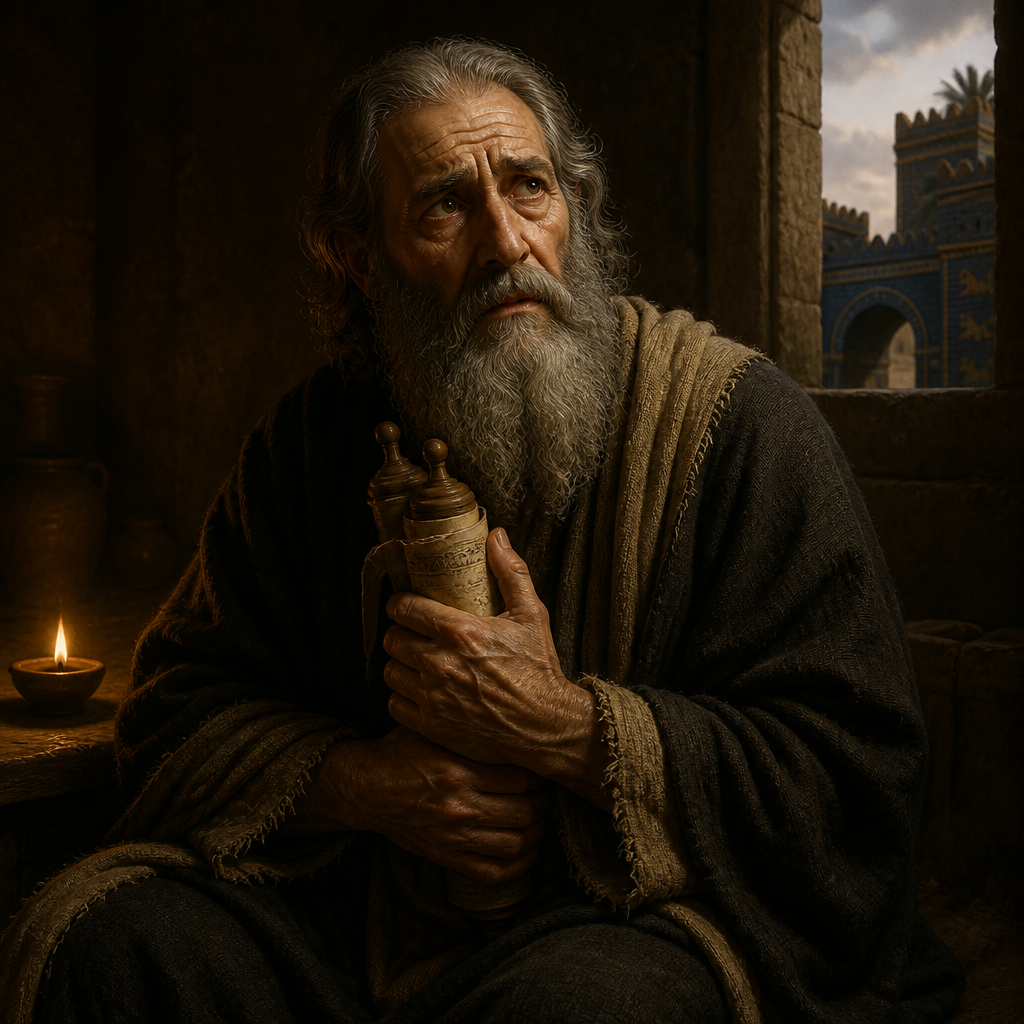
Zerubbabel
Partner in leadership and Governor of Judah
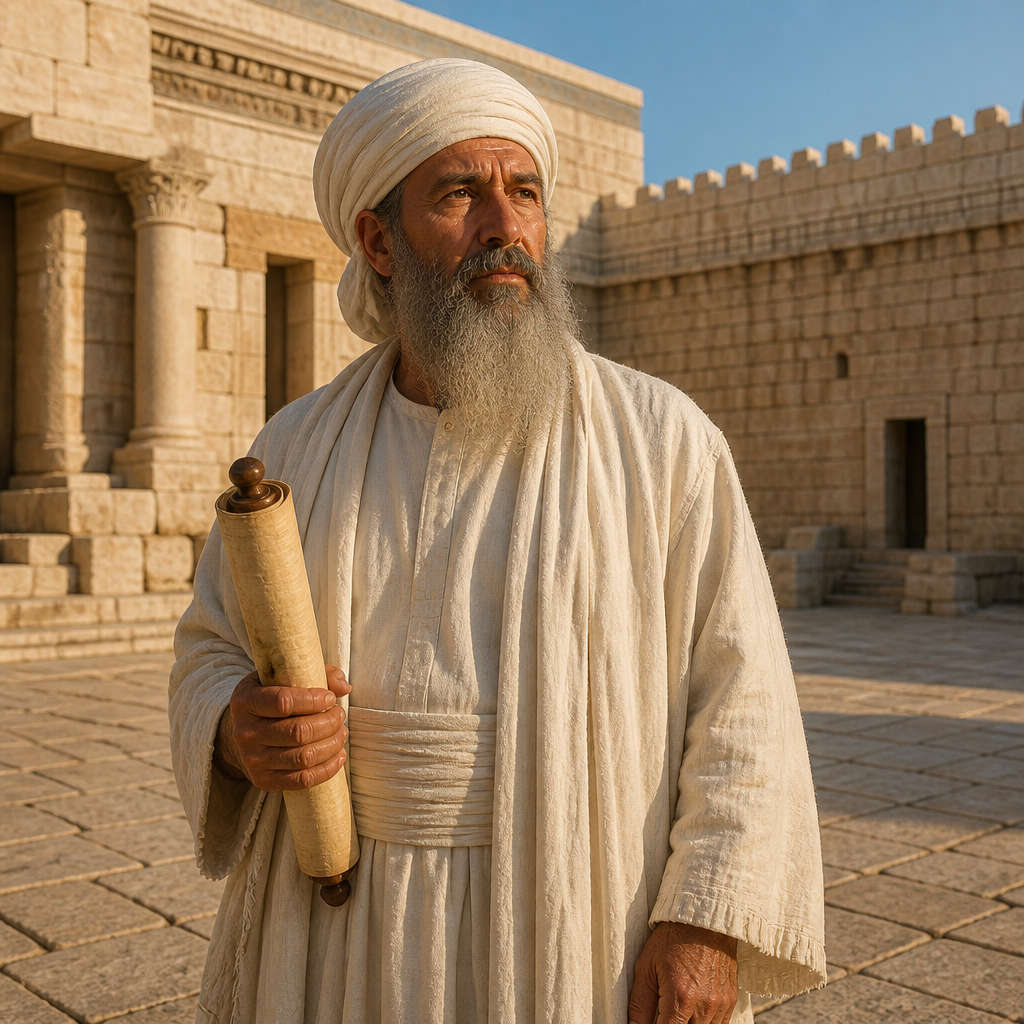
Jehozadak
Father
Joiakim
Son and successor
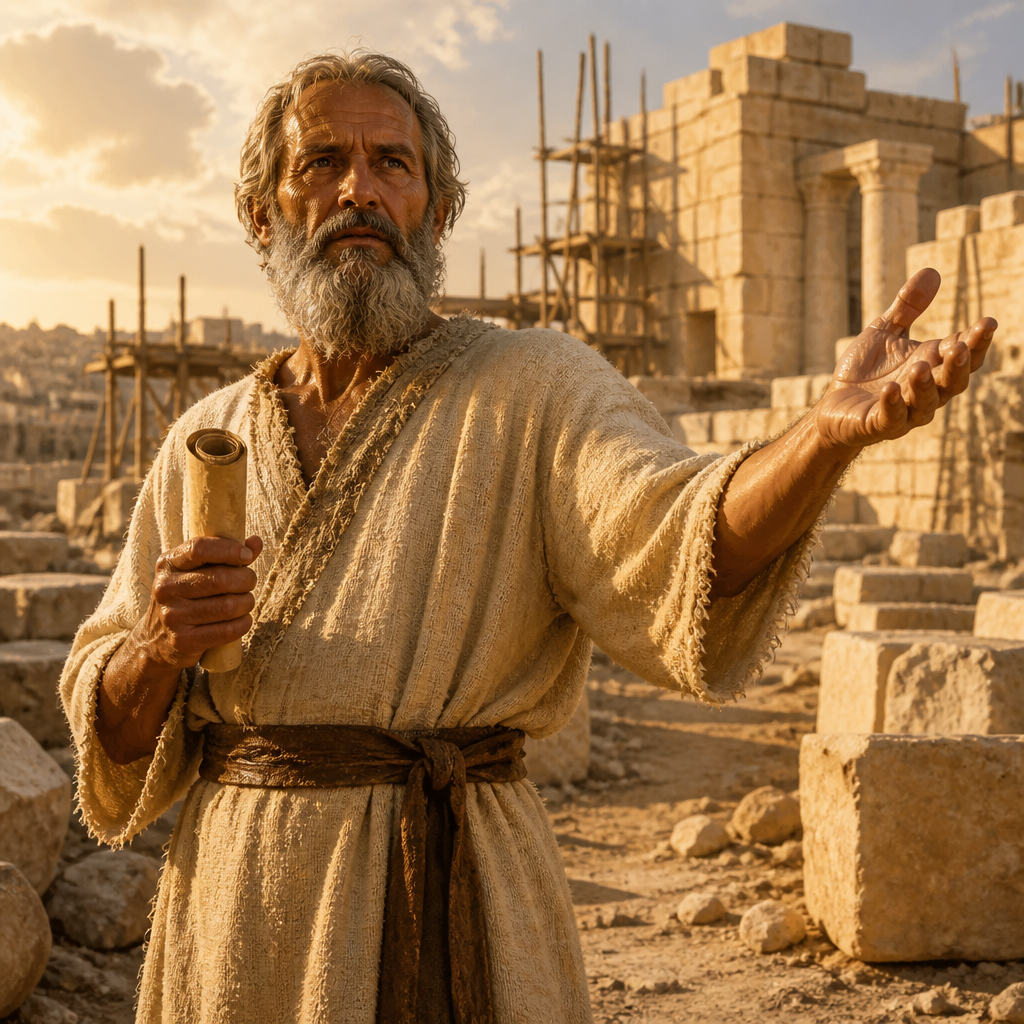
Haggai
Prophetic contemporary
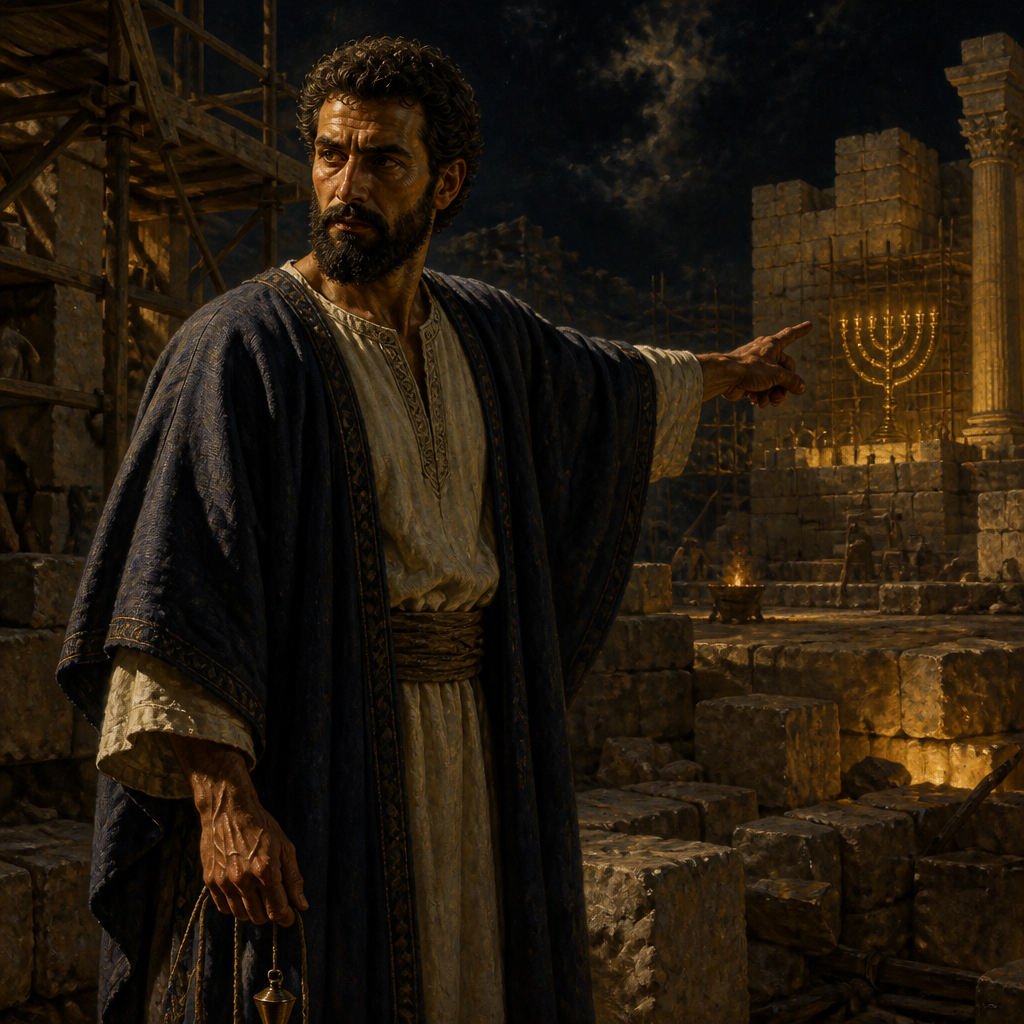
Zechariah
Prophetic contemporary
Categories
Mentions by Book
- Zechariah6
- Ezra5
- Haggai5
- Nehemiah5
Family & Relationships
Others Named Joshua
Joshua of Beth-shemesh1 Samuel 6:14
A landowner in Beth-shemesh whose field served as the resting place for the Ark of the Covenant upon its return from Philistia.
Joshua, Governor of the City2 Kings 23:8
A high-ranking Judean official during the reign of King Josiah who governed the city of Jerusalem.
Joshua, Son of NunExodus 17:9
The successor to Moses and commander of the Israelites who led the conquest of Canaan and divided the Promised Land among the twelve tribes.
Joshua, Ancestor of JesusLuke 3:29
A member of the Tribe of Judah and a direct paternal ancestor of Jesus Christ in the lineage recorded by Luke.