Jonathan, Father of Ebed
Who was Jonathan, Father of Ebed, in the Bible?
A descendant of Adin during the Post-Exilic Period whose son, Ebed, led a group of fifty men back to Jerusalem under the leadership of Ezra.
This is one of 12 people named Jonathan in the Bible. See all 12 →
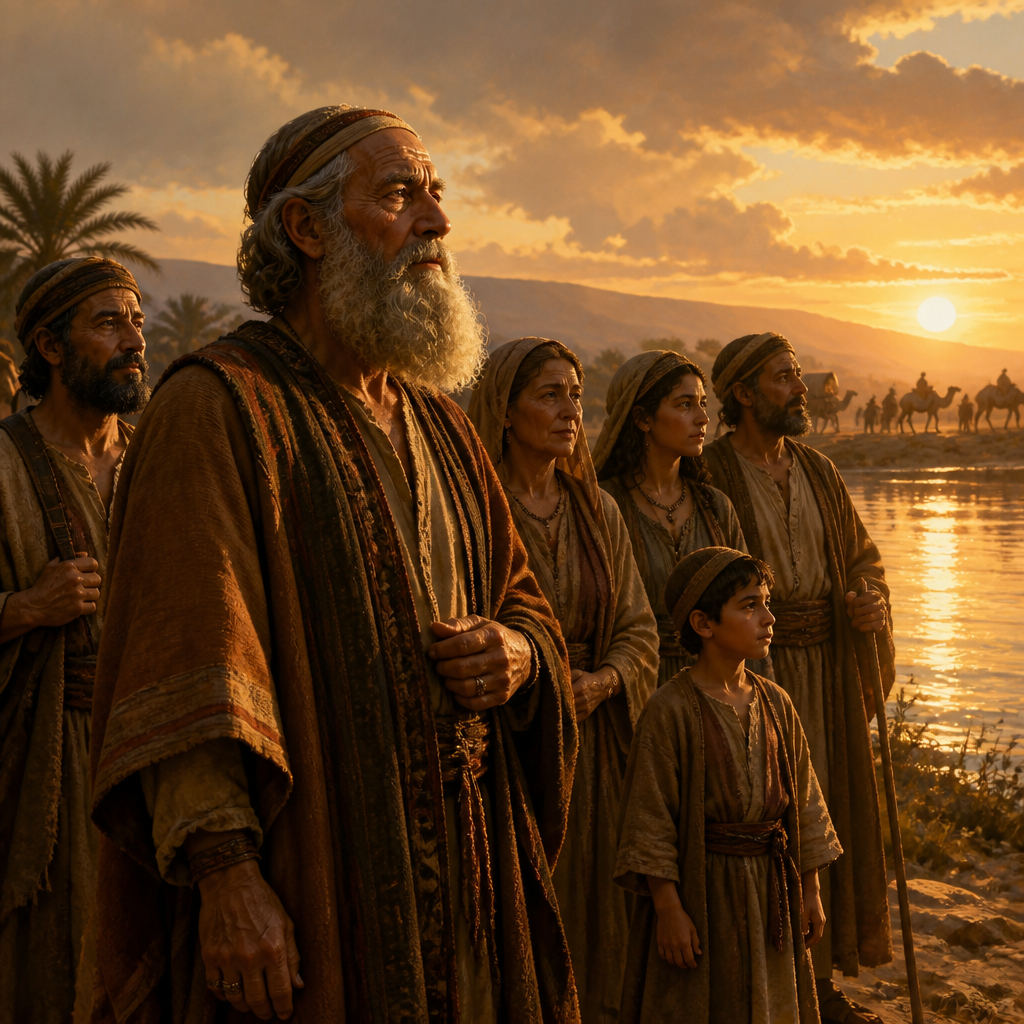
Jonathan, a member of the clan of Adin, was a Judean figure living during the period of the Exile and Return. He is identified in the biblical record as the father of Ebed, one of the family heads who accompanied the priest Ezra on the second journey from Babylon to Jerusalem in approximately 458 BC. Although Jonathan himself is not explicitly listed as traveling in this party, his lineage is central to the genealogical validation of the returning exiles.
His role is situated within the broader context of the Persian restoration, specifically the efforts of Ezra to reinforce the Jewish community in Judah with spiritually dedicated and genealogically verified individuals. Jonathan’s association with the family of Adin places him within a significant demographic of the return, as the Adin clan was a prominent group during the restoration of the Judean state.
Background and Family
Jonathan appears in the genealogical records preserved in the book of Ezra, specifically during the accounting of the second wave of returnees from the Babylonian exile. He is identified as a descendant of Adin. The family of Adin was a substantial lineage among the exiles; records indicate that an earlier group of 454 members of this family returned with Zerubbabel (Ezra 2:15), and a later group returned with Ezra. Jonathan’s place within this lineage highlights the multi-generational commitment of certain families to the restoration of the Promised Land.
Major Life Events
The primary mention of Jonathan occurs in Ezra 8:6, within the catalog of those who joined Ezra’s caravan at the Ahava Canal. The text identifies "Ebed son of Jonathan" as the leader of a contingent of fifty men. While the text focuses on the actions of his son, Ebed, Jonathan’s inclusion serves to establish Ebed's social standing and tribal legitimacy. In the culture of the Post-Exilic Period, a man's identity and authority were inextricably linked to his father’s name and his ancestral house. Thus, Jonathan represents the established link between the pre-exilic heritage and the post-exilic reality.
Relationship to Other Biblical Figures
Jonathan’s primary recorded relationship is with his son, Ebed. Through Ebed, Jonathan is connected to the reforms of Ezra. Ezra sought to bring a group of men who were not only willing to travel the dangerous route to Jerusalem but who were also ceremonially and genealogically fit to serve the interests of the Temple and the law. By providing fifty men for the journey, the household of Jonathan (via Ebed) contributed significantly to the demographic and spiritual reinforcement of the struggling Jerusalem community.
Spiritual Significance
In the context of Ezra’s mission, the name Jonathan (meaning "Yahweh has given") reflects the providential theme of the book. The meticulous recording of his name signifies the importance of individual and family identity in the eyes of God during the reconstruction of Israel. Jonathan belongs to the remnant that maintained their identity in a foreign land, ensuring that when the call to return to Zion came, his household was prepared to answer. His legacy, carried by his son Ebed, demonstrates the continuity of faith across generations of the Diaspora.
Jonathan’s significance lies in his contribution to the reconstruction of the Judean community through his son, Ebed. As part of the Adin lineage, he represents the faithful remnant that preserved their genealogical records through decades of Babylonian captivity. His inclusion in Ezra 8 underscores the biblical priority placed on the 'holy seed' and the restoration of specific families to their ancestral lands to maintain the covenant community.
Furthermore, the fact that fifty men traveled under his son’s leadership suggests that Jonathan was a man of considerable influence or that his household was remarkably large and organized. He serves as a representative of those who, while perhaps not leading the national movement personally, fostered the leadership and commitment required for the survival of the Jewish people after the Exile.
Frequently Asked Questions
Who was Jonathan's son mentioned in the Bible?
Jonathan's son was Ebed, who led a group of fifty men during the return to Jerusalem under Ezra.
Which clan or family did Jonathan belong to?
Jonathan was a descendant of Adin, a prominent family that returned from the Babylonian exile.
In which book of the Bible is this Jonathan mentioned?
This specific Jonathan is mentioned in the book of Ezra, specifically in chapter 8, verse 6.
When did Jonathan live?
Jonathan lived during the Post-Exilic Period, specifically during the mid-5th century BC during the time of Ezra's return to Jerusalem.
Family & Relationships
 Jonathan, Father of EbedThis page
Children
 Ebed, descendant of AdinSonEzra 8:6Stated
Connected Figures
Family
Son · Ezra 8:6
Ebed was a leader among the exiles who returned from Babylon to Jerusalem under the leadership of the scribe Ezra during the reign of Artaxerxes I.
Exile and ReturnFirst: Ezra 8:61 versesHead of a patriarchal house
Categories
Mentions by Book
- Ezra1
Scripture References
All 1 indexed verse, in canonical order, from the Berean Standard Bible.
Ezra · 1
- Ezra 8:6
from the descendants of Adin, Ebed son of Jonathan, and with him 50 men;
Others Named Jonathan
Compare all 12 bearers →Jonathan, Son of Shammah2 Samuel 23:32
An elite Judean warrior and one of King David's 'Mighty Men' who achieved high military distinction during the United Monarchy.
Jonathan of the MalluchiNehemiah 12:14
A member of the house of Malluchi who served during the Post-Exilic Period during the reorganization of the priesthood under Nehemiah.
Jonathan, Priest to the Tribe of DanJudges 18:30
A Levite during the Period of the Judges who established a hereditary priesthood for an idolatrous shrine in the northern territory of Dan.
Jonathan, Son of Abiathar the Priest2 Samuel 15:27
A loyal priest of the tribe of Levi who served as a courier and intelligence agent for King David during the rebellions of Absalom and Adonijah.
Jonathan, Son of Uzziah1 Chronicles 27:25
An administrator during the United Monarchy who managed the royal agricultural and strategic storehouses for the Davidic kingdom.
Jonathan, Son of AsahelEzra 10:15
A Judean man during the post-exilic period who formally opposed Ezra’s specific procedure for dissolving foreign marriages.
Jonathan, Son of King Saul1 Samuel 13:2
A prince of Israel and renowned warrior of the Tribe of Benjamin, famous for his profound covenantal friendship with David and his loyalty to God over his own royal succession.
Jonathan, Son of ShemaiahNehemiah 12:35
A Levite of the post-exilic period and a descendant of Asaph whose lineage was instrumental in the musical and liturgical restoration of Jerusalem.
Jonathan, Son of Jada1 Chronicles 2:32
A descendant of Jerahmeel within the Tribe of Judah, known for his inclusion in the post-exilic genealogical records of the era of the conquest and the judges.
Jonathan, Son of KareahJeremiah 40:8
Jonathan, son of Kareah, was a Judean military officer who joined the governor Gedaliah at Mizpah after the fall of Jerusalem to the Babylonians.
Jonathan the ScribeJeremiah 37:15
A government official in Jerusalem during the reign of King Zedekiah who converted his private residence into a dungeon for the prophet Jeremiah.