Jeshaiah, Levite of the Return
A Levite of the Merari family who joined Ezra’s second caravan of exiles returning from Babylon to Jerusalem in 458 BC.
Jeshaiah was a Levite of the Merarite line who participated in the significant post-exilic migration from Babylon to Judah during the reign of King Artaxerxes. His involvement is recorded specifically in the context of the second wave of returns led by the scribe and priest Ezra in 458 BC. At a critical juncture in the journey, Jeshaiah was identified as one of the essential liturgical workers recruited to ensure the restored temple in Jerusalem was fully operational.
His role underscores the logistical challenges faced by the returning exiles. While many laypeople were eager to return to their ancestral lands, there was a documented shortage of Levites—the tribe specifically designated by Mosaic Law for sanctuary service. Jeshaiah was among the small, specialized group who answered the call to leave the comforts of Mesopotamia to perform the arduous work of the temple, highlighting his dedication to the religious life of the Jewish community.
Background and Family
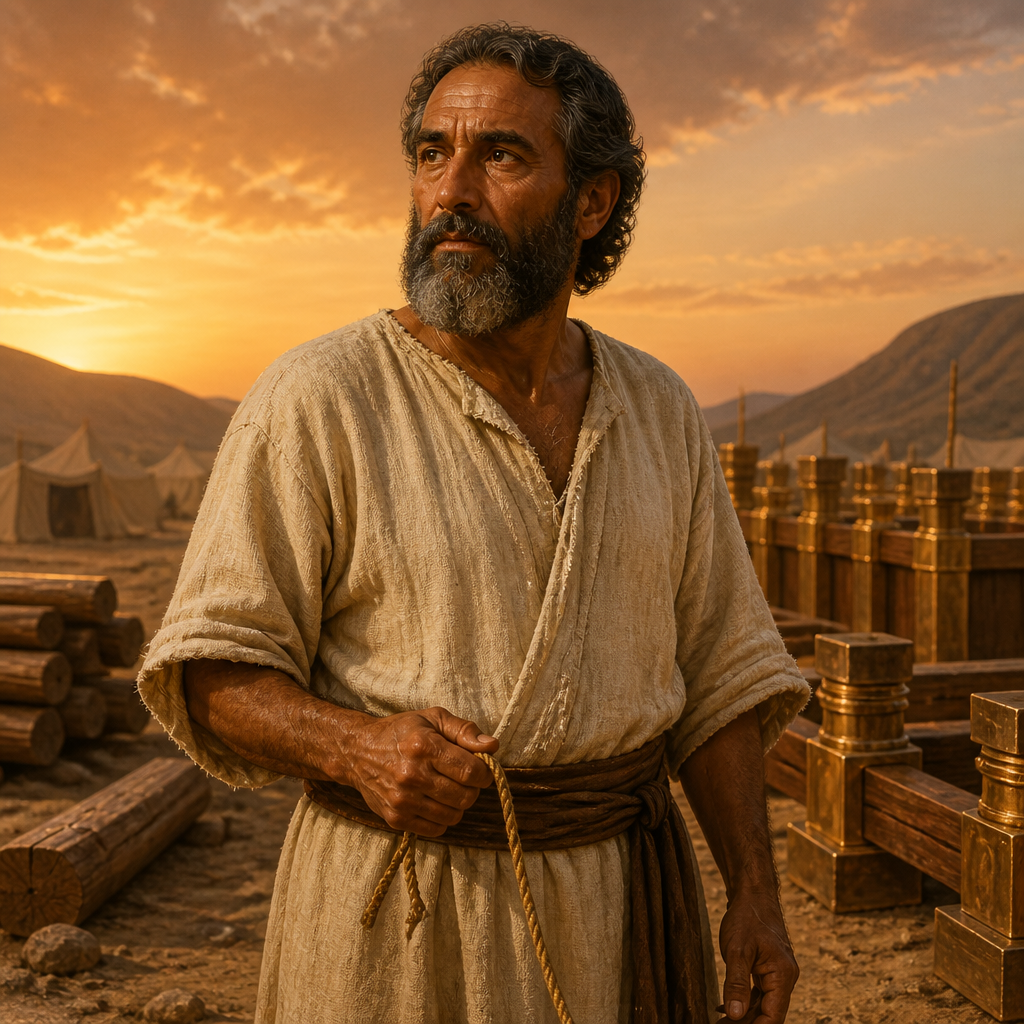
Jeshaiah is identified in the biblical record as a descendant of Merari, one of the three sons of Levi. According to the Pentateuch, the Merarites were historically responsible for the structural components of the Tabernacle, such as the frames, crossbars, and pillars (Numbers 4:31-32). By the time of the return from exile in the 5th century BC, the Merarites like Jeshaiah continued to hold a distinct identity within the Levitical caste.
While the text does not provide his father's name, it situates him within a broader kinship group. He is mentioned alongside Hashabiah, another Levite, and is noted for traveling with his "brothers and their sons," a group totaling 20 men. This familial detail indicates that Jeshaiah was a man of some standing or seniority, leading a significant domestic unit back to the Promised Land.
Major Life Events
The primary event in Jeshaiah’s recorded life occurs at the River of Ahava. Ezra, having gathered the exiles to return to Jerusalem, discovered upon inspection that no Levites were among the volunteers (Ezra 8:15). Seeking to rectify this, Ezra sent a delegation to Iddo, a leader in a place called Casiphia, to request "ministers for the house of our God."
In response to this request, and credited to the "gracious hand of our God," Jeshaiah was sent to join the caravan. His arrival was not merely as an individual but as a representative of the Merarite clan. The journey from the River of Ahava to Jerusalem was approximately 900 miles and lasted four months, fraught with the dangers of bandits and desert conditions. Jeshaiah’s inclusion provided the necessary personnel for the temple’s restoration and the subsequent spiritual reformation under Ezra.
Relationship to Other Biblical Figures
Jeshaiah’s narrative is inextricably linked to Ezra the Scribe. He serves as one of the specific answers to Ezra’s prayer for divine favor. He is also closely associated with Hashabiah, another Merarite mentioned in the same breath in Ezra 8:19. Together, these men represented the vocational backbone of the returning community, filling a void that had threatened the ritual integrity of the new temple.
Spiritual Significance
Though his mention is brief, Jeshaiah’s spiritual significance lies in his availability and heritage. He represents the remnant of the tribe of Levi that remained faithful to their calling despite decades of displacement in a foreign land. By joining Ezra, Jeshaiah participated in the fulfillment of prophetic promises regarding the restoration of Israel. His presence ensured that when the community arrived in Jerusalem, the "house of God" would have the proper attendants to facilitate the worship and sacrifices required by the Law of Moses.
Spiritual Significance
Jeshaiah represents the vital 'missing piece' in Ezra’s restoration project. His inclusion in the genealogy of the returnees serves as historical evidence of the continuity between the pre-exilic Levites and the post-exilic temple staff, confirming that the new community was established according to ancient legal requirements.
Theologically, Jeshaiah illustrates the concept of the 'gracious hand of God' providing for the needs of His people. His willingness to relocate from Casiphia to a ruined Jerusalem demonstrates the prioritized value of religious duty over personal security in the post-exilic mindset.
Frequently Asked Questions
What tribe did Jeshaiah belong to?
Jeshaiah was a Levite from the Merari clan.
Where did Jeshaiah live before returning to Jerusalem?
He resided in or near a place called Casiphia during the exile.
Who was Jeshaiah’s leader during the return?
He traveled under the leadership of Ezra.
How many family members accompanied Jeshaiah?
He was part of a group of 20 kinsmen including his brothers and their sons.
Connected Figures
Ezra
Leader of the return caravan
Hashabiah
Fellow Levite and companion in the return
Merari
Ancestral patriarch of his Levitical clan
Categories
Mentions by Book
- Ezra1
Others Named Jeshaiah
Jeshaiah, Son of AthaliahEzra 8:7
Jeshaiah was a leader of the family of Elam who returned to Jerusalem from Babylon with Ezra in 458 BC.
Jeshaiah, Grandson of Zerubbabel1 Chronicles 3:21
A member of the Davidic line and descendant of Zerubbabel who lived during the Divided Monarchy and the restoration era in Judah.
Jeshaiah, Ancestor of SalluNehemiah 11:7
A Benjaminite ancestor whose descendants were among the first families to resettle Jerusalem following the Babylonian exile.
Jeshaiah, Levite of the United Monarchy1 Chronicles 25:3
A Levite musician and son of Jeduthun who served as the leader of the eighth division of sanctuary singers during the reign of King David.