Baruch, Priest under Nehemiah
A Jewish priest during the post-exilic period who participated in the solemn covenant renewal under the leadership of Nehemiah and Ezra.
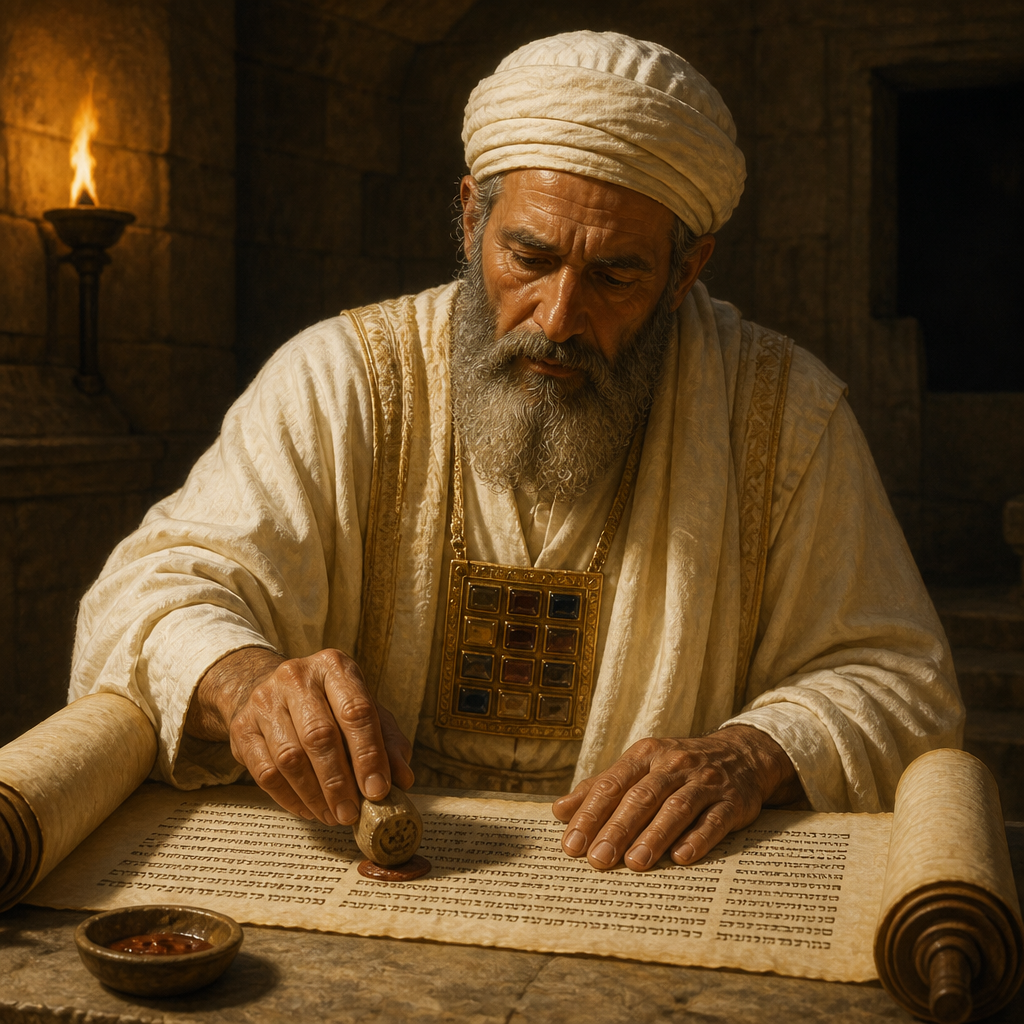
Baruch is a priest listed among the religious leaders who signed the formal written covenant during the Restoration period in Jerusalem. This document was a public commitment by the leadership and the people to adhere to the Law of Moses after their return from the Babylonian Exile. His inclusion in this list indicates he was a man of significant religious standing and a representative of his priestly house.
Working alongside figures like Nehemiah and Ezra, Baruch was part of the generation that sought to rebuild the spiritual foundations of Israel. While his personal biography is not detailed in the text, his presence in the official records of the second temple period highlights the collaborative effort of the priesthood to ensure the community's ritual purity and obedience to God.
Background and Family
The historical context for Baruch is the mid-5th century BC, during the era of the Exile and Return. Following the decrees of the Persian Empire, waves of Jewish exiles returned to Judea to reconstruct the temple and the city walls of Jerusalem. Baruch is identified within the priestly class, though the specific lineage of his house is not elaborated upon in the single verse where he appears. In the social structure of the post-exilic community, priests held both religious and civic authority, serving as the mediators between the Persian-appointed governors and the Jewish populace.
Major Life Events
The defining moment of Baruch’s biblical record occurs in Nehemiah 10. After the completion of the Jerusalem walls and the public reading of the Law by Ezra the Scribe, the community entered into a "sure covenant" (Nehemiah 9:38). This was a formal, written document intended to prevent the nation from falling back into the idolatry and neglect that had led to the Babylonian captivity.
Baruch is specifically named in Nehemiah 10:6 as one of the priests who set their seal to this document. The act of sealing was a legal and spiritual pledge. By affixing his mark or seal to the covenant, Baruch committed himself and his priestly line to several strict reforms, including the prohibition of intermarriage with foreign nations, the observation of the Sabbath, and the financial support of the Temple through tithes and offerings.
Relationship to Other Biblical Figures
Baruch is listed in the company of prominent leaders of the Restoration. He appears in the list alongside Daniel and Ginnethon. He worked under the administrative authority of Nehemiah the governor and the spiritual oversight of the high priest. While he is one of many names in a long genealogical and administrative list, his inclusion suggests he was a contemporary of Ezra and played a role in the liturgical life of the Second Temple.
Spiritual Significance
Though Baruch’s mention is brief, his spiritual significance lies in his role as a witness and participant in national repentance. The names recorded in Nehemiah 10 represent the "remnant" that chose to define themselves by their covenantal relationship with God rather than their assimilation into the surrounding Persian culture. Baruch represents the institutional priesthood's commitment to the restoration of holiness. His life serves as a testament to the importance of formal commitment and the preservation of sacred tradition during times of cultural rebuilding. He stands as a representative of those whose individual lives are folded into the larger story of God's faithfulness to the people of Israel after the judgment of the Exile.
Spiritual Significance
Baruch serves as a representative of the priestly commitment to the Law of Moses during the post-exilic reconstruction of Jerusalem. His presence in the list of sealers in Nehemiah 10 signifies his role in the formal re-establishment of the Jewish faith and liturgical practice after decades of Babylonian captivity.
Theologically, Baruch exemplifies the concept of the 'faithful remnant.' By signing the covenant, he participated in a historic moment of corporate repentance and reform, ensuring that the return to the land was accompanied by a return to the ethical and ritual requirements of the Torah.
Frequently Asked Questions
Who was Baruch in the book of Nehemiah?
Baruch was a priest who lived during the post-exilic period and was one of the leaders who signed the written covenant to follow God's Law under Nehemiah's governorship.
What did Baruch sign in Nehemiah 10?
He signed a formal document known as a 'sure covenant,' which was a pledge by the leaders of Israel to avoid foreign marriages, keep the Sabbath, and provide for the Temple.
Which tribe did Baruch belong to?
While his specific tribe is not named, he is listed among the priests, which indicates he was of the tribe of Levi and the lineage of Aaron.
When did Baruch live?
Baruch lived during the 'Exile and Return' era, specifically around the mid-5th century BC, during the reign of Artaxerxes I of Persia.
Is this the same Baruch who was Jeremiah's scribe?
No. This Baruch was a priest who lived approximately 150 years after the time of Jeremiah's scribe.
Connected Figures
Nehemiah
Governor and leader during the covenant sealing
Daniel (Priest)
Peer and fellow signatory in Nehemiah 10:6
Ginnethon
Peer and fellow signatory in Nehemiah 10:6
Categories
Mentions by Book
- Nehemiah1
Others Named Baruch
Baruch, Ancestor of MaaseiahNehemiah 11:5
A descendant of Judah through Shelah, whose lineage helped repopulate Jerusalem following the Babylonian exile.
Baruch, Scribe of JeremiahJeremiah 32:12
A faithful scribe and assistant to the prophet Jeremiah during the final decades of the Kingdom of Judah and the Babylonian conquest.
Baruch, Son of ZabbaiNehemiah 3:20
A diligent Jewish worker who participated in the restoration of the walls of Jerusalem under Nehemiah following the return from Babylonian exile.