Ater, Ancestor of Gatekeepers
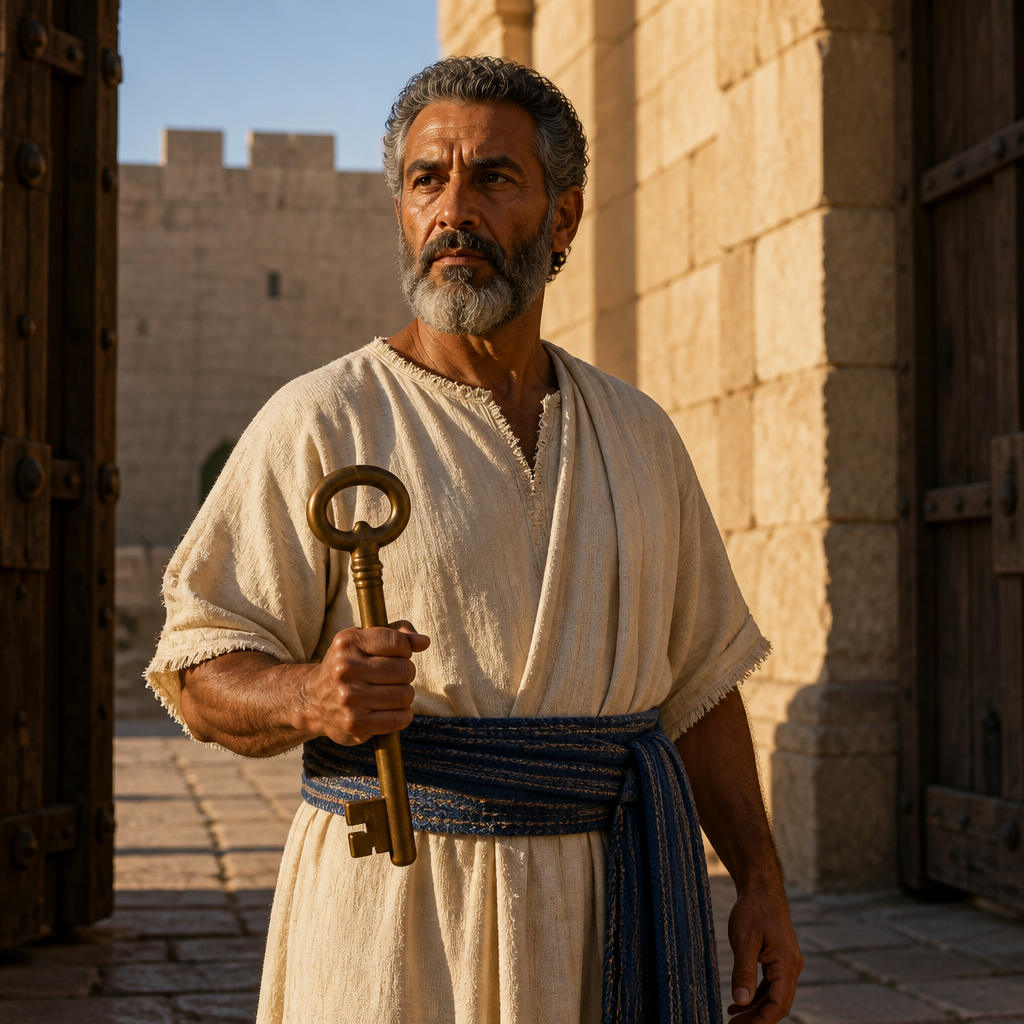
The ancestral head of a family of Levitical gatekeepers who returned to Jerusalem from the Babylonian exile with Zerubbabel.
Ater is a figure identified in the records of the Post-Exilic Period as the patriarch of a specific group of Levite gatekeepers. His descendants are listed among the first wave of Jewish exiles returning from Babylon to Jerusalem and Judah under the leadership of Zerubbabel and the high priest Jeshua. The inclusion of Ater's family in the census registers of Ezra and Nehemiah underscores their critical role in the restoration of temple worship.
As a forefather of gatekeepers, Ater represents the continuity of the Levitical order through the period of the Babylonian captivity. Although he does not appear as a contemporary actor in the narrative of the return, his name serves as a genealogical marker that validated the heritage and official status of his descendants as they reclaimed their sacred duties in the rebuilt city of Jerusalem.
Background and Family
The historical context of Ater is situated within the tribal structure of the Levites, specifically those designated for the service of the temple gates. While the biblical text does not provide his specific tribal lineage or his direct parents, the placement of his name within the list of gatekeepers (Ezra 2:42; Nehemiah 7:45) identifies him as a man of Levitical descent. In the administrative structure of the ancient Hebrew cultus, gatekeepers were not merely security personnel but were consecrated ministers responsible for the sanctity of the temple precincts and the management of the temple storehouses.
Major Life Events
Ater himself lived prior to or during the Babylonian exile. The primary mentions of his name occur in the census lists of those who returned from captivity. According to Ezra 2:42, the "descendants of Ater" were part of a group totaling 139 gatekeepers who made the journey back to the Promised Land. The parallel account in Nehemiah 7:45 records the count as 138 individuals. This minor discrepancy is typical of the textual variations found between the two lists, likely reflecting different stages of the census or the inclusion/exclusion of specific individuals at the time of recording.
The return of Ater’s descendants was a pivotal moment in the restoration of the Jewish community. By returning to Jerusalem, these men were asserting their ancestral right and duty to protect the holy site, even before the Second Temple was fully completed. Their presence was essential for the logistical and spiritual reorganization of the community as they sought to re-establish the Mosaic Law and the sacrificial system.
Relationship to Other Biblical Figures
Ater is grouped with five other prominent gatekeeper families: the descendants of Shallum, Talmon, Akkub, Hatita, and Shobai. These families represent the core of the gatekeeper guild during the restoration. Unlike other figures named Ater in the same era, this specific individual is defined solely by his relationship to the temple gatekeepers. There are no recorded personal interactions with leaders like Zerubbabel or Nehemiah, as the text focuses on his legacy through his offspring rather than his personal biography.
Spiritual Significance
The spiritual significance of Ater lies in the concept of institutional faithfulness and the preservation of sacred duty. The gatekeepers were the guardians of the threshold, ensuring that nothing ceremonially unclean entered the house of God (2 Chronicles 23:19). That the house of Ater maintained their identity and their specific vocational calling throughout seventy years of exile in a foreign land demonstrates a profound commitment to their religious heritage. In the context of the return, Ater symbolizes the restoration of order and the protection of the sacred space where God chose to dwell among His people.
Spiritual Significance
Ater’s significance is rooted in the biblical emphasis on genealogy and the continuity of the priesthood. In the books of Ezra and Nehemiah, the validation of one's ancestry was a prerequisite for serving in the temple. Ater’s inclusion in the record ensures that the gatekeepers were not merely volunteers, but were those divinely appointed by lineage to their station. His name contributes to the overarching theme of God’s preservation of a remnant and the restoration of the liturgical life of Israel after judgment.
Frequently Asked Questions
Who was Ater in the book of Ezra?
In Ezra 2:42, Ater is identified as the ancestor of a group of gatekeepers who returned from the Babylonian exile to Jerusalem.
How many of Ater's descendants returned to Jerusalem?
The book of Ezra records 139 gatekeepers from the combined families of Shallum, Ater, Talmon, Akkub, Hatita, and Shobai, while Nehemiah records 138.
What was the role of Ater's descendants?
They were gatekeepers, responsible for guarding the entrances to the temple, managing storehouses, and maintaining the sanctity of the temple grounds.
To which tribe did Ater belong?
Based on his descendants' roles as gatekeepers, Ater belonged to the tribe of Levi, though the specific branch is not explicitly named in the brief census entries.
Why is Ater mentioned in the census lists?
His name is recorded to provide genealogical proof of the legitimacy of his descendants as they sought to reclaim their official positions in the restored temple service.
Connected Figures
Shallum
Peer family head of gatekeepers
Talmon
Peer family head of gatekeepers
Zerubbabel
Leader of the return from exile
Categories
Mentions by Book
- Ezra1
- Nehemiah1
Others Named Ater
Ater, Signer of the Sealed CovenantNehemiah 10:17
A Jewish leader or family head who set his seal to the formal covenant of renewal under Nehemiah following the return from Babylon.
Ater, Patriarch of the House of HezekiahEzra 2:16
Ater was the founding patriarch of a significant family line that returned from the Babylonian exile to Jerusalem under the leadership of Zerubbabel.