Akkub, Levite Gatekeeper of the Return
A prominent Levite gatekeeper who served at the temple and managed its storerooms following the return of the Jewish exiles from Babylon.
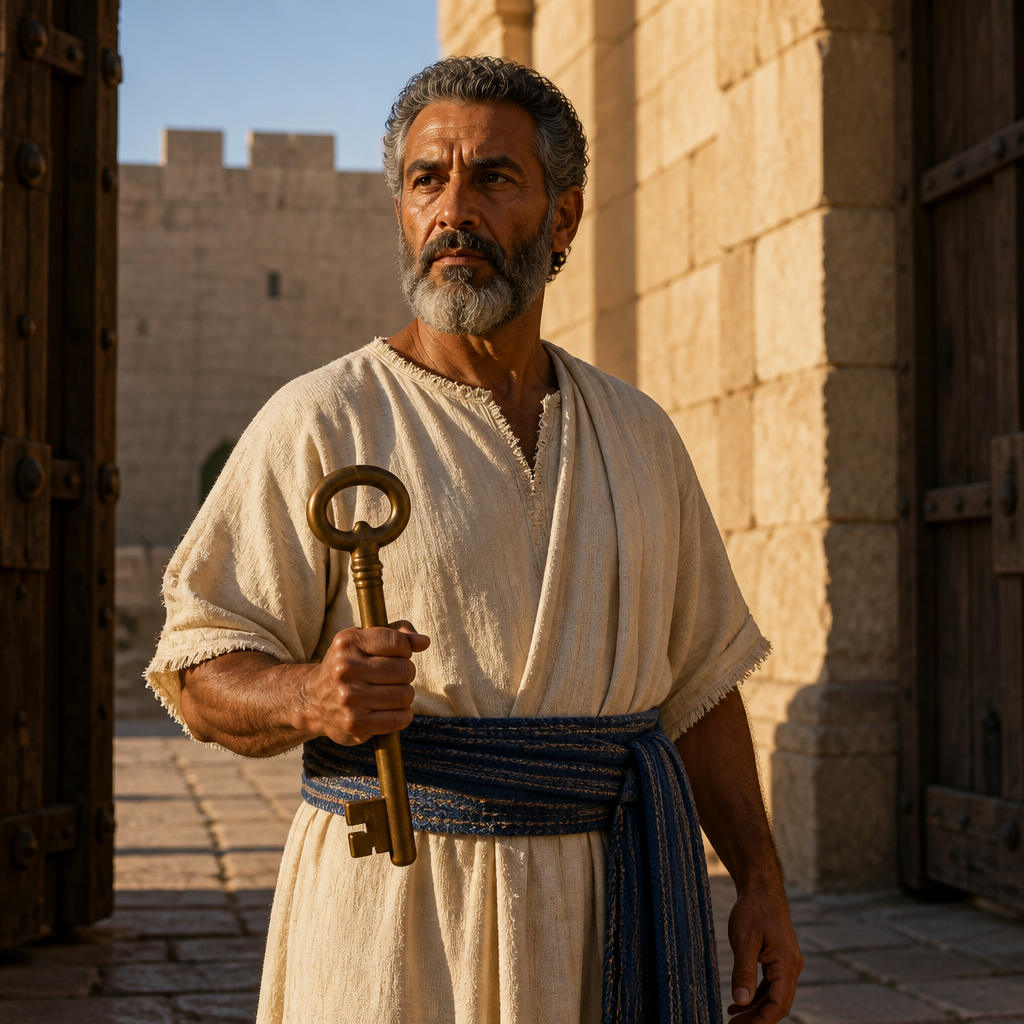
Akkub was a significant figure among the Levites during the pivotal era of the Exile and Return. As a gatekeeper (or porter), he belonged to a specialized class of temple officials responsible for the security, order, and maintenance of the sacred precincts of Jerusalem. His lineage remained active and recognized throughout the post-exilic period, appearing in the records of both Ezra and Nehemiah.
His role was not merely that of a sentry; in the biblical context, gatekeepers like Akkub were entrusted with the oversight of the temple storerooms and the logistical integrity of the religious community. His name appears alongside other prominent gatekeeping families, such as Shallum and Talmon, indicating a multi-generational commitment to the restoration of Jewish worship in the Second Temple period.
Background and Family
Akkub was a member of the tribe of Levi, specifically belonging to the guild of gatekeepers. The biblical record establishes him as a leader of a paternal house whose descendants played a crucial role in the reconstruction of Jewish society after the Babylonian captivity. In the genealogical records found in 1 Chronicles 9:17, Akkub is listed among the chief gatekeepers who dwelt in Jerusalem. This text highlights that his family was part of the foundational group that established the security of the sanctuary during the early stages of the return.
While specific details regarding his parents are not provided in the surviving texts, the recurrence of his name in lists of returning exiles indicates a lineage of high status and reliability. According to Ezra 2:42 and Nehemiah 7:45, the "descendants of Akkub" were among those who traveled from Babylon to Judah under the leadership of Zerubbabel, numbering among the 138 or 139 gatekeepers who formed the backbone of the new temple's operational staff.
Major Life Events
The life of Akkub is defined by his service during the restoration of Jerusalem. Though the biblical text focuses on the collective actions of his family line, Akkub is personally identified as a key figure in the organization of the city's defenses and religious logistics.
In the time of Nehemiah, Akkub is explicitly mentioned as one of the gatekeepers who "kept watch at the gates" (Nehemiah 11:19). This was a period of intense pressure, where the walls of Jerusalem were being rebuilt amidst opposition from surrounding nations. The gatekeepers were essential not only for ritual purity—ensuring no unclean person entered the temple—but also for the physical security of the city itself.
Furthermore, Nehemiah 12:25 records that Akkub, along with associates like Talmon and Mattaniah, was responsible for guarding the "storerooms at the gates." This detail suggests that Akkub’s responsibilities extended to the management of the tithes, offerings, and supplies necessary for the upkeep of the priesthood and the performance of daily sacrifices.
Relationship to Other Biblical Figures
Akkub is almost always mentioned in the company of Shallum and Talmon. This triumvirate of names appears to represent the primary administrative families of the gatekeeper guild. In 1 Chronicles 9:17, Shallum is identified as the chief, with Akkub and Talmon serving as his primary colleagues. This professional relationship lasted for generations; even when the lists reflect the descendants of these men rather than the men themselves, the names remain linked, signifying a deep-seated tradition of shared service among these Levite families.
Spiritual Significance
The presence of Akkub in the biblical record underscores the importance of service that happens "at the threshold." While the high priests and singers often receive more narrative attention, the gatekeepers like Akkub were the stewards of the house of God. Their role was a fulfillment of the Levite calling to protect the sanctity of the divine presence.
In the post-exilic community, the faithfulness of men like Akkub was vital for the survival of the Jewish identity. By guarding the storerooms and the gates, they ensured that the physical requirements of the Law were met and that the community remained focused on its spiritual center. Akkub’s legacy is one of steadfastness; he represents the unsung administrators who make communal worship possible through diligence and vigilance.
Spiritual Significance
Akkub represents the continuity of the Levitical ministry between the First and Second Temple periods. His role as a gatekeeper illustrates the biblical principle that every task in the service of God—no matter how localized or administrative—is essential for the holiness of the community. His inclusion in multiple census lists highlights the value the post-exilic community placed on documented lineage and proven faithfulness to the sanctuary.
Frequently Asked Questions
What was the specific job of Akkub in the temple?
Akkub was a gatekeeper (porter) who was responsible for guarding the gates of the temple and overseeing the storerooms where offerings and tithes were kept.
Which tribe did Akkub belong to?
Akkub was from the tribe of Levi, specifically belonging to the group of Levites designated for gatekeeping duties.
When did Akkub live?
He lived during the period of the Exile and Return (the Post-Exilic period), serving in Jerusalem after the return from Babylon.
How many descendants of Akkub returned from Babylon?
The Bible records the descendants of Akkub as part of a group of gatekeeping families (including Shallum, Ater, Talmon, Hatita, and Shobai) that totaled either 138 or 139 men in the census of Ezra and Nehemiah.
Who were Akkub's primary associates?
He is most frequently listed alongside Shallum and Talmon, who were fellow chief gatekeepers.
Connected Figures
Shallum
Associate and Chief Gatekeeper
Talmon
Associate Gatekeeper
Zerubbabel
Leader of the first return from exile
Categories
Mentions by Book
- Nehemiah3
- 1 Chronicles1
- Ezra1
Others Named Akkub
Akkub, Levite Instructor of the LawNehemiah 8:7
A Levite who assisted Ezra the Scribe by explaining the Law of Moses to the residents of Jerusalem during the Post-Exilic restoration.
Akkub, Son of Elioenai1 Chronicles 3:24
A member of the royal Davidic line of Judah during the Divided Monarchy and a son of Elioenai.
Akkub, Head of a Family of Temple ServantsEzra 2:45
Akkub was the head of a family of Nethinim (Temple servants) who returned to Jerusalem from the Babylonian exile with Zerubbabel.