Miriam, Prophetess and Sister of Moses
A prophetess of the Tribe of Levi who served as a prominent leader of Israel alongside her brothers Moses and Aaron during the Exodus and wilderness wanderings.
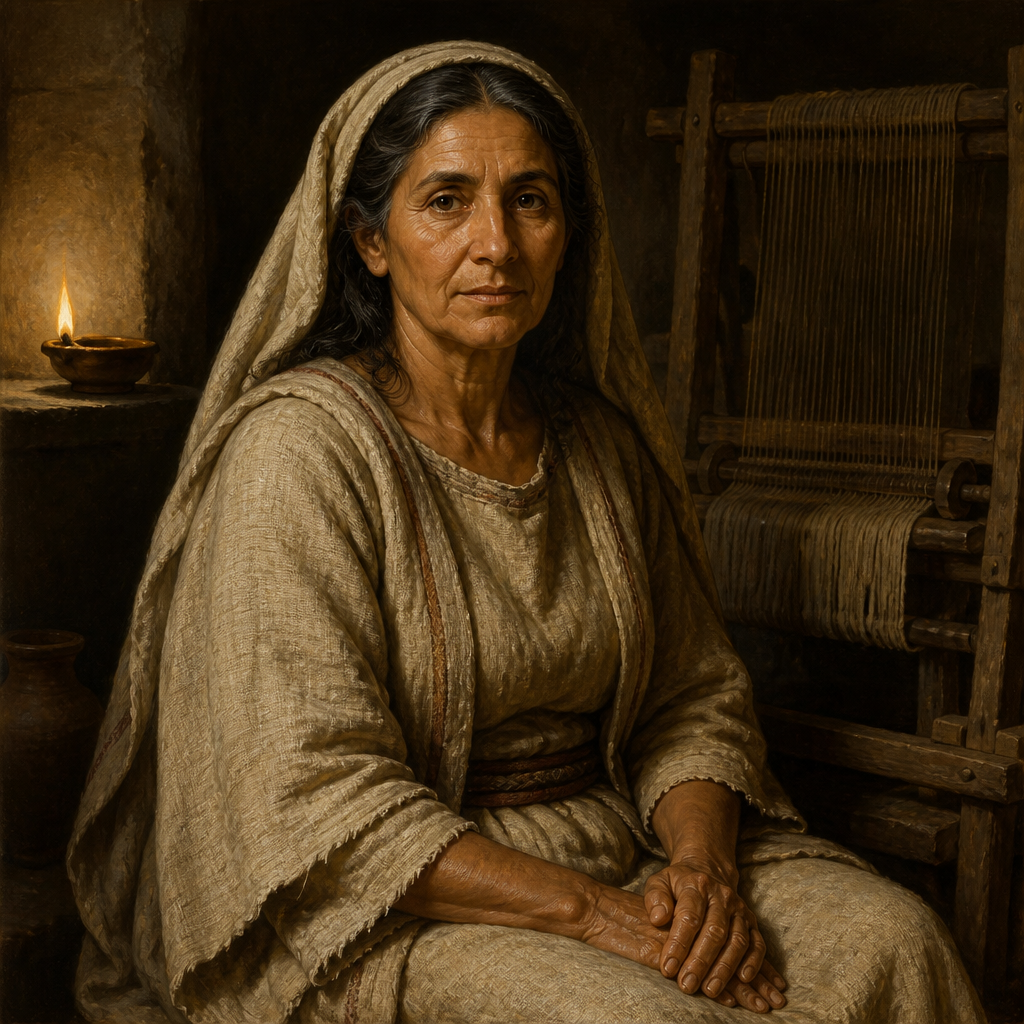
Miriam was a pivotal female leader in the history of Israel, identified specifically as a prophetess and a member of the priestly Tribe of Levi. As the daughter of Amram and Jochebed, she played a crucial role in the preservation and leadership of the Hebrew people during their transition from Egyptian bondage to the Promised Land. Her presence is established early in the Exodus narrative and continues through the wilderness journey until her death in Kadesh.
She is most famously recognized for her liturgical leadership following the crossing of the Red Sea, where she led the women of Israel in song and dance to celebrate God's victory. However, her life also included moments of significant tension and divine discipline, particularly regarding her challenge to Moses' unique authority. Despite these conflicts, the biblical record honors her as one of the three leaders sent by God to guide the nation out of Egypt.
Background and Family
Miriam was born into the Tribe of Levi during the period of Israelite oppression in Egypt. According to the genealogical records found in Numbers 26:59 and 1 Chronicles 6:3, she was the daughter of Amram and Jochebed. She was the sister of Aaron and Moses, making her part of the central leadership triad that would eventually lead the Israelites out of slavery. While later texts emphasize her prophetic status and leadership, her origins are rooted in the priestly line of Levi, a factor that underscores the religious and social significance of her family within the Hebrew community.
Major Life Events
The Song of the Sea
Miriam's first explicit mention by name occurs in Exodus 15:20-21, immediately following the miraculous crossing of the Red Sea. Identified as "Miriam the prophetess, Aaron’s sister," she took a tambourine in her hand and led the women of Israel in a celebratory procession of dancing and music. Her refrain, "Sing to the LORD, for He is highly exalted; the horse and rider He has thrown into the sea," mirrors the opening of the Song of Moses. This event marks her as a recognized spiritual and communal leader who facilitated the nation's corporate worship and response to divine deliverance.
The Rebellion at Hazeroth
A major turning point in Miriam's narrative occurs in Numbers 12. Miriam and Aaron spoke against Moses concerning a Cushite woman he had married. However, the text suggests the underlying issue was a challenge to Moses’ exclusive authority, as they asked, "Has the LORD spoken only through Moses? Has He not also spoken through us?" The LORD intervened directly, summoning the three siblings to the Tent of Meeting. God vindicated Moses’ unique position as a faithful servant who speaks with God "mouth to mouth."
As a consequence of this challenge, the cloud of the LORD’s presence lifted, and Miriam was struck with a skin disease, described as being "leprous, white as snow." Despite Aaron’s plea and Moses’ intercession for her healing, the LORD decreed she must be confined outside the camp for seven days to bear her shame. The biblical record notes the deep respect the nation held for her, as the entire congregation of Israel halted their journey and did not move until Miriam was restored and brought back into the camp.
Death and Legacy
The life of Miriam concluded in the Wilderness of Zin. Numbers 20:1 records that she died and was buried at Kadesh during the first month of the year. Her death preceded those of her brothers, Aaron and Moses, yet she remained a figure of historical remembrance. The prophet Micah, writing centuries later, reaffirmed her status, stating that God sent Moses, Aaron, and Miriam before the people as leaders during the redemption from Egypt (Micah 6:4).
Relationship to Other Biblical Figures
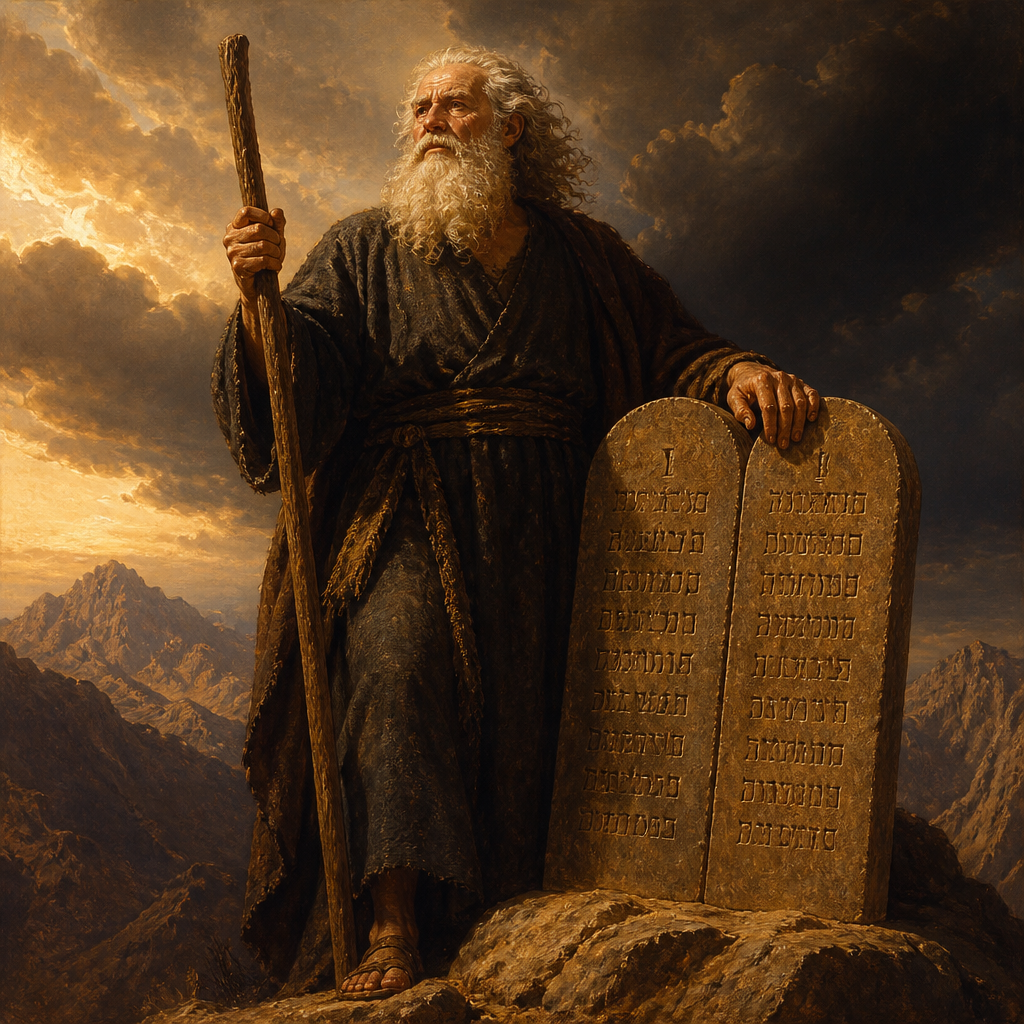
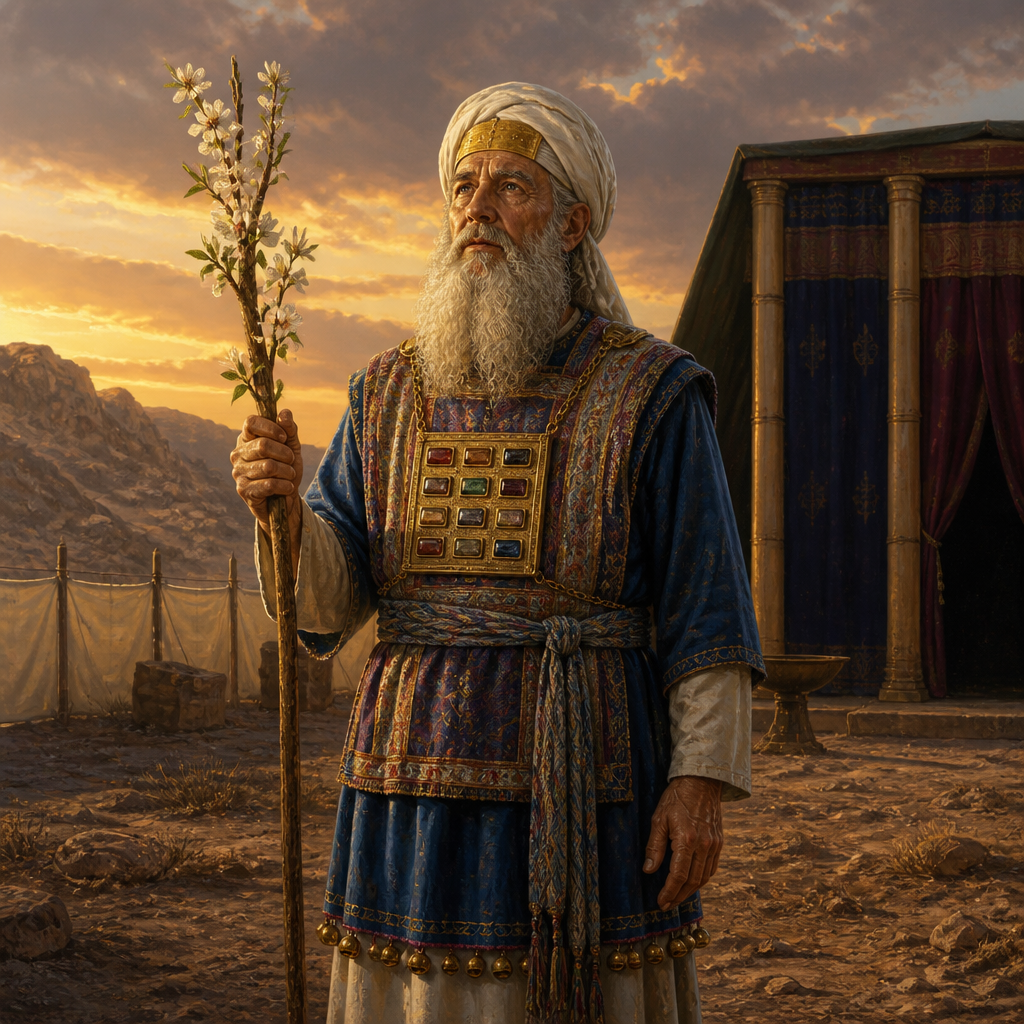
Miriam’s life was inextricably linked to her brothers, Aaron and Moses. As a trio, they represented the administrative, priestly, and prophetic dimensions of Israel’s early governance. Her relationship with Aaron was particularly close during the incident of rebellion, where they acted in concert. However, her relationship with Moses was defined by a complex balance of familial bond and subordinate leadership. The text also mentions her parents, Amram and Jochebed, establishing her as part of a family uniquely chosen for the foundational events of the nation of Israel.
Spiritual Significance
Miriam holds a unique position as the first woman in the Bible to be explicitly titled a "prophetess" (Exodus 15:20). Her significance lies not only in her musical and liturgical contributions but in her role as a divinely appointed leader. The discipline she received in the wilderness served as a lasting reminder to Israel regarding the holiness of God and the respect due to His chosen mediators, a point emphasized later in Deuteronomy 24:9. Ultimately, Miriam represents the inclusion of female leadership in the formative stages of Israel's national and spiritual identity.
Spiritual Significance
Miriam is spiritually significant as a primary leader of the Exodus generation, specifically cited by the prophet Micah as one of the three leaders sent by God to redeem Israel. Her role as a prophetess and worship leader established a precedent for female participation in Israel’s liturgical life. The account of her leprosy and subsequent restoration serves as a theological lesson on the nature of divine authority and the communal impact of leadership conduct.
Furthermore, she is a central figure in the Tribe of Levi, contributing to the heritage of a family that would define the religious structure of Israel for generations. Her death at Kadesh marks a somber transition in the wilderness narrative, signaling the end of the first generation of leaders who departed from Egypt.
Frequently Asked Questions
Was Miriam really a prophetess?
Yes, Exodus 15:20 explicitly identifies her as 'Miriam the prophetess,' marking her as the first woman in the biblical narrative to hold this title.
Why was Miriam punished with leprosy but Aaron was not?
The Bible does not explicitly state why only Miriam was struck with leprosy in Numbers 12, though she is mentioned first in the complaint against Moses, suggesting she may have been the instigator. Aaron witnessed the punishment and immediately repented on her behalf.
How long did Miriam have to stay outside the camp?
Following her divine discipline, Miriam was confined outside the camp for seven days before she was declared clean and allowed to rejoin the congregation.
Where did Miriam die?
Miriam died and was buried at Kadesh in the Wilderness of Zin, as recorded in Numbers 20:1.
What tribe did Miriam belong to?
Miriam was of the Tribe of Levi, the daughter of Amram and Jochebed, and the sister of the high priest Aaron.
Connected Figures
Categories
Mentions by Book
- Numbers7
- Exodus2
- 1 Chronicles1
- Deuteronomy1
- Micah1
Family & Relationships
Others Named Miriam
Miriam, Daughter of Mered1 Chronicles 4:17
A member of the Tribe of Judah and daughter of Mered, recorded in the genealogies of the chronicler during the Divided Monarchy.