Haggi
Who was Haggi in the Bible?
Haggi was the second son of Gad and the patriarchal founder of the Haggite clan during the Egyptian Sojourn and the Exodus.
Haggi was a grandson of the biblical patriarch Jacob and the second-born son of Gad. He is listed among the seventy members of Jacob’s household who migrated from Canaan to Egypt to escape a severe famine during the time of Joseph’s administration. His name is derived from the Hebrew word for 'festal' or 'festival,' suggesting a connection to celebration or religious observance.
Historically, Haggi represents a transitional figure in the history of the Israelites. He was born or raised during the initial settlement in the Land of Goshen and survived through the growth of his family into a distinct tribal division. By the time of the wilderness wanderings following the Exodus, his descendants had established themselves as a recognized sub-group within the tribe of Gad, known as the Haggites.
Background and Family
Haggi appears in the biblical record within the genealogical framework of the Twelve Tribes of Israel. As the son of Gad, he was a member of the generation that moved to Egypt under the protection of Joseph. His father, Gad, was the seventh son of Jacob, born to Zilpah, the handmaid of Leah. Haggi was one of seven brothers, listed alongside Ziphion (or Zephon), Shuni, Ezbon, Eri, Arodi, and Areli.
The presence of Haggi in the list provided in Genesis 46:16 serves to verify the legal and biological lineage of the tribe of Gad. This record ensures that the subsequent claims to land and inheritance in the Transjordan region were rooted in the original patriarchal structure established before the long period of Egyptian bondage.
Major Life Events
While the Bible does not record specific narrative actions performed by Haggi, his life spanned the critical era of the Egyptian Sojourn. He was part of the small group of seventy people who entered Egypt, an event that served as the seed for the nation of Israel.
The next mention of Haggi occurs in Numbers 26:15 during the second census taken on the plains of Moab, shortly before the Israelites entered the Promised Land. Although Haggi himself would have died in the wilderness along with the generation that left Egypt, his legacy is recorded through his descendants. The text notes that the 'Haggite clan' was counted among the Gadites. This indicates that Haggi was successful in establishing a distinct family line that survived the hardships of slavery and the forty-year journey through the desert.
Relationship to Other Biblical Figures
Haggi’s primary significance is defined by his relationships within the tribe of Gad. He was a nephew to the twelve patriarchs, including Joseph and Judah. Among his siblings, he held the second position in the birth order. His brothers Ziphion, Shuni, Ezbon, Eri, Arodi, and Areli also became the heads of their respective clans. Collectively, these seven brothers formed the foundation of the Gadite military and social structure, which was later noted for its bravery and skill in battle as they settled in the rugged territories east of the Jordan River.
Spiritual Significance
The spiritual significance of Haggi is found in the themes of preservation and faithfulness. Despite the silence of the text regarding his personal words or deeds, his inclusion in the census of Numbers 26 demonstrates God’s fulfillment of the covenantal promise to multiply Jacob’s descendants. Haggi’s life represents the quiet continuity of the Israelite identity in a foreign land. His name, associated with festivals, serves as a reminder of the liturgical life of Israel that persisted even in exile. As a clan leader, he ensured that the identity of the sons of Gad remained distinct, preventing their total assimilation into Egyptian culture and securing their place in the eventual conquest of Canaan.
Haggi’s significance lies in his role as a foundational link in the genealogy of the tribe of Gad. By being listed in both the initial descent into Egypt and the final census before entering Canaan, he serves as a witness to the preservation of the Israelite tribes through centuries of sojourn and wandering. His name identifies a specific sub-clan of Gad, the Haggites, ensuring the orderly distribution of tribal lands.
Theological reflection on figures like Haggi emphasizes the importance of the individual within the communal history of salvation. Even those without recorded speeches are vital to the fulfillment of the divine promise to Abraham regarding a vast progeny. Haggi stands as a representative of the many who remained faithful to their tribal identity during the period of Egyptian oppression.
Frequently Asked Questions
What does the name Haggi mean?
The name Haggi comes from the Hebrew root 'chag', meaning 'festival' or 'festive.' It is often interpreted to mean 'born on a feast day.'
Which tribe did Haggi belong to?
Haggi belonged to the tribe of Gad; he was the second son of Gad himself.
Did Haggi enter the Promised Land?
According to the Book of Numbers, the generation that left Egypt (which would include Haggi) died in the wilderness. However, his descendants, the Haggites, entered and settled in the Promised Land.
Who were Haggi's brothers?
His brothers were Ziphion (Zephon), Shuni, Ezbon (Ozni), Eri, Arodi, and Areli.
Family & Relationships
Parents
 Gad, Son of JacobFatherGenesis 46:16Stated
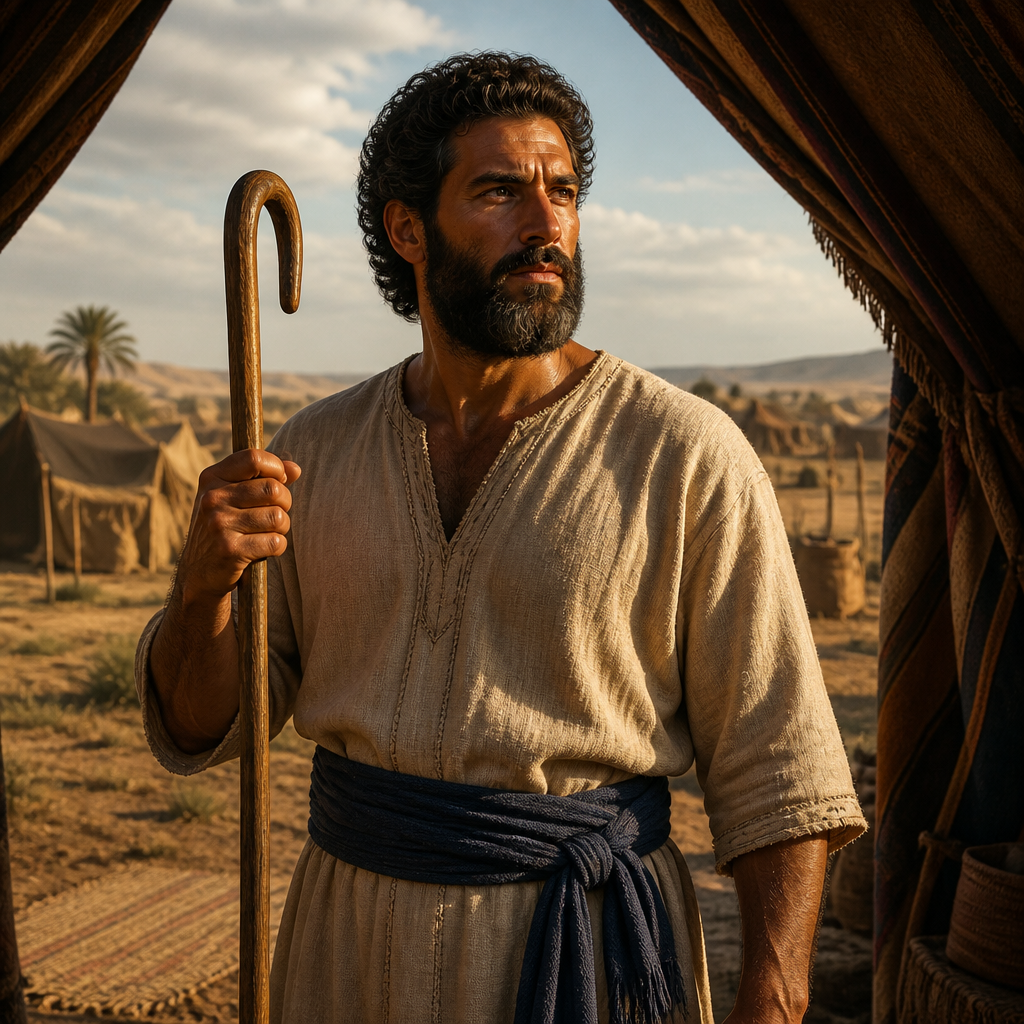 HaggiThis page
Extended family
 ZilpahGrandmotherGenesis 46:16
Inferred
Reconstructed through Gad: Genesis 35:26 ties Zilpah to Gad; Genesis 46:16 ties Gad to Haggi. No verse states the grandson link between Zilpah and Haggi directly.Evidence: Genesis 46:16; Genesis 35:26
Connected Figures
Family
Father · Genesis 46:16
The seventh son of Jacob and the firstborn of Zilpah, Gad was a patriarch of Israel whose descendants became a warrior tribe known for their courage and inheritance east of the Jordan River.
PatriarchsFirst: Genesis 30:1111 versesPatriarchGad

Brother · Genesis 46:16
Areli was the youngest son of Gad and the ancestral founder of the Arelite clan during the Egyptian sojourn and the Exodus.

Brother · Genesis 46:16
A son of Gad and the ancestral founder of the Arodite clan during the Israelites' sojourn in Egypt and their subsequent wilderness wanderings.

Brother · Genesis 46:16
Eri was the fifth son of the patriarch Gad and the founder of the Erite clan during the Israelite sojourn in Egypt and the subsequent journey through the wilderness.

Brother · Genesis 46:16
Ezbon was a son of Gad and a grandson of the patriarch Jacob, identified as a progenitor of a family within the tribe of Gad during the Egyptian sojourn.
Egypt and WildernessFirst: Genesis 46:163 versesPatriarchal shepherdGad

Brother · Genesis 46:16
A son of Gad and the ancestral patriarch of the Shunite clan during the Egyptian sojourn and the wilderness wanderings.

Brother · Numbers 26:15
The eldest son of Gad and founder of the Zephonite clan, who migrated to Egypt with the household of Jacob.
Grandmother · Genesis 46:16
Zilpah was a maidservant given to Leah by Laban, who later became a wife to the patriarch Jacob and the mother of two of the twelve tribes of Israel, Gad and Asher.
PatriarchsFirst: Genesis 29:249 versesMaidservant and wife
Categories
Mentions by Book
- Genesis3
- Numbers1
Scripture References
All 4 indexed verses, in canonical order, from the Berean Standard Bible.
Genesis · 3
- Genesis 46:16
The sons of Gad: Ziphion, Haggi, Shuni, Ezbon, Eri, Arodi, and Areli.
- Genesis 46:17Partial
The children of Asher: Imnah, Ishvah, Ishvi, Beriah, and their sister Serah. The sons of Beriah: Heber and Malchiel.
Cited as evidence on a family card; added so References, Key Verses and Mentions by Book share one index.
- Genesis 46:18Partial
These are the sons of Jacob born to Zilpah—whom Laban gave to his daughter Leah—sixteen in all.
Cited as evidence on a family card; added so References, Key Verses and Mentions by Book share one index.
Numbers · 1
- Numbers 26:15
These were the descendants of Gad by their clans: The Zephonite clan from Zephon, the Haggite clan from Haggi, the Shunite clan from Shuni,