Eran
Who was Eran in the Bible?
Eran was a grandson of Ephraim and the founder of the Eranite clan, recorded during the census of Israel in the wilderness.
Eran was a descendant of the patriarch Joseph through the line of Ephraim. He is specifically identified in the biblical record as a grandson of Ephraim, born to Ephraim’s son Shuthelah. As a tribal leader, he became the eponymous ancestor of the Eranites, a distinct sub-clan within the larger tribe of Ephraim.
His life and lineage are recorded within the context of the second census of Israel, conducted by Moses and Eleazar the priest on the plains of Moab. This census served both to organize the military strength of the nation and to determine the equitable distribution of the Promised Land among the various families of Israel.
Background and Family
Eran is situated within the genealogical records of the Tribe of Ephraim, one of the two tribes descending from Joseph. According to the record in the Book of Numbers, Eran was the son of Shuthelah. Shuthelah himself is identified as the firstborn or primary son of Ephraim. This placement within the family tree signifies Eran's status as a grandson of the patriarch Ephraim and a great-grandson of Joseph.
The text notes that Eran had siblings, specifically mentioned as the children of Shuthelah, though the genealogical focus in Numbers 26:36 is primarily on Eran as the head of a specific household. His birth likely occurred during the later years of the Egyptian sojourn or the early period of the wilderness wanderings, as his clan was established enough to be counted as a primary division of the tribe by the time Israel reached the plains of Moab.
Major Life Events
The biblical record for Eran is concise, focusing entirely on his role as a clan patriarch. The singular event associated with his name is the census of the second generation of Israelites following the Exodus. In Numbers 26, after a plague had struck the people, God commanded a census of all men twenty years old and upward who were able to go to war.
During this accounting, Eran is listed as the founder of the "Eranite clan" (the Eranites). This designation indicates that he successfully established a lineage that maintained its identity within the broader structure of the Ephraimite tribe. Unlike many individuals who are lost to history in general genealogical lists, Eran's name survived because his descendants were numerous or influential enough to be recognized as a formal administrative unit within Israel.
Relationship to Other Biblical Figures
Eran’s primary biblical relationships are vertical, defining his place in the covenant line. He is the son of Shuthelah and the grandson of Ephraim. Through Ephraim, he is linked to the Egyptian heritage of Asenath and the providential history of Joseph. His siblings, referred to as the descendants of Shuthelah (including Bered in parallel accounts), represent the immediate kin with whom he shared the responsibility of leading the Ephraimite families during the final stages of the wilderness journey.
Spiritual Significance
While the text provides no specific details regarding Eran’s personal character or actions, his inclusion in the census at the plains of Moab carries theological weight. The census in Numbers 26 was a census of the "new generation"—those who would actually inherit the land of Canaan after the first generation died in the wilderness due to unbelief.
Eran represents the continuity of God’s promise to Joseph and Ephraim. His existence as a clan leader demonstrates that despite the hardships of the wilderness and the judgments upon the rebellious, God remained faithful to multiply the seed of Joseph. As the head of the Eranites, he was part of the body of Israel that stood on the threshold of the Promised Land, ready to receive the inheritance promised to his forefathers.
Eran’s significance lies in his role as a clan founder within the Tribe of Ephraim. His name is preserved in the sacred record to validate the lineage and land rights of the Eranite family during the conquest of Canaan. He serves as a link between the patriarchs of the Egyptian sojourn and the generation that eventually settled the northern regions of the Promised Land.
Theologically, Eran is a testament to the fulfillment of the specific blessing Jacob gave to Ephraim in Genesis 48. By establishing a recognized clan, Eran contributed to Ephraim becoming a 'multitude of nations' or clans, ensuring the tribe's prominence in Israel’s early history.
Frequently Asked Questions
Which tribe did Eran belong to?
Eran belonged to the Tribe of Ephraim, the son of Joseph.
Who was Eran’s father?
Eran was the son of Shuthelah.
What clan did Eran found?
He founded the Eranite clan, one of the sub-divisions of the tribe of Ephraim.
Where is Eran mentioned in the Bible?
Eran is mentioned in Numbers 26:36 during the census of the Israelites on the plains of Moab.
Did Eran enter the Promised Land?
While the Bible does not record his death, he was part of the generation and clan structure counted at the end of the wilderness wanderings, who were designated to inherit the land.
Family & Relationships
Parents
 Shuthelah, Son of EphraimFatherNumbers 26:36Stated
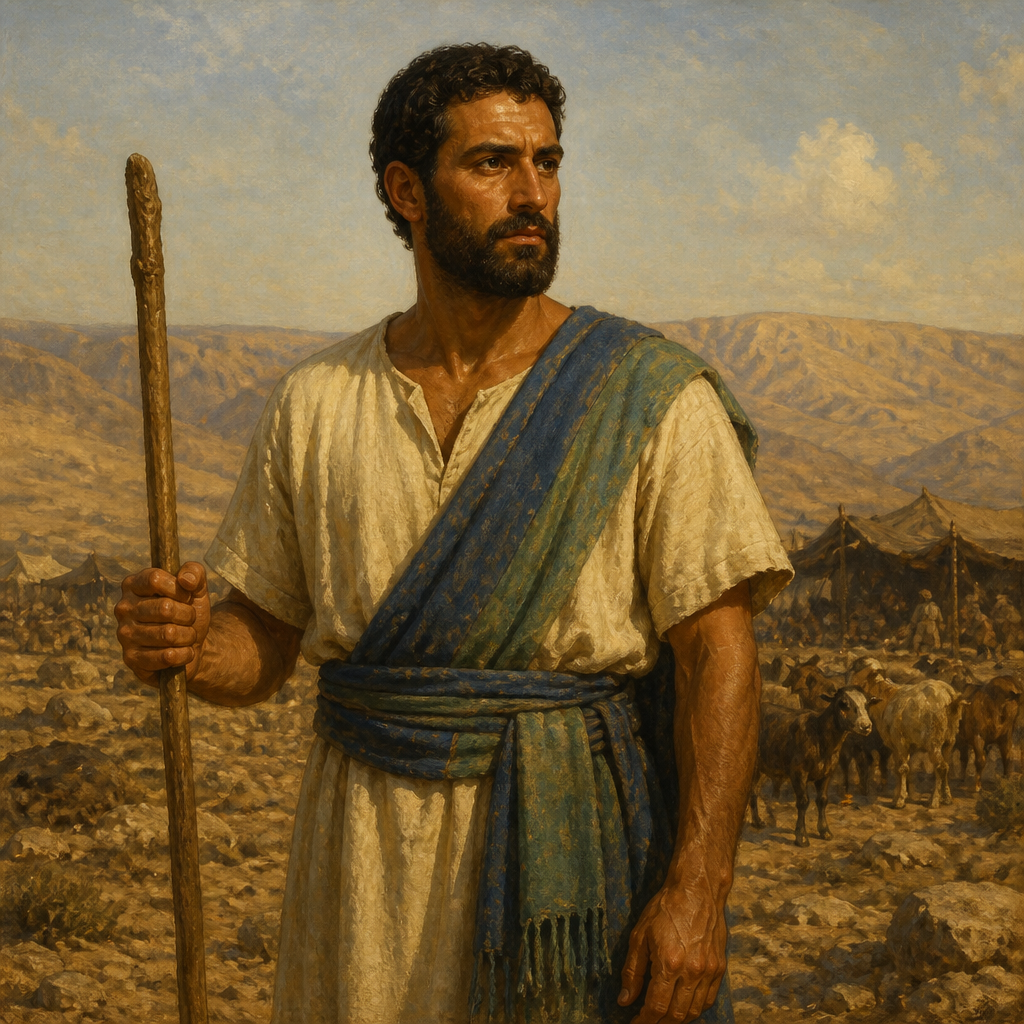 EranThis page
 BeredBrotherNumbers 26:36
Inferred
Reconstructed through Ephraim and Shuthelah: 1 Chronicles 7:20 ties Bered to Ephraim (itself an inferred link); Numbers 26:35 ties Ephraim to Shuthelah; Numbers 26:36 ties Shuthelah to Eran. No verse states the brother link between Bered and Eran directly.Evidence: Numbers 26:36
Extended family
 EphraimGrandfatherNumbers 26:36
Inferred
Reconstructed through Shuthelah: Numbers 26:35 ties Ephraim to Shuthelah; Numbers 26:36 ties Shuthelah to Eran. No verse states the grandson link between Ephraim and Eran directly.Evidence: Numbers 26:36; Numbers 26:35
Connected Figures
Family
Father · Numbers 26:36
Shuthelah was the firstborn son of Ephraim and the ancestral head of the Shuthelahite clan during the Israelite sojourn in Egypt.
Brother · Numbers 26:36
Bered was a descendant of the tribe of Ephraim during the Egyptian sojourn, identified as the son of Shuthelah and a link in the pre-Exodus genealogy.
Grandfather · Numbers 26:36
The second son of Joseph and Asenath, Ephraim was adopted by his grandfather Jacob and received the primary blessing of the firstborn, becoming the progenitor of a dominant tribe in Israel.
PatriarchsFirst: Genesis 41:5216 versesPatriarchEphraim
Categories
Mentions by Book
- Numbers2
- 1 Chronicles1
Scripture References
All 3 indexed verses, in canonical order, from the Berean Standard Bible.
Numbers · 2
- Numbers 26:35Partial
These were the descendants of Ephraim by their clans: The Shuthelahite clan from Shuthelah, the Becherite clan from Becher, and the Tahanite clan from Tahan.
Cited as evidence on a family card; added so References, Key Verses and Mentions by Book share one index.
- Numbers 26:36
And the descendants of Shuthelah were the Eranite clan from Eran.
1 Chronicles · 1
- 1 Chronicles 7:20Partial
The descendants of Ephraim: Shuthelah, Bered his son, Tahath his son, Eleadah his son, Tahath his son,
Cited as evidence on a family card; added so References, Key Verses and Mentions by Book share one index.